Featured image for Moving Fish Farming Forward One Conversation at a Time

Moving Fish Farming Forward One Conversation at a Time

At the Global Aquaculture Alliance, we believe fish farming is part of the solution to the growing population’s protein predicament. Our mission is to promote responsible aquaculture practices through education, advocacy and demonstration. And, while this future-of-food topic resonates with almost everyone (we all have to eat, right?), we’re always interested to learn how aquaculture 

Featured image for GAA Responds to MCS Draft Ratings System

GAA Responds to MCS Draft Ratings System

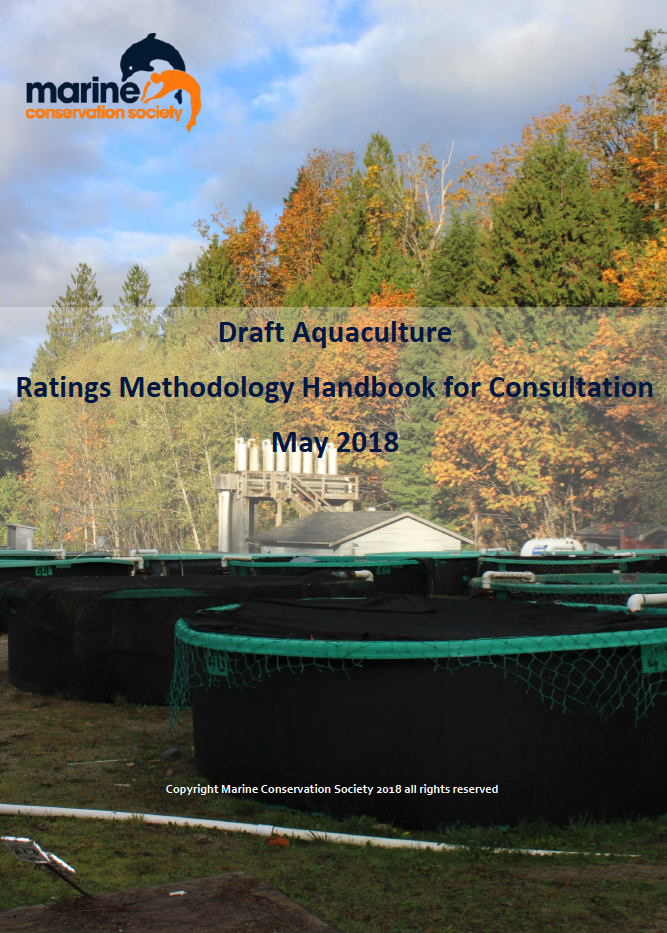
The Global Aquaculture Alliance (GAA) is pleased to contribute to the public consultation on the Marine Conservation Society (MCS) Draft Aquaculture Ratings Methodology Handbook. According to the United Kingdom-based conservation organization, the handbook provides in-depth discussion of how MCS assesses the environmental performance of various aquaculture production methods. It is aimed at MCS assessors and 

Featured image for Seafish’s Aquaculture Profiles Highlights BAP, Other Certification Programs

Seafish’s Aquaculture Profiles Highlights BAP, Other Certification Programs

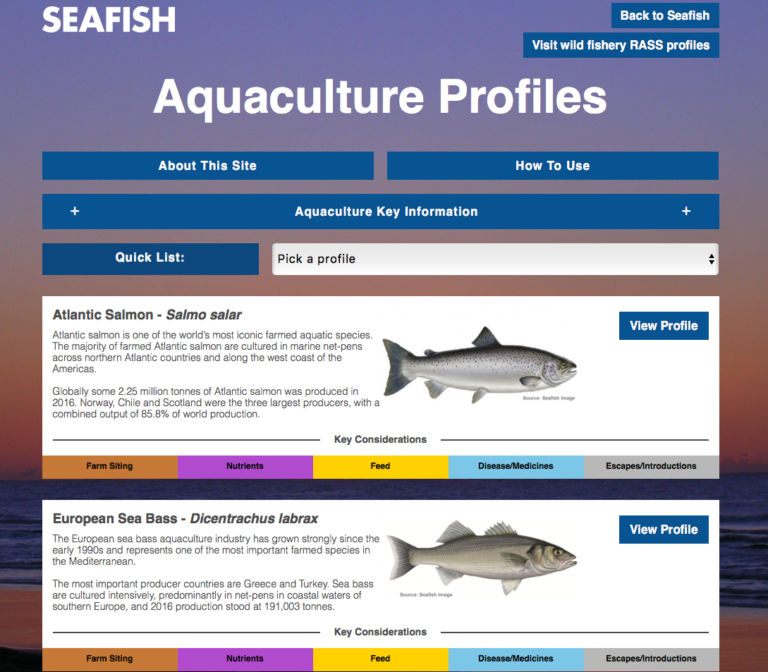
Best Aquaculture Practices (BAP) is among the third-party aquaculture certification programs referenced in a new web tool developed by the United Kingdom’s Sea Fish Industry Authority (Seafish) to guide anyone sourcing seafood, whether in the United Kingdom or abroad. Launched early this year, Seafish’s Aquaculture Profiles are designed to be objective and non-bias. It currently 

Featured image for The Forgotten Pillar: Four Facts About Seafood’s Food-Safety Record

The Forgotten Pillar: Four Facts About Seafood’s Food-Safety Record

When asked about seafood sustainability, what comes to mind? Environmental responsibility? Social responsibility? Animal welfare? While all three are pillars of seafood sustainability, there’s a fourth pillar that, unfortunately, is often left out of the equation — food safety. Food safety refers to the handling, preparing and storing of food in a way that reduces the 

Featured image for On Target: Best Aquaculture Practices (BAP) Program Aims for 33% Growth in 2018

On Target: Best Aquaculture Practices (BAP) Program Aims for 33% Growth in 2018

With nearly 300 certified facilities added so far this year, the Best Aquaculture Practices (BAP) third-party certification program is on target to grow approximately 33 percent in 2018, in terms of total number of certified facilities worldwide. At the end of May, there were 2,062 BAP-certified processing plants, farms, hatcheries and feed mills in 34 

Featured image for World’s First Seriola, RAS Farm Earns Best Aquaculture Practices Certification

World’s First Seriola, RAS Farm Earns Best Aquaculture Practices Certification

Kingfish Zeeland has been awarded Best Aquaculture Practices (BAP) certification, the world’s first seriola farm to earn the distinction, the Global Aquaculture Alliance announced in early June. It’s also the world’s first recirculating aquaculture system (RAS) to earn BAP certification. Located in Holland’s Zeeland province, Kingfish Zeeland raises yellowtail kingfish (Seriola lalandi), also known as 

Featured image for Talking Points in Response to ‘False Promise of Certification’

Talking Points in Response to ‘False Promise of Certification’

Editor’s note: The following is in response to a report questioning the validity of sustainability certification programs. Crafted by the Changing Markets Foundation, the May 3 report, titled “The False Promise of Certification,” does not cite the Global Aquaculture Alliance’s Best Aquaculture Practices third-party certification program. The “The False Promise of Certification” report is built on 

Featured image for Fishin’ Company-Sponsored Tilapia Farms Earn Best Aquaculture Practices Certification

Fishin’ Company-Sponsored Tilapia Farms Earn Best Aquaculture Practices Certification

Thirty-four tilapia farms in Hainan, China, recently earned Best Aquaculture Practices (BAP) certification. The Fishin’ Company, a leading tilapia supplier that is capable of offering four-star BAP tilapia, sponsored the farms to apply for BAP certification. “This is an exciting milestone in the industry’s journey toward worldwide four-star BAP tilapia” said Justin Baugh, director of 

Featured image for Public Comment Sought for Expanded Seafood Processing Standards

Public Comment Sought for Expanded Seafood Processing Standards

GSA’s Seafood Processing Standards are now available for public comment, the Global Aquaculture Alliance announced on May 2. The 60-day public comment period ends on July 1. The GSA Seafood Processing Standards are the first and only seafood-specific processing plants standards for both farmed and wild seafood. Based on the Best Aquaculture Practices (BAP) Seafood 

Featured image for China’s Largest Retailer Commits to BAP for More Responsible Seafood

China’s Largest Retailer Commits to BAP for More Responsible Seafood

As leaders of promoting responsible seafood sourcing policies in the Chinese market, JD.com announced a commitment to Best Aquaculture Practices (BAP) during Seafood Expo Global in Brussels on April 25. E-commerce platforms in China, like JD.com, are among the leaders in the marketplace for setting responsible seafood sourcing policies. In 2017, JD.com and the Global 

Featured image for Mediterranean Sea Bass, Sea Bream Producer First to be Four-Star BAP

Mediterranean Sea Bass, Sea Bream Producer First to be Four-Star BAP

The Global Aquaculture Alliance is pleased to announce that Luckyfish Co. of Turkey is the world’s first company eligible to offer four-star Best Aquaculture Practices (BAP) Mediterranean sea bass and sea bream. The announcement came on Day 1 of Seafood Expo Global in Brussels, Belgium, as Mike Berthet, BAP market development manager for Europe, presented