
Articles in the Category BAP – News

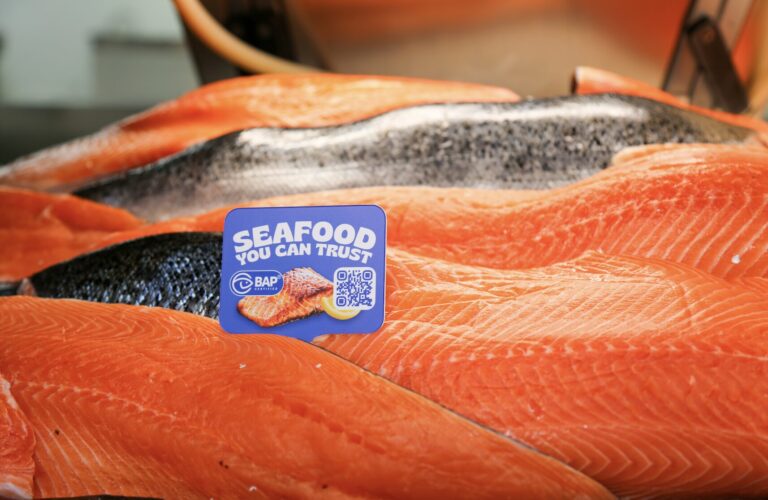
Featured image for BAP Launches Seafood You Can Trust Marketing Toolkit, The Save Mart Companies First Retailer to Activate Campaign

BAP Launches Seafood You Can Trust Marketing Toolkit, The Save Mart Companies First Retailer to Activate Campaign

Best Aquaculture Practices (BAP) has launched its Seafood You Can Trust marketing toolkit, part of a new, insight-driven campaign designed to help retailers and foodservice operators more effectively communicate about responsible seafood sourcing at the point of purchase. The Save Mart Companies, one of the United States West Coast’s largest regional, full-service grocery chains, has 

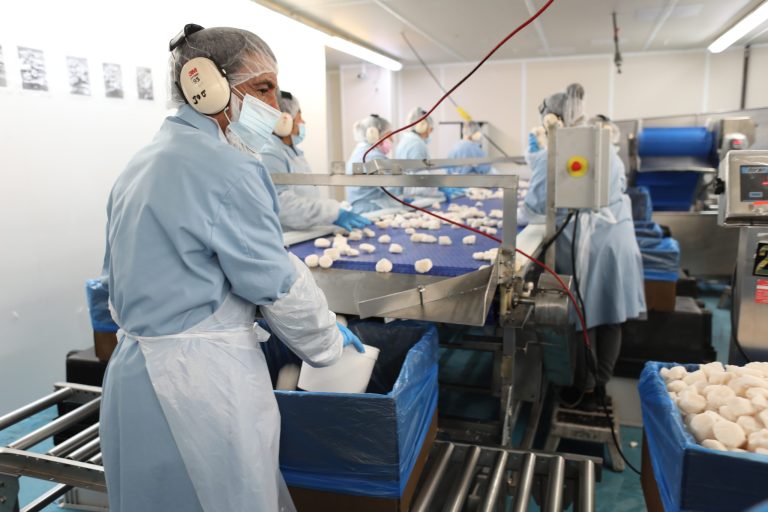
Featured image for GSA Certification Programs Drive Nearly 8,000 Improvements Across Seafood Operations in 2025

GSA Certification Programs Drive Nearly 8,000 Improvements Across Seafood Operations in 2025

Producers certified to the Global Seafood Alliance’s (GSA) Best Aquaculture Practices (BAP) and Best Seafood Practices (BSP) standards made significant improvements across their operations in 2025, with a total of 7,808 improvements made. Total certified production at the plant level at the end of 2025 was more than 3.2 million metric tons. To achieve certification, 

Featured image for GlobeScan Survey Shows Two-Thirds of Consumers Trust the BAP Label, Prompting 2026 Consumer Campaign

GlobeScan Survey Shows Two-Thirds of Consumers Trust the BAP Label, Prompting 2026 Consumer Campaign

An independent survey conducted by GlobeScan in 2025 reveals new consumer insights in key regions around the globe. New research conducted by GlobeScan for the Global Seafood Alliance (GSA) surveyed a minimum of 1,000 consumers in five key countries: Canada, France, Spain, the United Kingdom, and the United States. The consumers surveyed were those who 

Featured image for Strengthening Human Rights Assurances: Enhanced Social Audits

Strengthening Human Rights Assurances: Enhanced Social Audits

The Global Seafood Alliance (GSA) is taking another step forward in strengthening human rights assurances within its Seafood Processing Standard (SPS). Beginning November 1, 2025, seafood processing plants that opt into the Enhanced Social Module (ESM) will be required to undergo overnight audits if they operate outside of standard business hours (8 a.m.–5 p.m.). This 

Featured image for GSA, BAP Recognized by FAO for Sustainable Aquatic Food Systems

GSA, BAP Recognized by FAO for Sustainable Aquatic Food Systems

Global Seafood Alliance (GSA) and Best Aquaculture Practices (BAP) have achieved special recognition from the Food and Agriculture Organization (FAO) of the United Nations, GSA has announced. GSA and BAP were awarded a certificate at the Global Technical Recognition Ceremony in Rome on Wednesday, October 15.  GSA and BAP were selected for recognition in the 

Featured image for Global Seafood Alliance Will Require All BAP-certified Shrimp Producers to End Eyestalk Ablation by the End of 2030

Global Seafood Alliance Will Require All BAP-certified Shrimp Producers to End Eyestalk Ablation by the End of 2030

Best Aquaculture Practices will adapt its global seafood industry-leading certification standards to reflect the latest information regarding the viability of potential alternatives to eyestalk ablation, a common practice in shrimp aquaculture for decades. The Global Seafood Alliance (GSA) will require all shrimp production facilities around the world certified to Best Aquaculture Practices (BAP) certification standards 

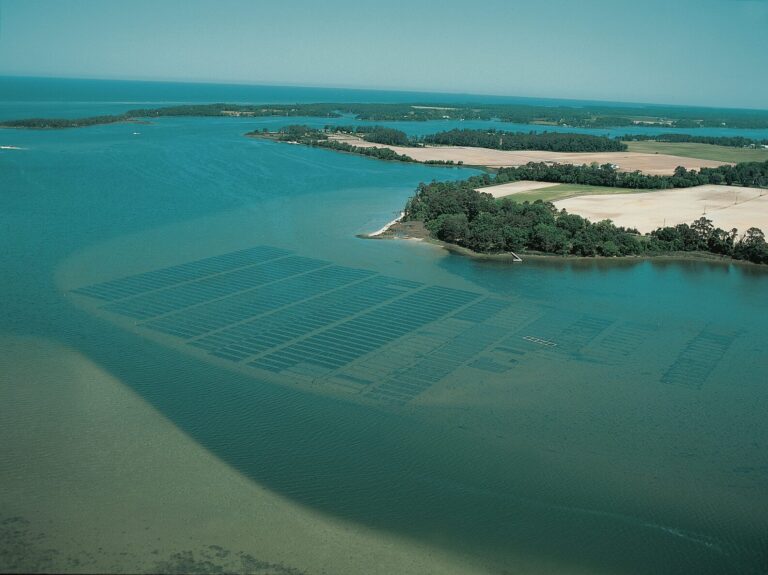
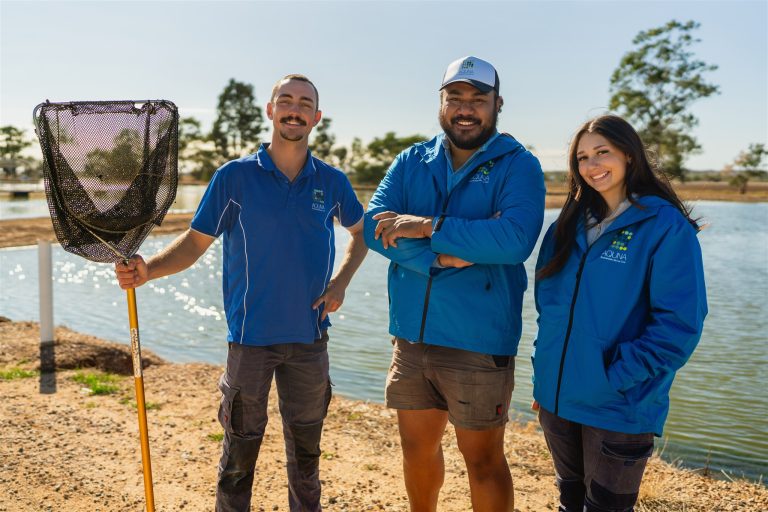
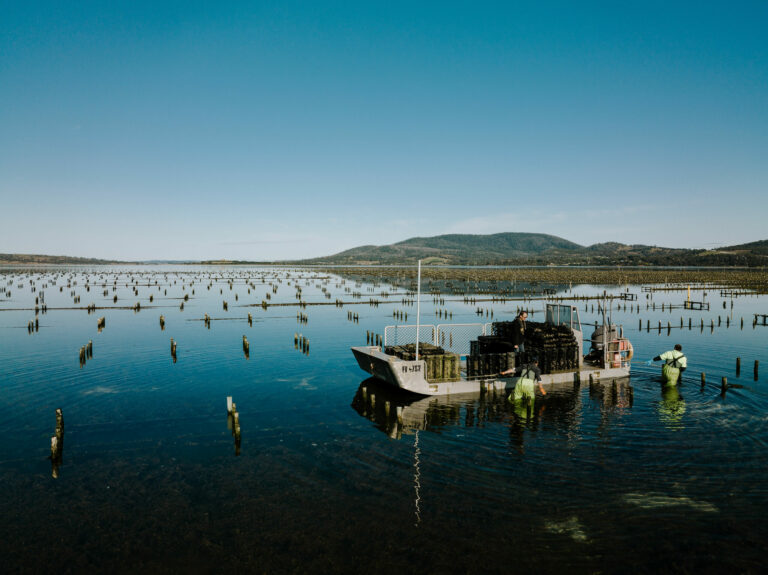
Featured image for Yumbah Aquaculture Is World’s First BAP-Certified Oyster Producer in Australia

Yumbah Aquaculture Is World’s First BAP-Certified Oyster Producer in Australia

Yumbah Aquaculture, an Australia-based vertically integrated shellfish producer, has become the first oyster producer in Australia to attain Best Aquaculture Practices (BAP) certification, the Global Seafood Alliance (GSA) has announced. Yumbah produces multiple shellfish species – including oysters, abalone and mussels – from farms in Tasmania, Victoria, South Australia and New South Wales. Yumbahattained BAP 

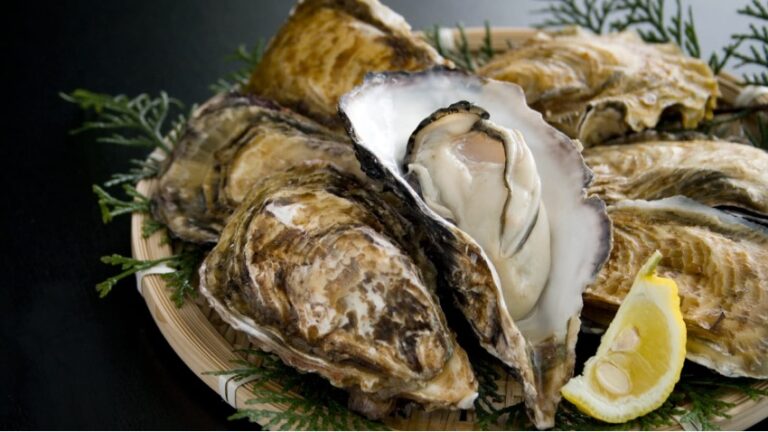
Featured image for Harimanada Co., Ltd. is World’s First BAP-Certified Oyster Producer in Japan

Harimanada Co., Ltd. is World’s First BAP-Certified Oyster Producer in Japan

Harimanada Co., Ltd., located in the Harima Sea in the southwest of Hyogo Prefecture, has become the world’s first Best Aquaculture Practices (BAP)- certified oyster producer in Japan with the certification of its processing plant. The Harima Sea offers a unique environment for growing oysters, with nutrient-rich waters from five rivers known as the “Harima 

Featured image for From Our Expert Network: The Future of the BAP Feed Mill Standard

From Our Expert Network: The Future of the BAP Feed Mill Standard

GSA’s Steve Hart discusses his background in aquaculture feeds and what’s next for the BAP Feed Mill Standard. Let’s take a moment and look at where everything in the aquaculture supply chain truly begins: feeds. I think it’s widely recognized that the Best Aquaculture Practices (BAP) certification program involves audits of hatcheries, farms, processing plants 

Featured image for GSA Certification Programs Grew 5% in 2024, with 88% Retention Rate

GSA Certification Programs Grew 5% in 2024, with 88% Retention Rate

Global Seafood Alliance’s (GSA) third-party certification programs, Best Aquaculture Practices (BAP) and Best Seafood Practices (BSP) grew 5 percent in 2024, ending the year with a total of 4,168 facilities in 45 countries. The overall retention rate was 88 percent. Of the total 4,168 facilities, 540 are processing plants (including farmed and wild capture), 3,132 

Featured image for Study Shows Most Chinese Consumers Willing to Pay More for BAP Products

Study Shows Most Chinese Consumers Willing to Pay More for BAP Products

Global Seafood Alliance (GSA) recently conducted a survey of more than 3,000 consumers in China to better understand consumer purchasing decisions and the awareness of the Best Aquaculture Practices (BAP) label. A total of 3,079 consumers were surveyed by a third party, with more than half of survey respondents being 30 years old or younger.