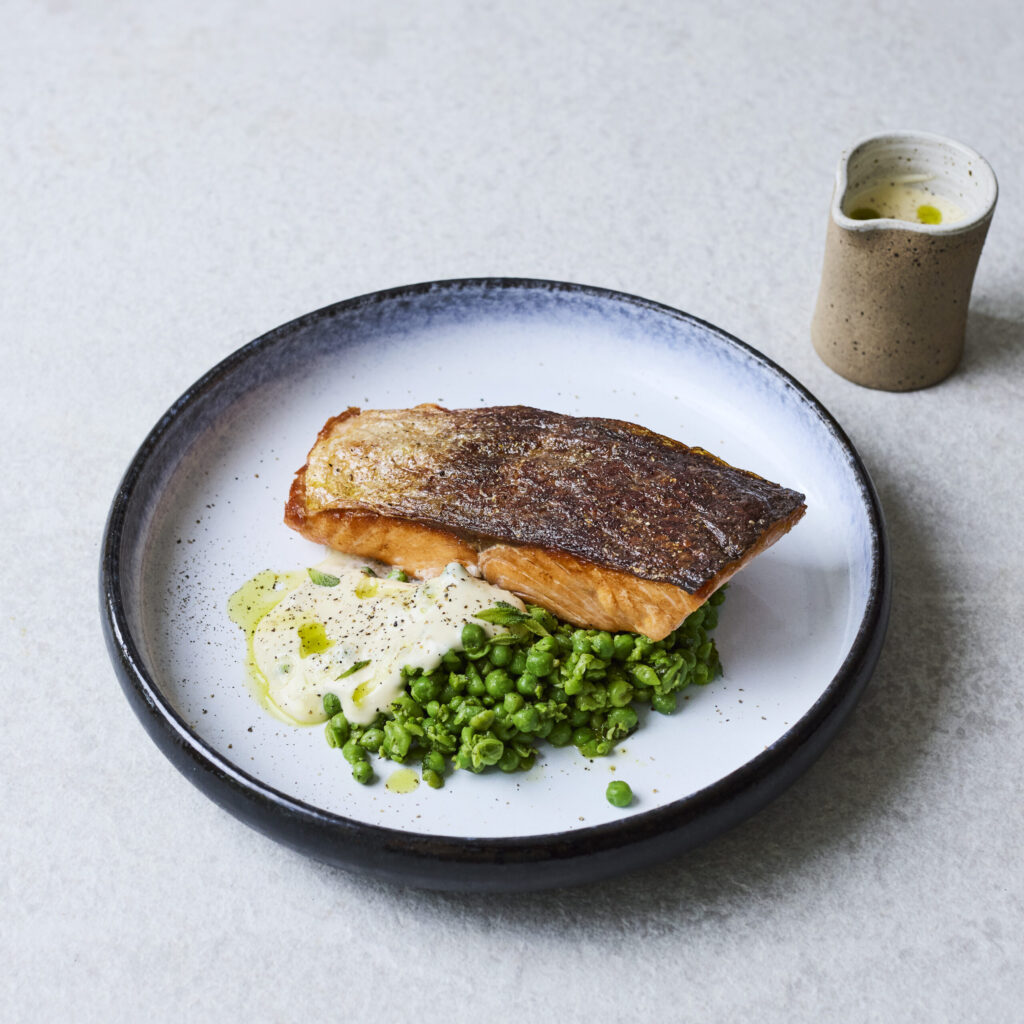
BAP Spotlight Story: Yumbah Aquaculture
This Best Aquaculture Practices (BAP) spotlight story features Yumbah Aquaculture, Australia’s largest privately owned aquaculture company that produces abalone, mussels, oysters and Yellowtail Kingfish. Yumbah currently has oyster farms and a processing plant certified to BAP standards.
GSA: What inspired you to become involved in the seafood industry?
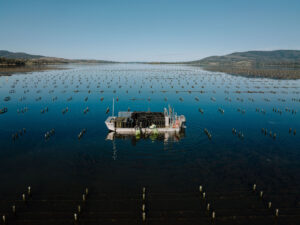
Yumbah Aquaculture: At Yumbah, our inspiration comes from a deep connection to Australia’s coastal environments and the opportunity to produce premium seafood in a way that respects and enhances those
ecosystems. Aquaculture allows us to work with nature, cultivating species that reflect the purity and character of the waters they come from. We are driven by the belief that responsibly farmed seafood plays a critical role in feeding a growing global population, while supporting healthier oceans and more sustainable food systems. That balance between quality, sustainability and purpose is what continues to inspire our work every day.
GSA: Tell us more about your company.
Yumbah Aquaculture: Yumbah Aquaculture is Australia’s largest, privately owned aquaculture company, producing premium Abalone, Mussels, Oysters and Yellowtail Kingfish from pristine farming regions across the country. With a fully integrated model spanning hatchery, nursery, grow-out and processing, Yumbah maintains complete oversight of quality, consistency and sustainability at every stage.
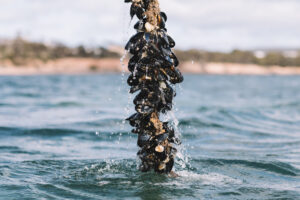
Our operations are built on a foundation of innovation, craftsmanship and respect for the environment. From our Tasmanian Oyster farms to our Mussel operations in Port Lincoln and the Mornington Peninsula, each product reflects the unique conditions of its origin.
As a vertically-integrated aquaculture business, Yumbah has invested heavily in technology, research and farming practices that enhance both product quality and environmental outcomes. This includes advanced hatchery programs, precision farming techniques and innovative processing methods such as rapid freezing technologies to preserve freshness and flavour.
Our Blue Mussel operations, including Kinkawooka Mussels in Port Lincoln, are a strong example of this approach, combining farming systems with natural advantages of nutrient-rich waters.
Similarly, our Pacific Oyster operations in Tasmania are supported by our own spat production, ensuring consistency from seed to harvest. This end-to-end capability allows Yumbah to partner closely with customers across retail, foodservice, and export markets, delivering reliable supply and tailored solutions backed by strong provenance and sustainability credentials.
GSA: How is your company involved in the local community?
Yumbah Aquaculture: Yumbah’s operations are deeply connected to the regional communities in which we farm. From Tasmania, New South Wales, South Australia and Victoria, we work closely with local suppliers, service providers and industry partners to support regional economies and create long-term employment opportunities.
We also actively engage with the broader seafood industry and community through collaboration, education and knowledge sharing. This includes supporting industry programs, contributing to sustainable aquaculture practices and working alongside organisations that promote responsible seafood production.
At a local level, our teams take pride in being part of their communities, whether that’s through partnerships, events or simply ensuring that our operations positively contribute to the environments and regions we operate in. For us, strong communities and healthy ecosystems go hand in hand.
GSA: Why did your company choose to attain BAP certification?
Yumbah Aquaculture: Yumbah pursued Best Aquaculture Practices (BAP) certification as a natural extension of our commitment to producing seafood responsibly and transparently. BAP is globally recognised and
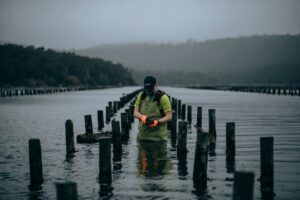
uniquely comprehensive, covering the entire production chain, from hatchery through to processing, and assessing key areas such as environmental responsibility, animal welfare, food safety and social accountability.
Achieving BAP certification for our Tasmanian Oyster farm, the first in Australia, and extending this across our Mussel operations, provides independent verification that our practices meet the highest international standards.
Importantly, BAP is not a one-time achievement, but a framework for continuous improvement. It has strengthened our internal systems, enhanced traceability and reinforced a culture of accountability across our operations. For our customers, it offers confidence and assurance that Yumbah seafood is produced with integrity, care and global best practice at its core.
GSA: Why do you love working in seafood?
Yumbah Aquaculture: Working in seafood offers a unique connection between environment, food and community. At Yumbah, we have the privilege of producing a product that is not only highly nutritious and versatile, but also one of the most sustainable protein sources available. There is a strong sense of purpose in knowing what we do supports healthier lifestyles, regional communities and the long-term sustainability of marine ecosystems. The industry is also dynamic and innovative, constantly evolving through new technologies, farming methods and market opportunities. For us, it goes beyond producing high quality seafood – it’s about contributing to a better food system while showcasing the best of Australia’s coastal environments.
GSA: What else would you like us to know?
Yumbah Aquaculture: At Yumbah, sustainability is not a single initiative, it is embedded across everything we do. From farming species like Blue Mussels that actively improve water quality, to operating hatcheries that reduce pressure on wild stocks, our approach is designed to support both environmental and industry resilience. We are proud to be leading the way in certified, responsibly farmed seafood in Australia, and to be part of a global movement, alongside organisations like the Global Seafood Alliance, that is working to raise standards across aquaculture. As demand for high-quality, sustainable protein continues to grow, we see aquaculture, and certification programs like BAP, playing an increasingly important role in shaping the future of food.