What Is Aquaculture and Why Do We Need It?
Editor’s note: This post is part of the Aquaculture 101 series. Aquaculture 101 is an educational campaign that the GSA is carrying out throughout 2019. The mission of the campaign is to spread awareness about basic aquaculture facts and information to those who might not know about aquaculture, or those who might be skeptical of farmed fish. Each month, a blog post, short video, and infographic is released on the GSA website and is shared across social media with the hashtag #Aquaculture101.
By 2030, 62 percent of all seafood produced for human consumption will come from aquaculture. Today, it’s about 50 percent. So, what is aquaculture?
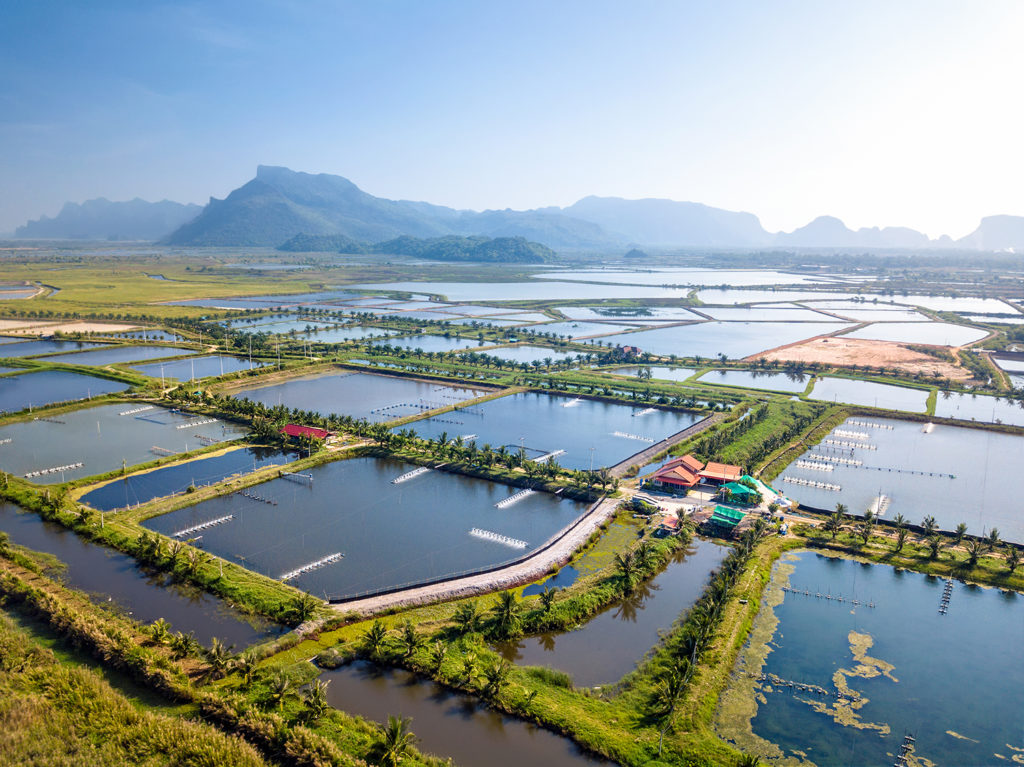
Aquaculture is the controlled process of cultivating aquatic organisms, especially for human consumption. It’s a similar concept to agriculture, but with fish instead of plants or livestock. Aquaculture is also referred to as fish farming. The seafood that you find at your local grocery store is likely labeled as farmed fish. Aquaculture can happen all over the world, and it does: in coastal ocean waters, freshwater ponds and rivers, and even on land in tanks.
How does it work?
The methods of aquaculture’s farm-to-table process can differ from species to species. Generally, there are four stages of the production chain, starting in hatcheries and ending at the seafood counter in your grocery store.
Each of these stages can vary with respect to its effect on the environment and the quality and safety of the seafood they produce, which is why the Global Seafood Alliance administers the Best Aquaculture Practices (BAP) third-party certification program. In the past, fish farms have had issues with respect to these four aspects of aquaculture, and BAP seeks to improve the fish farming industry across the globe. This is the only certification program that covers every step of the supply chain. You can be sure your seafood was farmed responsibly if it has the BAP logo on it!
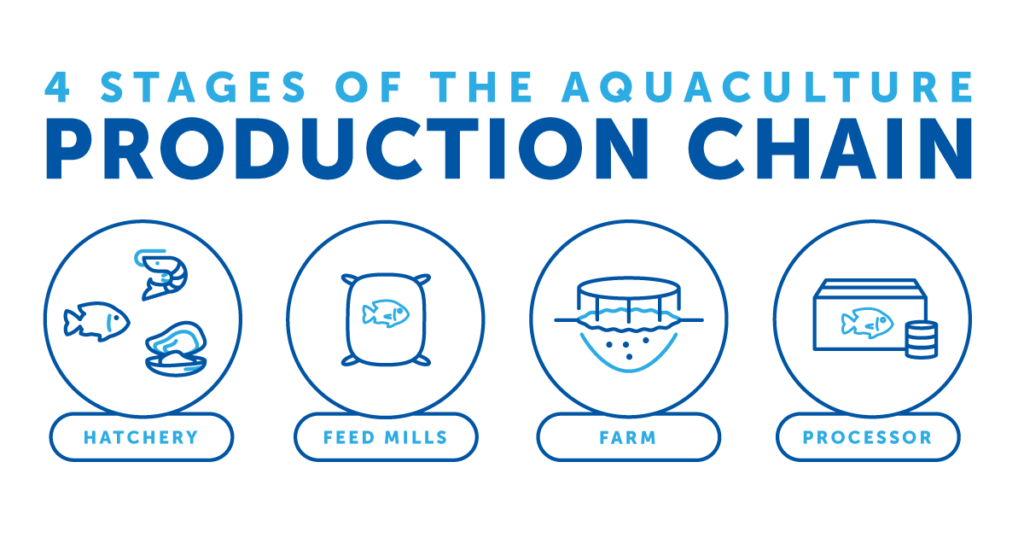 The first stage in the aquaculture production chain is the hatchery. This is where the breeding of fish, hatching of eggs and rearing of fish through the early life stages happens. Once the animals are mature enough, they are transferred to the farm, where they are grown to harvest size, using feed produced at feed mills (another stage of aquaculture). The fish are then transported to a processing facility, where they are packaged and sent to food retailers and grocery stores. That’s where you come in.
Why is it important?
 Given that overfishing of our oceans and other natural resources is continuously increasing year over year, humans need alternate sources for seafood to feed the planet’s ever-growing population. “Unfortunately, the days of the ocean’s natural productivity providing for the planet is over. Wild fish have been exploited for generations. Some estimate that the annual catch of edible marine protein has already passed its peak. The oceans cannot naturally provide the demand for seafood” (Positive Aquaculture Awareness). Aquaculture is the tool to fill in the gap of seafood supply. Farming fish responsibly and sustainably is the solution to providing future generations with access to healthy and environmentally friendly protein options.
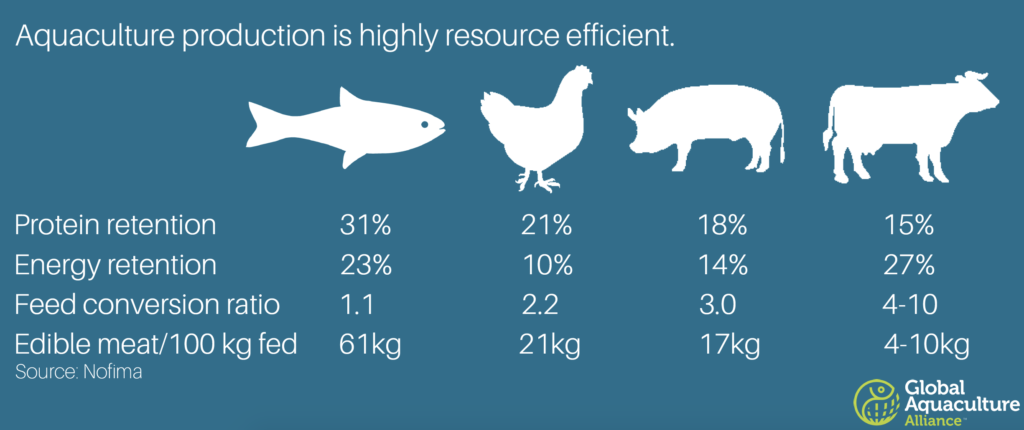
Not only is aquaculture necessary, it is also a sustainable option for consumers, especially in comparison to other farmed proteins. Seafood is highly resource efficient — it has the highest protein retention compared to chicken, pork and beef. It also has the lowest feed conversion ratio among the same forms of protein. Aquaculture has lower greenhouse gas emissions than other types of farming.
 With an anticipated 10 billion people expected to inhabit the planet by 2050, the demand for animal protein will increase by 52 percent. Sustainable and healthy approaches to feeding the world are more critical than ever before. In order to sustainably feed the world’s growing population with a healthy, lean protein, aquaculture’s role is of the utmost importance. The primary responsibility of aquaculture is to efficiently complement wild-caught fish options to increase the amount of seafood available worldwide.
Aquaculture has the potential to improve the health of our planet and the health of our population, as long as it is done in a manner that is environmentally friendly, socially responsible, and considers food safety and animal welfare.
Learn more in our “What is aquaculture and why is it important?” video.

Frequently Asked Questions
What types of seafood are farmed through aquaculture?
Aquaculture produces a wide variety of seafood, including popular fish such as salmon, tilapia, trout, and catfish, as well as shrimp, oysters, mussels, and clams. It is estimated that there are over 500 species farmed via aquaculture. A large concentration of aquaculture production is comprised of a few species: just 17 species account for 60% of global production. Aquaculture also includes the cultivation of aquatic plants, such as seaweed. These species are raised in different environments, including freshwater ponds, coastal waters, ocean pens, and land-based tanks, depending on their needs.
Is farmed seafood safe to eat?
Yes, responsibly farmed seafood can be a safe, healthy, and nutritious choice. Like wild-caught seafood, farmed seafood must be properly handled, stored, and prepared to reduce food safety risks. Aquaculture producers can implement practices that address water quality, animal health, and food safety throughout production. Independent certification programs, such as Best Aquaculture Practices (BAP), help verify that participating facilities meet established food safety and responsible production standards.
Is aquaculture good or bad for the environment?
Aquaculture can provide when managed responsibly, but its impact depends on the species, farming methods, and location. Responsible aquaculture practices aim to protect water quality, reduce waste, conserve natural habitats, and support healthy aquatic ecosystems. Some types of aquaculture, such as oyster, mussel, and seaweed farming, can even help improve water quality by removing excess nutrients. Poorly managed operations, however, can contribute to pollution, habitat damage, and disease transmission.
How can I tell if seafood is farmed or wild-caught?
When shopping for seafood, check the product label or seafood counter for terms such as “farm-raised,” “farmed,” or “wild-caught.” In the United States, most grocery stores are required to identify whether covered fresh or frozen fish and shellfish are farm-raised or wild-caught. You can also ask your seafood retailer or restaurant about where and how its seafood was produced. Looking for third-party certification labels can provide additional information about responsible production practices.
How do I know if farmed seafood is responsibly produced?
One way to identify responsibly produced farmed seafood is to look for independent certification labels, such as the Best Aquaculture Practices (BAP) label. BAP certification evaluates facilities against standards addressing environmental responsibility, social accountability, food safety, and animal health and welfare. Certified facilities undergo independent third-party audits to verify compliance with applicable standards. Choosing certified seafood helps consumers support producers committed to responsible aquaculture practices.
What do farmed fish eat?
Farmed fish are typically fed specially formulated diets designed to meet their nutritional needs and support healthy growth. Depending on the species, these feeds may contain fishmeal, fish oil, plant-based proteins, grains, and other essential nutrients. Aquaculture feed producers are also developing alternative ingredients, including algae and insect-based proteins, to reduce reliance on wild-caught fish. Some farmed species, such as oysters and mussels, naturally filter their food from the surrounding water and do not require manufactured feed.
Do fish farms use antibiotics or chemicals?
Some aquaculture operations use approved medications, including antibiotics, to treat bacterial infections and protect animal health when necessary. However, responsible producers emphasize disease prevention through good water quality, proper nutrition, monitoring, and other animal health practices. The use of medications is subject to applicable regulations, and certification programs such as BAP establish additional requirements for responsible treatments and prohibit banned substances. Not all farmed seafood is treated with antibiotics.
Does farmed seafood taste different from wild-caught seafood?
Farmed and wild-caught seafood can differ in flavor, texture, and fat content, but neither is inherently better. Taste can be influenced by the species, diet, environment, freshness, and preparation method. For example, farmed and wild salmon may have different fat levels, which can affect their flavor and texture. Both farmed and wild-caught seafood can offer delicious options for consumers, depending on individual preferences.
Can aquaculture help protect wild fish populations?
Yes. By producing additional seafood through farming, aquaculture can help meet growing demand without relying entirely on wild-caught fisheries. This can reduce some pressure on wild fish populations, particularly when aquaculture is responsibly managed. However, aquaculture is not automatically a substitute for sustainable fisheries management. Its environmental benefits also depend on factors such as feed sourcing, farm location, and preventing impacts on surrounding ecosystems. Responsible aquaculture and well-managed wild fisheries both play important roles in meeting global seafood demand.
Is farmed seafood as nutritious as wild-caught seafood?
Yes. Both farmed and wild-caught seafood can provide high-quality protein, essential vitamins, minerals, and beneficial omega-3 fatty acids. Nutritional differences depend on the species, diet, and production environment. For example, some farmed fish may contain higher levels of total fat, while omega-3 concentrations can vary between farmed and wild varieties. Both are nutritious options that can be part of a healthy, balanced diet.