Omega-3 Nutrition in Shrimp Diets: Profitability, Sustainability, and Market Value
 This blog post features one of GSA’s Corporate Members, Veramaris. We thank Veramaris for their support of the work GSA does to advance responsible seafood practices.
Global farmed shrimp production was projected to reach six million metric tons in 2025, according to Rabobank. This volume represents the industry’s exponential growth of 500% over the last five decades. Shrimp remains one of aquaculture’s most important species, supporting food security, rural economies, and global protein supply.
Shrimp farming is hard. It is physically demanding, technically complex, and biologically unforgiving. Disease pressure, environmental stress, and narrow margins leave little room for error. New research shows that shrimp nutrition, specifically dietary levels of EPA & DHA, can strengthen shrimp health while delivering benefits that matter from feed to plate and for a food system under real strain.
EPA & DHA in a changing production landscape

Shrimp, like people, have a very limited ability to synthesize EPA & DHA on their own. These long-chain Omega-3 fatty acids are essential for everyday biological function but they must be supplied through the diet. In shrimp, EPA & DHA support key systems that underpin health and performance on the farm including nervous system function, cellular integrity, and critically, immune response.
For decades, fish oil has been the traditional source of EPA & DHA used in aquaculture feeds, and it was sufficient to meet the needs of a much smaller global industry. As aquaculture production expands, demand for EPA & DHA is increasing significantly, while the availability of fish oil from wild capture sources remains largely flat.
When access to essential nutrients becomes constrained or volatile, it introduces risk to feed formulation consistency, farm performance, and long-term supply reliability. Ensuring stable access to EPA & DHA is therefore not only a nutritional consideration, but a systems-level vulnerability for an industry that needs to perform reliably year-round.
Marine algae are the original source of EPA & DHA. By cultivating and harvesting these nutrients directly, algae-based Omega-3s help stabilize access to EPA & DHA as aquaculture continues to scale. That stability supports healthier animals, more predictable farming outcomes, and seafood that continues to deliver recognized nutritional value to people — while reducing reliance on finite wild fish resources.
With that foundation in place, the question becomes not whether EPA & DHA matter, but how improving access to them shows up in real-world farm performance — especially when shrimp are under pressure.
Why Omega-3 nutrition matters for shrimp health
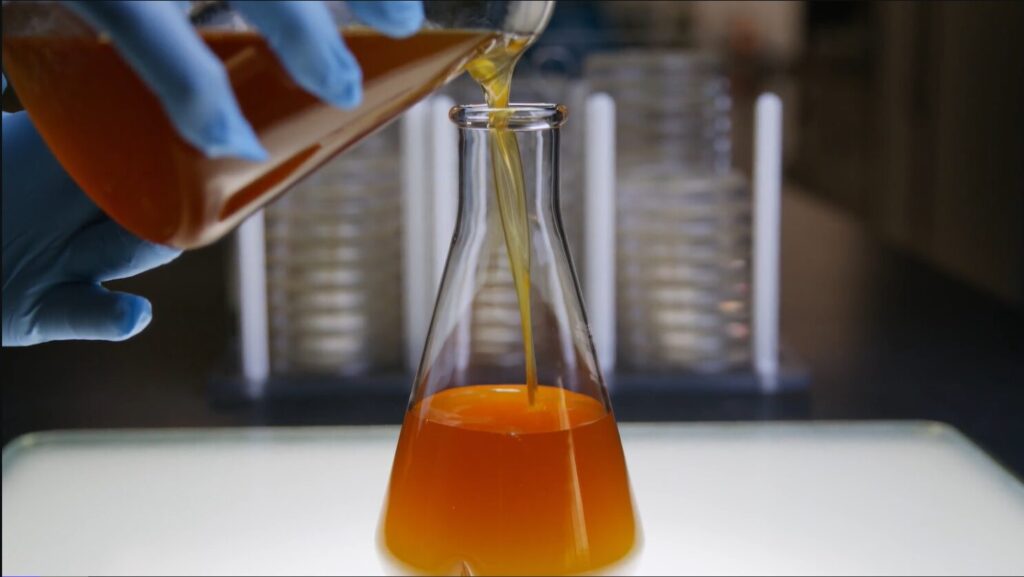
Shrimp rely entirely on innate immunity. Without an adaptive immune system or antibodies, they depend on circulating immune cells — hemocytes and granulocytes — to respond to disease and environmental stress.
To evaluate how Omega-3 nutrition affects shrimp physiology and performance, tank trials were conducted with Pacific whiteleg shrimp (Litopenaeus vannamei). Three experimental diets were evaluated:
- A control diet with 0.4% EPA & DHA – a level commonly seen in commercial shrimp farming
- A diet with 1% EPA & DHA from blended sources (fish oil + algal oil)
- A diet with 1% EPA & DHA from algal oil only
Shrimp were stocked at 0.6 g and reared for 56 days before facing disease and stress challenges, including Acute Hepatopancreatic Necrosis Disease (AHPND) and acute salinity stress.
Stronger immune response, better survival
AHPND remains one of the most significant disease challenges in shrimp farming. In the trials, shrimp fed diets containing 1% EPA & DHA showed up to 23% lower cumulative mortality following AHPND challenge compared with shrimp fed the control diet.
Under acute salinity stress, shrimp receiving higher EPA & DHA also showed delayed onset of mortality. These responses indicate improved resilience to both biological and environmental stressors.
Immune profiling supported these findings. Shrimp fed higher EPA & DHA diets showed increases in total hemocyte counts of 26–54% and granulocyte populations of 29–51%. In species that rely entirely on innate immunity, greater immune cell availability supports improved defense capability.
Efficiency that supports sustainability
Improved survival has implications beyond individual farm performance. When mortality declines, production efficiency improves across the entire system.
Life-cycle modeling using established feed-to-farm assessment tools showed that increasing dietary Omega-3 levels from 0.4% to 1% reduced carbon footprint per unit of shrimp harvested by 5.3% under standard production conditions. Under AHPND challenge, footprint reductions reached up to 15%.
These reductions were driven by improved survival. When fewer animals are lost to disease or stress, the feed, energy, and infrastructure required to raise them are more effectively utilized. The environmental impact per kg harvested declines as overall system efficiency improves.
For farmers, sustainability is measured in outcomes: stronger harvests, greater predictability, and reduced volatility under biological pressure. Supporting shrimp resilience through nutrition strengthens both farm economics and environmental performance.
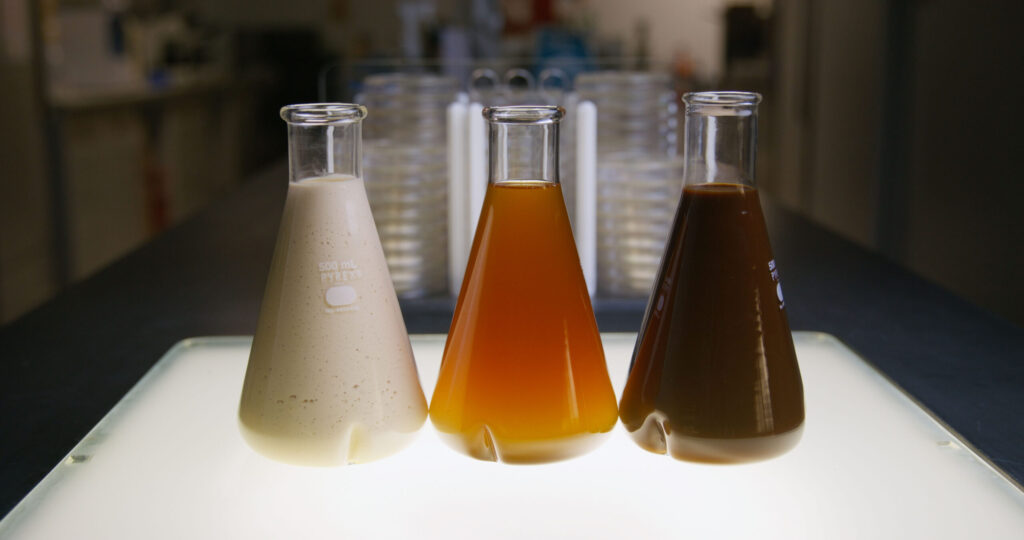
Nutrition on your plate
EPA & DHA are well recognized for supporting cardiovascular health, cognition, vision, and immune function in people. Shrimp is already valued as a lean, reliable protein source. Increasing Omega-3 content strengthens its nutritional profile without changing the eating experience.
In the same trials, shrimp fed higher EPA & DHA diets showed increased Omega-3 deposition in tail muscle — from approximately 100 mg/100 g in the control group to roughly 180 mg/100 g in enriched diets.
This represents a meaningful increase in nutritional density at a time when consumers consistently report choosing seafood for health benefits. According to the FMI Power of Seafood study, more than 90% of frequent and occasional seafood consumers believe seafood is good for them.
Nutrition-forward production reinforces that belief while maintaining the flavor, texture, and preparation qualities consumers expect.
Market relevance over time
Consumers consistently report choosing seafood for health. According to the FMI Power of Seafood study, more than 90 percent of frequent and occasional seafood consumers believe seafood is good for them. Nutrition-forward production reinforces that belief without asking shoppers to rethink the category.
For buyers, the checklist is clear:
- healthier animals
- lower waste
- stronger nutritional profile
- consistent product performance
Those attributes tend to hold value over time.
Better nutrition pays off

Elevating dietary EPA & DHA from 0.4% to 1% supports immune function at the cellular level, improves survival under biological and environmental stress, enhances feed and resource efficiency, and increases Omega-3 deposition in the final product.
The outcomes are tangible: improved survival, more consistent harvests, reduced environmental footprint per kg produced, and enhanced nutritional value for consumers.
Better nutrition is not simply a feed formulation adjustment. It is a systems-level decision that strengthens animal health, production efficiency, and food quality — contributing to a more resilient and reliable seafood supply.
Thanks for being a member, Veramaris!