Intelligence
From space to shellfish: How satellites are mapping Maine’s oyster farming future
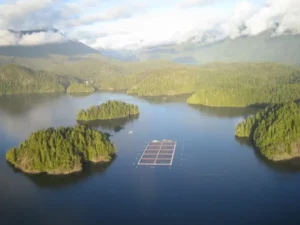
Oyster farming in Maine is advancing with satellite data that helps farmers predict oyster growth, optimize farm sites and reduce risk.
Intelligence
Oyster farming in Maine is advancing with satellite data that helps farmers predict oyster growth, optimize farm sites and reduce risk.
Health & Welfare
This review of aquaculture literature examines RNA interference in disease prevention, probiotics for shrimp and feed encapsulation technology.
Intelligence
Challenges and opportunities arise as wars, tariffs, shipping disruptions and a volatile energy market have seafood companies rethinking everything.
Innovation & Investment
A NOAA-funded collaboration is developing marine fish breeding methods that could expand aquaculture research and commercial applications.
Innovation & Investment
Researchers tested microalgae protein in ketchup, finding moderate amounts boosted nutrients without significantly changing its flavor.
Fisheries
A new DFO study finds season length could be an effective tool for managing Maritime lobster fisheries as ocean conditions change.
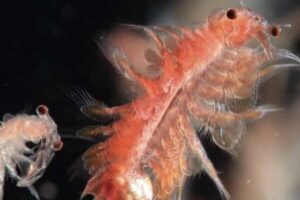
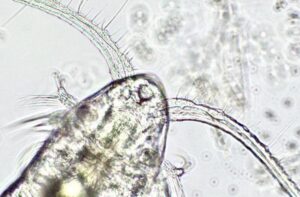
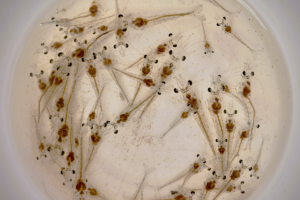
Growing demand for Artemia could outpace wild supplies, according to World Bank reports calling for expanded controlled production.
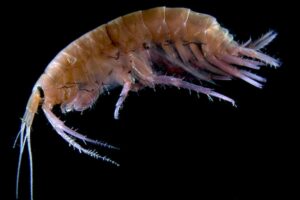
A University of Aveiro study found marine amphipods can convert agricultural waste into omega-3-rich aquaculture feed ingredients.
A new study found nitrogen isotopes could improve seafood traceability by verifying fishmeal use in farmed fish.
A Swedish project is testing whether light-guided shrimp fishing can reduce the environmental impacts of bottom trawling.
This review of recent fisheries literatures explores population dynamics of mahimahi, marine protected areas and sea scallop adaptation.
Climate resilience could help U.S. fisheries reduce climate risks, recover faster and improve long-term competitiveness, researchers say.
Precision aquaculture, powered by real-time monitoring systems, is revolutionizing how fish farmers approach feed management.
Australia’s national science agency, CSIRO, has been awarded the right to host the next International Symposium on Fish Nutrition and Feeding (ISFNF XXII) in Darwin, Northern Territory, Australia in May 2026.
Sightline Systems' new AQUA Sightline 2.0 is latest wave of artificial intelligence applications designed specifically for aquaculture.
German biotech AquaNab is developing a treatment delivered through aquaculture feed to help salmon farmers control sea lice.
New artificial intelligence research shows real-time fish counting can improve aquaculture monitoring, feeding and stock management.
This review of recent aquaculture literature looks at strategies to transform shrimp aquaculture, unlocking functional benefits in aquafeeds and more.
Canadian start-up Clean Valley brings containerized wastewater sanitizing cleaning system and portable oyster hatcheries to Brunei and beyond.
An offshore aquaculture demonstration in the Gulf of Mexico received its final permit after an eight-year review process.
Harrisburg University students designed a prototype oyster aquaculture system for future space missions and life support research.
Artificial intelligence helped researchers uncover a global rise in floating algal blooms that could affect marine ecosystems and fisheries.
Germany is emerging as a global aquaculture innovator, using its expertise in engineering, RAS, AI and research to shape the industry’s future.
This overview of Asian sea bass, or barramundi, farming in India discusses production, operational bottlenecks, and priority improvements for growth.
Marine heatwaves could disrupt seafood supplies, fuel harmful algal blooms and pose growing physical and mental health risks, a study finds.
A seaweed-inspired mesh removed large and small microplastics in lab tests, offering a potential new tool for reducing marine plastic pollution.
Smart energy management cut electricity use and carbon dioxide while maintaining safe oxygen levels in simulated recirculating aquaculture systems.
Estudio cuantifica dos décadas de mejora genética del crecimiento en la dorada utilizando datos de un programa de cría comercial a gran escala en Grecia.
Para mitigar los riesgos asociados a los compuestos nitrogenados en la acuacultura, son fundamentales el monitoreo de la calidad del agua, una gestión adecuada y la comprensión de las necesidades de las especies.
La regulación epigenética es un mecanismo fundamental que permite a las bacterias causantes de la enfermedad de Columnaris adaptarse a situaciones de ayuno prolongado.