


Biofilter in a box: Startup’s solution cleans aquaculture wastewater enough to farm oysters in it

Canadian startup Clean Valley brings containerized wastewater sanitizing cleaning system and portable oyster hatcheries to Brunei and beyond
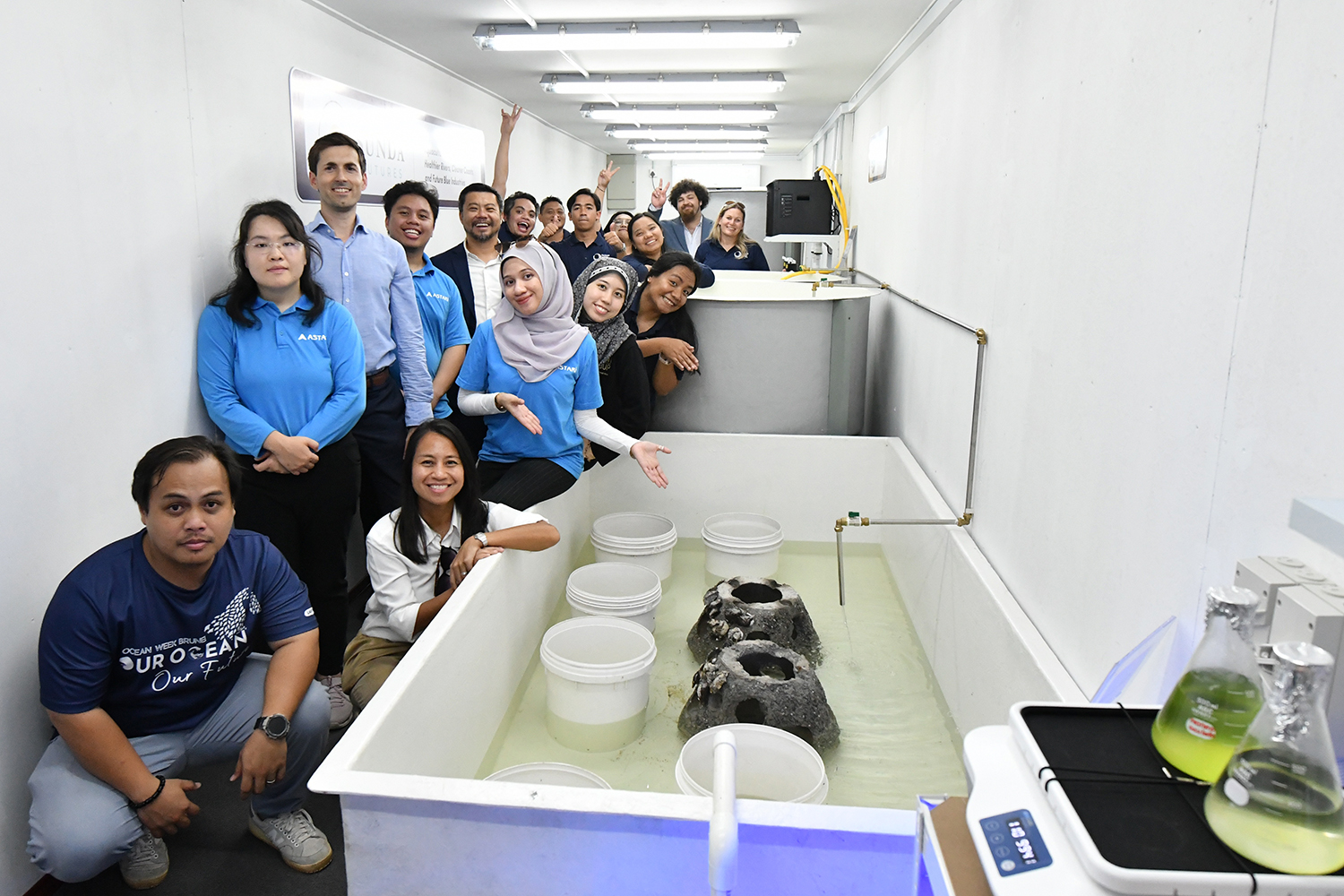
Before Nicholas LaValle had the opportunity to reform how Brunei’s aquaculture sector treated its water resources, he had to first find the country on a map. Brunei Darussalam is a sovereign sultanate sitting on the edge of Malaysia, with an economy almost totally reliant on petroleum – something the country wants to change.
“They’re looking to invest heavily in the aquaculture industry, because fish is a major part of their culture and it’s also a major part of the regional trade that’s happening in ASEAN,” LaValle told the Advocate.
The Brunei project is one of a growing global portfolio for Clean Valley, a Nova Scotia-based aquaculture startup that LaValle, the CEO, co-founded. The company’s patented microalgae biofilter system cleans aquaculture wastewater well enough to grow oysters inside the treatment process, while its portable hatcheries are designed to expand oyster production as an environmental remediation project that could help make the industry more resilient. Currently, most aquaculture producers in Brunei focus on market favorites like Pacific white shrimp (Penaeus vannamei) and barramundi, the Asian sea bass (Lates calcarifer).
The algae biofilter works in four steps. The first is pretreating aquaculture wastewater, using sensors to assess its content and regulate the speed of the treatment. Bacteria are used to break down large waste particles, and anything too large to be broken down is captured in a sieve.
![Ad for [membership]](https://www.globalseafood.org/wp-content/uploads/2025/07/membership_web2025_1050x125.gif)
The next chamber contains two strains of microalgae. Inside is a mechanism that mimics ocean waves so that the wastewater, bacteria and microalgae are constantly mixing. The microalgae and water are moved to the next chamber, where the oysters are hanging on vertical supports and filtering the microalgae that was used to treat the water.
Lastly, sensors are used to assess the resulting water quality. If the water isn’t up to par, it goes back through the system again. If it’s clean, it’s filtered one last time using UV filters, and then it’s ready for reuse.
“We’re using microalgae as a way to consume that nitrate and phosphorus in the same way it’s being turned into food within the oceans, the lakes and rivers,” said LaValle. “We’re really just mimicking the life cycle of the ocean and we’re containerizing it in a box.”
The resulting clean water can be reused, which is particularly important for fish farms in highly regulated places like the European Union (EU), where there are strict limits on the amount of water a facility can use, or in regions experiencing water scarcity, added LaValle.
Clean Valley’s bioalgae system, LaValle said, “creates more value for the fish farmer. We’re treating part of the water they can’t currently clean, the stuff that they’re dumping down the drain or dumping into an ocean or river or trucking it to be treated at a specialized facility.”
The oyster hatchery (which also includes the biofilter) is a response to rising ocean temperatures, increasing ocean pollution, and an increase in parasites, like MSX and dermo in places like PEI.
Could floating cages revitalize an oyster farming industry decimated by the MSX parasite?
Although the Maritimes has many established oyster farms, most are small scale, and there are few hatcheries to provide seed, facts that expose the industry to enormous risk, said LaValle.
“If we don’t get more oyster hatcheries out there in the Maritimes, we might see the decimation of this industry,” he says.
One way to improve oyster survival rates, LaValle said, is waiting until sprat grow into larger juveniles before they’re put in a grow-out environment. The Clean Valley hatchery acts as a nursery, where the oysters grow to around 19 millimeters, which makes them more resilient to parasites and diseases.
“The nursery aspect is something that we’re seeing from the oyster industry as a huge requirement,” says LaValle.
Both Clean Valley systems are modular, moveable and stackable. Instead of a farmer buying units outright, they can pay a monthly fee over a multi-year contract period.
Global oyster ambitions
Clean Valley currently has six projects underway, including the one in Brunei, where they partnered with local company Poni Group and in June inaugurated the first hatchery. The plan is to fabricate the hatchery units in Brunei and export them within the region. There’s been interest from ASEAN member countries, said Thye Wong, Poni’s founder and CEO.
“We were looking to represent the brand here in Brunei and also in the wider ASEAN region,” said Wong. “Commercially, we’re looking at how we can expand beyond our borders and some of the technology is really interesting because that’s not so big in this part of the world yet.”
The local oyster industry is very small, Wong said, but there are already three new oyster farms in the planning stages, a fortuitous coincidence.
They are still working on some of the details. For example, there isn’t a reliable source of sprat or a commercially viable oyster species that grows well in the local waters with their warm temperatures. The local oysters are large and brown, whereas the market prefers the smaller, creamy imported oysters. The Clean Valley hatchery could help start their own oyster breeding programs that would crossbreed the local mangrove oysters with an imported species.
“We would be able to get something here that grows well in our water temperature, that can grow fast, and that has a high commercial value,” Wong said.
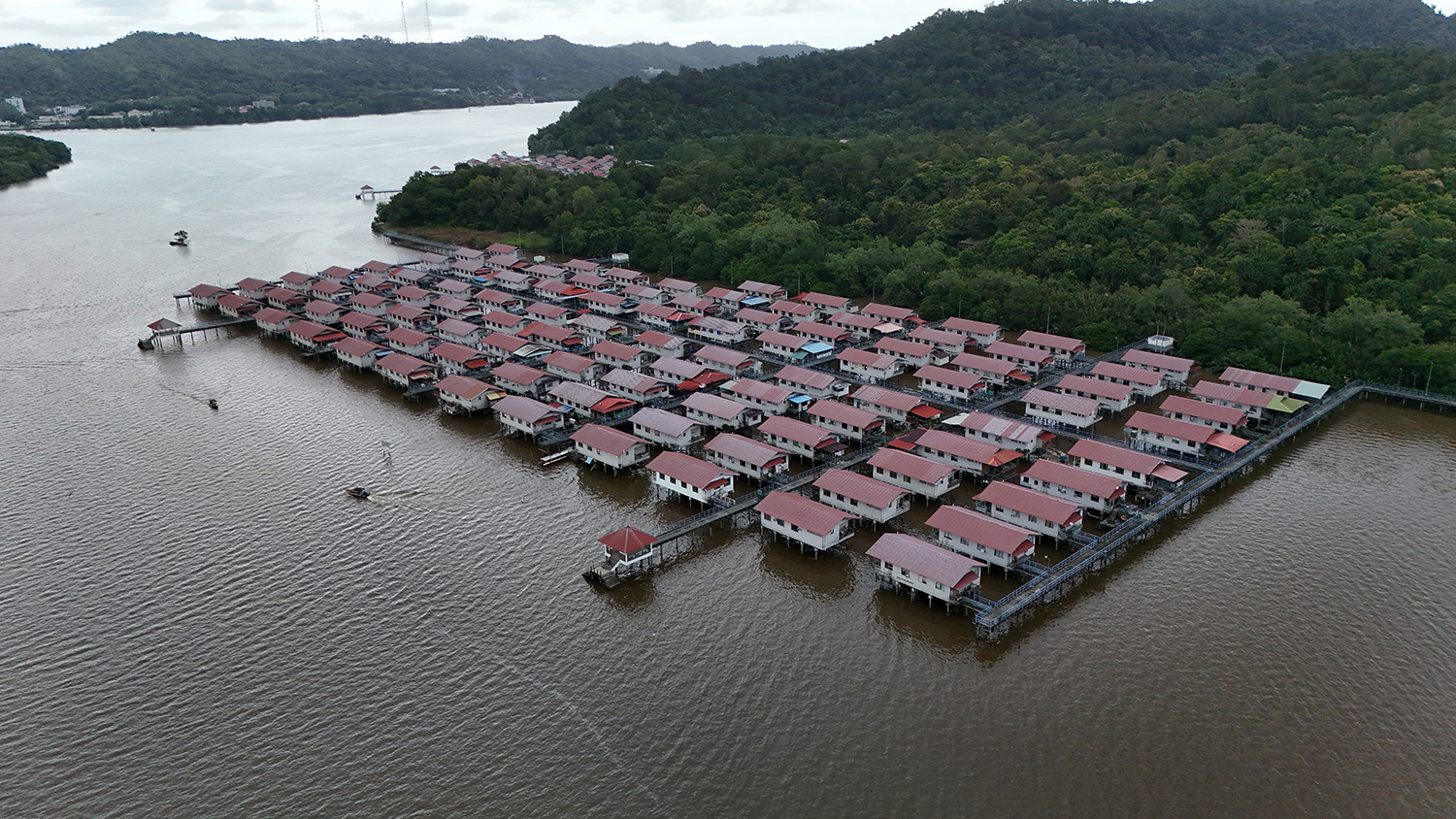
A planned environmental restoration project, using oysters seeded in a Clean Valley hatchery, is also in the works. A partnership with the Sultan of Brunei’s Sultan Haji Hassanal Bolkiah Foundation, the goal is to clean up the water around the Kampong Bonkiah water village, which is part of the world’s largest water village of 13,000 inhabitants who live in buildings built on stilts.
They’re starting with one plot, with plans to expand to five plots in the next five years. The aim is to build capacity to grow 100 million oysters in the neighborhood and to market offset credits, which would be the first carbon credit program in the country.
Other Clean Valley projects are in Malta, Portugal, Guinea, the Canadian Maritimes and Mexico. In Portugal, a year-long pilot project, launched in 2024, was completed with Ciencia, the National Agency for Scientific and Technological Culture, treating very dirty harbor water.
“The goal of the container was to grow algae in a recirculating separate system and grow with that algae. In our case, we were using oysters,” said Sofia Serra, a marine biologist who worked on the project.
Now that the pilot is finished, they’re upsizing the system to a room that can treat more water, using the Clean Valley technology.
Serra notes that one additional hurdle for using this technology in the EU is that the oysters would need to grow out in a farm environment outside of the container before they’re deemed fit for human consumption. The cleaned water, although safe, Serra noted, originated as aquaculture wastewater. “So you would always need a separate space,” she said.
LaValle’s aim is that the Clean Valley technology can “reproduce, as closely as possible,” an ocean environment in a recirculating system. “[If] we bring that back into the equation, it makes for a much more natural fish,” he said.
Now that you've reached the end of the article ...
… please consider supporting GSA’s mission to advance responsible seafood practices through education, advocacy and third-party assurances. The Advocate aims to document the evolution of responsible seafood practices and share the expansive knowledge of our vast network of contributors.
By becoming a Global Seafood Alliance member, you’re ensuring that all of the pre-competitive work we do through member benefits, resources and events can continue. Individual membership costs just $50 a year.
Not a GSA member? Join us.
Author
-
Danielle Beurteaux is a journalist based in Montréal who writes about science, the environment and business.
Related Posts
Intelligence
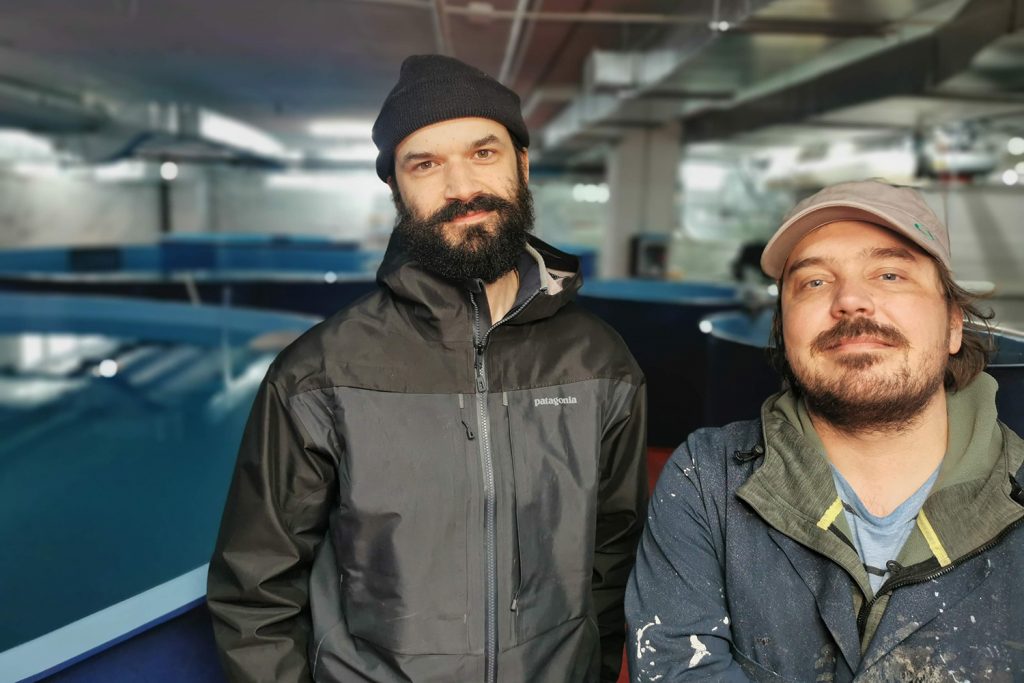
Might one small urban fish farm wake up Quebec’s aquaculture industry?
Opercule's urban fish farm produces locally grown Arctic char and delivers it to Montreal's restaurants via electric-bike deliveries.
Intelligence
Storms on the horizon: Can aquaculture insurance work on Prince Edward Island?
With the scars from Hurricane Fiona still healing, growers on Canada’s smallest province have big hopes that aquaculture insurance can provide security.
Fisheries
Gear-lending program has harvesters working through closures and trying ropeless fishing gear without commitment
Faced with closures to protect right whales, Canadian commercial fishers are trying ropeless fishing gear via the CanFish Gear Lending Program.
Intelligence
Hurricane Fiona was a ‘historic, extreme event’ for Atlantic Canada – and hit the seafood sector hard
As the clean-up from Hurricane Fiona begins, Atlantic Canada communities survey the damage caused to fisheries and aquaculture operations.