


How regenerative aquaculture can rebuild ecosystems from shore to sea

Shellfish and sea plants, if integrated with agriculture, can improve biodiversity on land and in the ocean
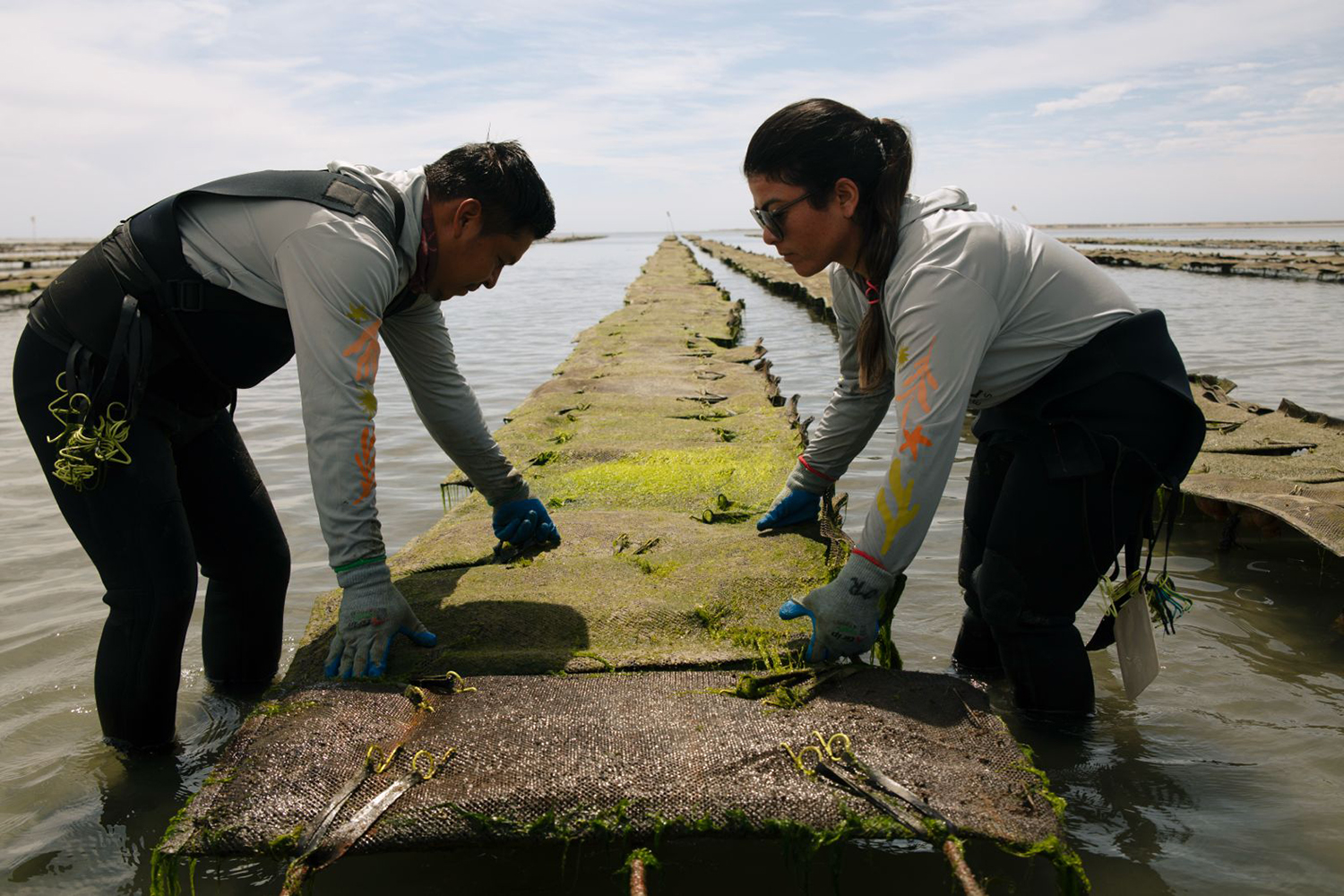
A growing body of research and industry activity points to a shift in food production that aims not only to reduce environmental harm but to actively restore the ecosystems in which the food is grown. Regenerative aquaculture focuses on species such as seaweed and shellfish that require no feed, fertilizer or freshwater.
These systems can also be integrated with agriculture to improve biodiversity on land and at sea. Using aquaculture wastewater to irrigate crops, for example, could help restore environmental damage while supporting food security and farmer livelihoods.
A collaboration between the University of California, Santa Cruz and Pie Ranch, a nonprofit incubator and educational farm in Pescadero, is exploring this idea. Researchers are testing irrigation of native plants at the farm with aquaculture “backwash” from recirculating tanks containing rainbow trout.
Meanwhile, the Amah Mutsun Land Trust, an initiative of the Amah Mutsun Tribal Band, is working with Pie Ranch to use some of the native plants from the study to support the restoration of meadows with culturally valued plant species and restore their area following a wildfire in 2020.

Anne Kapuscinski, director of the UC Santa Cruz Coastal Science and Policy Program, is leading the research.
“I’ve long been interested in how we can harness the wisdom of ancient aquaculture,” Kapuscinski told the Advocate. “Evidence from China shows that aquaculture was integrated with agriculture, with stable yields from both fish and crops over long periods. Very few systems globally have sustained productivity for over a thousand years, which makes this especially fascinating. I’ve always wondered how we can bring that knowledge into modern practice.”
“The regenerative approach at Pie Ranch focuses on restoring native plant communities while reducing fire risk,” Kapuscinski continued. “A professor on their advisory board approached me about introducing aquaculture to diversify food production, initially suggesting a recirculating rainbow trout system. When I suggested integrating aquaculture with agriculture, he became very interested.”
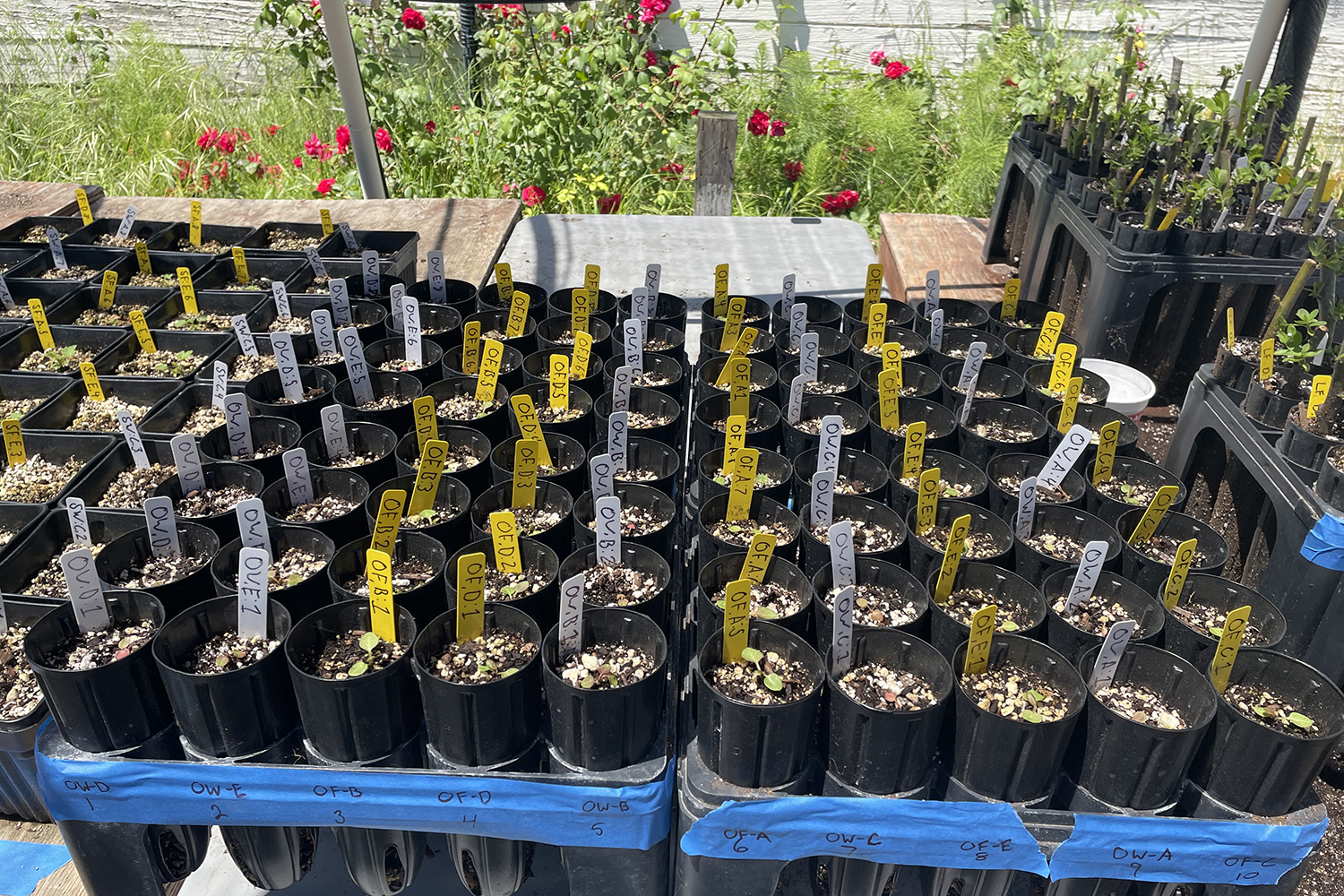
The project explores how aquaculture effluent can support native plant growth. The team grew three species – red flowering currant, Western dock and Pacific willow – irrigating half with aquaculture backwash and half with well water. They measured plant growth through biomass, root and leaf weight, leaf area, water use efficiency and soil content.
Results showed clear benefits from the backwash. Water use efficiency was about twice as high with backwash compared to well water. When both plant and fish biomass were included, overall water use efficiency increased to roughly five times higher across all experiments.
“We assessed multiple metrics and found that plant performance was generally higher or similar with backwash,” said Kapuscinski. “Western dock and red flowering currant showed significant gains across all growth measures, including root, leaf and stem dry weight, leaf area and greater root development. In Pacific willow, leaf dry weight was higher with backwash, while other metrics showed no major differences.”
The team also observed changes in soil chemistry, including higher levels of ammonia, ammonium and nitrate, along with increased electrical conductivity, while pH remained stable.
These findings suggest potential applications for regenerative aquaculture, where effluent may be reused to enhance plant growth. This integrated approach could improve nutrient cycling, support habitat restoration and contribute to more sustainable food systems.
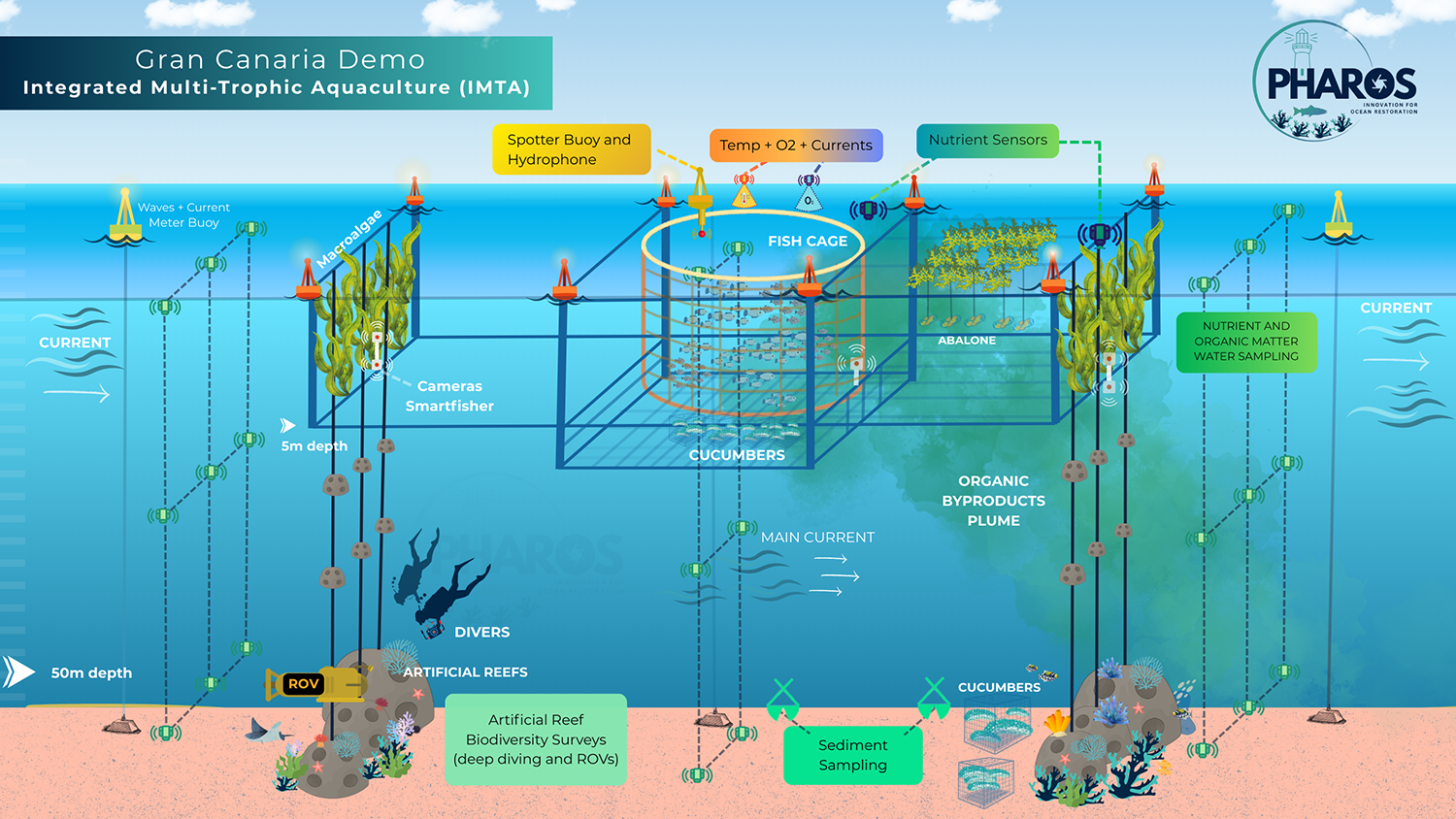
More broadly, these results align with growing work on regenerative aquaculture across regions. In Europe, the EU-funded PHAROS project is testing similar approaches across the Atlantic. Off Gran Canaria, closed-loop systems combine multiple species in integrated setups to recycle nutrients and organic matter, reducing waste from traditional finfish aquaculture.
These initiatives aim to demonstrate how regenerative aquaculture can support climate resilience, ecosystem restoration and sustainable seafood production, while developing scalable models for the Atlantic.
The Gran Canaria demonstration is based on Integrated Multi-Trophic Aquaculture (IMTA), combining sea bream, sea cucumbers and macroalgae such as Ulva spp. The system uses currents to move fish waste in the form of nutrients and organic matter through the farm. Downstream, macroalgae absorb the dissolved nutrients and produce biomass to support species such as abalone, while sea cucumbers feed on particulate waste beneath and downstream of the fish cages. Together, this creates a closed-loop system where waste becomes a resource.
In addition, artificial reefs will be deployed with a dual purpose: acting as biomimetic mooring blocks for vertical macroalgae (Gracilaria spp.) cultivation and providing habitats that support ecosystem restoration and enhance native biodiversity.
The demonstration will be monitored using sensors and oceanographic surveys measuring currents, temperature, salinity, dissolved oxygen, nutrients, water quality, sediment and biological indicators. All data will feed into Digital Twin Ocean models for real-time analysis and system optimization.
At the same time, PHAROS Mega Events and Living Labs bring together communities, citizens, scientists, industry and policymakers to co-create and validate regenerative aquaculture systems.
“This type of demonstration is expected to deliver environmental and socio-economic benefits, including improved nutrient recycling, reduced environmental impact, increased biodiversity and carbon capture through macroalgae and invertebrates,” said Pablo Reche Garcia, project manager of PHAROS. “It aims to show scalable business models for regenerative aquaculture, explore new products like seaweed and invertebrates, and use Mega Events to share results, engage communities and scale knowledge across contexts.”
In essence, the Gran Canaria system reflects the IMTA approach described by Kapuscinski, in which species at different trophic levels work together to recycle nutrients and reduce waste.
“IMTA means raising species at different levels of the food web, such as fish, seaweed, and sometimes shellfish,” said Kapuscinski. “Our system is multi-trophic, producing fish and plants, with microorganisms also playing a role. Recirculating aquaculture systems are similar, relying on bacteria to convert waste into nutrients. This approach is regenerative because one organism’s waste becomes another’s resource, increasing outputs and recycling nutrients, similar to aquaponics, though plants are grown in soil rather than water.”
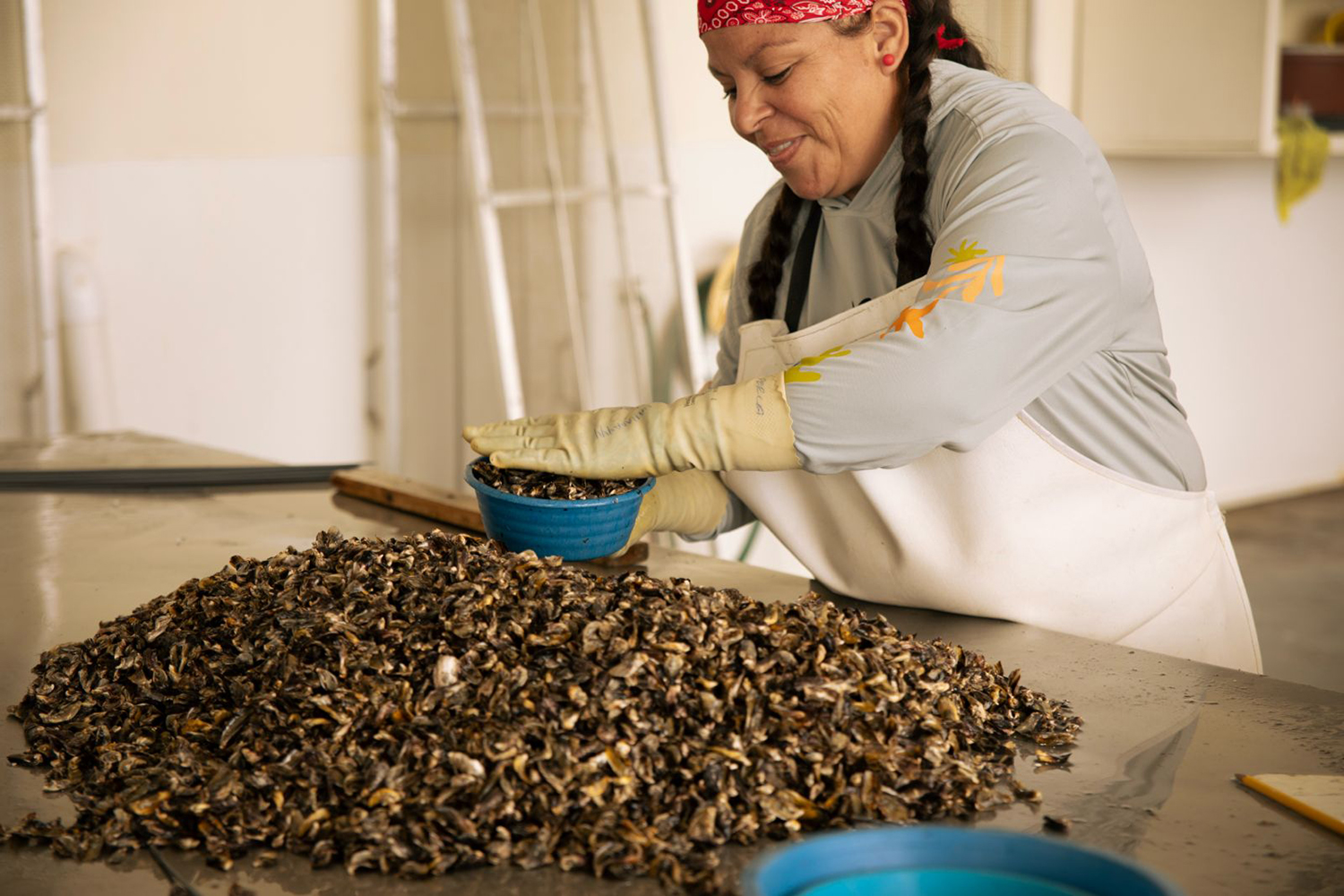
Momentum toward regenerative aquaculture is also growing in the Gulf of California, where a new Center for Applied Aquaculture Innovation (CAAI) is being developed as a global hub for regenerative aquaculture. It aims to accelerate innovation while supporting food security, ocean health and coastal livelihoods.
With increasing policy support, it reflects a shift from niche experimentation toward mainstream, scalable and more accessible regenerative approaches.
“The CAAI is part of Innovaciones Alumbra, an ecosystem of organizations committed to demonstrating and catalyzing models for economic growth that restore the environment, support communities and advance health and prosperity,” said Ernesto Rodríguez Leal, executive director of CAAI. “It aims to accelerate regenerative aquaculture solutions that restore oceans and biodiversity while strengthening food security and coastal economies. Using the Gulf of California as a model, it seeks to build a global community that promotes innovation, entrepreneurship, talent development and new approaches to financing and scaling warm-water regenerative aquaculture.”
Programs focus on restoring marine health through five pillars: applied innovation to turn science into practical solutions, entrepreneurship and mentorship to support businesses growth, talent development to build a skilled workforce, ocean communities to strengthen social cohesion and stewardship, and viable financial models to fund and scale projects.
Another goal is to ensure innovations are practical and scalable for small and medium-sized producers.
“We plan to test and de-risk complex, high-cost offshore technologies, refining them into affordable and adaptable blueprints for small and medium-sized businesses so that proven, lower-cost operating models can be easily adopted,” said Rodríguez Leal. “We also aim to collaborate with local organizations, institutions and academic entities to advance these approaches. The goal is to ensure that innovation is grounded, accessible, and scalable through inclusion.
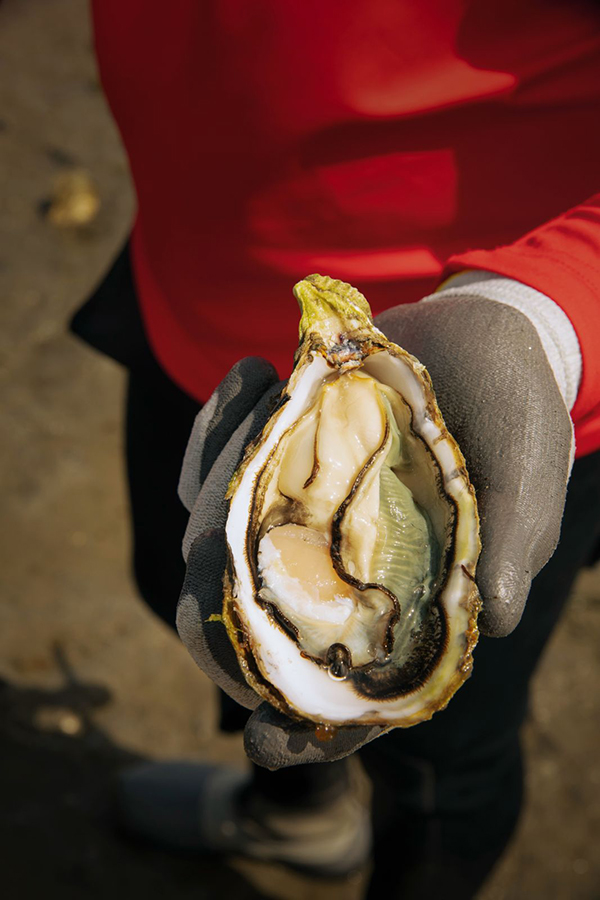
“We are also launching the Community Oyster Incubation Program to support small-scale, family-owned producers by providing modular, low-cost innovations that enable gradual adoption without large upfront investment,” he added. “The program also integrates hands-on technical and business support to ensure success.”
Regenerative aquaculture is expected to become more mainstream in the coming decade, moving from pilot projects to broader adoption as technologies advance and policy frameworks evolve, said Reche Garcia. Although the Gran Canaria demo is not expected to begin until late spring 2027, it has already received strong support for its potential contribution to circular nutrient management and ecosystem restoration. During its planning phase, it was positively received for its innovation and environmental benefits.
“With the PHAROS setup, regenerative aquaculture can reduce the environmental impact of traditional finfish aquaculture while also restoring and enhancing ecosystem functions,” said Reche Garcia. “Unlike sustainable aquaculture, which focuses on minimizing harm, regenerative systems aim for net-positive outcomes by improving biodiversity, recycling nutrients and strengthening ecosystem resilience. PHAROS will test remote monitoring and feeding innovations and support IMTA integration for climate and coastal resilience, with the goal of enabling certification for carbon, nutrient and biodiversity credits. While it may not immediately become a global standard, it is helping build the foundation for scalable, ecosystem-positive aquaculture systems.”
TNC: Restorative aquaculture can improve marine habitats, biodiversity
Climate change is increasing pressure on conventional aquaculture and accelerating the shift toward more regenerative, integrated systems, added Kapuscinski. As environmental conditions become more volatile, these approaches may move from optional to essential, although scaling them will depend on a clearer understanding of how they work in practice, supported by targeted research and trials.
“We are already seeing clear signs of climate change,” said Kapuscinski. “Waters around salmon farms are warming and algal blooms are becoming more frequent. The planet is pushing us toward more integrated, regenerative models, but we still need clearer pathways through research, trials and practical steps to scale them. Our project shows that we can produce food while working with plants and fish in a way that respects living organisms and the land, offering a tangible path forward.”
“We hope that the work developed in La Paz and the Gulf of California generates replicable models of warm-water regenerative aquaculture, positioning the region as an international reference for ocean innovation and sustainable food systems, and shifting aquaculture from an extractive model to a regenerative one,” said Rodríguez Leal. “The aim is to show that marine food production can act as a nature-based solution that improves ocean health and restores habitats.”
Now that you've reached the end of the article ...
… please consider supporting GSA’s mission to advance responsible seafood practices through education, advocacy and third-party assurances. The Advocate aims to document the evolution of responsible seafood practices and share the expansive knowledge of our vast network of contributors.
By becoming a Global Seafood Alliance member, you’re ensuring that all of the pre-competitive work we do through member benefits, resources and events can continue. Individual membership costs just $50 a year.
Not a GSA member? Join us.
Author
-

Senior Writer Bonnie Waycott became interested in marine life after learning to snorkel on the Sea of Japan coast near her mother’s hometown. She specializes in aquaculture and fisheries with a particular focus on Japan, and has a keen interest in Tohoku’s aquaculture recovery following the 2011 Great East Japan Earthquake and Tsunami.
Related Posts
Responsibility
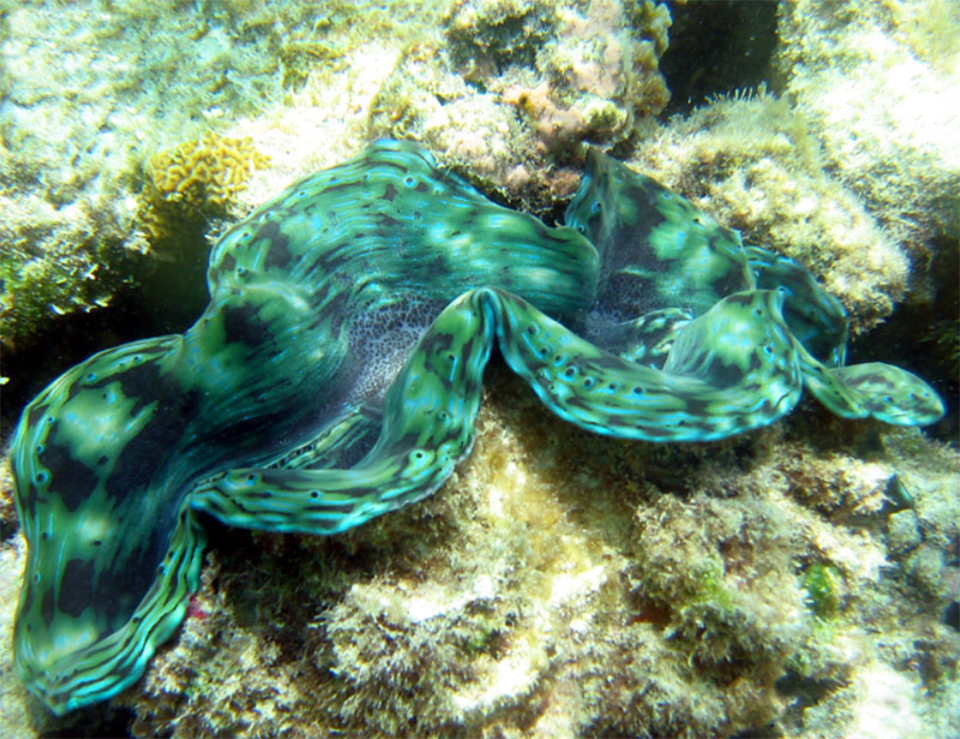
A global overview of restorative shellfish mariculture
A review of restorative shellfish mariculture case studies around the world to identify emergent patterns across species and ecoregions.
Responsibility
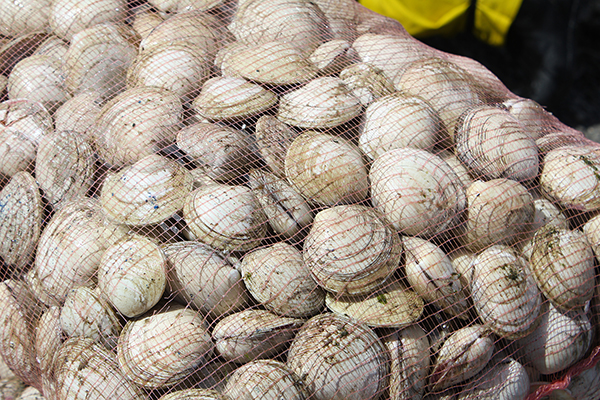
All clams on deck: How restorative aquaculture can repair Florida estuaries
New legislation aims to tackle tough environmental issues in Florida estuaries by bolstering the number of clams and seagrass through restorative aquaculture.
Responsibility
How restorative aquaculture is lending a helping hand to declining fish species
Researchers explore how effectively restorative aquaculture can enhance declining fisheries and safeguard native fish populations.
Innovation & Investment
‘We have 15 years to fix this planet’: Blue Food Innovation Summit explores potential of restorative aquaculture – and the challenges to scaling
At the Blue Food Innovation Summit, discussions centered on restorative aquaculture’s potential and financing the ocean’s capabilities.