


Championing gender equality in Zambia through fish farming

Tilapia farming is more than a source of food and income – it is becoming a platform for women’s empowerment
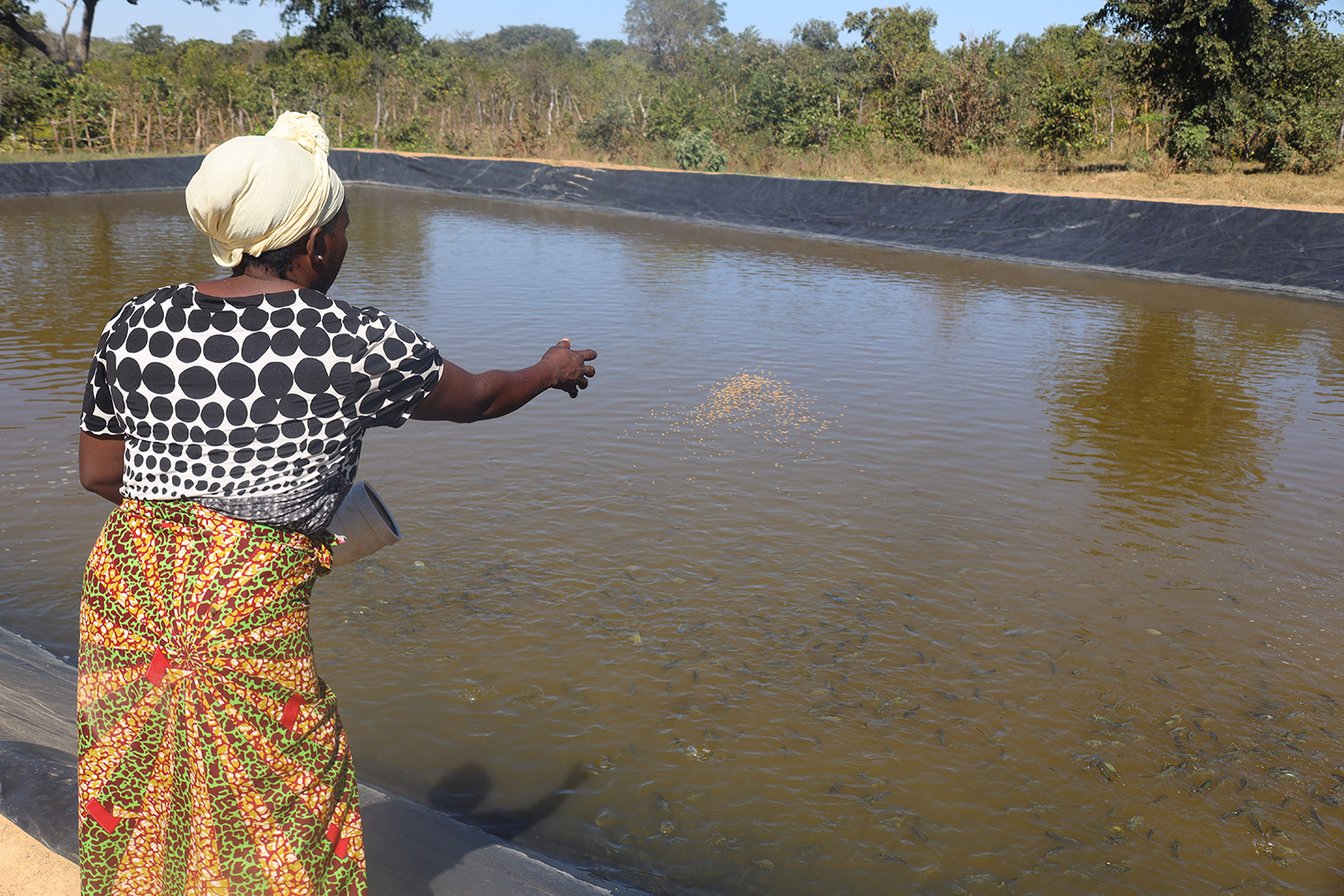
In Zambia, a quiet but powerful transformation is reshaping the country’s fast-growing aquaculture sector. Tilapia, the nation’s most widely farmed fish, has long been a cornerstone of food security and livelihoods. Today, women are stepping up to the forefront of this industry, challenging traditional gender roles and demonstrating that aquaculture is not just a business, but a pathway to empowerment.
Zambia’s aquaculture sector was historically dominated by men. Women, who often faced barriers to entry, have increasingly taken on critical roles across the sector in recent years, taking on pond construction and management, preparing and stocking fingerlings, selling fish and handling accounting and bookkeeping. Progress is visible in regions such as Mpulungu in northern Zambia, where women now comprise 44 percent of smallholder tilapia farmers, a striking indicator of their growing influence.
This change is exemplified by the Sianyongo Fish Farming Cooperative (SFFC), located in Nyawa Chiefdom in Zambia’s Kazungula district. Supported by the EU-funded Sustainable Wildlife Management (SWM) Programme, an international initiative aimed at enhancing the conservation and sustainable use of wildlife in forest, savannah and wetland ecosystems, SFFC has been pioneering a model of inclusive aquaculture since 2022. The initiative began with two tilapia ponds, followed by two additional ponds in 2023. By 2025, total harvests across all ponds had reached 1,279 kilograms (2,819 pounds), providing a steady source of protein for the community and boosting food security. Beyond numbers, the cooperative has also created a booming local economy while promoting ecological sustainability. By offering a viable alternative to wild meat, which is often hunted illegally, the SFFC is reducing pressure on local wildlife.
Central to this success is the active involvement of women, who are evolving from fish farmers into entrepreneurs, community leaders and advocates for development.

“One of the most important aspects of the SWM Programme is that it combines livelihood development with conservation objectives,” Andreas Muhwanga, communications assistant at the Center for International Forestry Research and World Agroforestry Zambia (CIFOR-ICRAF), told the Advocate. “As a partner in the SWM Programme, we help develop evidence-based solutions that protect ecosystems while improving food security. By supporting sustainable fish farming, communities can improve nutrition and incomes while reducing pressure on wildlife resources. The growing participation of women is making these interventions even more impactful at household and community level.”
Beatrice Dobe, a tilapia farmer with the SWM Programme, has become a symbol of these impacts.
“I was motivated to join the SFFC because I could see the benefits that it brings,” she said. “By joining, we would have the opportunity to increase household incomes, provide nutritious food for our families and even save some money for our children’s school fees. Women here are primarily responsible for ensuring that there is food for our families, especially our children. This responsibility has encouraged many women to join. I want to acknowledge the EU and the SWM Programme for bringing this opportunity to our community.”
‘I worked across every department.’ One woman’s journey within Thailand’s aquaculture sector
Gender equality is not just an ideal at SFFC, it’s a practical strategy. Women are engaged at every stage of production, from feeding and monitoring fish to managing ponds, weighing and selling stock and ensuring water quality. Dobe also plays a key role in fostering group cohesion, helping to mediate conflicts and encouraging other women to participate and benefit from the program.
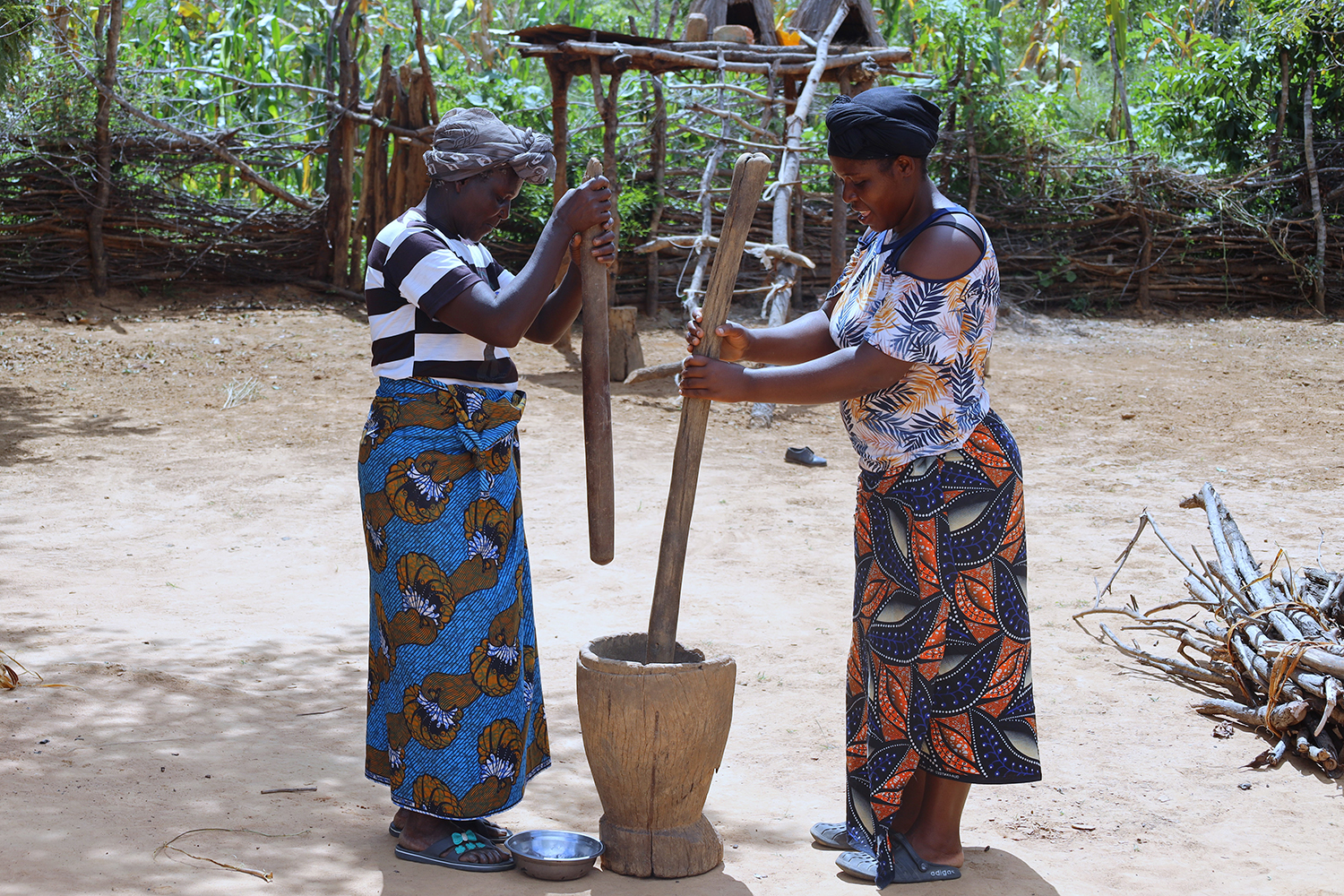
“We have been taught to work together, men and women alike,” said Dobe. “We have learned how to construct ponds, feed the fish, the different types of feed to use, and the appropriate feeding times. We have also learned how to monitor water quality and recognize when the water needs to be changed so that the fish remain healthy. We monitor the fish regularly to check their growth and overall health, ensure that food is always available and protect the fish from predators such as birds. Each day, we take turns supervising the ponds to ensure that everything runs smoothly. By supporting one another and respecting each person’s input, we make better, collective decisions that benefit the whole cooperative.”
The SFFC’s approach demonstrates how empowerment and skill-building can translate into tangible outcomes. Women gain not only knowledge of production, marketing and pricing but also confidence, independence and a sense of purpose. Dobe emphasizes that mutual support is central to success.
“We hold regular meetings, which allow us to encourage and support one another,” she said. “We address conflicts immediately, listen carefully to each voice and agree on common goals. This mutual respect helps us operate efficiently and remain united as women and as a cooperative.”
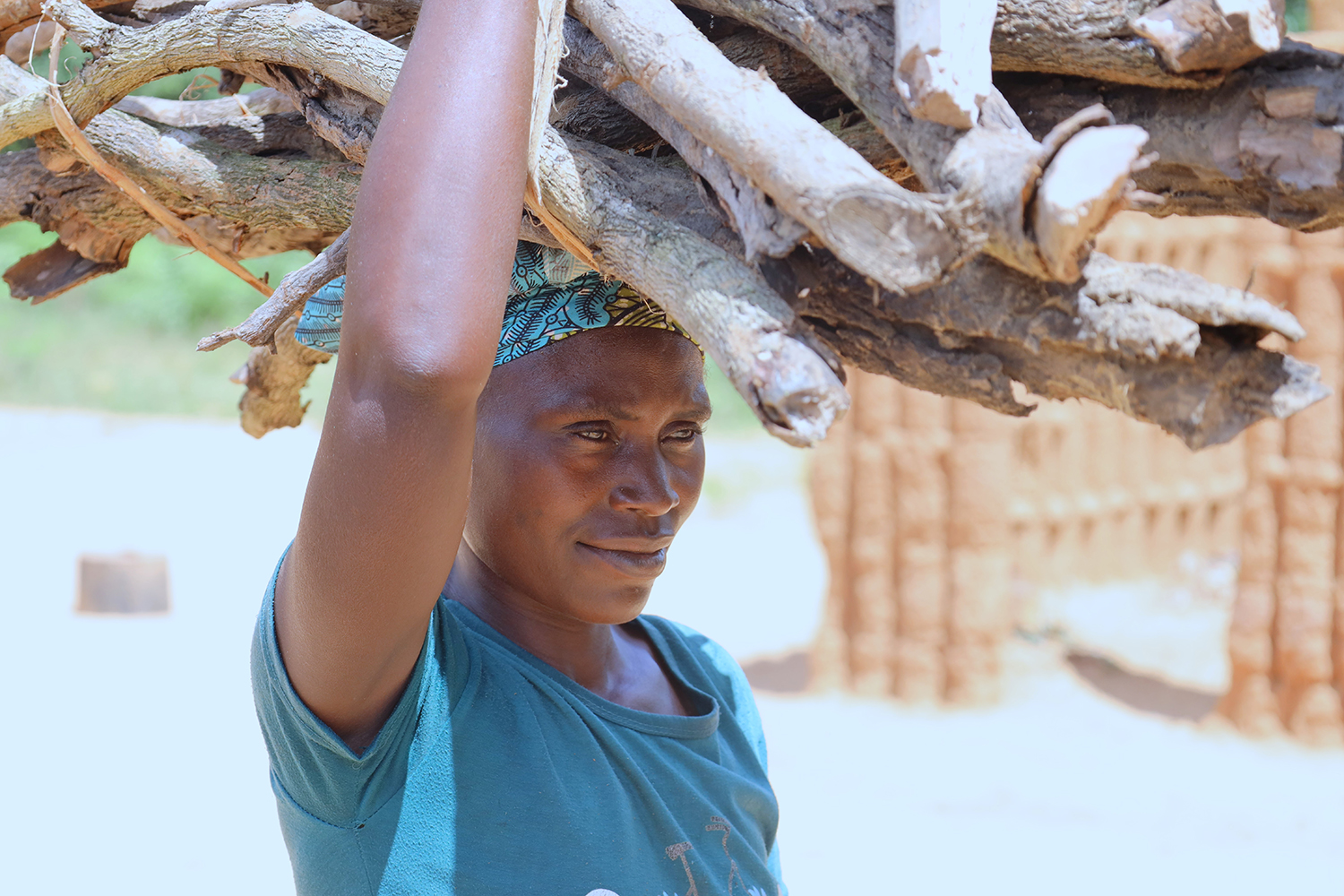
The cooperative also benefits from strong partnerships with men in the community, who respect the women’s contributions, including in physically demanding tasks like pond construction. By establishing bylaws that prevent intimidation and ensure inclusivity, the cooperative fosters a culture of equality and collaboration.
Efforts like those of SFFC illustrate how gender-inclusive aquaculture can reshape social norms while boosting production, nutrition and livelihoods. By positioning women as leaders in tilapia farming, cooperatives contribute not only to household food security but also to community development and environmental stewardship. Looking ahead, Dobe hopes to see more women join the program and for additional ponds to be established, further strengthening food security and household incomes.
“The world we live in today is challenging,” said Dobe. “Women must unite, work hard and support each other to overcome these challenges. Through collaboration, learning and perseverance, we can grow as farmers, leaders and community members. My message to other women is: Unite with us. Unity is power. It brings support, opportunities and the power to achieve our goals.”
As Zambia’s aquaculture sector continues to expand, stories like Dobe’s demonstrate that women are not just participants – they are driving the transformation, proving that seafood production and gender equity go hand in hand.
The United Nations has declared 2026 the International Year of the Woman Farmer (IYWF 2026). The year will spotlight the essential roles women play across agrifood systems, from production to trade, while often going unrecognized. Women farmers are central to food security, nutrition and economic resilience. The International Year of the Woman Farmer will raise awareness and promote actions to close the gender gaps and improve women’s livelihoods worldwide.
Now that you've reached the end of the article ...
… please consider supporting GSA’s mission to advance responsible seafood practices through education, advocacy and third-party assurances. The Advocate aims to document the evolution of responsible seafood practices and share the expansive knowledge of our vast network of contributors.
By becoming a Global Seafood Alliance member, you’re ensuring that all of the pre-competitive work we do through member benefits, resources and events can continue. Individual membership costs just $50 a year.
Not a GSA member? Join us.
Author
-
Senior Writer Bonnie Waycott became interested in marine life after learning to snorkel on the Sea of Japan coast near her mother’s hometown. She specializes in aquaculture and fisheries with a particular focus on Japan, and has a keen interest in Tohoku’s aquaculture recovery following the 2011 Great East Japan Earthquake and Tsunami.
Related Posts
Responsibility
Mapping seafood workforce’s hidden gender gap: The challenge that ‘isn’t always visible’
A Maine researcher finds that a seafood industry workforce data gender gap leaves many women’s contributions uncounted.
Responsibility
‘No longer quiet members’: How women are transforming Indonesia’s blue swimming crab fisheries
Women’s groups in Indonesia are building businesses, influencing fisheries management and supporting sustainable blue swimming crab fisheries.
Intelligence
Meet the woman who’s pioneering commercial kelp farming in New York
Former professional basketball player Sue Wicks launches New York’s first commercial kelp farm, spearheading a growing industry for the state.
Intelligence
On the Job: Modern-day oyster lassies
As part of a series looking at aquaculture jobs, we feature two women working with oysters at different ends of the supply chain.