

Free protocol aims to improve animal welfare monitoring for farmed gilthead sea bream

Guidelines introduce 32 animal welfare indicators to help fish farmers assess physical health, behavior and environmental conditions
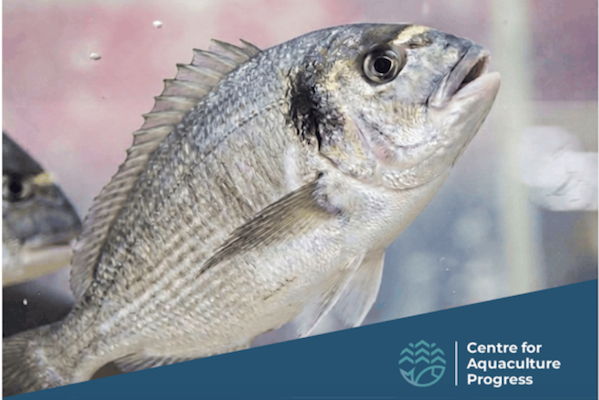
The Centre for Aquaculture Progress has released a new protocol to help gilthead sea bream farmers monitor animal welfare, identify potential problems early and make more informed management decisions.
Published in November 2026, the free protocol provides a standardized system for assessing the welfare of gilthead sea bream during the seawater on-growing stage. It’s designed for routine use on commercial farms, allowing producers to evaluate fish health and environmental conditions without relying solely on laboratory testing.
The guidelines include 32 operational welfare indicators (OWIs) across three categories: 13 indicators assessing individual fish, five examining group behavior and 14 measuring environmental conditions.
Individual indicators cover physical conditions such as fin damage, wounds, deformities and body condition. Group indicators include mortality, feeding and swimming behavior, while environmental measures cover factors such as dissolved oxygen, temperature, stocking density and water quality.

Each indicator is scored on a four-level scale from 0 to 3, with higher scores generally indicating a greater risk of compromised welfare. The protocol also provides reference images and practical guidance to help farm workers apply the scoring system consistently.
The Centre for Aquaculture Progress said the approach could help producers identify emerging welfare concerns and take corrective action before problems become more serious.
The protocol recommends monitoring behavior, mortality, dissolved oxygen and temperature at least daily, while physical assessments of individual fish should ideally take place monthly. It also advises farmers to consider multiple indicators together rather than relying on a single measurement.
What do farmed fish and shrimp need to thrive? Start with the basics.
However, the document acknowledges limitations in the available scientific evidence. Many of the scoring thresholds have not yet been tested against welfare outcomes in gilthead sea bream and should therefore be considered provisional.
The protocol was developed with input from researchers and industry stakeholders, including Marco Cerqueira of the University of Algarve’s Centre of Marine Sciences. It’s intended for farm personnel, certification bodies, auditors and seafood buyers, and was designed to align with welfare monitoring requirements under certification schemes such as the Aquaculture Stewardship Council (ASC).
The Centre for Aquaculture Progress plans to review the protocol at least every two years as new scientific evidence and feedback from farms become available.
The guidelines are freely available as a downloadable PDF and an interactive online version.
Now that you've reached the end of the article ...
… please consider supporting GSA’s mission to advance responsible seafood practices through education, advocacy and third-party assurances. The Advocate aims to document the evolution of responsible seafood practices and share the expansive knowledge of our vast network of contributors.
By becoming a Global Seafood Alliance member, you’re ensuring that all of the pre-competitive work we do through member benefits, resources and events can continue. Individual membership costs just $50 a year.
Not a GSA member? Join us.
Author

Related Posts
Health & Welfare
Taiwan will phase out fish arching in markets over animal welfare concerns
Taiwan plans to phase out fish arching through wholesale market restrictions and inspections to address animal welfare concerns.
Fisheries
Report spotlights emerging technologies to improve animal welfare in capture fisheries
An ALI report outlines emerging technologies and practices to improve animal welfare in fisheries, including AI monitoring.
Health & Welfare
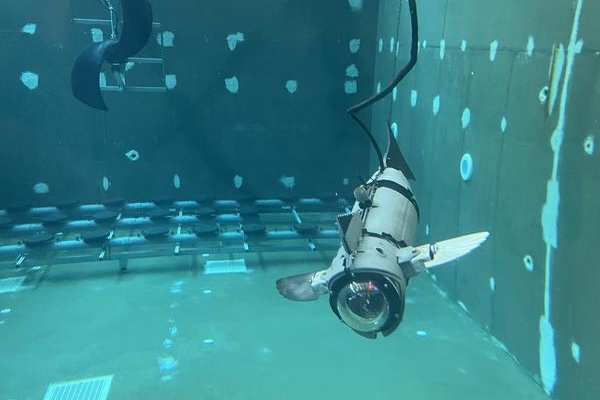
Can this ‘bio-inspired’ robotic fish improve aquaculture monitoring and animal welfare?
A robotic fish prototype could improve animal welfare in aquaculture by monitoring fish and environments without noise or disturbance.
Health & Welfare
Handbooks help salmon farmers improve fish welfare during crowding
A new resource from Nofima and the Institute of Marine Research aids salmon farmers in monitoring and improving fish welfare during crowding.