Responsibility
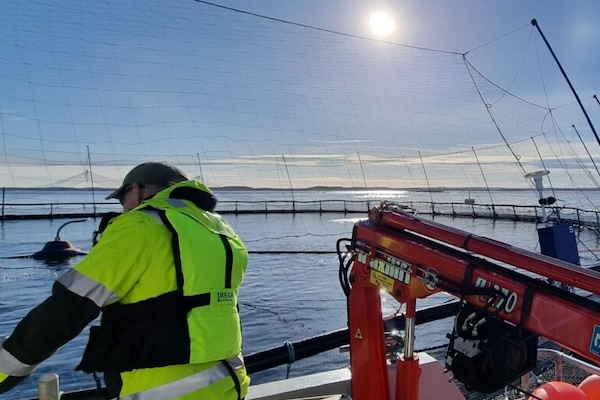
Survey finds widespread workplace safety concerns among Norway’s aquaculture labor force
New research highlights workplace safety concerns in Norwegian aquaculture, including near misses, health risks and production pressures.


Intelligence
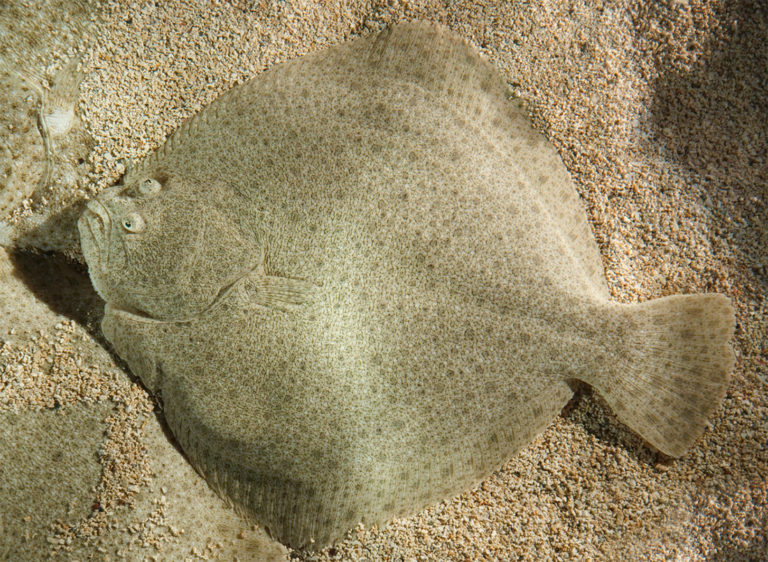
Universidad de Los Lagos plans to expand farmed turbot production in Chile, targeting domestic markets and potential global exports.
Responsibility
New research highlights workplace safety concerns in Norwegian aquaculture, including near misses, health risks and production pressures.
Health & Welfare
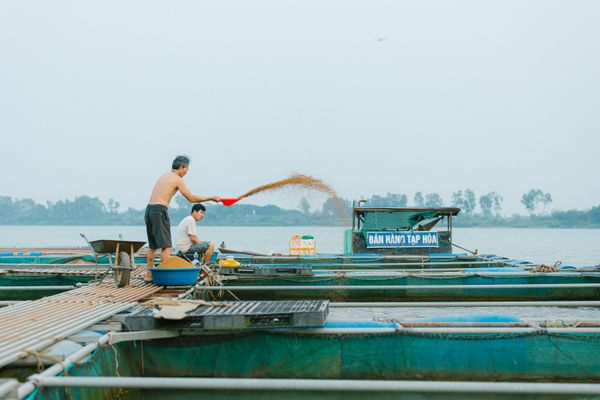
The University of Stirling has received $3.2 million to study antimicrobial resistance in Vietnam’s pangasius farming industry.
Fisheries
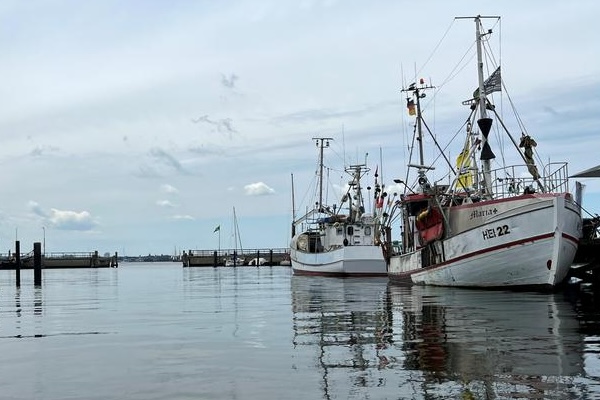
Study of a historic Baltic herring fishery collapse shows why fisheries management must consider environmental, economic and social pressures.
Responsibility
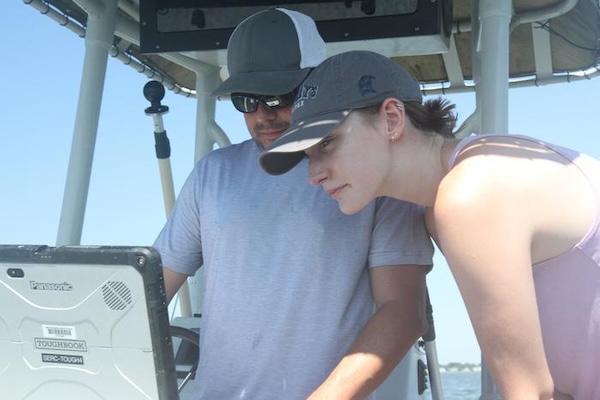
Study finds that oyster reef restoration in Chesapeake Bay supports larger fish and maintains high oyster cover up to a decade later.
Responsibility
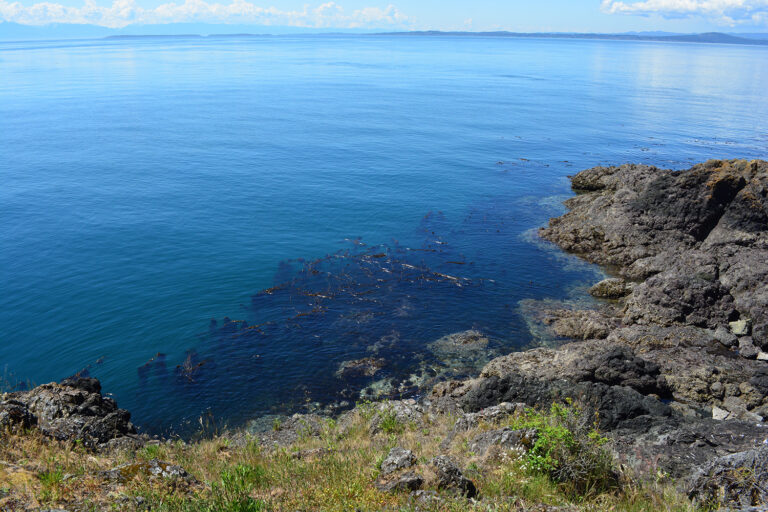
Researchers from Australia and Canada question whether kelp forests can still act as carbon sinks in a warmer ocean of the future.
Intelligence
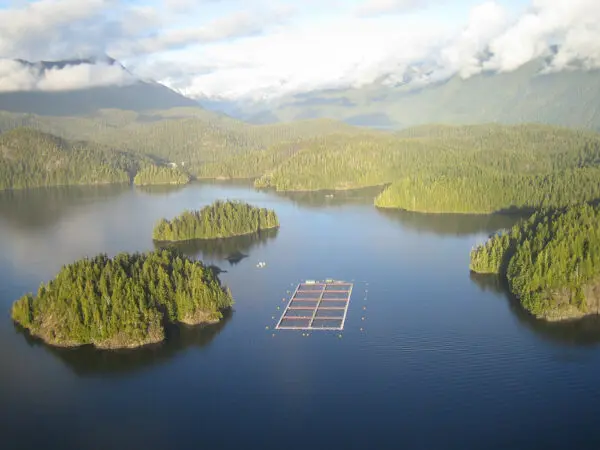
Sea lice persist on wild juvenile salmon after BC salmon farm closures, but further research is needed to understand what drives infestations.
Fisheries
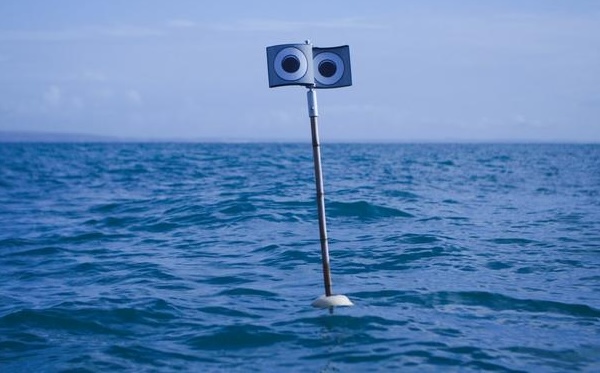
A floating “scarecrow” and bird-scaring kite reduced seabird bycatch risk by about two-thirds in gillnet fishing trials off Cornwall.
Aquafeeds
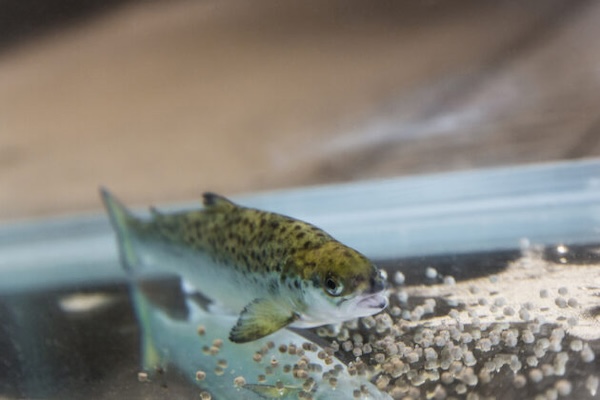
Breeding leaner salmon could improve feed efficiency and save Norway’s salmon industry over $100 million annually, according to Nofima.
Fisheries
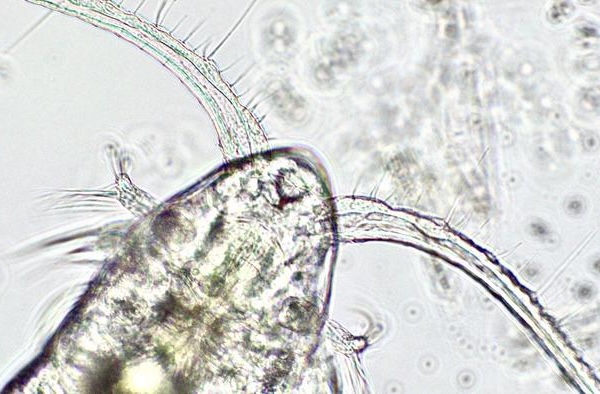
A new monitoring technique could give fisheries up to seven weeks of warning before harmful algal toxins reach dangerous levels.

Intelligence
Fresh data from the 2026 Responsible Seafood Summit points to slower salmon growth, uneven shrimp production but gains with other top farmed species.

Fisheries
The FAO has opened a new Adriatic Sea unit in Croatia to support science-based fisheries management and cooperation among six countries.
Intelligence
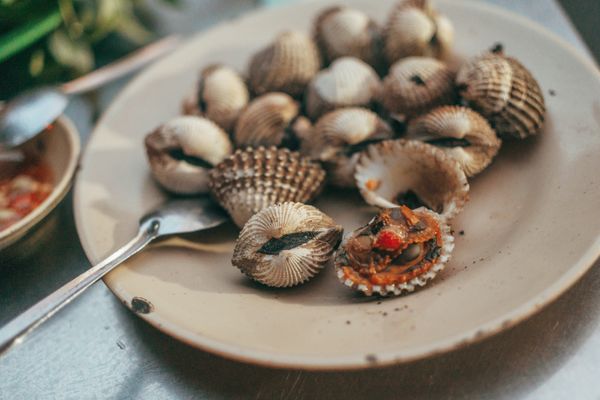
Research shows aquatic invertebrates provide key nutrients that could help inform more sustainable fisheries, aquaculture and food systems.
Health & Welfare
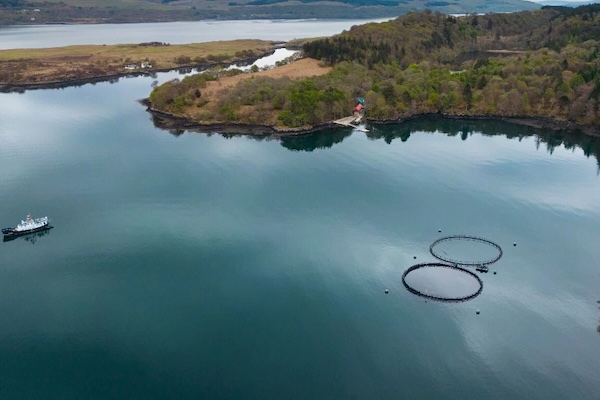
Researchers are analyzing sea lice secretions to identify proteins that could become targets for future vaccines and parasite controls.
Responsibility
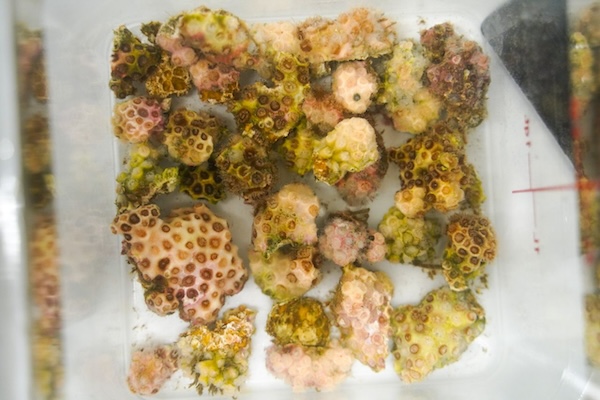
A new method for raising temperate corals in the lab could help researchers study how corals respond to ocean warming and other pressures.
Fisheries
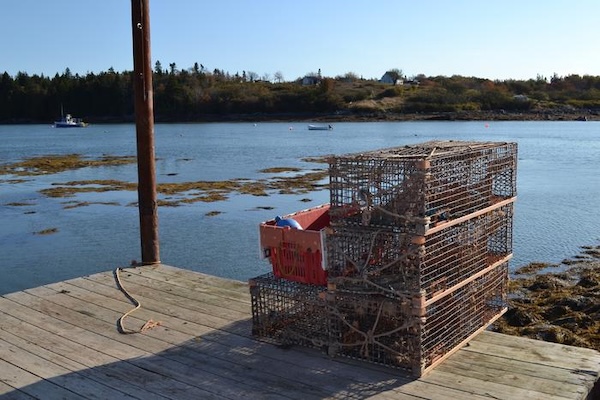
Considering the lobster fishery’s history could make forecasts more useful for fishermen and managers making decisions about the future.