


NOAA-funded aquaculture project develops breeding methods for more than 20 marine fish species

Public aquariums and research institutions are collaborating to develop marine fish breeding methods, with possible applications for commercial aquaculture
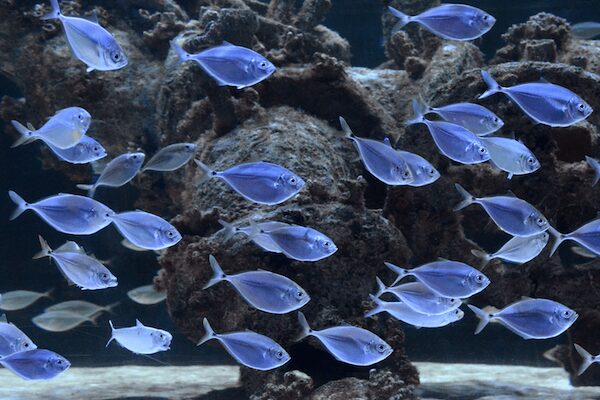
A nationwide collaboration among public aquariums and research institutions has developed new methods to breed more than 20 marine fish species in human care, reducing reliance on wild-caught animals while launching new public resources to help advance sustainable aquaculture.
The multi-year initiative, called “Catalyzing Marine Finfish Aquaculture Through Public Aquariums,” brings together aquarists and researchers across the United States to develop and share methods for raising marine fish from larvae to adulthood.
The NOAA Sea Grant-funded project is led by researchers at Roger Williams University (RWU), UMass Boston and the New England Aquarium, with participation from the Aquarium of the Pacific, Shedd Aquarium, National Aquarium, North Carolina Aquariums and Woods Hole Oceanographic Institution Sea Grant.
Researchers have focused on more than 20 species, many of which have not previously been successfully cultivated in human care, according to Woods Hole Oceanographic Institution. Species include neon gobies, Atlantic lookdowns and golden sweepers.
![Ad for [membership]](https://www.globalseafood.org/wp-content/uploads/2025/07/membership_web2025_1050x125.gif)
The research could also have applications beyond public aquariums. Researchers said commercial producers could potentially adapt the breeding and larval-rearing protocols developed by participating institutions for additional species.
Better together: Partnerships drive innovation at leading labs
“By developing successful breeding and rearing protocols for new species, these aquariums serve as research and development hubs, reducing dependence on wild-caught animals and creating methods that commercial producers may be able to adapt for additional species,” said Andrew Rhyne of RWU’s Center for Economic and Environmental Development.
NOAA Sea Grant has identified commercial ornamental finfish production as one potential application of the work.
“Working with seven aquariums across the country, the project team successfully developed hatchery production protocols for several marine finfish species,” said Chuck Weirich, NOAA Sea Grant’s aquaculture manager. “Not only does this work support public aquariums, it also offers potential applications to enhance the commercial production of ornamental finfish.”
To make the techniques available beyond the participating institutions, the researchers are producing open-source aquaculture guides for the species being studied. According to RWU, the guides are intended to allow aquariums, researchers and commercial producers to replicate successful breeding and larval-rearing methods.
The collaboration also uses Modular Larval Rearing Systems, or MoLaRS, developed by Rhyne. The inexpensive, customizable aquaculture systems are designed to allow aquariums and research partners with limited space to raise new marine fish species. The systems are being used in the current NOAA Sea Grant collaboration as researchers continue developing breeding and larval-rearing methods.
The current initiative builds on an earlier national project funded by the Institute of Museum and Library Services from 2012 to 2016. According to RWU, that project trained 51 aquarists from 23 institutions and distributed MoLaRS to participating facilities.
Those institutions worked with 84 identified species and successfully reared 65 through settlement, according to RWU. Nearly 5,000 fish and invertebrates were returned or transferred for exhibition.
The current NOAA Sea Grant project has contributed to the breeding and distribution of thousands of fish to institutions accredited by the Association of Zoos and Aquariums. The project is intended to expand the availability of fish raised in human care as another sourcing option for public aquariums.
Read more about the project here.
Now that you've reached the end of the article ...
… please consider supporting GSA’s mission to advance responsible seafood practices through education, advocacy and third-party assurances. The Advocate aims to document the evolution of responsible seafood practices and share the expansive knowledge of our vast network of contributors.
By becoming a Global Seafood Alliance member, you’re ensuring that all of the pre-competitive work we do through member benefits, resources and events can continue. Individual membership costs just $50 a year.
Not a GSA member? Join us.
Author

Related Posts
Innovation & Investment
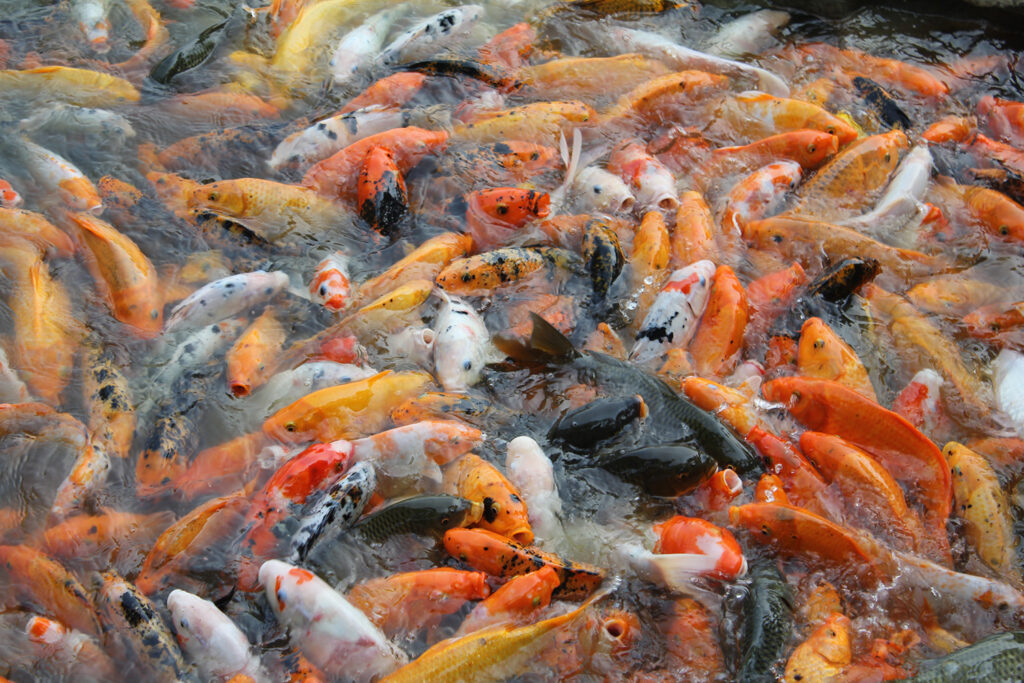
Advances in breeding technologies for fish color traits in aquaculture
A review of the genetic and molecular mechanisms causing fish pigmentation provides framework for aquaculture genetic engineering strategies.
Intelligence
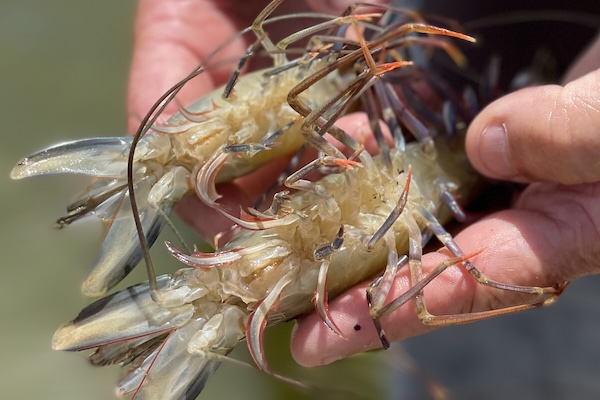
CSIRO-led research identifies genetic markers to support black tiger shrimp breeding
CSIRO and Genics have developed genomic tools to map sex and diversity in black tiger shrimp, improving selective breeding and reliability.
Health & Welfare
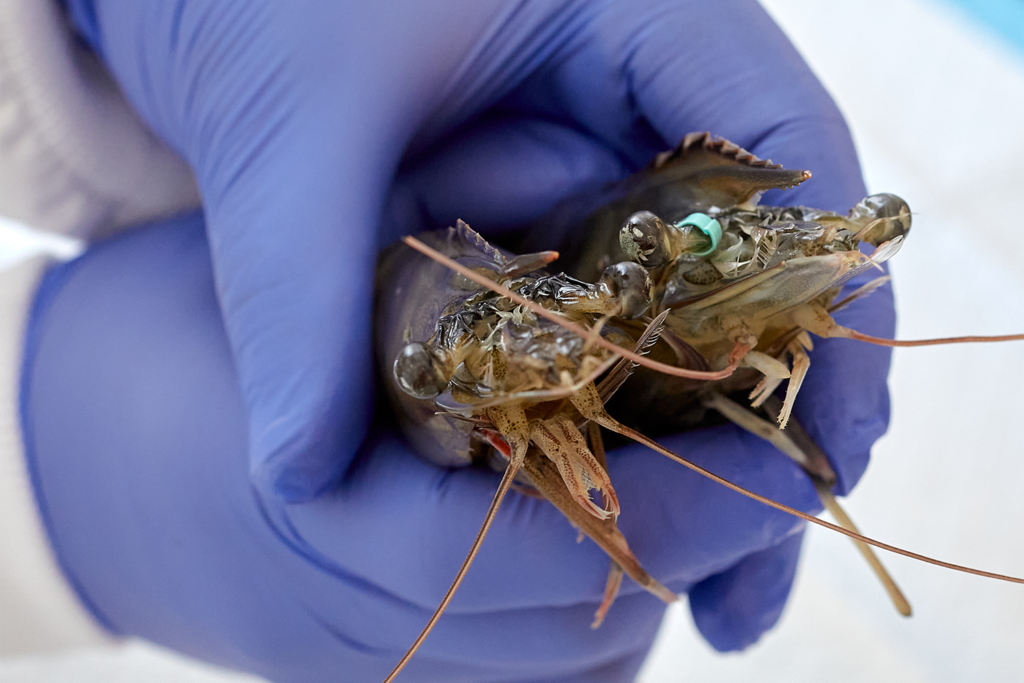
Indonesian producer turns to genetic technology to enhance its shrimp breeding programs
How Indonesian company Prima Larvae Bali is using genetic technology and a partnership with CAT to elevate its shrimp breeding program.
Innovation & Investment
Can this breeding technique breathe new life into giant freshwater prawn farming?
Enzootic thinks giant freshwater prawn farming could enjoy wider commercial success thanks to its breeding technique and focus on “super females.”