


Wisconsin aquaculture research center joins initiative to create value from fish byproducts

UW-Stevens Point joins the 100% Great Lakes Fish Pledge, an international effort to cut waste and create new uses for fish byproducts
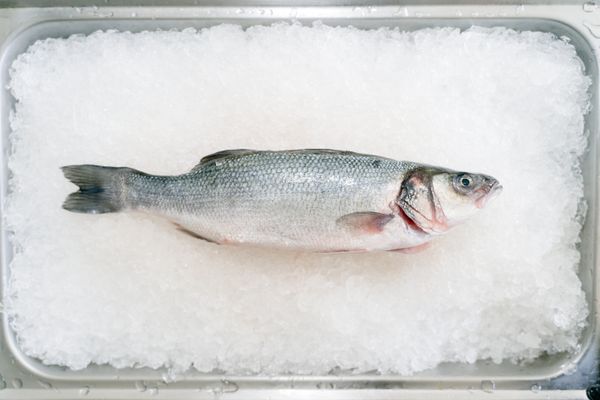
The University of Wisconsin-Stevens Point’s Northern Aquaculture Demonstration Facility has signed the 100% Great Lakes Fish Pledge, becoming the third research institution to join the initiative, according to the Conference of Great Lakes St. Lawrence Governors & Premiers (GSGP).
The initiative seeks to increase the value generated from fish by finding uses for parts that might otherwise be discarded or directed to lower-value applications. According to GSGP, about 40 percent of each fish – primarily the fillets – is typically eaten or otherwise productively used, while the remaining 60 percent is often discarded or used in lower-value products.
Potential uses for fish co-products include fertilizer, compost, protein, marine collagen and leather, according to the organization.
At the Northern Aquaculture Demonstration Facility, researchers already donate fish and fillets from completed research projects when possible and compost eligible carcasses for use as fertilizer. By joining the pledge, the facility has committed to continuing to pursue productive uses for fish and fish parts wherever permitted.
![Ad for [Aquademia]](https://www.globalseafood.org/wp-content/uploads/2025/07/aquademia_web2025_1050x125.gif)
“At the UWSP Northern Aquaculture Demonstration Facility, we already work to make productive use of fish from our research by donating fish and fillets and composting eligible carcasses for fertilizer,” said Tyler Firkus, the facility’s assistant director. “The Pledge gives us an opportunity to formalize that commitment, share what we are learning and work with others to advance full utilization across aquaculture and research.”
The facility conducts applied aquaculture research and outreach in Bayfield and is the latest research organization to join the pledge following its expansion to laboratories and research facilities in the Great Lakes states, Ontario and Québec.
The broader 100% Great Lakes Fish initiative was created by GSGP and includes participants from commercial fisheries, aquaculture, seafood processing, research and other sectors.
“Research institutions are essential to developing the technologies, products, and partnerships needed to fully use every fish,” said David Naftzger, executive director of GSGP. “We are pleased to welcome UWSP and look forward to learning from their work.”
The initiative draws partly on a fish-utilization model developed in Iceland, where companies have sought higher-value applications for fish co-products. GSGP said products derived from cod can include cosmetics, medical bandages and nutritional supplements, in addition to other uses.
The organization said the Great Lakes initiative is intended to reduce waste while creating additional value from fisheries and aquaculture production. Currently, there are 48 companies and organizations participating in the 100% Great Lakes Fish Pledge.
More information on 100% Great Lakes Fish, including a copy of the Pledge, is available here.
Now that you've reached the end of the article ...
… please consider supporting GSA’s mission to advance responsible seafood practices through education, advocacy and third-party assurances. The Advocate aims to document the evolution of responsible seafood practices and share the expansive knowledge of our vast network of contributors.
By becoming a Global Seafood Alliance member, you’re ensuring that all of the pre-competitive work we do through member benefits, resources and events can continue. Individual membership costs just $50 a year.
Not a GSA member? Join us.
Author

Related Posts
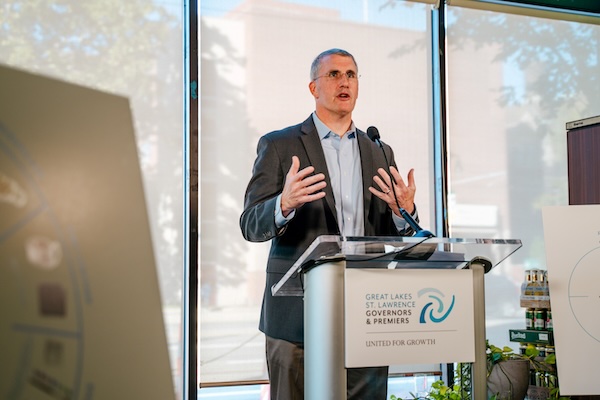
Responsibility
No more landfills: Great Lakes region commits to full utilization of fish byproducts
Most Great Lakes commercial fish waste is no longer landfilled, as companies commit to full utilization and new markets for byproducts.
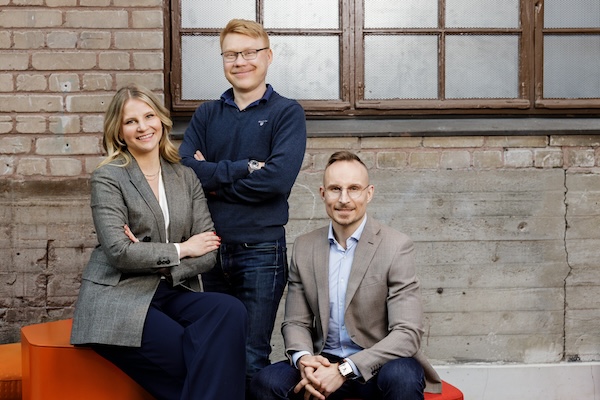
Innovation & Investment
SuperGround to scale food-waste tech that transforms fish scraps and chicken bones into protein
In a funding round led by The Blue Revolution Fund, the Finnish company raises $2.7 million to scale its food waste technology.
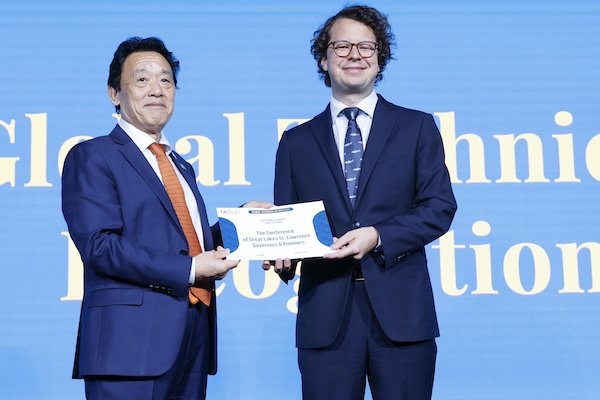
Fisheries
FAO honors Great Lakes initiative valorizing fish waste
FAO recognizes 100% Great Lakes Fish initiative for cutting food waste and creating new products from the whole fish.
Responsibility
Eat the whole fish: A discussion of culture, economics and food waste solutions
The Big Fish Series explored the logistical and cultural challenges in front of greater whole-fish consumption and how much seafood is being wasted.