


Researchers successfully replace fishmeal and fish oil with microalgae in experimental trout feed

UC Santa Cruz researchers replace fishmeal and fish oil in trout feed with microalgae, but cost and large-scale production remain challenges
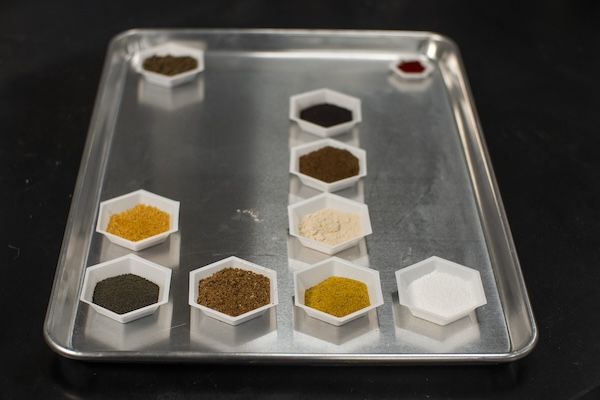
Microalgae and canola oil can replace fishmeal and fish oil in rainbow trout feed without compromising fish growth or digestion, according to new research from the University of California, Santa Cruz.
The findings, published in Antioxidants, suggest that alternative feed formulations could reduce aquaculture’s dependence on wild-caught fish used to produce fishmeal and fish oil.
In a feeding trial lasting more than two months, researchers tested a combination of two microalgae species, Nannochloropsis oculata and Schizochytrium, alongside canola oil. Trout fed the alternative diet showed comparable growth and digestion to fish receiving conventional feed, while the nutritional quality of their fillets also appeared to be maintained.
Fishmeal and fish oil are widely used in aquaculture feeds because they provide essential proteins, fatty acids and other nutrients. However, their production relies partly on wild-caught fish such as anchovies and sardines, raising concerns about pressure on marine ecosystems and competition with other uses of these species.
“This is really groundbreaking,” said Pallab Sarker, an associate professor of environmental studies at UC Santa Cruz and a researcher involved in the study. “The future of feeding the world should not come at the expense of our ocean, and finding sustainable alternatives is essential to producing more food without depleting the marine resources we depend on.”

Fishmeal and fish oil alternatives are here but a greater scale is needed for true impact
The research builds on earlier work in which the team replaced fishmeal with a byproduct of Nannochloropsis oculata, supplemented with taurine and lecithin to support feed acceptance and fish growth.
In the latest study, researchers investigated whether fish oil could also be eliminated by adding oil or whole-cell forms of Schizochytrium alongside canola oil. The combination of both microalgae species proved effective, particularly when Schizochytrium was included in its whole-cell form.
The researchers say microalgae could offer a more stable supply of feed ingredients because they can be cultivated independently of wild fish populations. Some microalgae ingredients can also be recovered as byproducts from the production of supplements and other products.
However, cost and commercial availability remain challenges. Although the experimental feed appears potentially competitive with conventional formulations, the researchers said larger-scale production and testing are needed to establish its commercial viability.
“If we can reduce the use of ocean-derived nutrients, and if we can actually replace it with something like marine microalgae, where you can have more control over the stability of your yield, you’re going to end up with a more stable economic outlook for the producers of the feed ingredient, compared to increased volatility of fishmeal and fish oil supplies and prices as our oceans are warming,” said Anne Kapuscinski, director of UC Santa Cruz’s Coastal Science and Policy Program and a study co-author.
The team has also conducted trials at Mt. Lassen Trout Farm and a California Department of Fish and Wildlife hatchery. Those trials found no statistically significant difference in growth between fish receiving commercial feed and the researchers’ alternative formulation. The research was funded by California Sea Grant and the U.S. Department of Agriculture.
“The next step is to move from promising experimental results towards practical applications,” said Sarker. “We need to evaluate these feeds at larger scales, plus other microalgal byproducts.”
Now that you've reached the end of the article ...
… please consider supporting GSA’s mission to advance responsible seafood practices through education, advocacy and third-party assurances. The Advocate aims to document the evolution of responsible seafood practices and share the expansive knowledge of our vast network of contributors.
By becoming a Global Seafood Alliance member, you’re ensuring that all of the pre-competitive work we do through member benefits, resources and events can continue. Individual membership costs just $50 a year.
Not a GSA member? Join us.
Author

Related Posts
Innovation & Investment
Microalgae in ketchup? Scientists have a recipe for that
Researchers tested microalgae protein in ketchup, finding moderate amounts boosted nutrients without significantly changing its flavor.
Aquafeeds
Consumers skeptical of insect and algae in salmon feed, study finds
Nofima research reveals consumer reservations about insect and algae-based salmon feed, emphasizing the need for greater awareness.

Aquafeeds
Veramaris boosts algae oil production by 61 percent while cutting emissions
A new Veramaris report signals that algae oil can be produced at scale with lower environmental impact, offering a stable alternative to fish oil.
Aquafeeds
BioMar adopts microalgae into aquafeed, hits ‘major sustainability milestone’
Aquafeed supplier BioMar hits a major sustainability goal by reaching 1 million metric tons of salmon feed containing microalgae.