


Catch & Culture Review: Exploring the potential and hurdles of RNA interference in aquaculture

RNAi has significant potential via dsRNA gene silencing, enabling effective control of viruses, bacteria and parasites
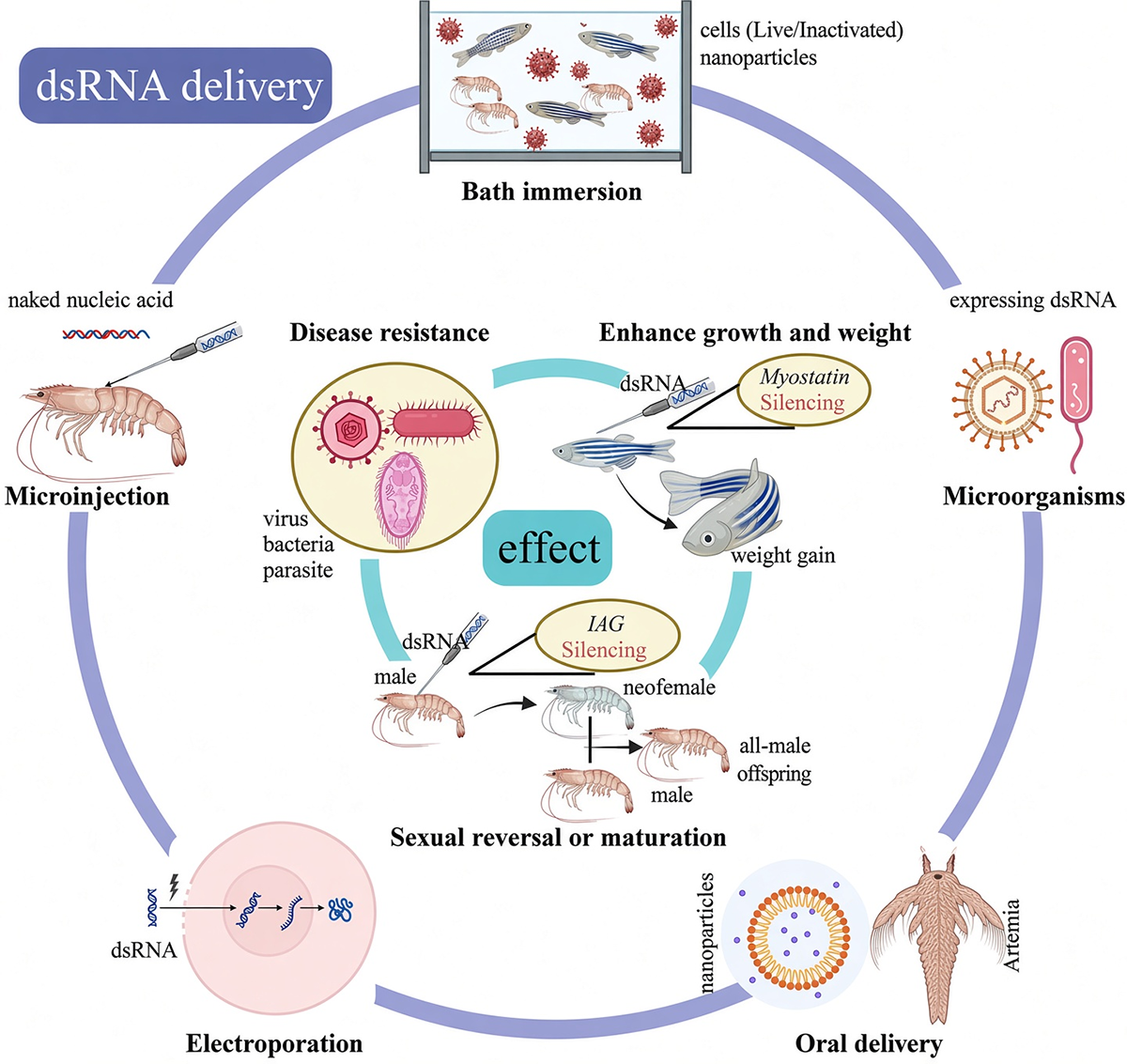
RNA interference (RNAi) is a natural cell process that turns off specific genes by destroying the instructions (messenger RNA) needed to make a protein. Scientists use it by adding specially designed double-stranded RNA (dsRNA) that matches a target gene, triggering the cell to silence that gene. This method will help researchers study how genes work as it has strong potential for controlling aquaculture diseases and improving production.
A review by Jinyong Zhang and colleagues at Qingdao Agricultural University in China offers a thorough examination of dsRNA-mediated RNAi applications for both pathogen control and productivity gains in aquaculture.
For disease control, RNAi has successfully targeted viral, bacterial and parasitic pathogens, resulting in higher survival rates. On the production side, RNAi shows strong potential to promote growth and weight gain by suppressing muscle-growth inhibitory factors and to support sex-controlled breeding through induced sex reversal, thereby markedly improving economic returns. Despite this progress, practical deployment continues to be hindered by limitations in delivery efficiency, molecular stability and off-target effects.
Several delivery approaches, including microinjection and microbial vectors, have been developed to increase the efficiency of dsRNA administration; however, the selection of an appropriate method must be adapted to specific environmental conditions and operational needs.

RNAi shows strong potential in aquaculture through dsRNA-mediated gene regulation, disease management, and improved production efficiency. It effectively targets viruses, bacteria and parasites, resulting in higher survival rates in fish and shrimp. It also increases aquaculture productivity by promoting growth and enabling sex control. But RNAi is still limited by challenges in delivery efficiency, molecular stability, and off-target effects.
Overall, successful adoption of dsRNA-mediated RNAi in aquaculture will require refined dosage and delivery protocols, deeper insight into the uptake mechanisms of exogenous dsRNA, and resolution of remaining technical obstacles to enable the shift from laboratory research to large-scale commercial use.
Relevance of research findings to the industry
For commercial aquaculture operators, the study findings point to two high-value opportunities. First, disease losses remain one of the largest costs in shrimp and fish farming. A method that can specifically silence viral or bacterial genes without relying on antibiotics or broad-spectrum chemicals offers a more precise and potentially more sustainable route to higher survival. And second, the ability to accelerate growth or manipulate sex ratios could shorten production cycles and improve the proportion of higher-value animals reaching market size.
Because the technology works at the gene level rather than by introducing foreign DNA, it may face fewer regulatory hurdles than traditional transgenic approaches in some jurisdictions. At the same time, the need for reliable, low-cost delivery systems means the industry cannot simply adopt laboratory protocols immediately. Feed-based or immersion methods that protect dsRNA from degradation will be essential if the technology is to become practical at pond or cage scale. Early collaboration between researchers, aquafeed companies and producers will therefore be important to test formulations under real farming conditions and to quantify economic returns.
Perspectives
In aquaculture, RNAi has developed into a valuable genetic regulation tool with strong potential for managing disease and improving productivity. Scientists have effectively applied dsRNA-mediated RNAi to inhibit the expression of pathogens such as bacteria, viruses and parasites, leading to higher survival rates among aquatic animals. RNAi also shows encouraging uses in promoting growth and inducing sex reversal, which can improve the economic performance of aquaculture systems.
The study authors argue that three areas need focused attention. Delivery strategies must be refined so that effective doses reach target tissues without repeated handling of individual animals. Scientists also need a clearer picture of how aquatic animals take up exogenous dsRNA from the surrounding water or from feed; this knowledge will guide the design of better carriers. Finally, residual technical issues – molecular stability, potential off-target effects and consistent dosing across large populations – must be resolved before large-scale commercial adoption becomes realistic.
If these obstacles can be overcome, dsRNA-mediated RNAi has the potential to become a routine tool for both health management and genetic improvement in aquaculture. The results would be more resilient stocks, higher productivity and a smaller environmental footprint. Continued investment in delivery technology and carefully designed field trials are needed to fully realize the potential of this promising technology.
Probiotics benefit Pacific white shrimp challenged with AHPND
Probiotic approaches for Vibrio suppression in Pacific white shrimp farming
The aquaculture of Pacific white shrimp (Litopenaeus vannamei) is one of the most important segments of global aquaculture, yet it continues to suffer heavy losses from bacterial diseases caused by Vibrio species. Outbreaks of Vibriosis and acute hepatopancreatic necrosis disease (AHPND) can wipe out large portions of a shrimp crop in a matter of days. This comprehensive review examines the growing body of evidence that probiotics can act as effective Vibrio-suppressing agents in L. vannamei culture systems.
In this review by Tashrif Mahmud Minhaz and colleagues at the Chattogram Veterinary and Animal Sciences University and the Bangladesh Fisheries Research Institute in Bangladesh, the researchers surveyed the main groups of bacteria that have shown promise – including various Bacillus species, lactic acid bacteria such as Lactobacillus and Lacticaseibacillus, and occasional other genera – and describe how these probiotics work through several complementary mechanisms.
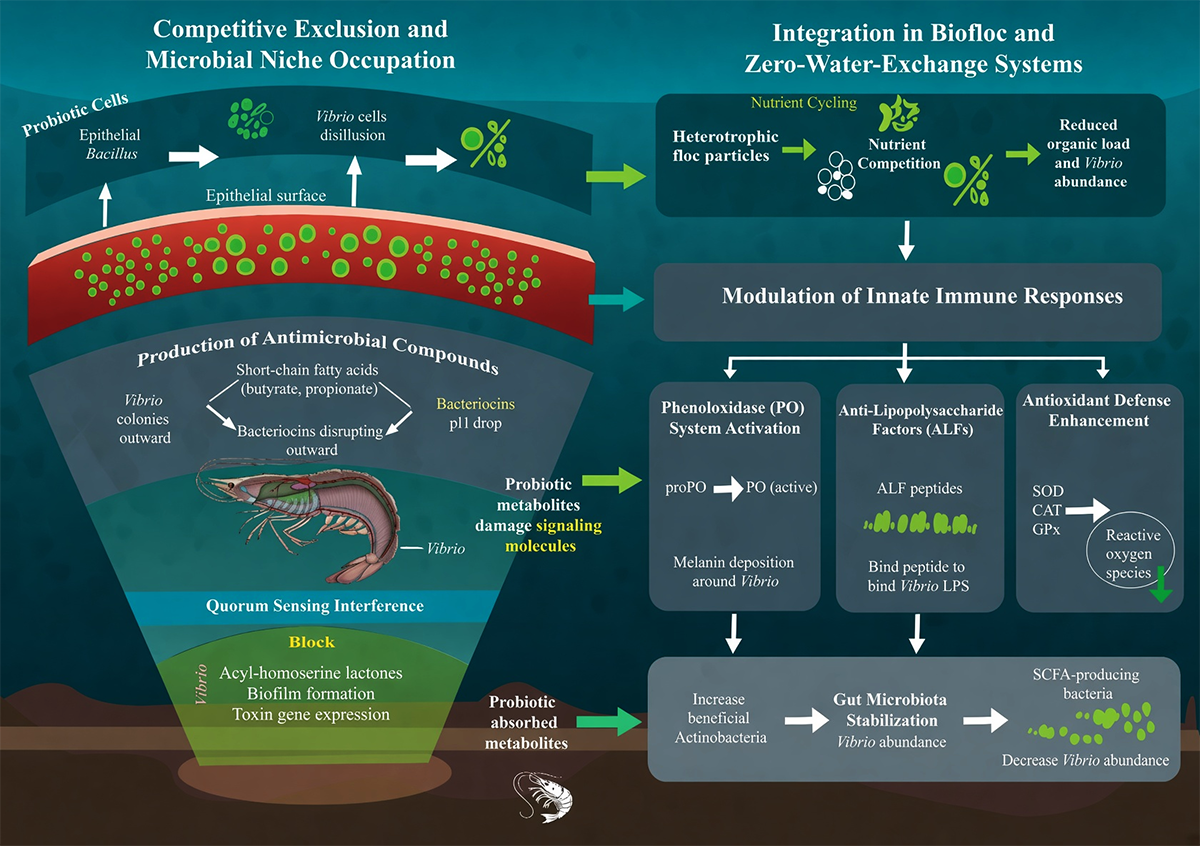
Competitive exclusion prevents pathogenic Vibrio from colonizing the gut or the surrounding water. Many strains produce antimicrobial compounds – bacteriocins, organic acids and enzymes – that directly inhibit Vibrio growth. At the same time, probiotics help restructure the shrimp’s intestinal microbiome, increasing beneficial populations while reducing the relative abundance of opportunistic pathogens.
Several studies also report improved non-specific immune responses, higher total hemocyte counts and elevated activity of key enzymes such as phenoloxidase and superoxide dismutase. In practical terms, these biological effects translate into higher survival rates after experimental Vibrio challenges and, in many cases, better growth performance and water quality.
The review carefully distinguishes between laboratory results and farm-scale outcomes. While injection or high-dose immersion trials often produce dramatic reductions in mortality, commercial success depends on practical delivery methods – usually through feed or direct addition to pond water – and on consistent dosing. The authors note that multi-strain consortia frequently outperform single-strain products, and that native or shrimp-derived isolates tend to colonize more effectively than generic terrestrial strains. They also highlight the importance of matching the probiotic to the specific Vibrio threat and to local environmental conditions.
Overall, this research presents probiotics as a practical, science-based tool that can meaningfully reduce Vibrio pressure when used thoughtfully within an integrated health-management strategy.
Relevance of research findings to the industry
For commercial shrimp farmers the findings provide practical and actionable directions. Pathogenic Vibrio remains one of the top causes of economic loss, especially in intensive and semi-intensive systems. The use of properly selected probiotics can lower mortality, improve feed conversion, and help meet export-market quality and requirements. Because many effective strains also improve water quality by reducing ammonia and organic load, the same product can deliver dual benefits – health protection and environmental management – without requiring major changes to existing farm infrastructure.
The review’s emphasis on multi-strain and native probiotics is particularly useful for producers and aquafeed companies. It suggests that off-the-shelf single-strain products may deliver inconsistent results, whereas carefully designed consortia adapted to local conditions are more likely to perform reliably. This information can guide purchasing decisions, in-house strain screening programs and collaboration with research laboratories. For example, in regions where AHPND is endemic, the documented ability of certain Bacillus and lactic-acid-bacteria combinations to suppress V. parahaemolyticus offers a concrete, non-antibiotic option that can be incorporated into existing biosecurity and production management protocols.
Perspectives
The study emphasizes that the next phase of development must focus on consistency and scalability. Strain selection criteria need to become more standardized and more long-term farm trials are required to confirm laboratory findings under real production conditions. Combining probiotics with other functional ingredients – prebiotics, postbiotics, or immunostimulants – may further improve reliability. Advances in microbiome sequencing and rapid diagnostics will also allow farmers to monitor Vibrio loads and probiotic establishment in real time, turning empirical application into precision management.
Regulatory frameworks will need to keep pace so that effective native strains can be commercialized without excessive delay. At the same time, producers and researchers should remain realistic: Probiotics are most effective as a preventive tool within a broader system of good husbandry, water-quality control and biosecurity. When properly used, they have clear potential to reduce disease losses, support more sustainable production, and help support the important L. vannamei global industry.
The role of encapsulation technologies in aquaculture nutrition: Practical uses, innovations and prospective developments

The global aquaculture industry increasingly relies on functional feeds, prophylactic agents, and water-quality additives. However, the performance of many bioactive compounds remains limited by oxidative degradation and activity loss, rapid dissolution and leaching in aquatic settings, and mismatches between laboratory dosing conditions and actual farm feeding practices and needs under commercial production conditions.
This review by Gangchun Xu and coworkers at the Chinese Academy of Fishery Sciences and the Nanjing Agricultural University in China consolidates recent progress in food-grade carriers and production methods applicable to aquaculture, focusing on three central objectives: (1) improving nutrient stability and regulated delivery; (2) increasing the mucosal targeting efficiency of oral vaccines and therapeutics; and (3) creating water-regulation capabilities through sustained-release nutrients and recyclable adsorbent materials.
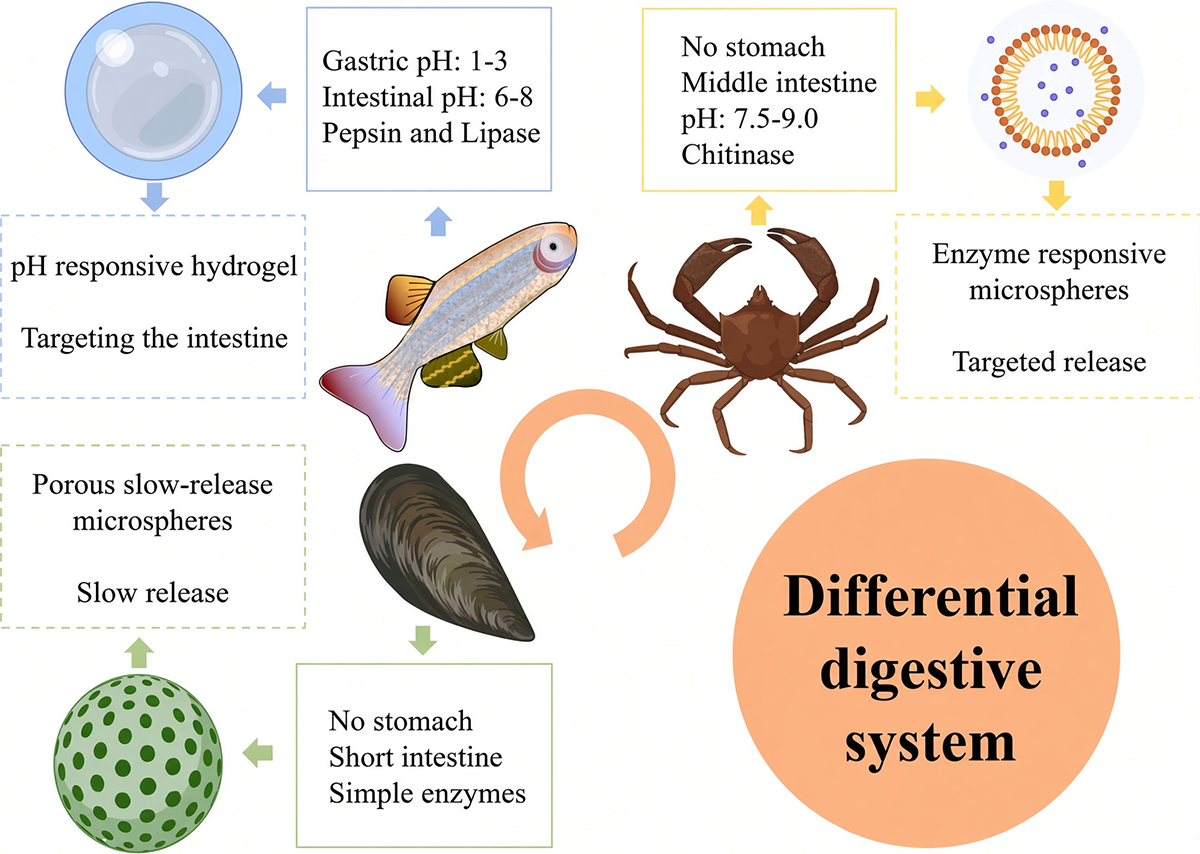
Mature food-grade encapsulation approaches – including micro- and nanoencapsulation, emulsions, liposomes and hydrogel systems – can shield labile ingredients and provide controlled release. Successful transfer of these technologies to aquaculture, however, demands deliberate adaptation to open-water conditions, mechanical stresses encountered during aquafeed manufacturing and substantial interspecies variation in digestive physiology.
This review also critically examines major translational barriers, such as species-dependent release kinetics, carrier aggregation and biofouling within complex aquatic environments, full life-cycle toxicological assessment for non-target organisms and economic and scalability constraints that hinder industrial adoption. Finally, the review identifies future research priorities, including standardized in-vitro digestion and leaching assays, cross-species benchmarking frameworks, and stimuli-responsive “smart” carriers, to speed the progression from laboratory proof-of-concept to practical, field-deployable products.
Overall, to overcome the challenges of applying encapsulation in aquaculture, strategies must be implemented for transferring proven food-industry techniques into this sector. These include constructing micro- and nano-encapsulated delivery systems that improve the efficiency of nutrient and therapeutic delivery. At the same time, environment-responsive encapsulation materials must be developed to support water-quality regulation through controlled release. Utilizing agricultural or processing by-products further enables the creation of a circular “raw material–application–regeneration” system that reduces waste and costs. Finally, greater interdisciplinary collaboration is recommended to drive technological innovation and accelerate practical adoption.
Relevance of research findings to the industry
For feed manufacturers and farmers, the most immediate value lies in reducing waste of expensive or sensitive ingredients. Nutrients and therapeutics that currently leach into the water represent both an economic loss and a potential environmental burden. Encapsulation that keeps these compounds stable until they reach the animal can improve feed conversion ratios, lower the required dosage of vaccines or drugs, and reduce the frequency of water-quality interventions.
Companies already producing functional feeds or probiotic supplements stand to benefit from more predictable performance under commercial conditions. The emphasis on using by-products and recyclable materials also aligns with growing pressure for circular production systems and lower environmental footprints. At the same time, the paper’s candid discussion of cost, scalability, and species differences serves as a useful reality check: laboratory success does not automatically translate into farm success.
Producers and suppliers who invest in species-specific testing and robust manufacturing processes will be better positioned than those who treat encapsulation as a generic add-on. Regulators and certification bodies may also find the call for standardized assays and toxicological evaluation helpful. Clearer testing protocols would support consistent safety assessments and make it easier for new encapsulated products to gain approval.
Perspectives
This review underscores the scientific principles and practical demands involved in adapting food encapsulation technologies for aquaculture. In this setting, active compounds must stay stable in open water and be released effectively inside the gastrointestinal tract. By bringing together progress in carrier materials, delivery approaches, and real-world uses, the paper identifies the main technical gaps that still prevent widespread field use.
Special attention is given to shortcomings in water-phase release behavior and overall process robustness. The stresses of feed manufacturing and the highly variable, species-specific patterns of intestinal release are also flagged as critical factors that shape actual performance. Closing these gaps through standardized testing methods, pilot-scale trials, and cost-conscious design will be necessary to move promising laboratory formulations into dependable tools for sustainable aquaculture.
The path from promising laboratory results to everyday use on farms is still incomplete, yet the direction is clear. The next few years will likely see greater emphasis on practical engineering, including carriers that survive pelletizing, remain stable in saline or freshwater systems, and release their contents according to the digestive physiology of the target species. Environment-responsive materials that help regulate water quality while delivering nutrition represent an especially interesting dual-purpose opportunity.
Interdisciplinary work is essential: materials scientists, aquaculture nutritionists, veterinarians, and process engineers need to collaborate more closely if the field is to move beyond proof-of-concept studies. Equally important is the development of shared testing standards so that results from different laboratories can be compared directly.
Now that you've reached the end of the article ...
… please consider supporting GSA’s mission to advance responsible seafood practices through education, advocacy and third-party assurances. The Advocate aims to document the evolution of responsible seafood practices and share the expansive knowledge of our vast network of contributors.
By becoming a Global Seafood Alliance member, you’re ensuring that all of the pre-competitive work we do through member benefits, resources and events can continue. Individual membership costs just $50 a year.
Not a GSA member? Join us.
Author
-

Editor Emeritus
Related Posts
Health & Welfare
Barcoding, nucleic acid sequencing are powerful resources for aquaculture
DNA barcoding and nucleic acid sequencing technologies are important tools to build and maintain an identification library of aquacultured and other aquatic species that is accessible online for the scientific, commercial and regulatory communities.

Innovation & Investment
‘Choices are limited when searching for alternatives to antibiotics’: How one veterinarian is employing bacteriophages to fight Vibriosis in shrimp farming
GOAL 2022: Bacteriophages can overcome antibiotics in aquaculture's fight against Vibriosis in shrimp farming, and Dr. C.R. Subhashini is leading that fight.
Health & Welfare
Determination of the infectious agent of Translucent Postlarva Disease in Pacific white shrimp
Systematic analyses confirm novel V. parahaemolyticus is causative agent associated with Translucent Postlarva Disease, which hit China in 2020.
Intelligence
Can GIS-based proxy models estimate aquaculture production capacity?
GIS-based carrying-capacity evaluations can be dynamic decision-support tools providing insights for aquaculture spatial planning and management.