Responsibility
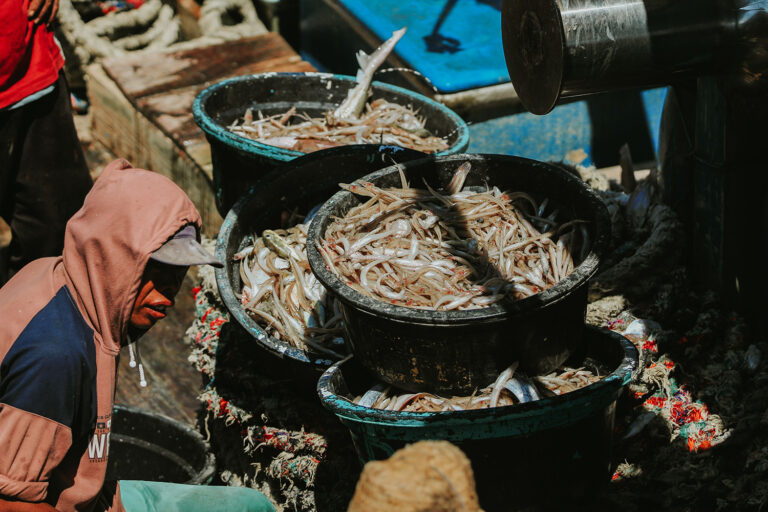
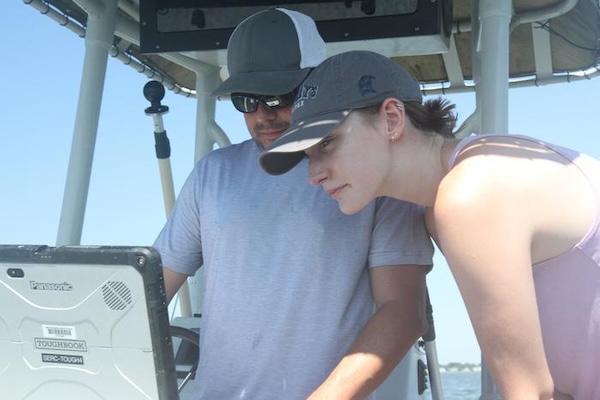
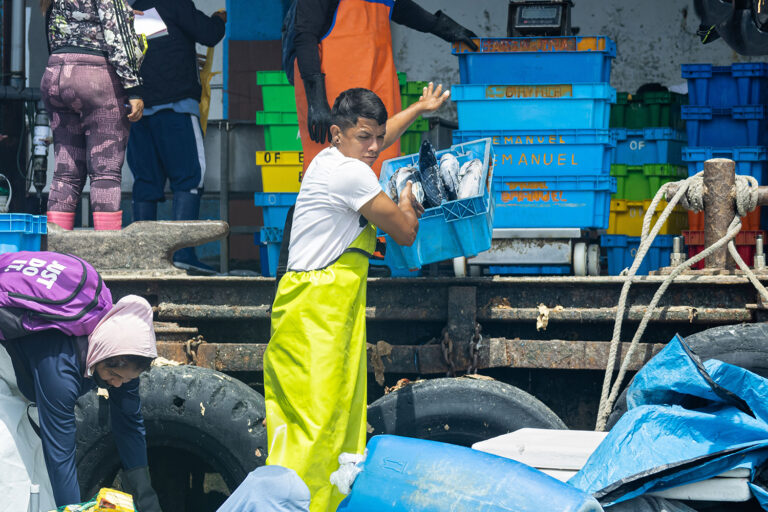
Mapping seafood workforce’s hidden gender gap: The challenge that ‘isn’t always visible’
A Maine researcher finds that a seafood industry workforce data gender gap leaves many women’s contributions uncounted.
Responsibility
A Maine researcher finds that a seafood industry workforce data gender gap leaves many women’s contributions uncounted.
Intelligence
This review of recent aquaculture literature begins with understanding the molecular mechanisms of cold adaptation in fish, crustaceans and mollusks.
Intelligence
FAO’s SOFIA 2026 report highlights record seafood production, growing trade and rising climate change-related risks.
Intelligence
Study suggests omega-3s may provide greater brain health benefits through diet than through fish oil supplements alone.
Health & Welfare
Epigenetic regulation is a fundamental mechanism enabling the bacteria that cause Columnaris disease to adapt to prolonged starvation.
Innovation & Investment
A mobile queen conch hatchery in The Bahamas has recorded its first hatch, advancing restoration efforts for the threatened species.
F3's new global contest will test if carnivorous fish can be raised commercially on aquaculture feed made without fishmeal, fish oil or krill.
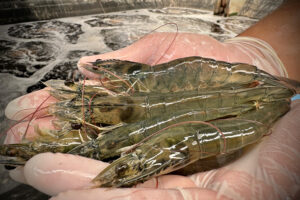
Bioacoustics shift shrimp farming to proactive, precision feed management to optimize shrimp growth and reduce feed waste costs as a biosensor.
Innovafeed and IRBI launch FrenchFly to scale insect protein in France, targeting key barriers in black soldier fly production.
In Vietnam, marine plastic pollution cuts the income of small-scale fishers by 25 percent and costs about $3,400 per vessel annually.
A decade after a the anti-IUU fishing Port State Measures Agreement, overfishing in the Mediterranean and Black Sea drops to record lows.
Study finds that greater amberjack in the Gulf of Mexico and South Atlantic may benefit from separate fisheries management approaches.
Precision aquaculture, powered by real-time monitoring systems, is revolutionizing how fish farmers approach feed management.
Australia’s national science agency, CSIRO, has been awarded the right to host the next International Symposium on Fish Nutrition and Feeding (ISFNF XXII) in Darwin, Northern Territory, Australia in May 2026.
Sightline Systems' new AQUA Sightline 2.0 is latest wave of artificial intelligence applications designed specifically for aquaculture.
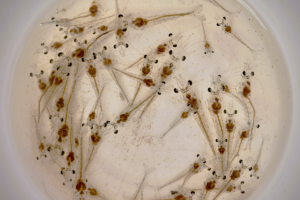
Three studies confirm a Vibrio parahaemolyticus strain outside China and offer detection and biosecurity advice for translucent post-larvae disease.
SINTEF researchers found stressed salmon produced unusual clicking sounds during experiments examining noise and fish welfare in aquaculture.
Scottish salmon survival rates reached record highs in early 2026, reflecting continued investment in fish health and farm management.
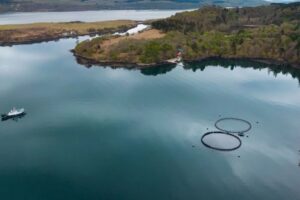
Okayama University of Science and Murakami City are testing a closed-cycle recirculating aquaculture system as salmon returns decline.
NOAA's new $13.5 million aquaculture initiative will support research, technology development and seafood production.
Norway’s salmon sector is rapidly adopting smart cameras and the performance gap between farms with and without these systems is becoming harder to ignore.
New research reveals how giant kelp captures sunlight, offering insights that could inform future carbon capture technologies.
The FIFO Performance Tool was used to show that farmed salmon can be a net producer of edible omega-3s when nutrient retention is counted.
A Nofima study found omega-11 in marine oil from herring and mackerel reduced psoriasis-related inflammation in skin cells.
Four-decade analysis finds mangrove forest restoration and natural regeneration are reversing the trends of mangrove loss globally.
Climate change and declining wild fish stocks are pushing Caribbean states to consider aquaculture as a technical fix and socioeconomic driver.
Research shows sewage pollution affects most marine protected areas, raising questions about ocean conservation strategies.
Tres estudios confirman la presencia de una cepa de Vibrio parahaemolyticus fuera de China y ofrecen recomendaciones sobre detección y bioseguridad para la enfermedad de las postlarvas translúcidas.
La bioacústica transforma el cultivo de camarones hacia una gestión de la alimentación proactiva y de precisión, optimizando el crecimiento de los camarones y reduciendo los costos derivados del desperdicio de alimento, al actuar como biosensor.
Los procedimientos de reversión sexual de la tilapia presentan aspectos positivos; no obstante, persisten las barreras regulatorias y las preocupaciones en torno al bienestar animal, la seguridad de los trabajadores y los impactos ambientales.