Responsibility
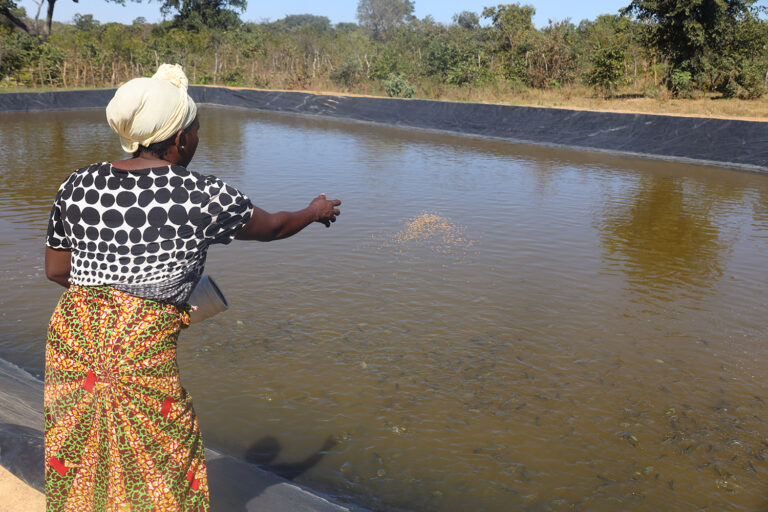
Championing gender equality in Zambia through fish farming
Women are now at the forefront of Zambia’s tilapia industry – a cornerstone for regional food security – and challenging traditional gender roles.


Responsibility
Women are now at the forefront of Zambia’s tilapia industry – a cornerstone for regional food security – and challenging traditional gender roles.
Aquafeeds
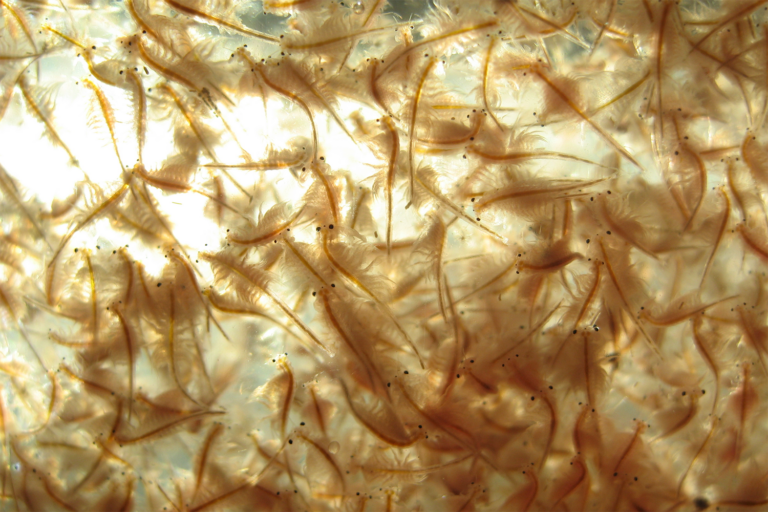
This review of recent aquaculture literature dives into the potential of artemia to mediate epigenetic regulation, microalgae-based vaccine development and more.

Intelligence
Research reveals shifting seafood spending among GLP-1 users and opportunities for seafood brands to focus on convenience, portions and engagement.
Innovation & Investment
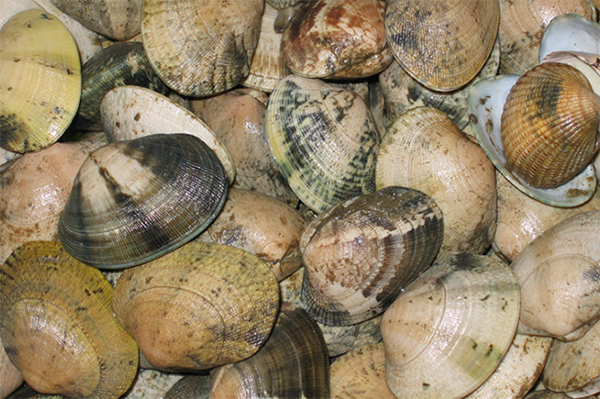
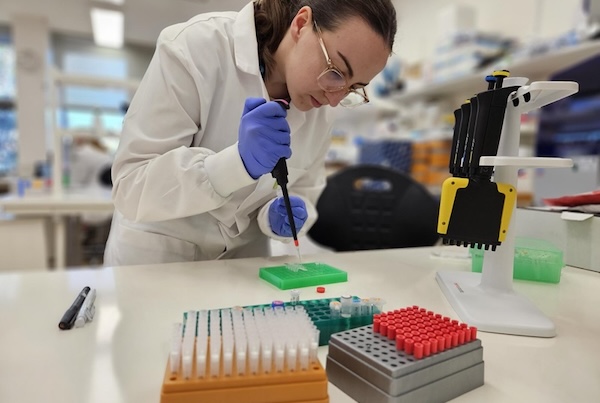
Affordable DNA chip quickly genotypes clams, helping breeders trace family lines and monitor diversity and inbreeding in farmed and wild stocks.
Fisheries
Studies in Australia and Japan show how DNA testing improves fish identification and helps track species distributions amid climate change.
Health & Welfare
MIT engineers develop silk microneedles for underwater fish vaccination, potentially improving safety and efficiency for aquaculture.
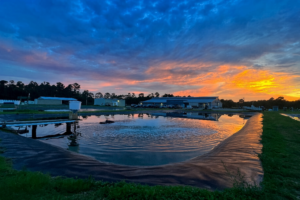
Sonic feeding, best for larger farms, requires major capital and technical staff. Smaller operations may still prefer well-managed hand or timer systems.
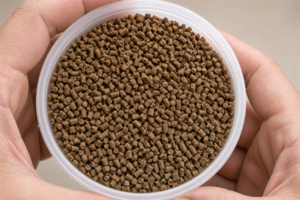
The Aquaculture Pathology Laboratory’s new diagnostic platform combines two PCR methods to assess biosecurity risks of formulated aquaculture feeds.
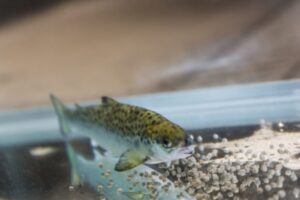
Breeding leaner salmon could improve feed efficiency and save Norway’s salmon industry over $100 million annually, according to Nofima.
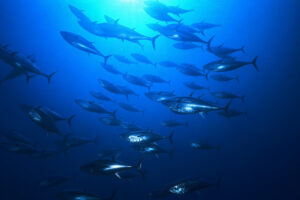
This review of recent fisheries literature examines bluefin tuna catch rates, ecosystem-based fisheries management and acoustic aggregation patterns. Findings support regionally and seasonally targeted management and conservation, while showing the value of scientific catch-and-release fishing.
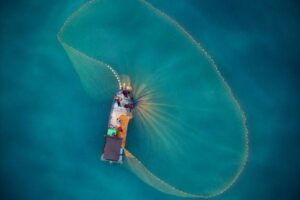
New research identifies fishing vessel tracking patterns off West Africa that could help authorities target illegal fishing investigations.
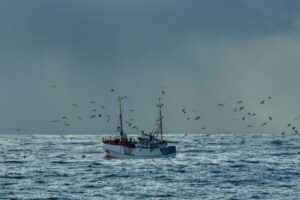
The EM4SSF project is tracking small-scale fishing vessels across five European countries to inform fisheries management.

Precision aquaculture, powered by real-time monitoring systems, is revolutionizing how fish farmers approach feed management.

Australia’s national science agency, CSIRO, has been awarded the right to host the next International Symposium on Fish Nutrition and Feeding (ISFNF XXII) in Darwin, Northern Territory, Australia in May 2026.
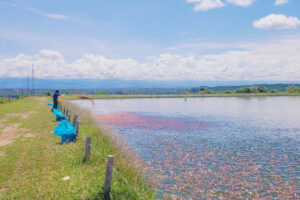
Sightline Systems' new AQUA Sightline 2.0 is latest wave of artificial intelligence applications designed specifically for aquaculture.
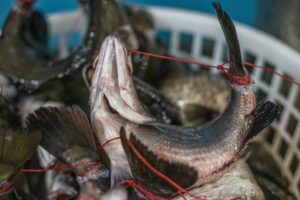
Taiwan plans to phase out fish arching through wholesale market restrictions and inspections to address animal welfare concerns.
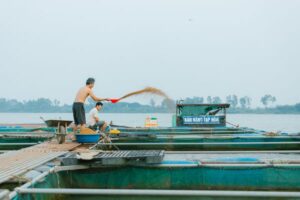
The University of Stirling has received $3.2 million to study antimicrobial resistance in Vietnam’s pangasius farming industry.
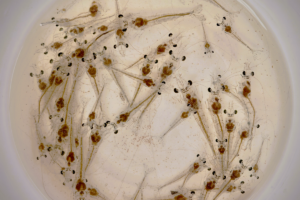
This review of aquaculture literature examines shrimp larvae research gaps, functional attributes of yeast and Edwardsiellosis in tilapia farming.

Hatch Blue's latest report examines barriers to U.S. aquaculture investment and identifies growth opportunities for the seafood industry.
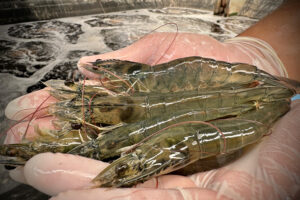
Passive acoustic monitoring provides new non-invasive insights into shrimp feeding behavior while driving more precise automated feeding systems.
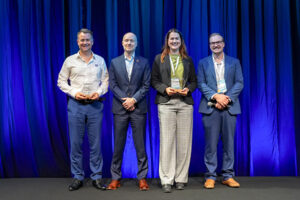
WildTechDNA and 100% Great Lakes Fish win 2026 Responsible Seafood Innovation Awards for aquaculture health and full fish utilization.

Ecuador’s record-breaking shrimp sector is entering an efficient new phase, powered by AI-enabled feed technologies and advances in genetics.

Universidad de Los Lagos plans to expand farmed turbot production in Chile, targeting domestic markets and potential global exports.
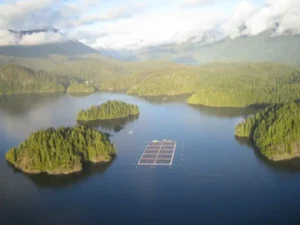
Sea lice persist on wild juvenile salmon after BC salmon farm closures, but further research is needed to understand what drives infestations.

Study finds that crushed shells reduce local acidity and improve juvenile clam growth, potentially protecting them from ocean acidification.
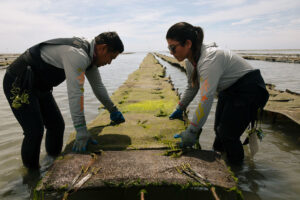
Regenerative aquaculture – turning waste into resources while restoring ecosystems – is gaining traction as a powerful shift in the sector.
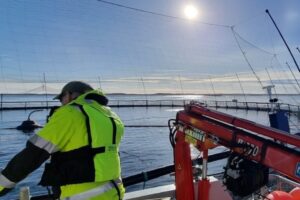
New research highlights workplace safety concerns in Norwegian aquaculture, including near misses, health risks and production pressures.
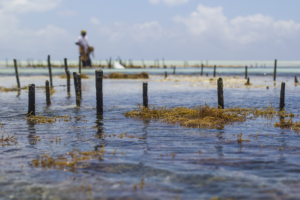
Esta revisión de la literatura sobre acuacultura evalúa cómo las macroalgas y microalgas pueden enriquecer alimentos funcionales, nutracéuticos, productos enriquecidos con proteínas y dietas personalizadas.
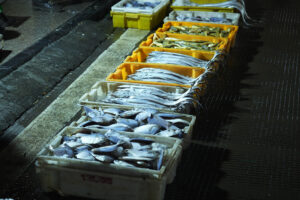
Una iniciativa regional liderada por Seafood Legacy une a Japón, China y Corea del Sur para abordar desafíos comunes en la pesca, la acuacultura y las cadenas de suministro de productos del mar.
El monitoreo acústico pasivo aporta nueva información no invasiva sobre el comportamiento alimentario de los camarones, al tiempo que impulsa sistemas de alimentación automatizados más precisos.