


DNA testing reveals new fish species records in Australia and Japan

Genetic analysis confirms rare tuna catches in Australia and detects 126 fish species farther north than previously recorded in Japan
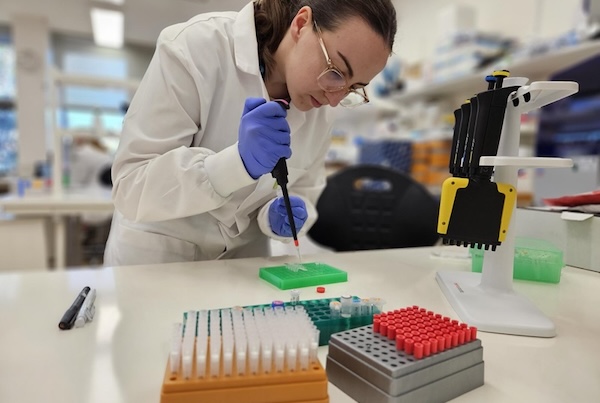
DNA testing is helping scientists identify fish species and better understand where they occur, with recent research in Australia and Japan revealing new records that could improve knowledge of marine ecosystems and fisheries.
In southeastern Australia, scientists at the Commonwealth Scientific and Industrial Research Organisation (CSIRO) confirmed that two large tuna caught by recreational anglers were Pacific bluefin tuna (Thunnus orientalis), marking the first genetically confirmed recreational catches of the species in the state of Victoria.
Meanwhile, researchers at the Okinawa Institute of Science and Technology (OIST) in Japan used environmental DNA (eDNA) collected from seawater to detect 126 fish species farther north than previously recorded.
Although the studies used different approaches, both demonstrate how genetic analysis can provide information about fish species that may be difficult to obtain through conventional identification and monitoring methods.

The Australian discovery followed the capture of two tuna in Bass Strait, off Western Port Bay, in July 2026. The fish weighed approximately 165 kilograms and 131.6 kilograms and were initially believed to be southern bluefin tuna (Thunnus maccoyii).
However, experienced fisher Dave Standing and Tuna Champions scientific ambassador Jonah Yick, along with other fishers, noticed unusual physical characteristics that raised questions about their identity.
“The Pacific and southern bluefin tuna look very similar to the naked eye,” said Yick. “But there are subtle differences which can be used to distinguish between the two species, which include anal and second dorsal fin length, markings on their skin, body shape, and average size.”
Standing coordinated the collection of muscle samples, which were passed through Yick to CSIRO principal research scientist Peter Grewe. An initial DNA screening identified both fish as Pacific bluefin tuna, with subsequent forensic-grade sequencing confirming the results.
“I’m extremely confident in these results following a secondary forensic-grade sequencing analysis further confirming our initial quick species ID test,” Grewe said.
Pacific and southern bluefin tuna are difficult to distinguish visually. According to CSIRO, without genetic testing, both fish would almost certainly have been recorded as southern bluefin tuna.
Although Pacific bluefin tuna have previously been caught by commercial longliners in Victorian waters, those catches generally occurred farther offshore. CSIRO said the recreational catches suggest the species may occur in southern Australian waters more frequently than previously recognized.
Grewe also noted that increased recreational tuna fishing activity could be contributing to more encounters with less commonly caught species.
“The fact that these two fish were caught in close proximity, literally on Melbourne’s doorstep, within 10 kilometers of the shoreline, is an amazing catch and story,” Yick said.
In Japan, researchers used a different genetic approach to investigate fish distributions on a much larger scale.
The study, published in Diversity and Distributions, analyzed 2,672 environmental DNA samples collected between 2017 and 2024 from 316 locations along Japan’s coastline.
Environmental DNA sampling involves collecting seawater containing genetic material shed by marine organisms. Researchers extract and sequence the DNA, then compare it with reference databases to identify the species represented in the samples.
The Japanese study included nearly 1,000 newly collected samples and detected thousands of fish species, including 126 found farther north than previous records indicated.
Among those species were commercially important fish such as Japanese scad (Decapterus maruadsi) and blacktip grouper (Epinephelus fasciatus), as well as black rabbitfish (Siganus fuscescens), a species associated with damage to seaweed beds.
The findings provide new information about fish distributions as rising ocean temperatures alter marine habitats, with some species moving toward cooler waters.
“Fishermen across Japan are already finding differences in the types of fish they reel in compared to a few decades ago,” said Timothy Ravasi, head of the Marine Climate Change Unit at OIST and senior author of the study. “This is a problem because the people in these areas may not be used to buying, cooking or eating these new kinds of fish, and at the same time, they can’t make the dishes that might be culturally or historically significant because those fish aren’t there anymore.”
Ravasi also noted that changes in the types of fish available can require new fishing techniques, equipment and knowledge, creating challenges for small, family-run fishing businesses.
The Japanese researchers said eDNA sampling can supplement existing monitoring methods, including field surveys, specimen collection and observations from citizen scientists.
Ayşe Haruka Oshima Açıkbaş, the study’s first author, said Japan’s existing genetic reference data played an important role in the research.
“One advantage of applying this method in Japan was the fact that the reference DNA sequences needed for eDNA analysis, known as the MiFish primers, were developed in Japan,” she said. “Researchers have put tons of effort into sequencing the local marine fauna, increasing the coverage and accuracy of species detection within Japan.”
Both studies highlight the importance of combining genetic analysis with information gathered by people working along the coast and at sea.
“Information from people out on the water every day is invaluable to scientists,” Grewe said.
Now that you've reached the end of the article ...
… please consider supporting GSA’s mission to advance responsible seafood practices through education, advocacy and third-party assurances. The Advocate aims to document the evolution of responsible seafood practices and share the expansive knowledge of our vast network of contributors.
By becoming a Global Seafood Alliance member, you’re ensuring that all of the pre-competitive work we do through member benefits, resources and events can continue. Individual membership costs just $50 a year.
Not a GSA member? Join us.
Author

Related Posts

Intelligence
ID check: Rapid DNA testing is altering the frontline war on seafood fraud
New technology makes it possible to verify a fish species in just minutes, potentially transforming conservation, trade and consumer confidence.
Intelligence
Can handheld DNA testing technology stand up to seafood fraud?
The MasSpec Pen, developed to diagnose tumors, can identify fish species by touching the tip to a sample. But the species database is lacking.
Fisheries
Salmon-counting could be a breeze as environmental DNA technology advances
Study shows that environmental DNA (eDNA) can be detected in the air with no power sources, a potential boon for salmon fisheries managers.
Innovation & Investment
Can environmental DNA transform seabed monitoring in Scottish salmon farms?
New environmental DNA method may enable faster, cheaper seabed monitoring, shifting how salmon farms and regulators assess ecological impact.