Fisheries
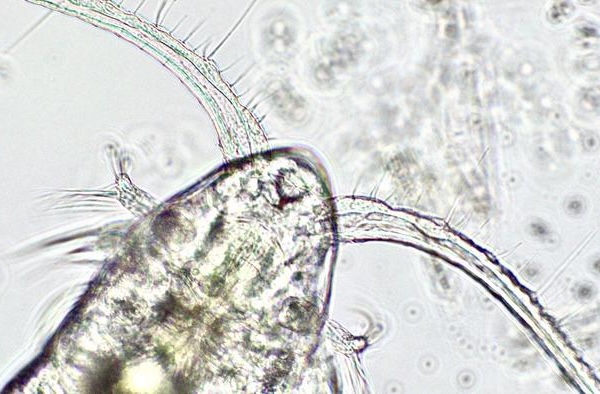
New technique could give fisheries advance warning before harmful algal blooms
A new monitoring technique could give fisheries up to seven weeks of warning before harmful algal toxins reach dangerous levels.


Fisheries
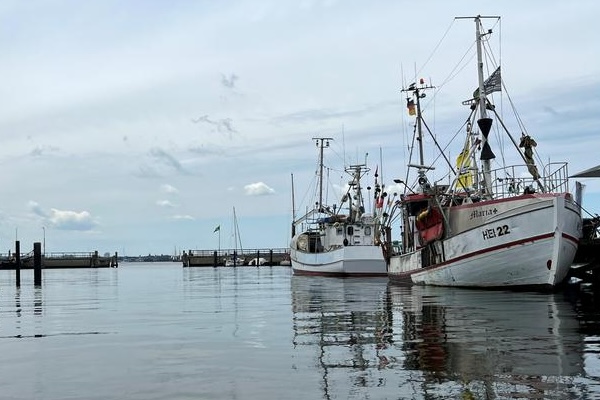
Study of a historic Baltic herring fishery collapse shows why fisheries management must consider environmental, economic and social pressures.
Fisheries
A new monitoring technique could give fisheries up to seven weeks of warning before harmful algal toxins reach dangerous levels.
Responsibility
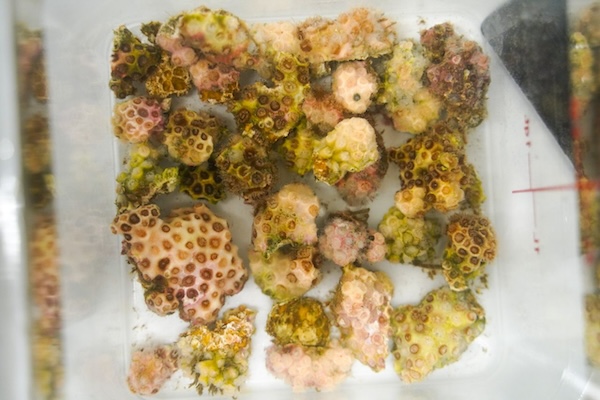
A new method for raising temperate corals in the lab could help researchers study how corals respond to ocean warming and other pressures.
Health & Welfare
Ocean warming could reduce omega-3 levels in fish and other marine organisms, with potential implications for seafood nutrition.
Responsibility
Marine heatwaves could disrupt seafood supplies, fuel harmful algal blooms and pose growing physical and mental health risks, a study finds.
Fisheries
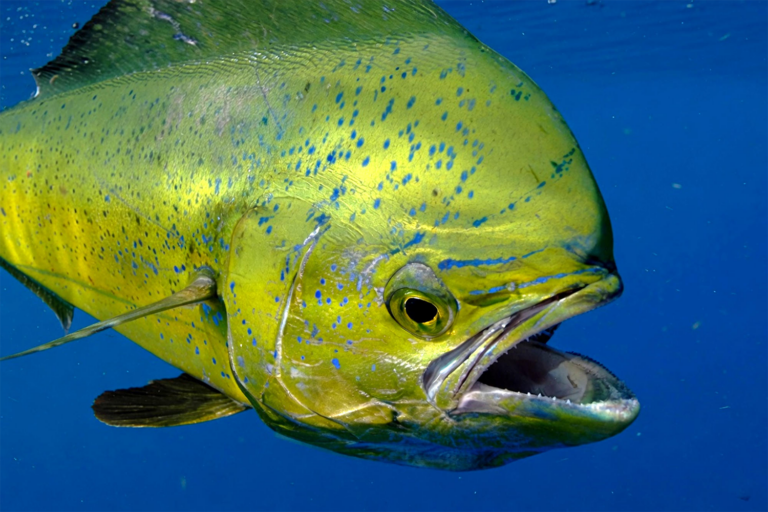
This review of recent fisheries literatures explores population dynamics of mahimahi, marine protected areas and sea scallop adaptation.
Fisheries
Climate resilience could help U.S. fisheries reduce climate risks, recover faster and improve long-term competitiveness, researchers say.
Responsibility
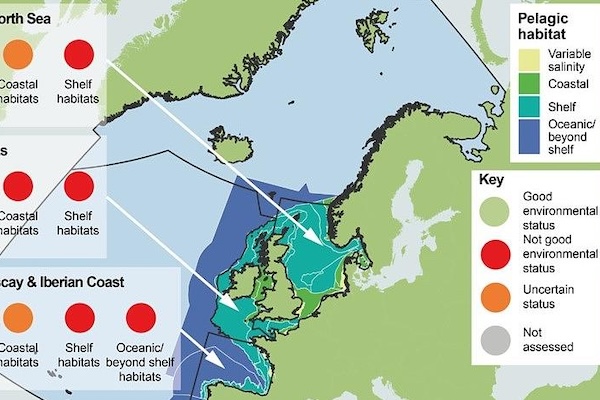
Study analyzed 60 years of plankton data and found no Northeast Atlantic pelagic habitats met Good Environmental Status.
Fisheries
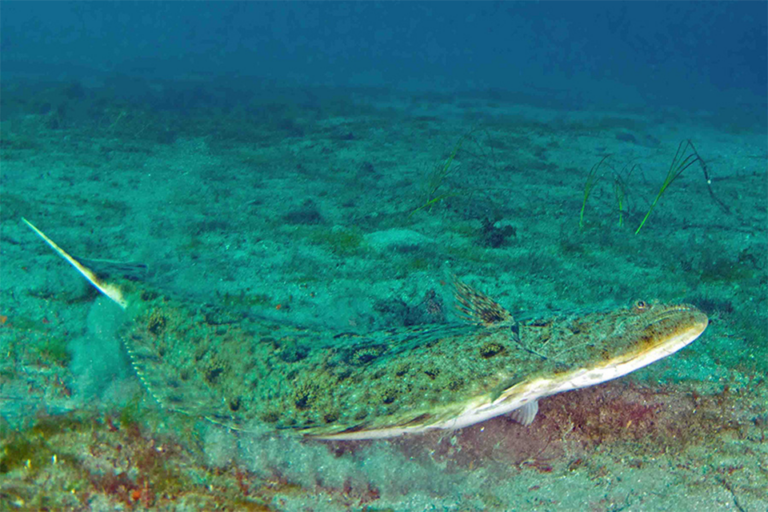
In this review of recent fisheries literature, we explore deoxygenation's impact on halibut, shifting effort toward free-school tuna harvesting and more.

Intelligence
FAO’s SOFIA 2026 report highlights record seafood production, growing trade and rising climate change-related risks.
Intelligence
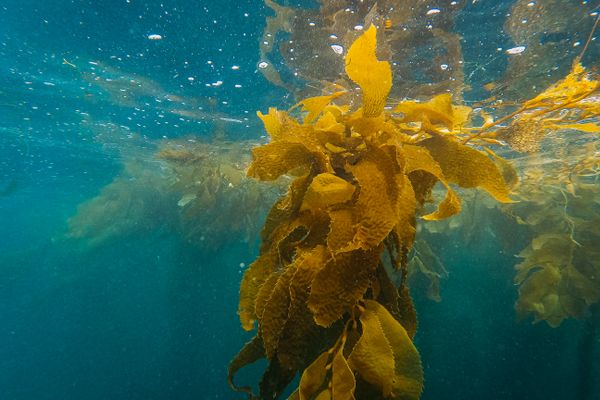
New research reveals how giant kelp captures sunlight, offering insights that could inform future carbon capture technologies.
Intelligence
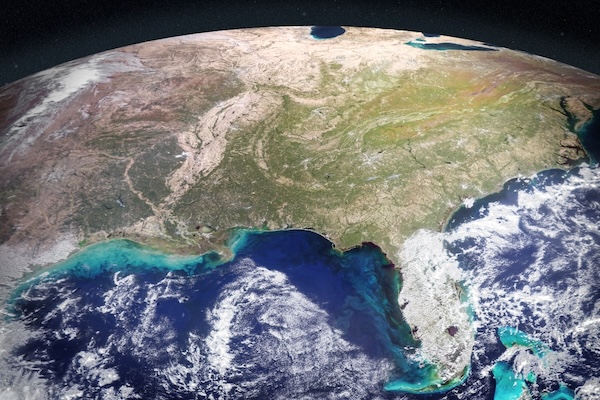
A NASA-developed artificial intelligence tool uses satellite data to detect harmful algal blooms in U.S. coastal waters.
Responsibility
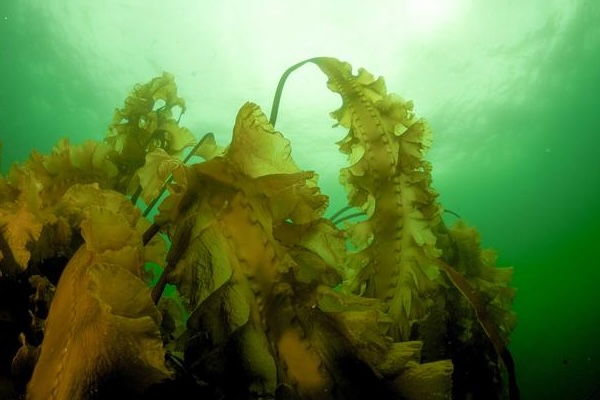
Researchers found ocean warming is accelerating the shift from kelp forests to turf algae along the Maine coast.
Responsibility
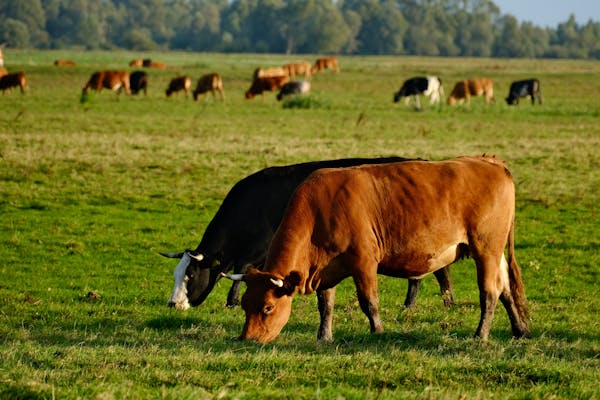
A study shows seaweed-based feed additives can cut methane emissions in cattle, pointing to new opportunities for the seaweed industry.
Responsibility
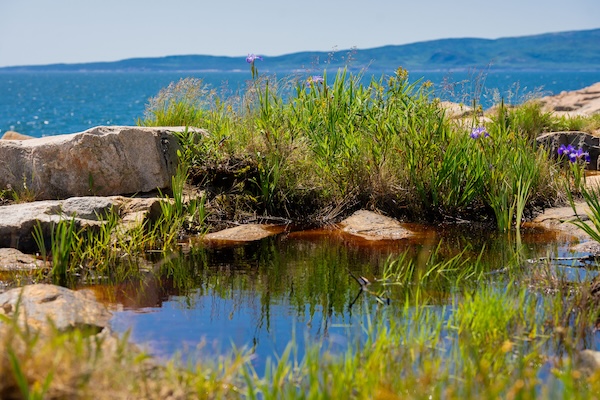
A University of Maine study uses decades of survey data to show how ocean warming is shifting species, biodiversity and fishery conditions.
Responsibility
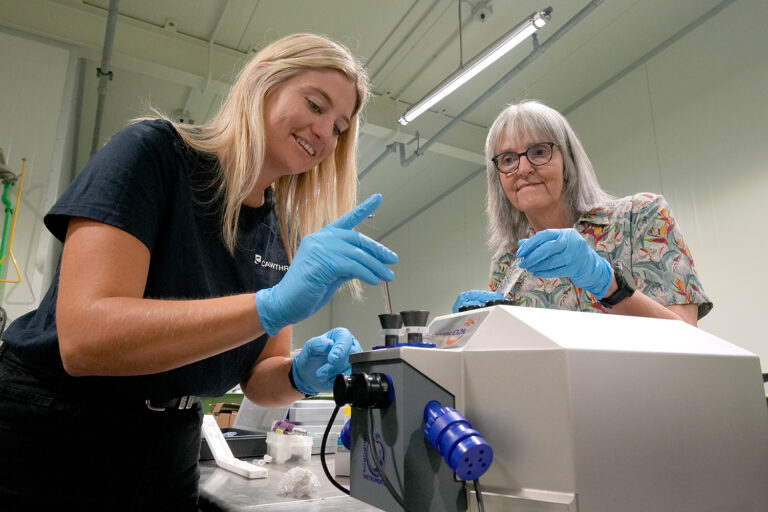
Cawthron Institute researchers are unlocking the cellular power of mitochondria to improve climate resilience in farmed salmon, mussels, oysters and more.