


Aquaculture now supplies most of the fish people eat, but climate change and overfishing remain threats to the seafood industry

FAO’s latest State of World Fisheries and Aquaculture report highlights record aquaculture production, booming trade and growing pressure to make seafood growth sustainable and equitable
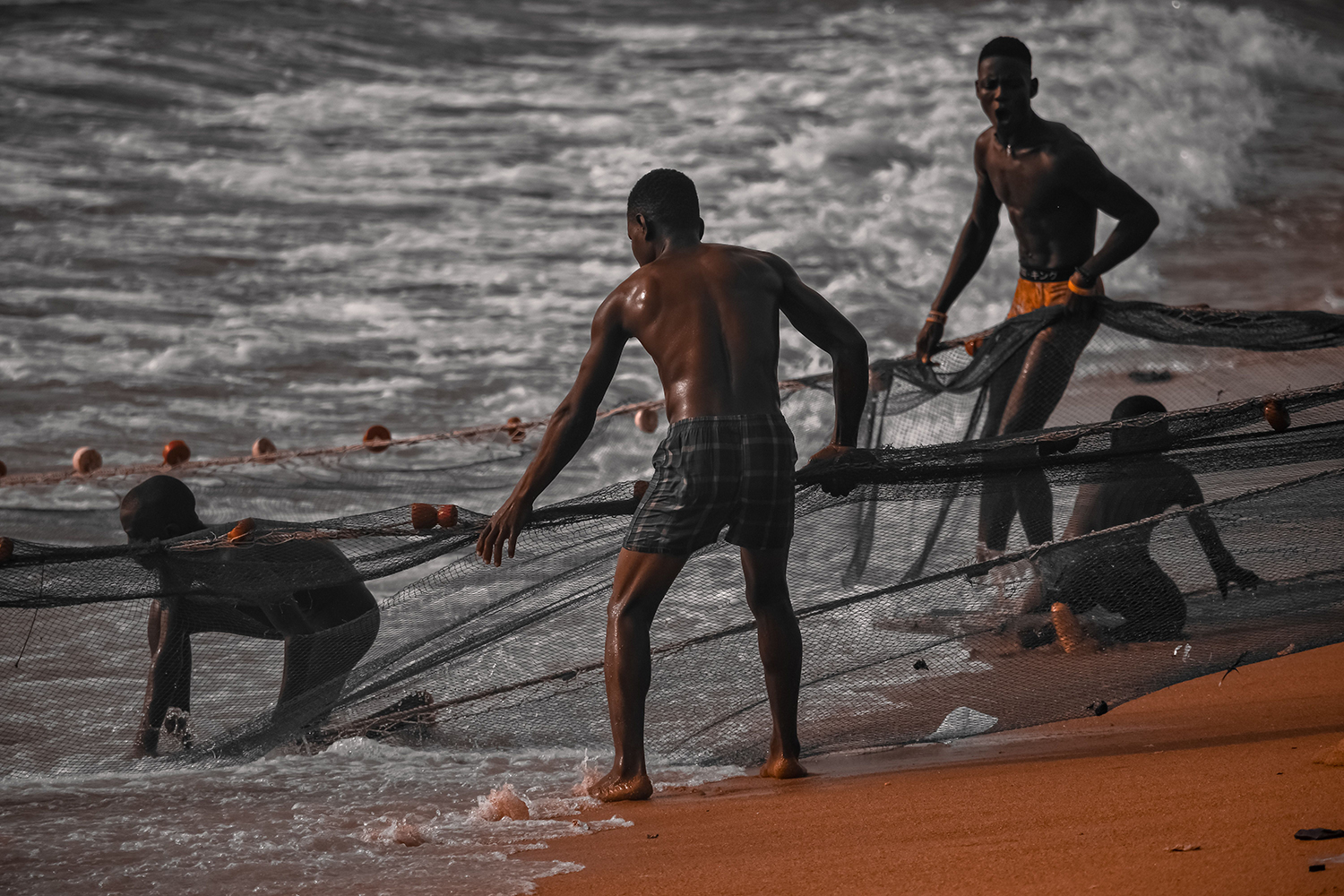
Aquaculture now supplies the majority of the seafood consumed worldwide but sustaining the sector’s growth will require timely responses to climate, environmental and management challenges, according to the Food and Agriculture Organization’s (FAO) latest State of World Fisheries and Aquaculture (SOFIA 2026) report.
According to FAO, fisheries and aquaculture production reached a record 235 million metric tons (MMT) in 2024, underscoring seafood’s vital role in feeding the world’s population and supporting livelihoods. In many coastal and island nations, fish provides more than half of all animal protein intake.
“Aquatic animal foods are increasingly central to diets: 89 percent of production of aquatic animals goes to human consumption, supplying at least one-fifth of the animal protein consumption of 3.1 billion people,” wrote the FAO in a press release. “The sector also supports more than 600 million livelihoods worldwide.”
But this growth comes with challenges that could compromise the long-term sustainability of aquatic food systems. Ocean warming, acidification and shifting species distributions are already disrupting fisheries worldwide, while aquaculture producers face increasing risks from disease outbreaks, extreme weather and competition for water and coastal resources.
![Ad for [BSP]](https://www.globalseafood.org/wp-content/uploads/2025/07/BSP_B2B_2025_1050x125.jpg)
“The international community remains concerned with the threats that the impacts of the climate crisis, pollution and ecosystem degradation pose to the marine and inland aquatic ecosystems,” Qu Dongyu, FAO Director-General, wrote in the report.
Aquaculture becomes the growth engine
While capture fisheries remain a critical source of seafood, the report’s message is clear: The future will require fish farming.
In 2024, aquaculture generated 103 MMT of aquatic animals, accounting for 53 percent of total aquatic animal production and nearly 60 percent of seafood destined for human consumption. Including algae, global aquaculture output reached 141 MMT valued at $391 billion.
“For the first time, aquaculture now accounts for the majority of fish destined for human consumption, a historic shift with profound implications for food security and environmental sustainability,” wrote UN representatives in a press release.
FAO projects total aquatic animal production will reach 214 MMT by 2034, with aquaculture expected to contribute 119 MMT of that total. But that rapid growth also brings challenges. The report warned that intensive aquaculture can strain local ecosystems, increase disease risks and generate pollution if poorly managed. Future expansion, FAO says, will depend on stronger governance, innovation and sustainable production practices.
“In aquaculture, FAO promotes science-based governance, spatial planning and innovation, including climate-smart and integrated systems,” the FAO said in its accompanying release.
‘Progress remains uneven’
Aquaculture may be a global growth story, but production remains heavily concentrated in Asia.
According to SOFIA 2026, the region accounted for 89 percent of global aquatic animal production in 2024, while China alone produced 56 percent of the world’s farmed aquatic animals.
That concentration presents both opportunity and challenge. While mature aquaculture regions continue to scale production, FAO pointed to Africa as one of the sector’s largest untapped growth markets. Despite abundant aquatic resources, the continent contributes only a small share of global production and records the world’s lowest per-capita seafood availability.
“Africa, in particular, has significant natural aquatic resources and is highly dependent on aquatic animal foods for its animal protein availability,” said Dongyu. “With targeted interventions and sustained investment in capacity building, the continent has the potential to contribute far more than its current 6 percent share of global production, in particular by expanding aquaculture production.”
Analysis: How the Middle East conflict is already pressuring global seafood markets
Seafood trade reaches new heights
The report also highlighted the growing economic importance of seafood in global trade. In 2024, international trade in aquatic products reached an estimated $186 billion, with aquatic animal products accounting for more than 98 percent of that total. More than one-third of global aquatic animal production now crosses international borders before reaching consumers.
“At $184 billion, aquatic animal trade now rivals terrestrial meat trade,” wrote UN representatives.
For exporters, the findings reinforce the importance of resilient supply chains, traceability systems and access to international markets. The report notes that seafood products increasingly cross multiple borders during processing and distribution, creating both opportunities and vulnerabilities in a period marked by geopolitical tensions and shifting trade policies.
“Approximately 36 percent of global aquatic animal production was traded, underscoring the sector’s strong presence in global markets and ability to participate in international trade, as well as its contribution to world food security,” wrote the FAO.
Sustainability remains a concern
Despite record production, the report delivers a cautionary message about sustainability.
FAO reports that 72.6 percent of global marine fishery landings in 2023 originated from biologically sustainable stocks when weighted by catch volume, suggesting many of the world’s largest fisheries are benefiting from effective fisheries management.
However, the share of assessed marine stocks considered biologically sustainable declined to 62.4 percent in 2023, down from 64.5 percent in 2021.
“Several areas and species groups maintain good or improved sustainability records, reflecting continuous implementation of science-based management systems and harvest strategies,” said Dongyu. “But other areas subject to high fishing pressure, strong environmental variability or limited management capacity continue to face persistent challenges.”
Climate change looms especially large. Under high-emissions scenarios, exploitable fish biomass could decline by more than 10 percent in several regions by 2050, potentially reshaping seafood production, trade flows and food security.
“The future of fisheries sustainability will likely result from changes in productivity, combined with management actions setting adequate exploitation levels that consider these changes,” the report stressed.
For aquaculture, climate-related risks include warming waters, disease outbreaks, extreme weather events and increasing competition for water and coastal resources. SOFIA 2026 warned that these pressures could affect productivity, profitability and food security in some regions, particularly as climate impacts become more pronounced over the coming decades.
“Accelerated improvements in governance, technology and innovation – aligned with FAO’s Blue Transformation objectives – are necessary to support more resilient, inclusive and sustainable aquatic food systems in the long term,” the report said.
Striking a balance to feed the world
Overall, SOFIA 2026 offers cautiously optimistic outlook for the seafood. Demand continues to grow, trade remains strong and aquaculture is expanding at a pace capable of meeting future food needs.
While the outlook for seafood production remains positive, FAO emphasizes that future growth will depend on continued progress in sustainability, climate adaptation and fisheries management.
“More than ever before, a healthy planet requires a healthy ocean and healthy inland waters,” said Dongyu. “We need to ensure that all necessary efforts are made to reverse the decline in sustainability and secure the long-term potential of the sector, for generations to come.”
Now that you've reached the end of the article ...
… please consider supporting GSA’s mission to advance responsible seafood practices through education, advocacy and third-party assurances. The Advocate aims to document the evolution of responsible seafood practices and share the expansive knowledge of our vast network of contributors.
By becoming a Global Seafood Alliance member, you’re ensuring that all of the pre-competitive work we do through member benefits, resources and events can continue. Individual membership costs just $50 a year.
Not a GSA member? Join us.
Author
-

Lisa Jackson is a writer based in Hamilton, Canada, who covers a range of food and environmental issues. Her work has been featured in Al Jazeera News, The Globe & Mail and The Toronto Star.
Related Posts
Responsibility
FAO: More investment in seafood production needed to drive ‘blue transformation’ for global food security
At the G7 meeting, FAO says investment in seafood production is critical to ensuring global food security and combating poverty.
Innovation & Investment
‘We have 15 years to fix this planet’: Blue Food Innovation Summit explores potential of restorative aquaculture – and the challenges to scaling
At the Blue Food Innovation Summit, discussions centered on restorative aquaculture’s potential and financing the ocean’s capabilities.
Fisheries
‘Who will win and who will lose?’ How climate change is shifting the ocean food chain – and potentially global fisheries
Climate change is shifting the foundation of the ocean food chain, potentially but not definitively causing a poleward migration of fisheries.
Responsibility
2021 heat wave created ‘perfect storm’ for shellfish die-off
Researchers have produced the first comprehensive report detailing the impacts of the 2021 Pacific Northwest heat wave on shellfish.