


Can AI tool from NASA track harmful algal blooms from space?

NASA researchers develop artificial intelligence tool that combines satellite data to identify harmful algal blooms in U.S. coastal waters
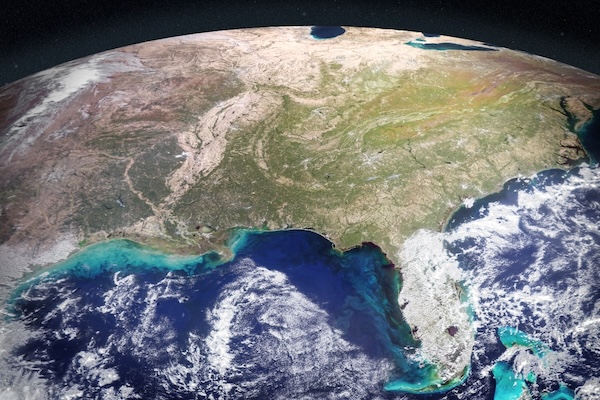
NASA scientists have developed an artificial intelligence (AI) tool that combines data from multiple satellites to detect harmful algal blooms. In a study published in AGU Earth and Space Science, researchers reported that the system successfully identified harmful algal blooms in western Florida and Southern California.
Severe harmful algal blooms can pose health risks and cost U.S. coastal economies tens of millions of dollars each year. In Florida, blooms of Karenia brevis have been linked to wildlife deaths, beach contamination and illness in humans, while blooms of Pseudo-nitzschia on the West Coast have poisoned dolphins, California sea lions and other marine animals. Algal toxins can also become airborne and cause respiratory illness.
Health agencies regularly test waters and issue warnings or beach closures during harmful algal bloom events, while NOAA works with states and local partners to produce bloom forecasts.
But monitoring can be slow. Water sampling and laboratory testing can take more than a day and may require multiple tests. Identifying where to sample before a bloom spreads adds another challenge.
![Ad for [Aquademia]](https://www.globalseafood.org/wp-content/uploads/2025/07/aquademia_web2025_1050x125.gif)
NASA satellites already track harmful algal blooms globally. Researchers said combining multiple satellite datasets through AI could help determine where monitoring efforts should be focused.
The new AI system was developed using data from five satellite missions or instruments, including NASA’s PACE satellite and the TROPOMI instrument. The team designed a self-supervised machine learning system to identify patterns across multiple types of satellite data and compare them with field observations, without requiring pre-labeled datasets.
“At the very least, a tool like this can help us know where and when to collect water samples as an algal bloom is starting,” said Michelle Gierach, a scientist at NASA’s Jet Propulsion Laboratory and co-author of the study. “It can also drive collaboration between specialists, fostering new ways to conduct the science and deliver decision-support products.”
The system was trained using satellite data collected in 2018 and 2019, with field and laboratory measurements used to provide additional context. Researchers then evaluated the tool using later data from the same geographic areas.
Initial results showed the system could identify and map harmful algal blooms, including specific species such as Karenia brevis, even in complex coastal environments.
NOAA scientists track massive marine heatwave affecting U.S. West Coast waters
“Applying self-supervised AI to massive streams of satellite data is rapidly becoming a powerful tool for generating actionable ocean intelligence,” said Nadya Vinogradova Shiffer, lead program scientist at NASA headquarters in Washington.
The team is improving the tool with data from additional coastlines and expanding tests to other water bodies, including lakes, to make it accessible to decision-makers in the coming years.
“This work aims to start to bridge technologies to better serve end users and their needs, from aquaculture to tourism,” Luis said. “To do that, we’re going to bring all our NASA assets to the table.”
Now that you've reached the end of the article ...
… please consider supporting GSA’s mission to advance responsible seafood practices through education, advocacy and third-party assurances. The Advocate aims to document the evolution of responsible seafood practices and share the expansive knowledge of our vast network of contributors.
By becoming a Global Seafood Alliance member, you’re ensuring that all of the pre-competitive work we do through member benefits, resources and events can continue. Individual membership costs just $50 a year.
Not a GSA member? Join us.
Author

Related Posts
Intelligence
Artificial intelligence successfully predicts toxic algae in UK seafood
Molecular biology-based approach with artificial intelligence can predict a rise in toxic algae weeks earlier than the microscope method.
Intelligence
FAO issues ‘roadmap’ for early harmful algal bloom warning systems
Document provides guidance to implement or improve early warning systems for harmful algal blooms that threaten seafood and public health.
Intelligence
Is the key to predicting harmful algal blooms found in genetics?
New research into the genetic diversity of Prymnesium parvum could help predict when harmful algal blooms will occur.
Intelligence
Can machine learning using climatic pattern data help predict harmful algal blooms earlier?
Study shows that a novel machine-learning approach using global climatic patterns can improve seasonal prediction of harmful algal blooms.