


Catch & Culture Review: Worldwide genome-wide genetic diversity and population structure of mahimahi

Genome-wide data revealed a mahimahi evolutionary history shaped by vicariance, ocean currents and local environments, needing models, functional genomics and selection tests for climate adaptation
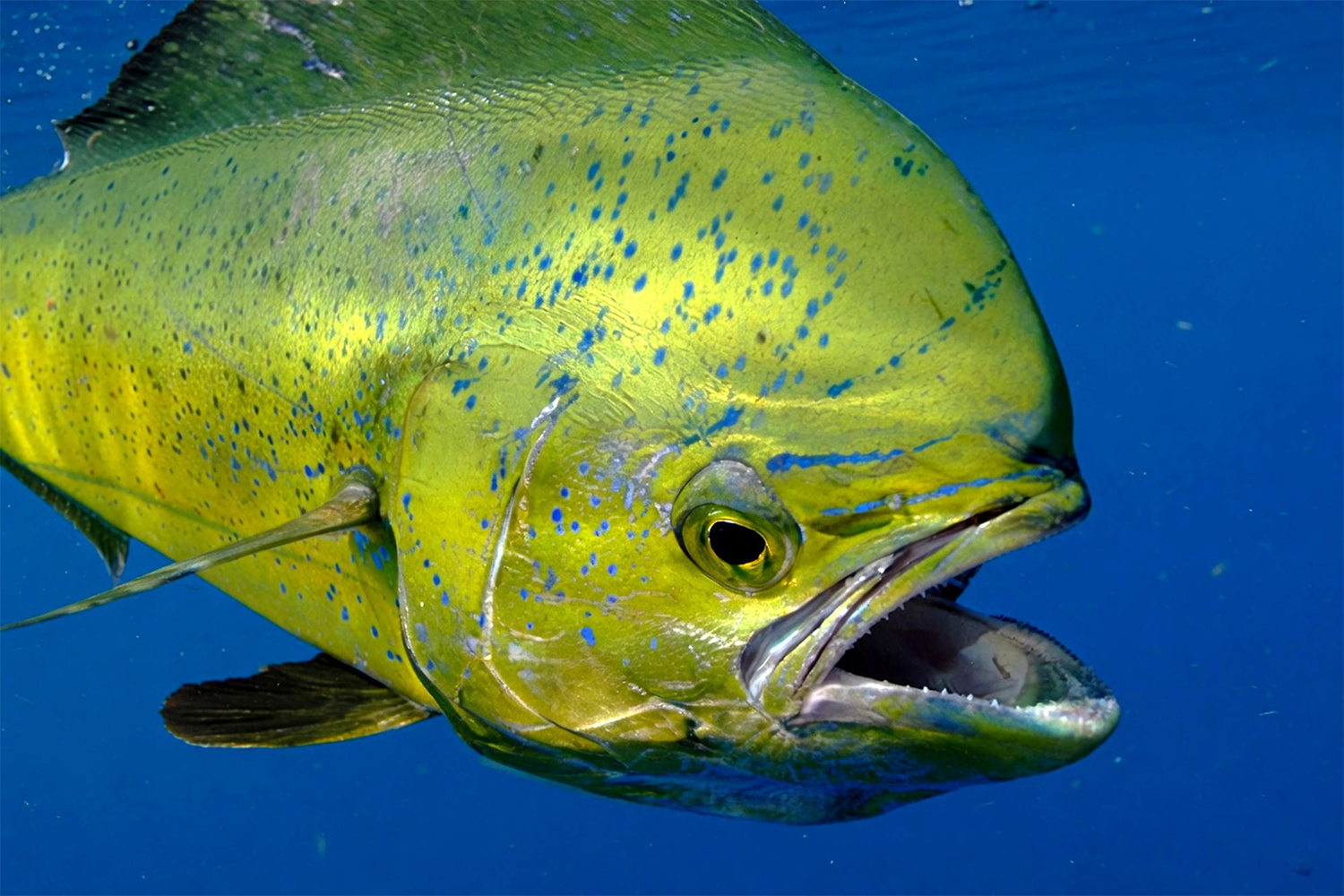
The processes that generate and sustain marine biodiversity are still incompletely understood, especially in open-ocean systems where high dispersal potential is expected to prevent strong population differentiation. Understanding how evolutionary forces shape divergence or speciation in such environments requires detailed knowledge of a species’ life history and its interactions with key environmental variables.
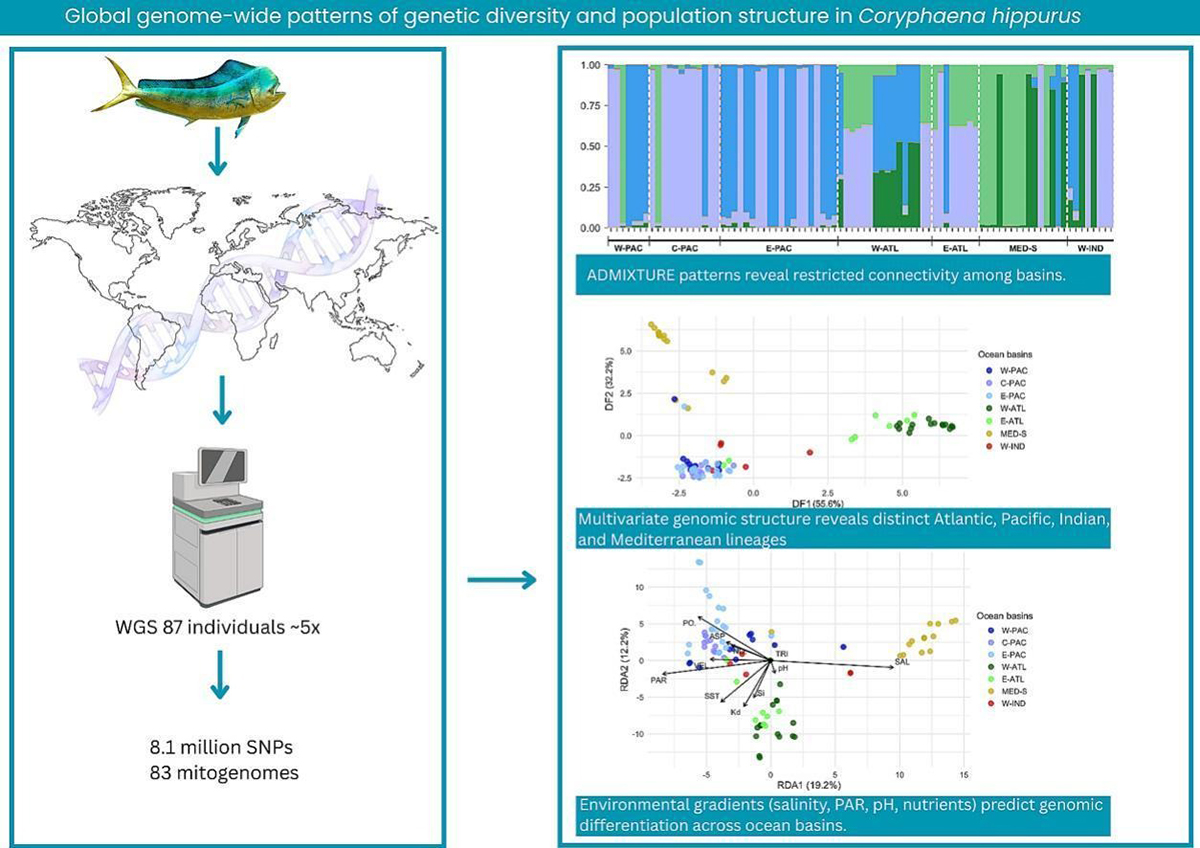
In a study by Píndaro Díaz Jaimes and coworkers – at the Universidad Nacional Autónoma de México, the Tecnológico de Monterrey, and the Instituto Politécnico Nacional in Mexico; Universitat Pompeu Fabra in Spain, and the University of Palermo in Italy – the authors applied a genome-wide approach to examine the global population structure of the cosmopolitan pelagic dolphinfish or mahimahi (Coryphaena hippurus), an important commercial species. A comprehensive dataset comprising 8.7 million single-nucleotide polymorphisms together with complete mitochondrial genomes was generated during this research.
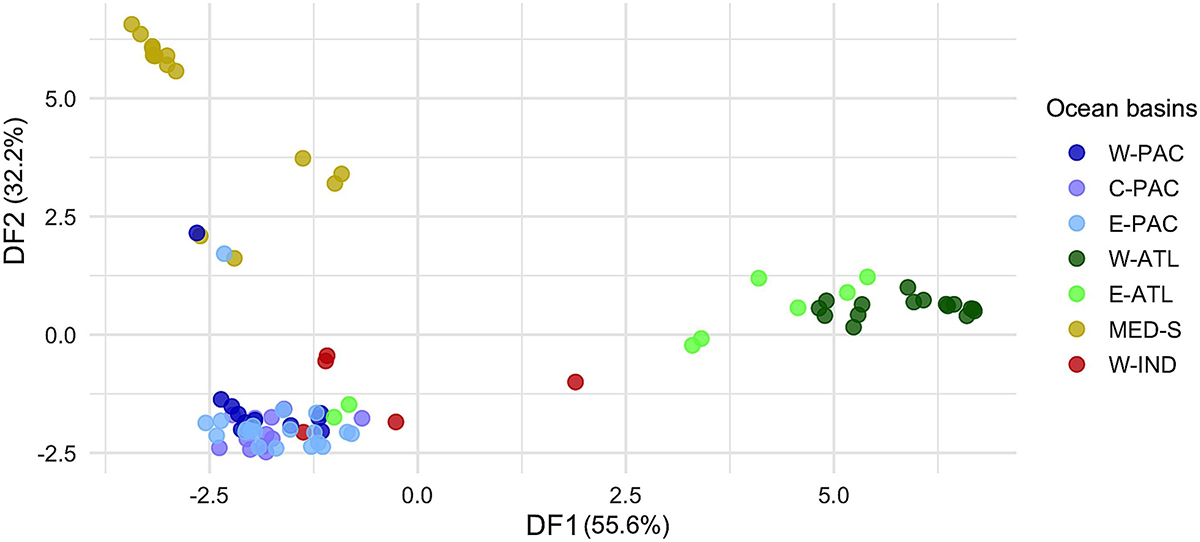
The analyses reveal, for the first time, four genetically distinct populations that correspond to the major oceanic basins: the Atlantic, Pacific, Indian Ocean and Mediterranean Sea. The Mediterranean population carries a unique genomic signature, most probably reflecting historical isolation and limited contemporary gene flow through the Strait of Gibraltar.
Despite this clear inter-basin structure, genome-wide data also retain extensive signals of historical connectivity. Results of various tests show significant excess allele sharing (meaning that two groups of individuals carry the same version or allele of a particular gene or DNA segment), particularly between the Indo-Pacific and Atlantic groups. In addition, phylogenetic network analyses (drawing evolutionary relationships that allows for mixing between groups, not just simple branching) show multiple migration events. These results underline the lasting influence of ancestral gene flow on present-day genetic patterns.
![Ad for [Aquademia]](https://www.globalseafood.org/wp-content/uploads/2025/07/aquademia_web2025_1050x125.gif)
At finer geographic scales, modest but statistically significant structure was detected within both the Atlantic and Pacific basins. Seascape genomic analyses (how genetic differences in marine species are linked to the environment around them) further demonstrate that environmental gradients – including salinity, phosphate concentration, pH and others – are significantly associated with genomic variation, indicating that ecological factors play a role in shaping population differentiation across heterogeneous marine habitats.
Relevance of research findings to the industry
For fisheries managers and the fishing sectors, the discovery of four basin-scale genetic populations is important. Stocks that look continuous on a map may in fact be demographically independent. Management plans that treat all dolphinfish as a single global unit risk over-harvesting one basin while under-utilizing another.
Knowing that Mediterranean fish are particularly distinct and that Atlantic and Pacific populations also show internal structure gives managers a clearer basis for setting regional catch limits, seasonal closures or size regulations. The environmental associations also hint that climate-driven changes in salinity or nutrient levels could alter population boundaries in the future, which both industry and regulators should monitor.
Perspectives
This research demonstrates that even highly dispersive oceanic species can maintain meaningful genetic structure. Future studies should combine these genomic results with ocean-circulation models to assess how currents move larvae and adults between basins. Functional genomic approaches and tests for loci under selection would help identify which genes allow each population to cope with local conditions and with rapid environmental change.
Expanding sample sizes, especially from under-represented regions of the Indian Ocean and southern Pacific, would refine the picture further. Overall, the four genetic groups identified in this study provide a solid starting point for designing management units that better match the true biology of the species.
Linking global targets for marine protected areas and sustainable fisheries
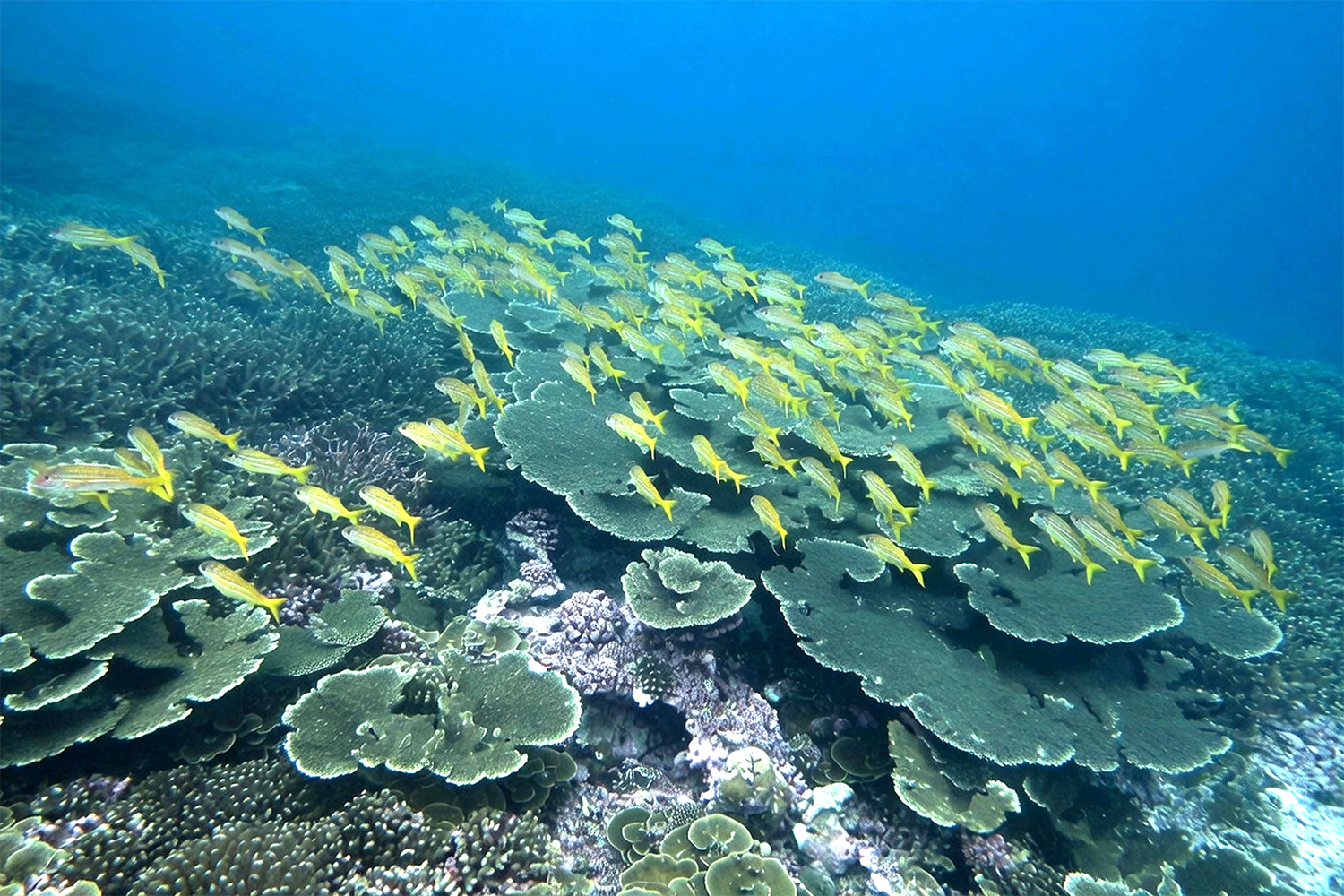
The global ocean supports millions of unique species, many of which supply food and nutrients to nearly half of the world’s human population. The long-term viability of this essential resource is under threat, however, as unsustainable fishing has reduced marine biodiversity and climate change continues to alter ocean ecosystems. In response, international efforts are underway to rebuild overexploited fisheries, restore biodiversity, and strengthen climate resilience, guided by commitments under the Kunming-Montréal Global Biodiversity Framework (GBF) adopted in 2022, a worldwide agreement that sets clear goals to stop the loss of nature and restore ecosystems by 2030.
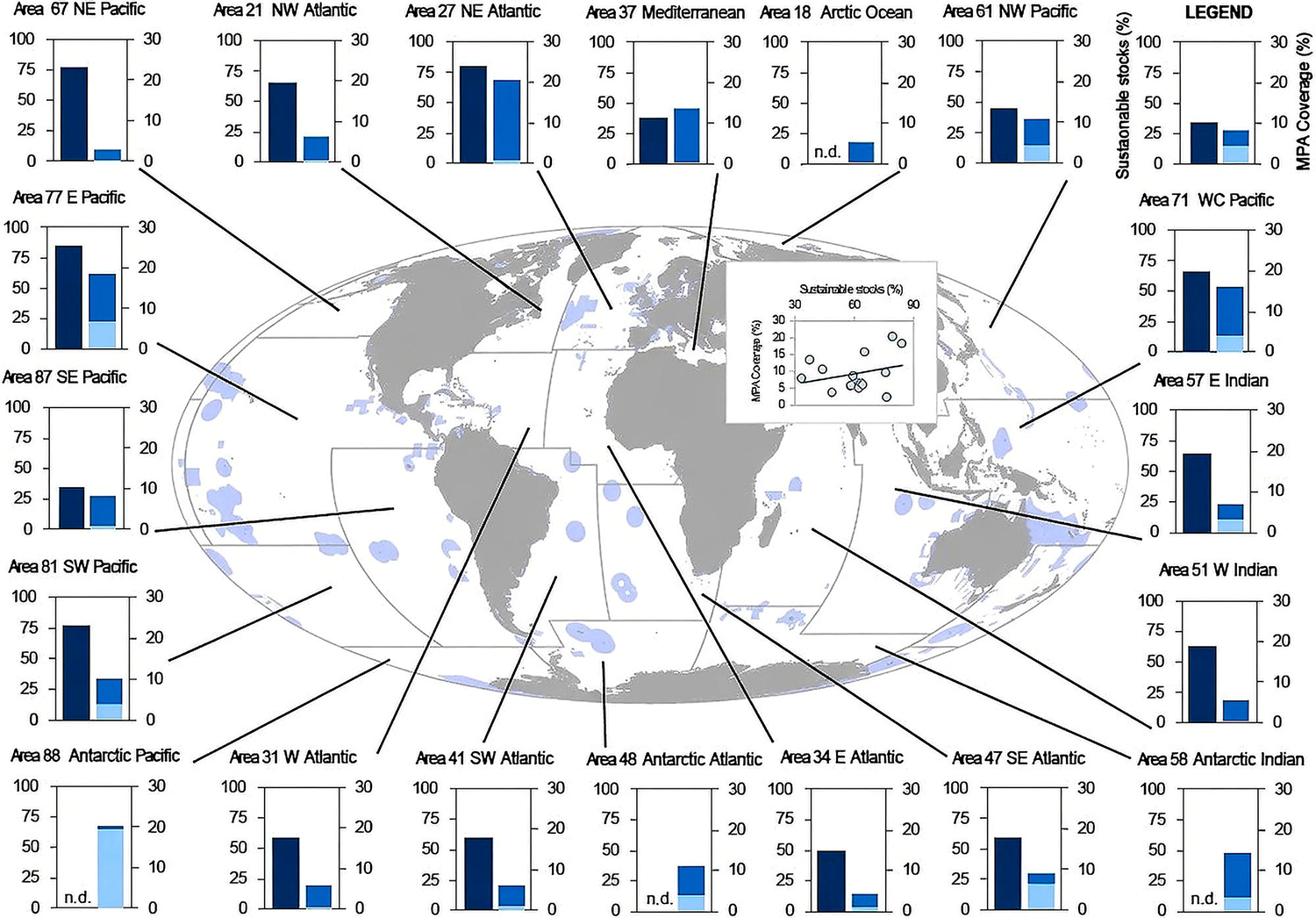
A study by Boris Worm and 12 colleagues – at several universities and research institutes in Canada, the United States, Australia and the United Kingdom – evaluated global progress toward two key GBF targets for 2030: expanding protected area coverage to 30 percent and bringing 100 percent of fisheries under sustainable management. As of 2025, progress on the fisheries target is substantially further advanced than progress on protected areas.
Across 19 FAO major fishing areas, an average of 62 percent of assessed industrial fisheries were reported to be operating within sustainable limits. In contrast, average protected area coverage in the same regions stood at only 10 percent, with just 3 percent under high or full protection. Importantly, there is little evidence that the two targets are being pursued in an integrated manner.
Can repurposing fish aggregating devices make MPAs more effective?
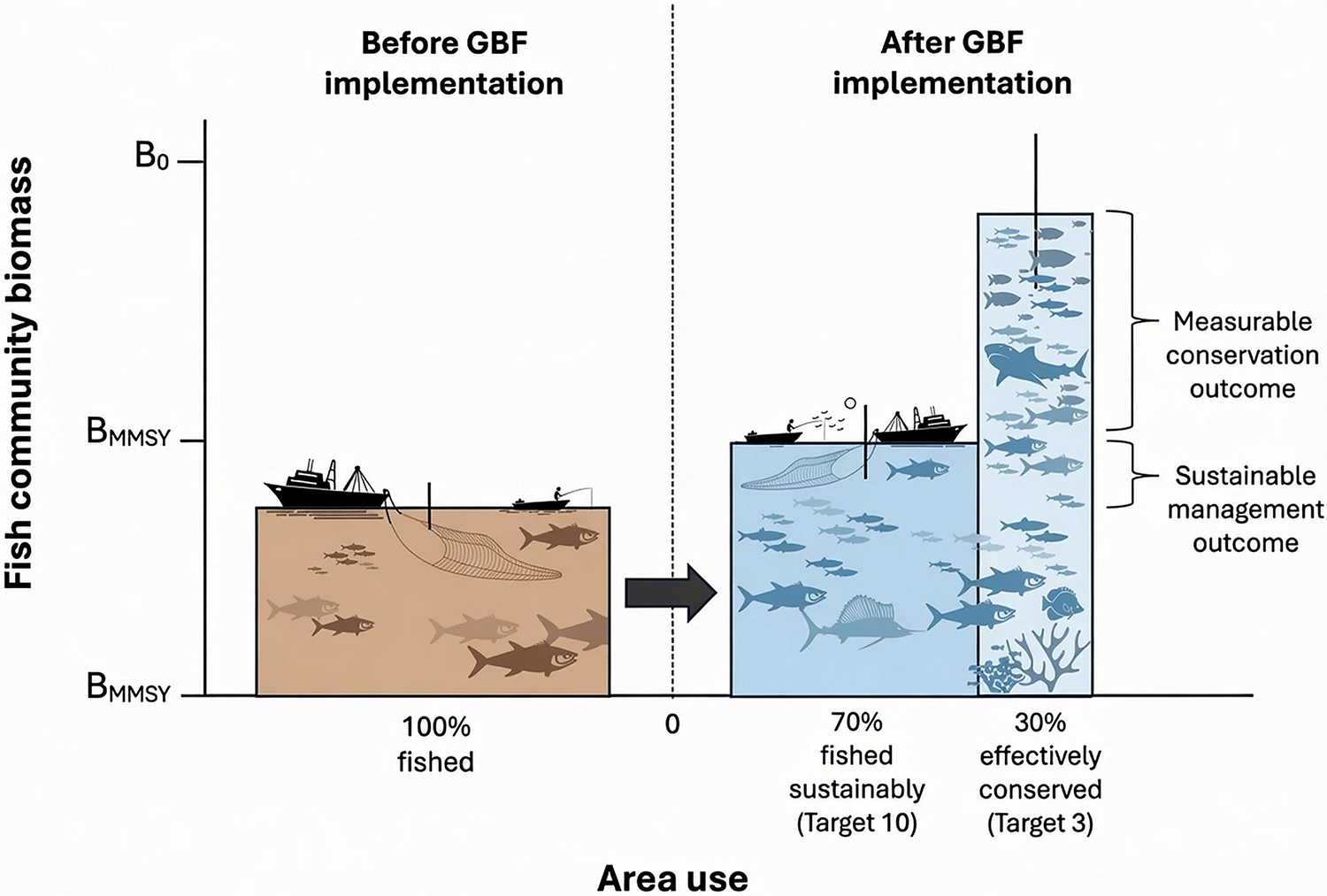
To address this gap, the authors propose an integrated assessment framework that evaluates the biodiversity outcomes of both fisheries management and conservation measures against shared reference points. This is a way of measuring the success of two different goals – protecting marine areas and managing fisheries sustainably – using the same standards. Instead of judging marine protected areas (MPAs) and fisheries management separately, the framework looks at both through a common lens: how much they actually improve or protect marine biodiversity and fish populations.
Such an approach would strengthen the effectiveness of each set of measures while maximizing their combined benefits. The framework aims to bridge currently separate and sometimes competing agendas in marine conservation and to support more coherent policies for expanding protected areas and advancing sustainable fisheries.
Relevance of research findings to the industry
The study’s results present the fishing industry with both a warning and a chance to benefit. The relatively strong performance on sustainable-fisheries indicators shows that management reforms of the past two decades have produced measurable results in many regions. At the same time, the slow expansion of effective protection means that future gains in biomass and resilience may depend more on strategic spatial measures than on further effort reductions alone.
Industry organizations that engage constructively with protected-area planning – particularly where spillover benefits can be demonstrated – stand to gain more stable long-term yields. Conversely, continued institutional separation risks political conflict, uncertain access rights and missed ecological benefits that ultimately affect catch volumes and profitability.
Processors, vessel operators and seafood buyers who source from well-managed systems that combine sustainable harvest rules with meaningful protection will be better positioned as markets and regulators increasingly demand evidence of ecosystem-level performance.
Perspectives
The authors of this research emphasize that treating protected areas and sustainable fisheries as independent policy tracks is no longer adequate. The two goals are biologically linked; progress on one can support or hinder the other. An integrated assessment framework built around shared biomass and biodiversity indicators offers a practical way forward. Implementing it will require closer collaboration between Regional Fisheries Management Organizations, national fisheries agencies and conservation bodies, as well as investment in consistent monitoring of community-level biomass.
The authors hypothesize that, if successful, the approach could reduce conflict, increase the effectiveness of both tools and help ensure that the ocean continues to supply food and maintain biodiversity under a changing climate. Also, that the next five years leading up to the 2030 GBF deadline will show whether governments are prepared to move from parallel agendas to genuine integration.
Modeling ocean acidification and warming effects on Atlantic Sea scallop growth for adaptive management
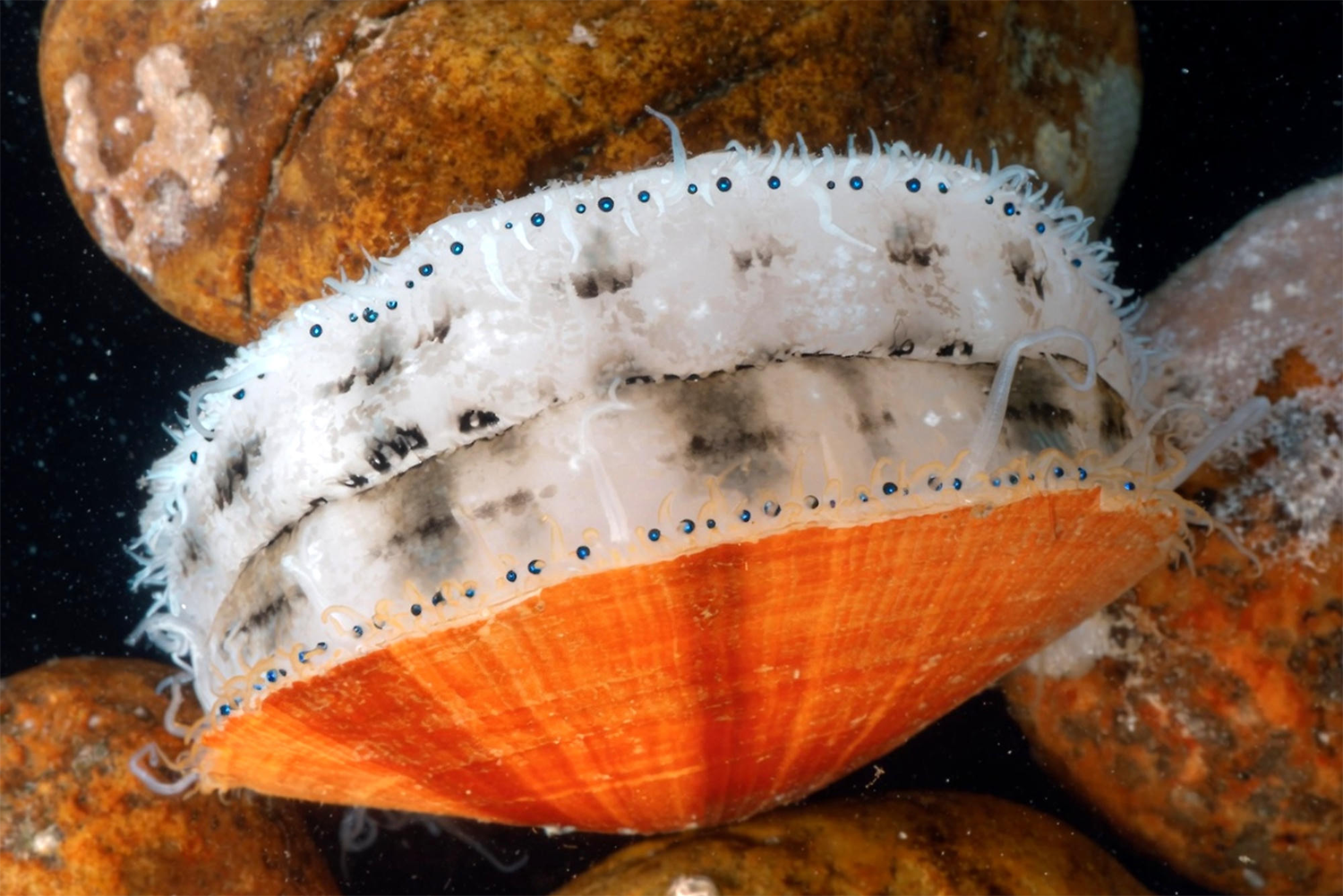
Effective climate-ready fisheries management depends on robust predictions of how species will respond to environmental change across broad spatial scales. Bioenergetic approaches such as Dynamic Energy Budget (DEB) models link physiological processes to environmental conditions and can therefore forecast organismal growth under future climate scenarios.
In a recent study by Halle M. Berger and colleagues (University of Connecticut and NOAA Northeast Fisheries Science Center and Océanopolis in France) the scientists presented the first large-scale integration of a DEB model with downscaled regional oceanographic simulations. This coupling allows resolving spatiotemporal patterns and examine how climate stressors appear at biogeographic, economic and oceanographic scales that matter for management.
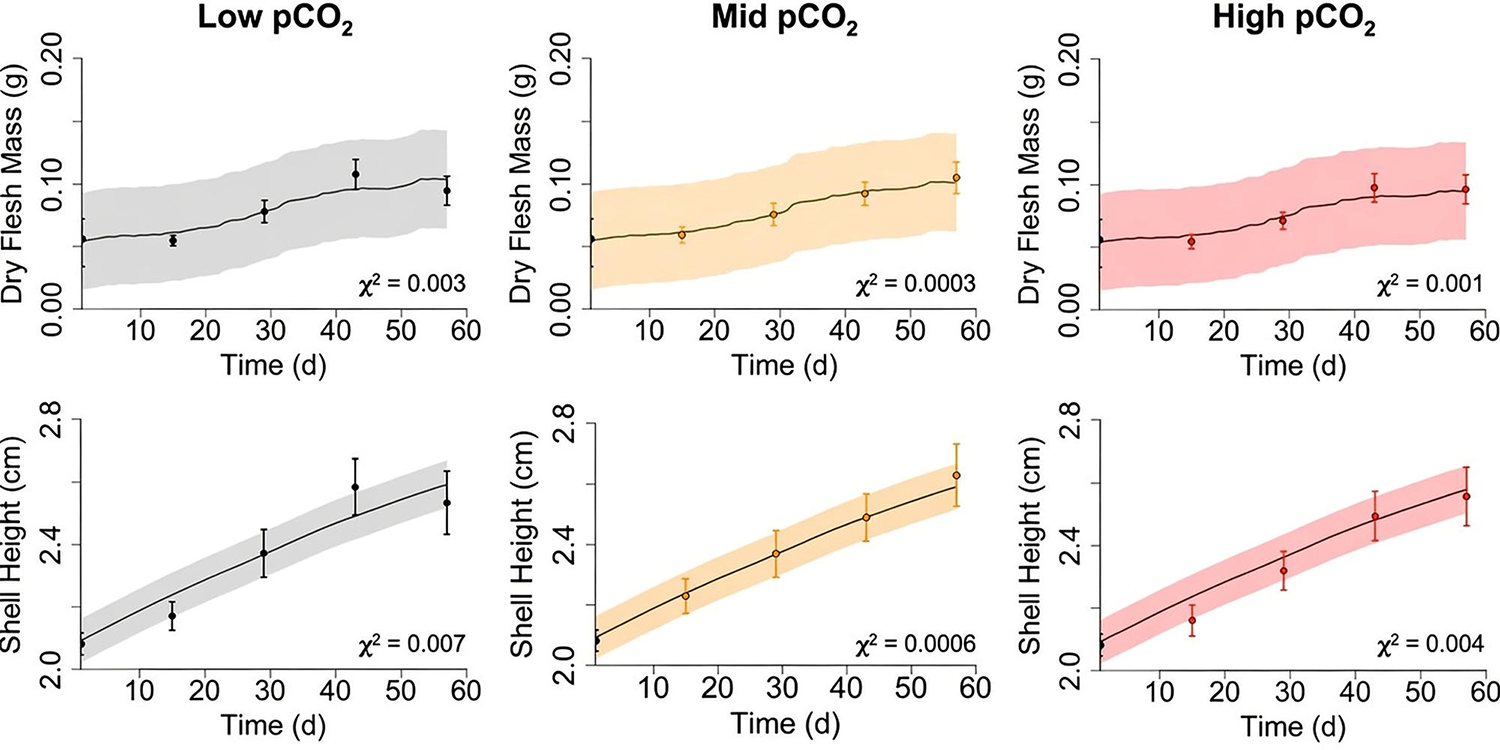
The researchers calibrated a DEB model for the Atlantic Sea scallop (Placopecten magellanicus) using output from a realistic oceanographic–biogeochemical model of the Northeast U.S. continental shelf. The model was used to project the combined effects of ocean acidification (OA) and warming on individual growth both historically and through the coming century. It successfully reproduced observed historical patterns in age at harvest size and maximum attainable size.
At mid-century (2035–2050), scallop growth was projected to increase across most of the region, with the exception of the southern Mid-Atlantic; OA effects remained confined to the deep Gulf of Maine. By the end of the century (2080–2095) under a high-emissions scenario, scallops were expected to grow more rapidly yet reach smaller maximum sizes. The results indicate that warming stress is more severe than previously recognized, especially in the southern Mid-Atlantic. Warming impacts appear first in the south, whereas OA stress precedes warming in the north.
Overall, together these stressors progressively shrink the geographic area that supports optimal growth, and the results of this study demonstrate the value of a spatially explicit, climate-forced DEB model as a practical tool for guiding adaptive fisheries management.
Relevance of research findings to the industry
For the scallop fisheries industry, the most immediate value of the work is its ability to flag which fishing grounds are likely to become less productive and which may temporarily improve. Southern mid-Atlantic beds face the earliest risk of slower growth and smaller maximum size, while some northern areas may see short-term gains before acidification becomes limiting. Processors, vessel operators and managers can use these regional signals when planning long-term investments, lease decisions or rotational closures.
The finding that animals may grow faster yet end up smaller also has direct economic consequences: smaller scallops command lower prices and may require changes in gear or processing methods. Because the model is spatially explicit, it can be updated as new climate projections or survey data become available, giving the industry a living tool rather than a one-time snapshot.
Perspectives
Results of this study demonstrate that linking bioenergetic models to regional ocean forecasts is both feasible and useful for climate-ready management. Future work could refine the food-supply component of the model, incorporate density-dependent effects, and assess additional emission scenarios. Expanding the approach to other shellfish or finfish would allow multi-species comparisons and more integrated ecosystem planning.
Managers should consider that waiting until declines appear in the catch is no longer necessary. The spatial patterns of stress are already projected; adaptive measures – such as shifting effort northward, adjusting size limits, or protecting residual high-growth habitats – can be designed now. Overall, the model developed provides a practical bridge between climate science and the day-to-day decisions that will hopefully keep the Atlantic Sea scallop fishery viable through the coming decades.
Now that you've reached the end of the article ...
… please consider supporting GSA’s mission to advance responsible seafood practices through education, advocacy and third-party assurances. The Advocate aims to document the evolution of responsible seafood practices and share the expansive knowledge of our vast network of contributors.
By becoming a Global Seafood Alliance member, you’re ensuring that all of the pre-competitive work we do through member benefits, resources and events can continue. Individual membership costs just $50 a year.
Not a GSA member? Join us.
Author
-

Editor Emeritus
Related Posts
Innovation & Investment
Mahimahi aquaculture revisited
Mahimahi is a fast-growing, high-value fish species with excellent potential for aquaculture. The technology for maturation, spawning, larval rearing, fingerling production has been mastered, yet progress toward commercial development has been slow.
Fisheries
Catch yield and selectivity of a modified scallop dredge to reduce seabed impact
Study shows the need for further scallop dredge gear modification to reduce the catch of undersize scallops and bycatch.

Innovation & Investment
‘We want change’: How a seafood database aims to influence seafood investment decisions
Planet Tracker’s seafood database evaluates seafood companies’ exposure to sustainability risks like overfishing and IUU fishing.
Fisheries
Fisheries in Focus: Marine protected areas don’t help tuna population, new paper shows
Using stock assessment and fishing data, researchers find that the Phoenix Islands Protected Area did not meaningfully increase the tuna population.