


Study outlines climate resilience strategy for U.S. seafood industry

Researchers say investments in climate resilience could help U.S. fisheries reduce disruptions, recover faster and remain competitive
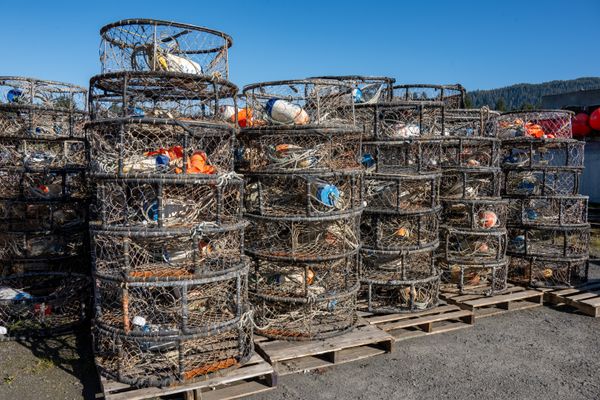
Climate resilience will be critical to improving the competitiveness of the U.S. seafood industry as domestic production expands, according to a study from the University of Miami.
Using Gulf Coast fisheries as a case study, the study examined how hurricanes disrupt seafood production and supply chains and then used those findings to develop a three-pillar approach that could help fisheries nationwide prepare for and recover from climate-related disruptions. The researchers said the same principles could also apply to marine heatwaves, harmful algal blooms and other growing threats.
“For fisheries, competitiveness isn’t just about producing more seafood – it’s about producing it consistently,” said Juan Carlos Villaseñor-Derbez, assistant professor in the Department of Environmental Science and Policy at the Rosenstiel School of Marine, Atmospheric and Earth Science. “Climate resilience gives fisheries the ability to recover faster from disruptions, creating the stability that businesses, consumers and coastal communities rely on.”
The researchers argue that climate resilience should be viewed as an economic strategy rather than solely an environmental goal, saying investments that help fisheries anticipate, withstand and recover from climate-related disruptions could reduce economic losses and improve the long-term competitiveness of the U.S. seafood sector.

The Gulf of Mexico illustrates both the opportunities and risks facing the industry. The region generates about $910 million in annual commercial dockside revenue, supports more than 250,000 commercial and recreational fishing jobs and is home to the nation’s largest commercial shrimp and oyster fisheries.
At the same time, it is the U.S. region most exposed to hurricanes, which can damage marine habitats, fishing infrastructure, seafood processors and supply chains while slowing recovery for coastal communities.
The researchers propose three priorities for strengthening climate resilience and improving the long-term competitiveness of the U.S. seafood sector. They call for more adaptive fisheries management that can respond to changing environmental conditions while supporting sustainable harvests; stronger financial safety nets to help fishing communities recover more quickly after disasters; and science-based climate risk assessments to improve forecasting, preparedness and long-term planning.
The researchers said the recommendations align with NOAA’s efforts to modernize U.S. fisheries management, arguing that building climate resilience should be a foundation for expanding domestic seafood production.
“Our aim for this analysis is to help inform future fisheries policies that strengthen domestic seafood production while supporting the coastal communities and businesses that depend on healthy, productive fisheries,” said Villaseñor-Derbez.
Now that you've reached the end of the article ...
… please consider supporting GSA’s mission to advance responsible seafood practices through education, advocacy and third-party assurances. The Advocate aims to document the evolution of responsible seafood practices and share the expansive knowledge of our vast network of contributors.
By becoming a Global Seafood Alliance member, you’re ensuring that all of the pre-competitive work we do through member benefits, resources and events can continue. Individual membership costs just $50 a year.
Not a GSA member? Join us.
Author

Related Posts
Fisheries
Amid warnings, some marine species exhibit climate resilience as oceans warm
Warming oceans are causing major changes, yet some fish species, where the waters are most in flux, are showing climate resilience.
Responsibility
Inside the science: How mitochondria could boost New Zealand fish farms’ climate resilience
Cawthron Institute researchers are unlocking the cellular power of mitochondria to improve climate resilience in farmed salmon, mussels, oysters and more.
Fisheries
New study outlines recommendations for improving climate change resilience in U.S. fisheries
A new study has outlined recommendations for helping U.S. fisheries and fishing communities adapt to the effects of climate change.
Fisheries
Study outlines ‘impactful steps’ to improve climate resilience of U.S. fisheries
A new study has identified “actionable recommendations” to help U.S. fisheries adapt to climate change and improve climate resilience.