


Raising leaner salmon cut feed costs by $100 million a year, study suggests

Selective breeding for lower body fat could improve salmon feed efficiency, potentially saving Norway’s salmon industry about $118 million annually
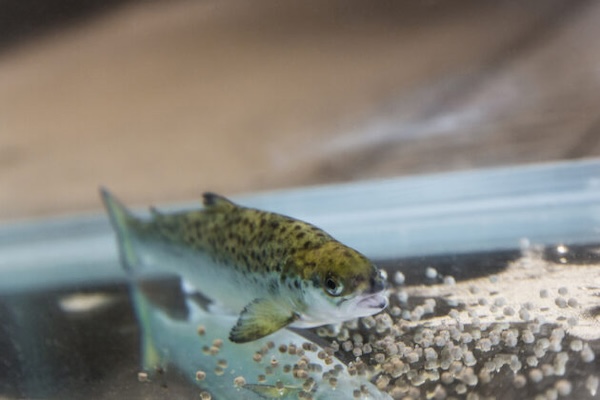
Researchers at Nofima have found that selectively breeding salmon to deposit less fat and more muscle could improve feed efficiency, potentially saving Norway’s salmon industry about €105 million (approximately U.S. $118 million) annually.
The study, which was conducted through the EU-funded NewTechAqua project and involved researchers from Nofima, the Norwegian University of Life Sciences and Mowi Genetics, found genetic differences among salmon families in how efficiently they convert feed into growth. Traits including growth, feed efficiency and fat deposition showed moderate heritability, suggesting they could be targeted through selective breeding.
The research focused on directing more of the energy salmon consume toward muscle rather than fat. Because feed is a major production cost for salmon farmers, improving feed conversion could reduce the amount of feed needed to produce each kilogram of fish.
“That is because it could have such far-reaching consequences if the industry adopts it,” said Bjarne Hatlen, Nofima nutrition researcher. “Feed is the largest cost in Norwegian salmon farming and accounts for most of its climate footprint.”
![Ad for [membership]](https://www.globalseafood.org/wp-content/uploads/2025/07/membership_web2025_1050x125.gif)
Researchers studied 70 groups of fish representing 35 salmon families from the Mowi Genetics breeding program. The individually tagged and genetically tested fish weighed about 50 grams at the beginning of the seven-week experiment at Nofima’s research station in Sunndalsøra.
The team measured feed intake and growth and analyzed how much energy and protein the fish retained or lost. Researchers then combined the nutritional results with genetic data to determine which traits could potentially be improved through selective breeding.
The study found that salmon that grew quickly while depositing less fat for each kilogram of growth used feed more efficiently. About half of the energy and protein consumed during the experiment was retained in the fish, while the remainder was lost through heat, feces and nitrogen excretion.
“What happens is that fat is replaced by protein and water, making the fish less expensive to produce,” said Hatlen. “Every gram of protein is accompanied by four grams of water at no additional cost, whereas fat merely replaces water and therefore does not add extra weight. There may also be positive side effects: leaner salmon may be healthier and of better quality.”
Nofima study finds rainbow trout fillets store more omega-3s than salmon
Nofima researchers calculated the potential industry savings using several assumptions, including annual salmon feed consumption of 1.5 million metric tons, a feed price of about €1.38 ($1.55) per kilogram and an initial feed conversion ratio of 1.05.
Under those assumptions, reducing whole-fish fat content from 21 percent to 18 percent could save the Norwegian salmon industry about $118 million annually, according to Nofima. The calculation assumes that half of the reduction in the fish’s body energy translates into an improved feed conversion ratio.
The findings could also offer salmon breeding companies a more practical way to select for feed efficiency. Rather than directly measuring individual feed intake, breeding programs could potentially use body fat as an indicator if reliable methods for measuring fat in live fish can be developed.
“Selection for rapid growth over many generations has already brought substantial indirect improvements in feed efficiency,” said Matt Baranski, genetics manager at Mowi Genetics. “However, we have long been looking for practical ways to select more directly for this trait. That is why the results of this study are particularly exciting for us. They show that it may be possible to use simpler and more practical measurements as part of routine breeding work.”
Baranski said this could not only reduce production costs, but also contribute to more sustainable use of the marine feed resources on which the aquaculture industry depends.
“This area has considerable potential, and we look forward to exploring how such methods can be applied in our breeding programs,” said Baranski.
The researchers cautioned that the experiment involved small salmon raised in freshwater under controlled conditions. Trials with larger fish at sea and practical methods for measuring body fat in live breeding candidates will be needed before the approach can be applied at commercial scale.
Now that you've reached the end of the article ...
… please consider supporting GSA’s mission to advance responsible seafood practices through education, advocacy and third-party assurances. The Advocate aims to document the evolution of responsible seafood practices and share the expansive knowledge of our vast network of contributors.
By becoming a Global Seafood Alliance member, you’re ensuring that all of the pre-competitive work we do through member benefits, resources and events can continue. Individual membership costs just $50 a year.
Not a GSA member? Join us.
Author

Related Posts
Intelligence
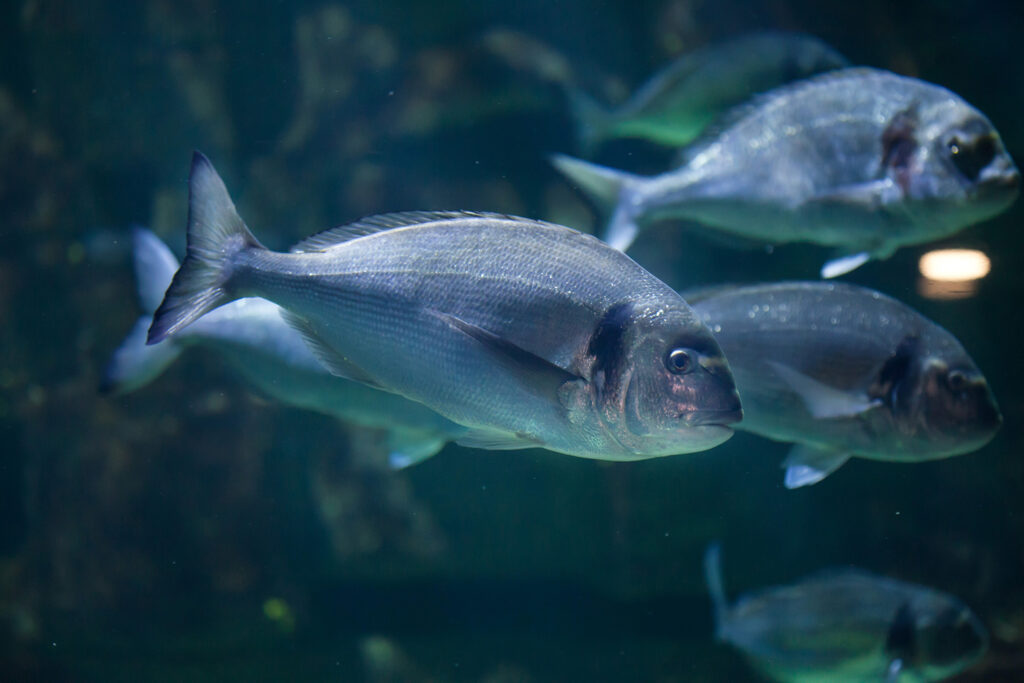
Selective breeding yields long-term genetic progress for gilthead sea bream aquaculture
Study quantifies two decades of genetic improvement for growth in gilthead sea bream with data from a large commercial breeding program in Greece.
Health & Welfare
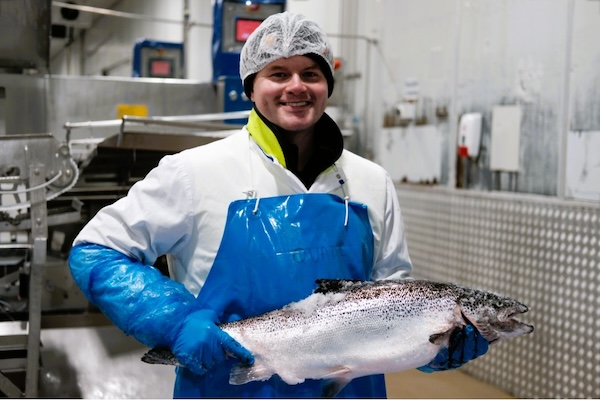
Tasmanians pursue selective breeding to produce salmon with improved heat and disease tolerance
Tasmanian salmon farmers say selective breeding has produced fish with improved tolerance to heat and disease after a major mortality event.
Innovation & Investment
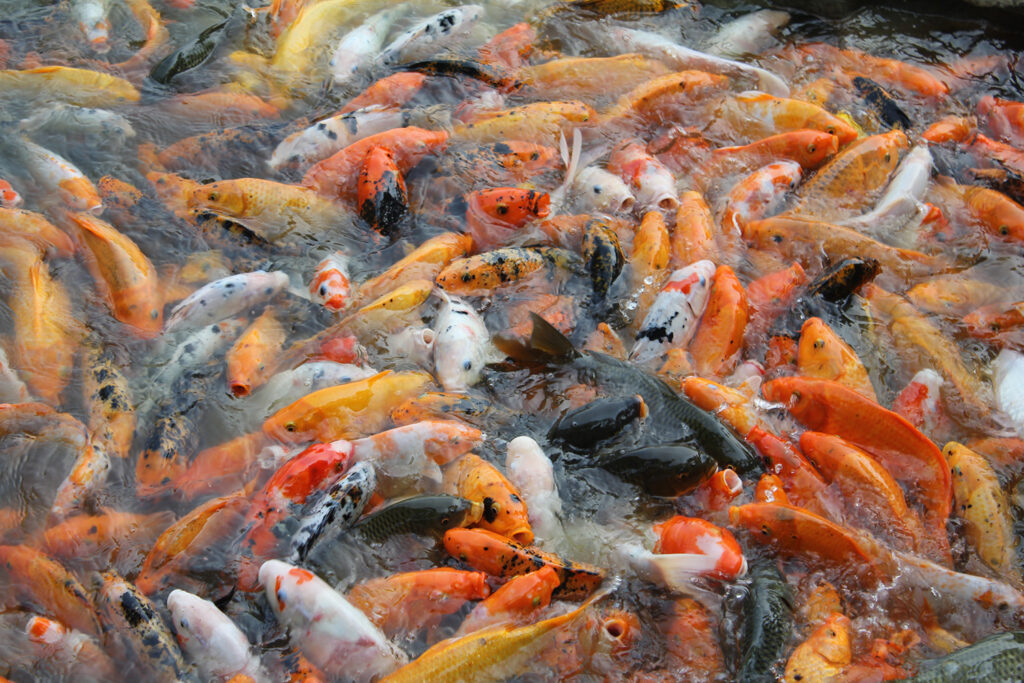
Advances in breeding technologies for fish color traits in aquaculture
A review of the genetic and molecular mechanisms causing fish pigmentation provides framework for aquaculture genetic engineering strategies.
Aquafeeds
Selective breeding represents a fresh hope for microalgae as a feed ingredient
Nofima researchers find that selective breeding yields faster-growing microalgae that produce more omega-3 fatty acids crucial to aquafeeds.