
Aquafeeds
Tiny ingredient tackles big problem: Krill meal reduces melanosis in farmed salmon
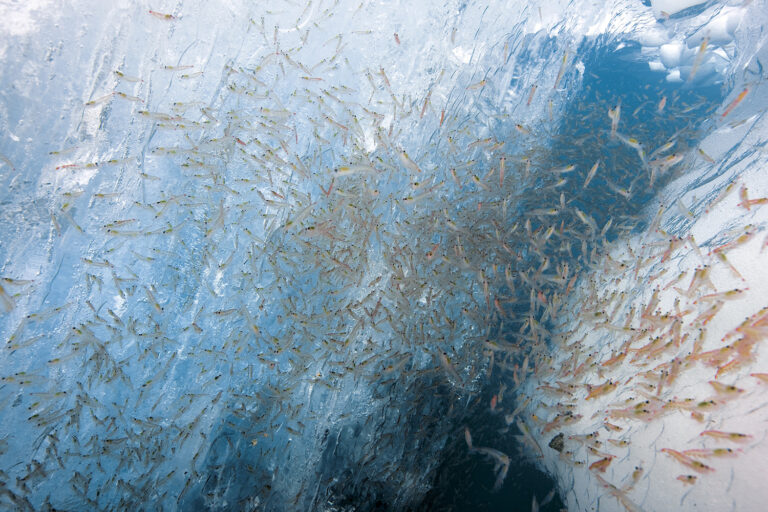
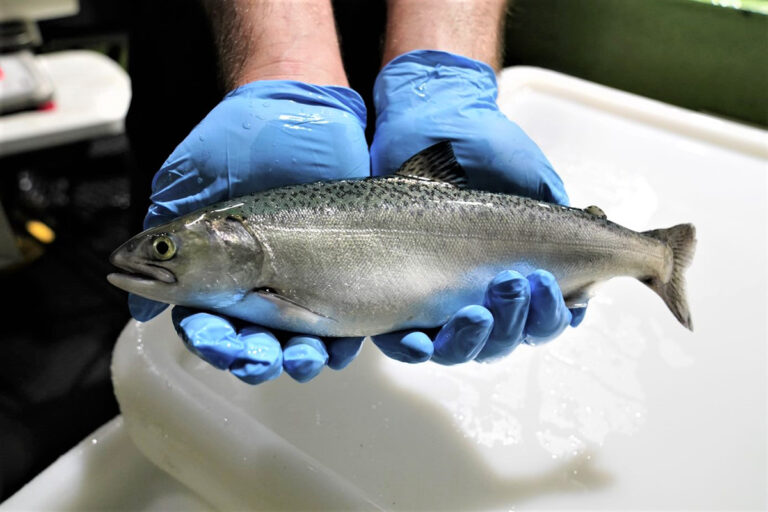
Krill meal reduces melanin spots, or melanosis, in salmon, potentially improving fish health and profitability for the aquaculture industry.
Fisheries
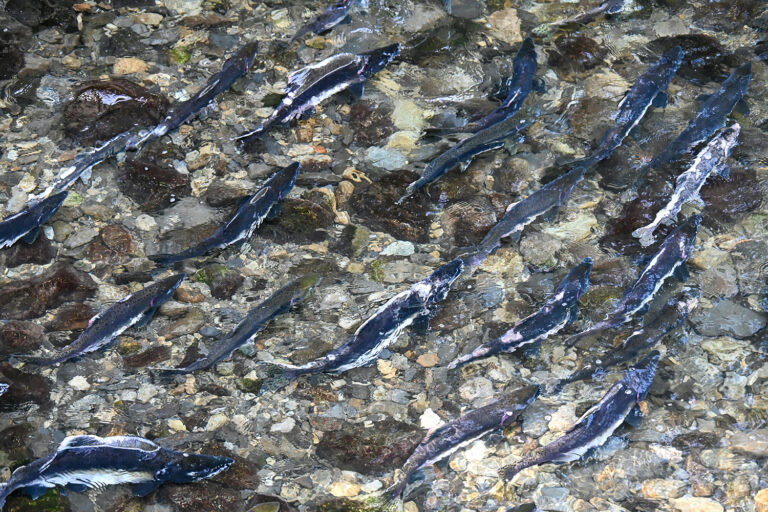
Reducing king and chum salmon bycatch in Alaska’s pollock fishery has required an industrywide effort with data sharing and new technology. Is it enough?
Aquafeeds
Krill meal reduces melanin spots, or melanosis, in salmon, potentially improving fish health and profitability for the aquaculture industry.
Aquafeeds
El Instituto Noruego de Investigación en Bioeconomía busca convertir pasto en alimento para peces rico en proteínas para reducir la dependencia de la soya.
Aquafeeds
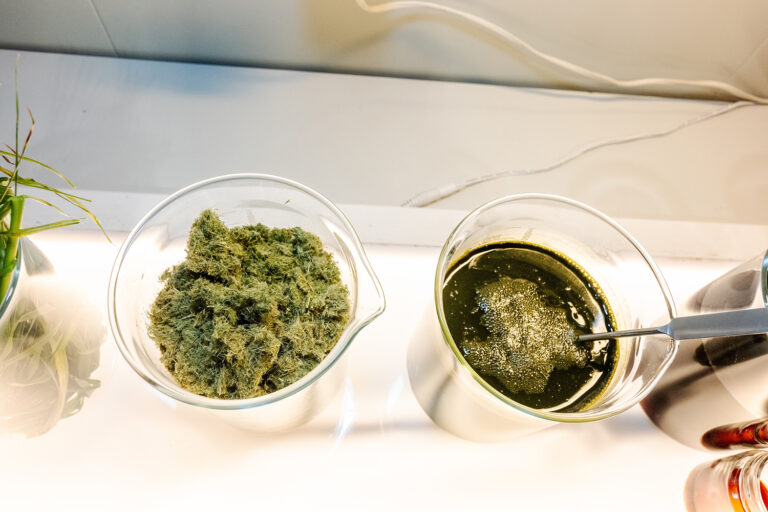
The Norwegian Institute of Bioeconomy Research seeks to turn grass into protein-rich fish feed in an effort to reduce dependency on soy.
Innovation & Investment
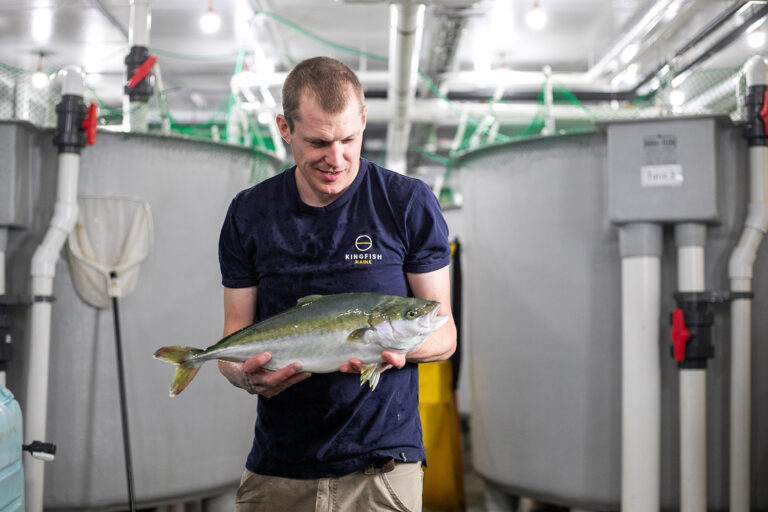
Maine has proven to be a challenging environment for large land-based aquaculture projects, but smaller ventures and inland efforts show promise.
Intelligence
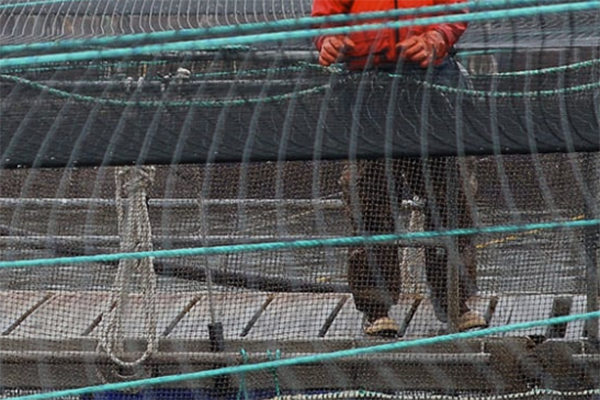
The Northwest Aquaculture Alliance is suing the Department of Natural Resources for its ban on commercial net pens in state waters.
Intelligence
As Trump tariffs loom, the U.S.-Canada seafood industry faces rising costs, job losses and supply chain chaos, forcing leaders to act fast.
Intelligence
Tribal leaders, veterinarians and other salmon farming proponents are expressing resolve in the face of Washington state's ban on net pens.
Intelligence
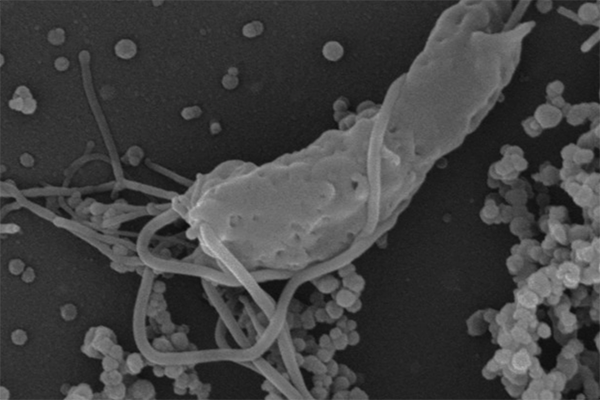
Norwegian research group Nofima has developed a new tool to effectively combat the parasite Spironucleus salmonicida in hatchery facilities.
Responsibility
El impacto del calentamiento de los océanos en el salmón cultivado ha animado al Instituto Cawthron a investigar formas de aumentar la resiliencia al cambio climático.
Responsibility
The impact of ocean warming on farmed salmon has encouraged the Cawthron Institute to research ways to boost climate change resilience.
Intelligence
Farmed salmon production projects to grow nearly 40% in the next decade, driven by health management, land-based production and investments.
Intelligence
Land-based farms and advancements in genetics are giving Iceland’s salmon sector the potential to become a pillar of the national economy.
Intelligence
Faroe Islands producers say geography, research and efforts to improve environmental sustainability make it ideal for salmon farming.
Health & Welfare
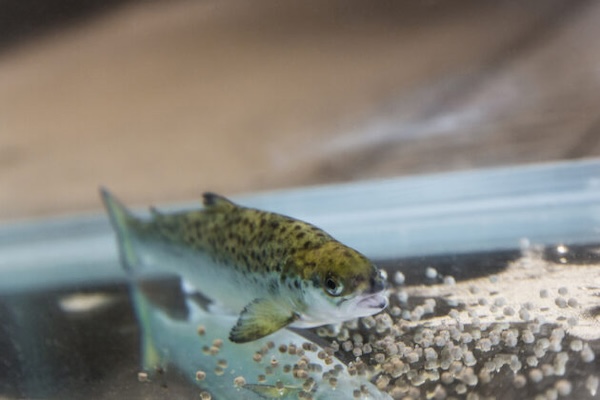
Study shows salmon can adapt to low hydrogen sulfide in recirculating aquaculture systems, improving fish health and aquaculture practices.
Innovation & Investment
La IA está mejorando los procesos de clasificación por género y optimizando la evaluación de la calidad y la producción de la acuacultura del salmón del Atlántico.