


Catch & Culture Review: Research gaps and future directions for penaeid shrimp larvae nutrition and rearing

Hatchery operations and larval feeding regimes are critical but underdeveloped aspects of shrimp aquaculture
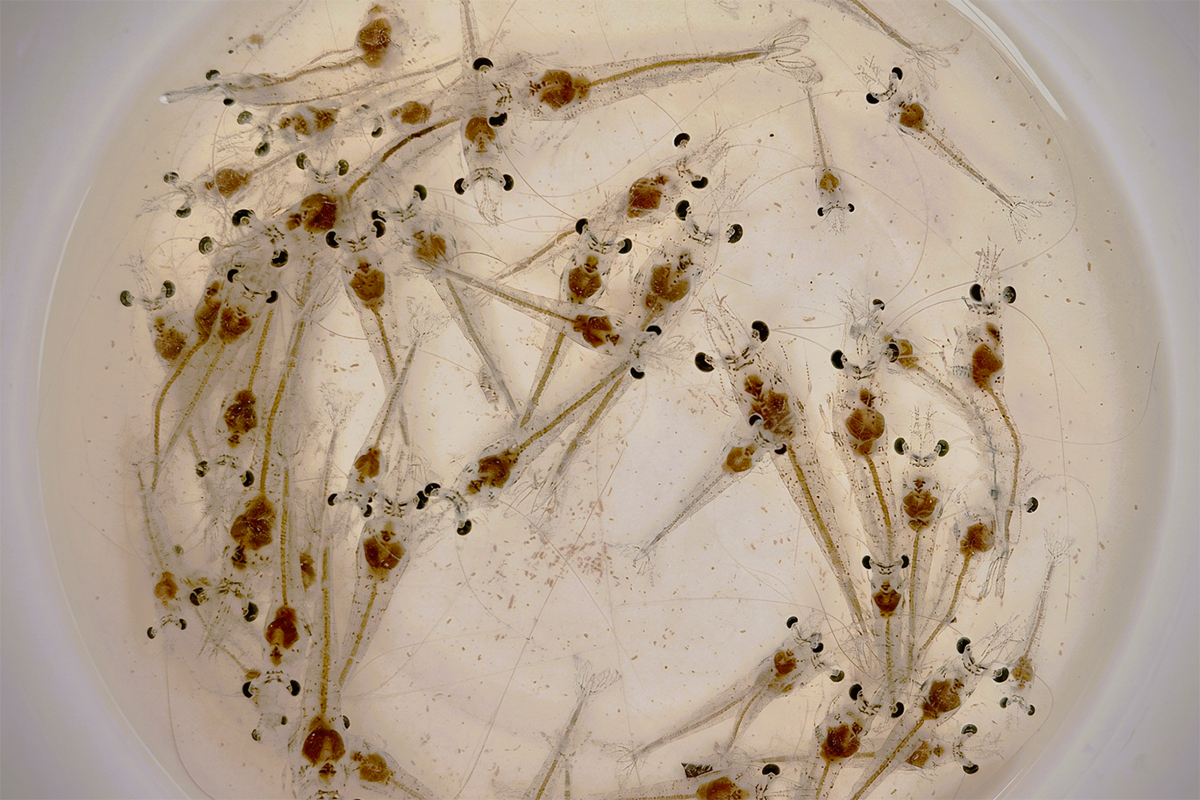
Shrimp larval feeding remains empirical despite rapid developments, with gaps in stage-specific nutrition, protein quality, lipids, artemia and others limiting postlarval robustness and farm performance.
Penaeid hatcheries occupy a critical but comparatively underdeveloped position within the aquaculture production chain. Although nutrition during the grow-out phase has been studied and refined for decades, feeding strategies for larvae and early postlarvae (PLs) remain less systematically developed.
In this review by Drs. Roeland Wouters (INVE Technologies, Belgium), Daniel Lemos (University of Sao Paulo, Brazil) and Patrick Sorgeloos (Ghent University, Belgium), the authors draw a parallel with poultry production, in which the long-term effects of hatchery conditions on lifetime performance were recognized only gradually.
Similarly, the shrimp industry is increasingly shifting its emphasis from production volume toward survival, growth, feed efficiency, and biological consistency. Because feed represents the largest operating expense in many production systems, nutritional deficiencies during the hatchery phase can generate substantial downstream costs, even when their effects become apparent only later through weak nursery performance, variable pond crops, or poor feed conversion.
![Ad for [BSP]](https://www.globalseafood.org/wp-content/uploads/2025/07/BSP_B2B_2025_1050x125.jpg)
Larviculture is not a scaled-down grow-out system: larval densities are high, animal development is rapid, particles are microscopic and tanks are very biologically active. Feed supplies nutrients and also affects the microbial community, oxygen demand and nitrogen. Hatchery variability shows that formulation alone will not close the gap, and the authors focus on the gaps that most limit commercial progress.
One is geographic: mechanistic studies are often done where academic capacity is strong, but hatchery volume is small, while countries that produce most of the world’s seed have fewer resources for controlled work. Empirical protocols persist for that reason as much as they do from lack of interest.
Nutrient specifications remain too static, with feed labels often showing similar protein levels from zoea through PLs, despite large changes in morphology, enzymes, behavior and tissue deposition, particularly for the zoea and mysis stages. Species differences add another constraint, so a protocol developed for one species may not apply to another penaeid species.
Microbial community of probiotic-treated shrimp survivors put to AHPND challenge test
Protein is still discussed mainly as crude protein, which says little about amino acid balance, peptide size, digestibility, leaching or processing. Published amino acid requirements for shrimp larvae are essentially absent. Crystalline amino acids can help, and a recent multi-diet screen suggested gains in survival, growth and uniformity. A temporary drop in protease activity in early PLs and very rapid gut transit mean that ingredients that look adequate on paper can fail in the tank. Peptide profiling and larva-specific digestibility assays are offered as practical screening tools.
Lipids should be judged by function, not inclusion rate: HUFAs, phospholipids and sterols rather than “percent fat.” Tissue fatty acid profiles follow the diet and shift with stage, supporting stage-specific lipid design.
The authors describe artemia as a changing matrix of nutrients and poorly characterized bioactives, plus enzymes that assist digestion while the larval gut is incomplete. Stable-isotope work suggests its contribution to growth exceeds its share of the ration. That value is easily lost through poor hatching, enrichment, hygiene and handling, which also increase Vibrio risks. Enrichment is routine in fish hatcheries but still uncommon in shrimp hatcheries. The longer-term aim is to reduce live-feed dependence by reproducing the functional roles of artemia, not only its proximate composition.
Genotype-by-diet interactions are already visible in hatcheries: fast-growing lines become more voracious from late zoea onwards, so one feeding program for all lines is unlikely to be optimal. Feed and microbes also cannot be managed separately; for example, small changes in ration or particle stability can alter the microbiology of larval culture tanks within hours. Sterility is the wrong objective, because a stable community can limit pathogens and support digestion. Late salinity reductions impose osmotic stress before osmoregulation is complete, so diets at that point should include n-3 HUFA, vitamin C, salts and minerals.
The authors’ recommendations follow these gaps: stage- and species-specific nutrition; studies that follow PLs onto farms; structured artemia replacement; genotype-aware feeding; integration of nutrition with microbial management; and greater use of -omics and modeling. The intended outcome is not a better hatchery score sheet, but a more predictable supply of robust shrimp PLs.
Jory, Shrimp research gaps, Table 1.xlsx
| Knowledge gap | Current limitation | Research priority | Expected industry benefit | Research priority |
|---|---|---|---|---|
| Stage-specific nutrient requirements | Diets change little across larval stages despite major physiological changes | Define requirements by developmental stage | Improved survival, growth, and robustness | Very high |
| Species-specific nutrition | Feeding concepts often transferred between species | Comparative nutrition studies | Better performance of different cultured species | Medium |
| Protein quality and digestibility | Excess focus on crude protein levels | Digestibility and amino acid bioavailability studies | More efficient and sustainable formulations | High |
| Lipid functionality | Lipids often evaluated only quantitatively | Define stage-specific roles of phospholipids, HUFA, and sterols | Improved growth and stress resistance | Medium |
| Functional role of Artemia | Benefits exceed current nutritional explanation | Identify digestive, microbial, and bioactive mechanisms | Reduced dependence on live feed | High |
| Genotype x diet diet interactions | One-size-fits-all feeding strategies | Precision feeding according to genetics | Higher biological efficiency | High |
| Nutrition–microbiome interactions | Feeding effects on microbial stability poorly understood | Integrated nutrition–microbial research | Greater hatchery consistency | Very high |
| Link between hatchery nutrition and grow-out performance | Long-term effects rarely quantified | Hatchery-to-farm validation studies | Better prediction of economic returns | Very high |
Relevance of research findings to the industry
Reducing artemia, using one diet across stages, or maximizing harvest survival without reference to later performance may lower the price of PL while raising cost elsewhere. Several steps do not require a complete requirement table: match particle size and protein quality to stage; treat crude protein as an incomplete specification; handle and enrich artemia properly while it remains in use; and regard overfeeding as a microbial problem as well as a nutritional one.
For feed manufacturers, the opportunity is stage-specific, function-oriented products: more digestible peptides for early stages, lipids chosen for membrane function rather than energy alone, and late postlarval diets formulated for osmotic and handling stress. Digestibility assays and peptide profiles are already usable in ingredient selection. Alternative proteins will not succeed in hatcheries if they leach readily or are poorly digested by larvae with short gut residence times.
Integrators and breeding companies are in the position the authors emphasize the most. Internal records already suggest that hatchery nutrition affects grow-out, but those data are rarely published. Even limited hatchery-to-farm results would affect how seed is valued and how different genetic lines are fed. Once it is accepted that fast-growing and standard lines do not feed in the same way, genotype-specific hatchery programs become a practical option.
Research efforts are not concentrated where most seed is produced. Trials inside large hatcheries in Asia and Latin America would close that gap more quickly than further laboratory studies in regions with little commercial throughput.
Perspectives
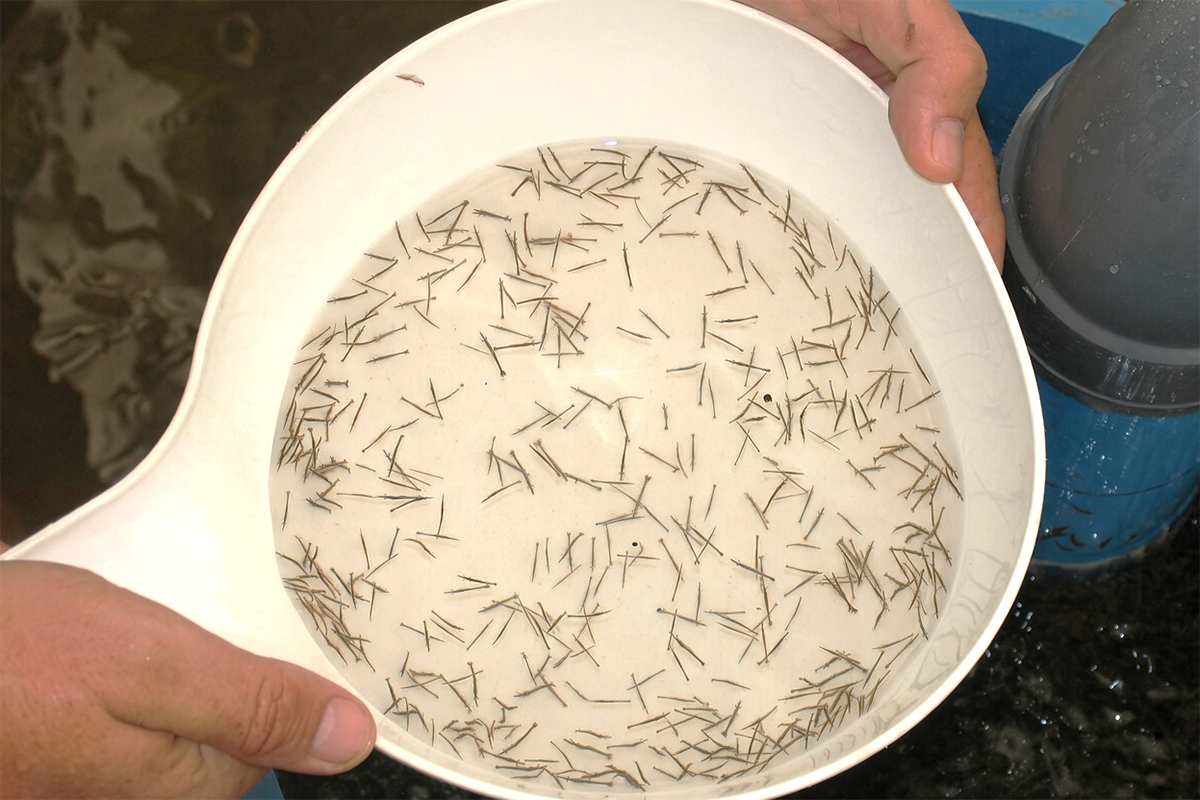
The authors report that progress in shrimp larviculture will not come from pushing hatchery survival and growth figures a little higher. The more useful target is PLs that remain competent after they leave the hatchery, under the less controlled conditions of commercial nurseries and ponds. The variability still seen in hatchery results suggests that current feeding programs are only loosely matched to what larvae actually need as they develop.
What is already known about larval nutrition should be applied at the scale of a working hatchery. That means treating formulation, feeding practices, microbial management and day-to-day operations as one problem, and recognizing that species and genetic lines do not respond in the same way. Controlled studies that follow early nutrition through to grow-out are still scarce. Commercial experience, however, continues to suggest that conditions in the first days of culture have a lasting effect on efficiency and predictability later in the cycle.
Closer contact between research and hatchery practice is therefore necessary. Nutrition should be viewed as one of the main controls on system performance, not as a separate feed specification. Priority should go to stage-specific diets designed around function – digestion, robustness and stress tolerance – rather than around a single set of hatchery metrics. Research along those lines is the most direct route to more stable production and a more economically reliable shrimp industry.
Reassessing key functional attributes of yeast and yeast derivatives in aquaculture nutrition and feeds
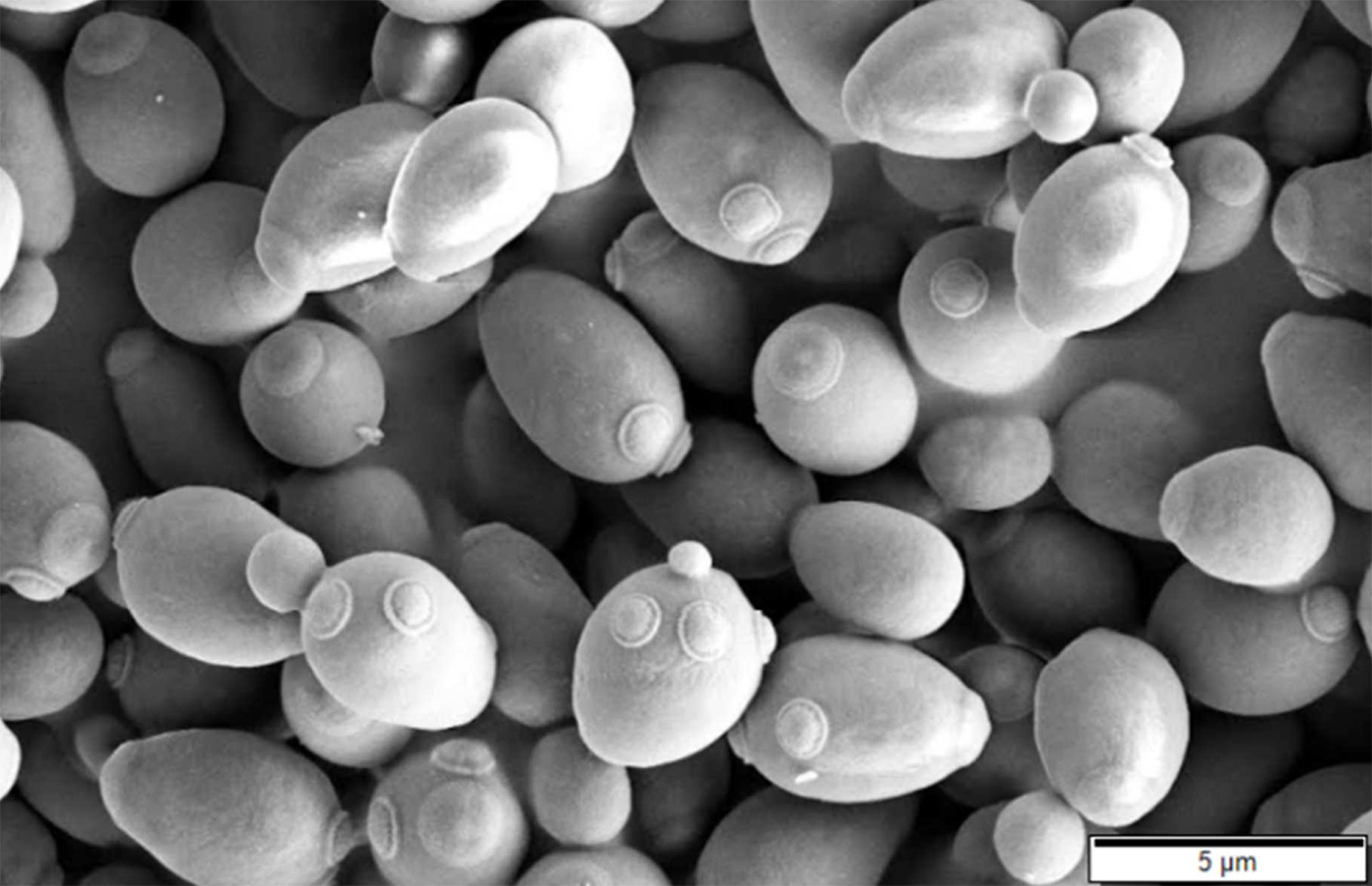
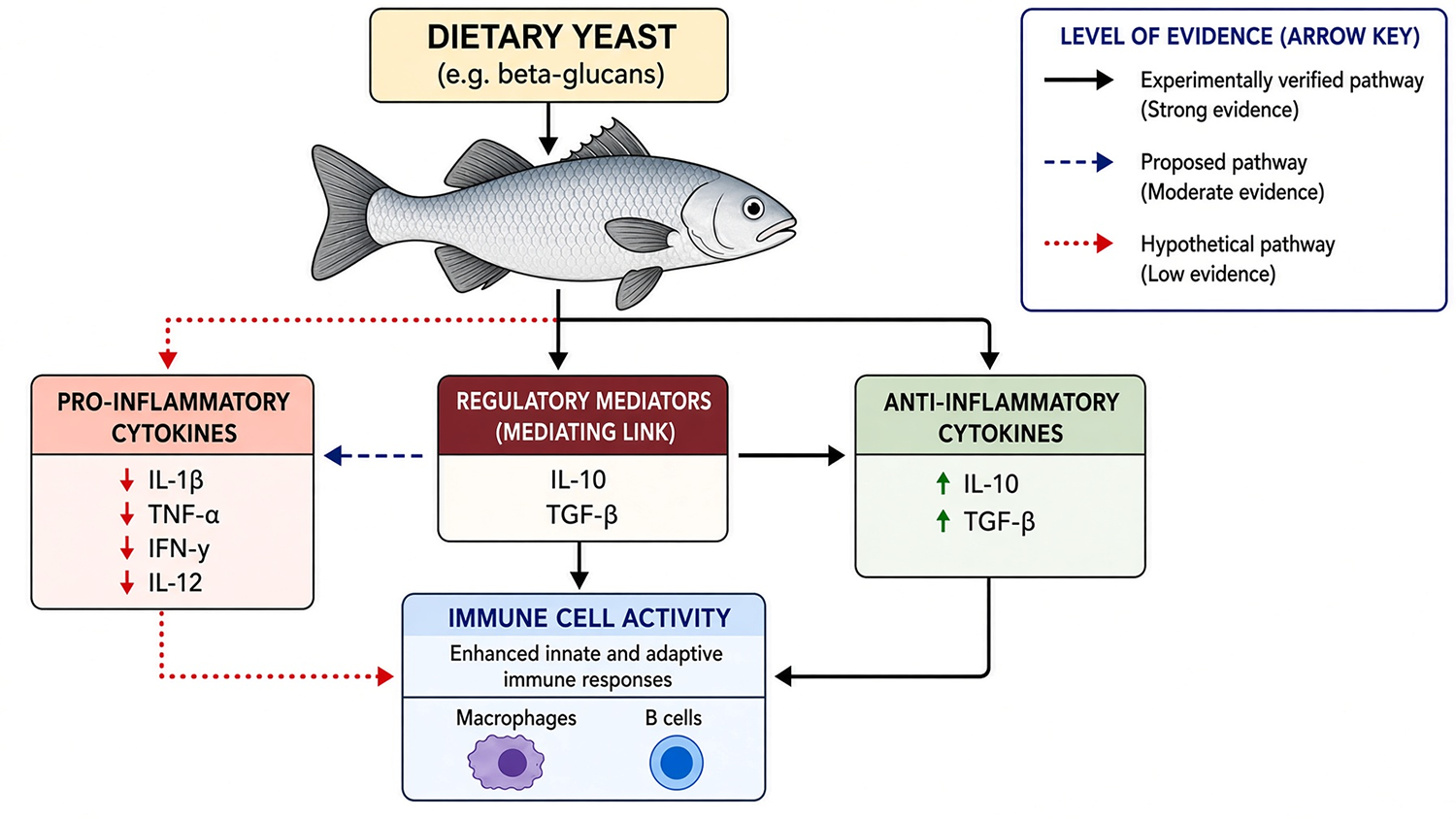
Yeast-based feed additives serve a dual role in aquafeeds: They improve protein quality and digestibility while also supporting immunity, antioxidant capacity and disease resistance. This marks a shift from using yeast only as a protein substitute toward broader health-management strategies, consistent with evidence that yeast products can support growth, gut integrity and physiological resilience.
This review by Reshma Sinha et al. – at the United Arab Emirates University (Abu Dhabi), University of Galway (Ireland), Iranian Fisheries Science Research Institute (Iran), Lovely Professional University (India), Central University of Himachal Pradesh (India) and Cairo University (Egypt) – critically examines the use of yeasts in aquafeeds, drawing on the current body of research on yeast-derived materials.
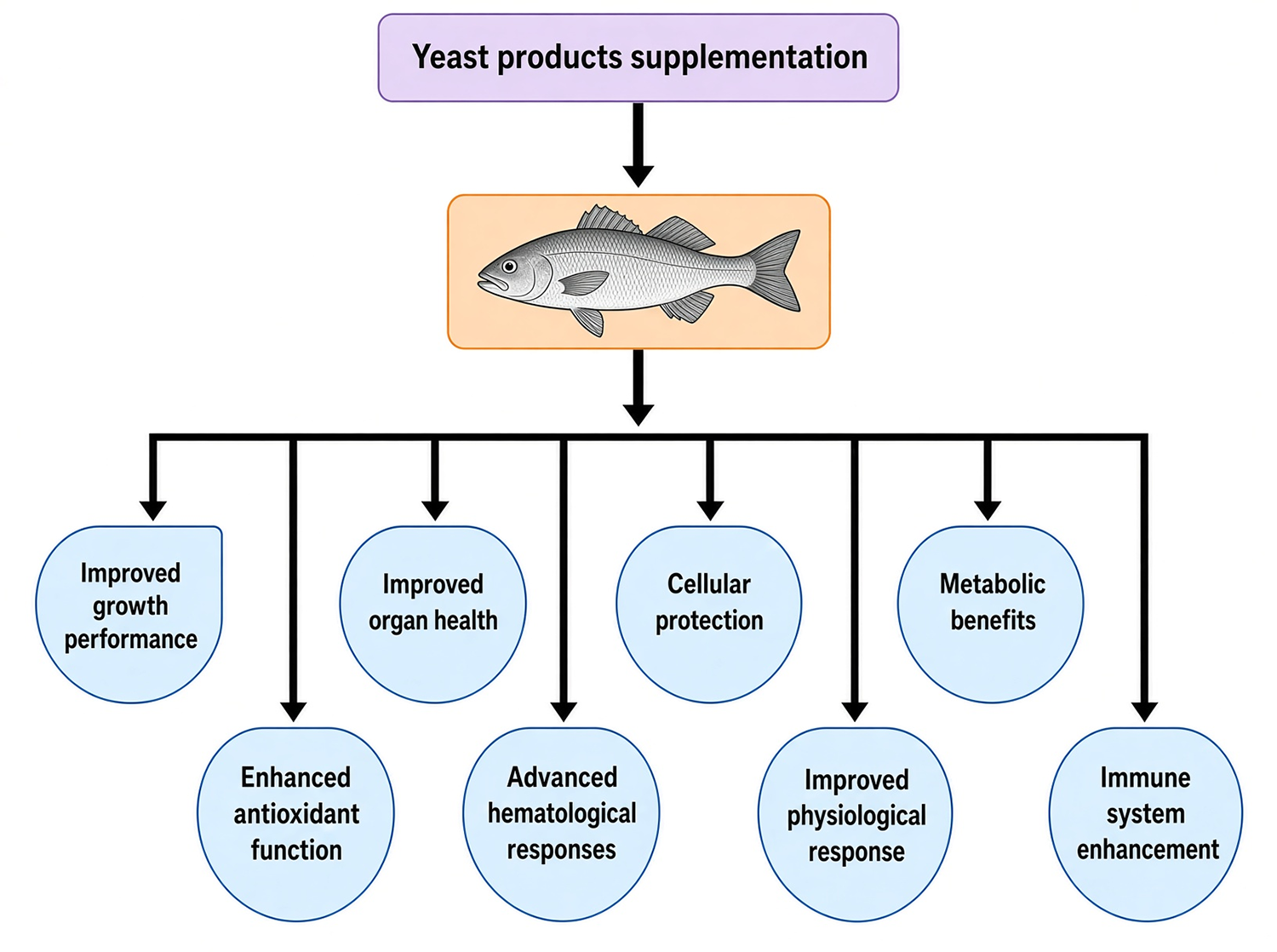
Coverage includes intact yeast cells, cell-wall preparations, autolysates, hydrolysates and isolated bioactive constituents. Particular attention is given to products rich in beta-glucans, mannanoligosaccharides (MOS), nucleotides and related bioactives, which have been linked to improvements in innate and adaptive immunity, regulation of gene expression and stronger antioxidant capacity in a wide range of farmed aquatic species.
Brewer’s or baker’s yeast (Saccharomyces cerevisiae) is especially relevant, supplying 32–62 percent protein, essential amino acids, B vitamins, and immunomodulatory compounds that act together to improve performance. These traits make yeast a useful partial replacement for fishmeal and soybean meal in more sustainable formulations. Inclusion is nevertheless constrained by high nucleic acid and non-protein nitrogen (NPN) contents. NPN can overstate true protein, and excess nucleic acids may disrupt metabolism and energy use, with adverse effects at high dietary levels.
Published inclusion rates commonly start at about 0.1 percent for whole-yeast products and near 0.4 percent for selected fractions, although responses differ markedly among species. The review brings these themes together to give an integrated account of modes of action, species-specific uses, effects on the gut and associated organs and broader systemic health. Hematological indicators and disease resistance in both fish and crustaceans that may be influenced by yeast products are also considered in the review.
By linking mechanistic evidence with practical feed application, the authors address a gap in the literature and establish a framework for the multifunctional contribution of yeast in aquaculture nutrition. And the review further outlines prospects for commercial processes that could yield new yeast-based functional additives. While available studies point to possible gains in growth, immune function, antioxidant status and intestinal health, the size of these effects varies substantially across investigations.
Relevance of research findings to the industry
For feed mills and farms the main practical message is that yeast is most valuable as a functional additive at modest inclusion, not as a drop-in replacement for marine or plant protein. At roughly 0.1–0.4 percent of the diet, selected products may support health and robustness in systems under high stocking, low fishmeal and disease pressure, relevant where plant-heavy diets could stress the gut.
Formulators can match product type to need: live yeast where a probiotic effect is wanted; cell-wall preparations where immunity and pathogen binding matter; hydrolysates or autolysates where digestibility and nucleotide supply are the priority. Because yeast can be grown on industrial side streams, it also supports sustainability claims and partial independence from volatile fishmeal and soy markets.
Quality is another commercial bottleneck, and until characterization and analytical methods are standardized, buyers should treat products as non-interchangeable and demand composition data (beta-glucan, MOS, nucleotide and true protein), not only a generic yeast label.
Perspectives
Regarding challenges and future directions, a wider use of yeast in aquaculture is still limited by inconsistent product quality, weak standardization, and processing that is not always matched to the intended application. Differences in strain, manufacturing method and quality control produce variable products, so reliable characterization and standardized analytical methods are needed before results can be compared across studies or production systems.
Current work is moving toward genetically improved strains, new processing methods and combinations with other functional ingredients, with the aim of raising benefit while lowering cost and environmental burden. Stronger risk-assessment tools and clearer regulations are also helping new yeast applications reach the market without compromising safety or efficacy, an essential step for commercial uptake.
Priorities for further research include long-term feeding trials, systematic dose-response work across species and mechanistic studies of immune effects under commercial conditions. Genomics, proteomics and metabolomics should continue to clarify how yeast products act, supporting more targeted formulations. Environmental and sustainability assessments will remain important as potential use scales up.
Yeast and yeast fractions are effective multifunctional additives that can address nutritional, immune and physiological needs at the same time. Their performance depends on product type, inclusion rate, processing and the biology of the target species. Benefits for gut health, antioxidant status, disease resistance and immune function are well documented, but the size of those effects differs among species, so supplementation should be tailored rather than applied uniformly. Standardized manufacturing and reporting will be needed for reproducible results and commercial translation.
Different products play complementary roles: Live yeast can act as a probiotic; cell-wall fractions are useful for immunomodulation; autolysates and hydrolysates improve nutrient availability; and fermented products provide broader nutritional support. Product choice should therefore follow the animal’s physiological needs, not only the feed formula. Multi-strain fractions, marine yeasts and specialized fermentation methods are widening the options while improving efficacy and cost. These advances support precision nutrition by species, life stage and production system. Finally, next-generation derivatives and processing technologies should further refine these benefits while aligning with the sustainability aims of modern aquaculture.
Impacts of Edwardsiellosis on tilapia aquaculture and emerging approaches to sustainable control
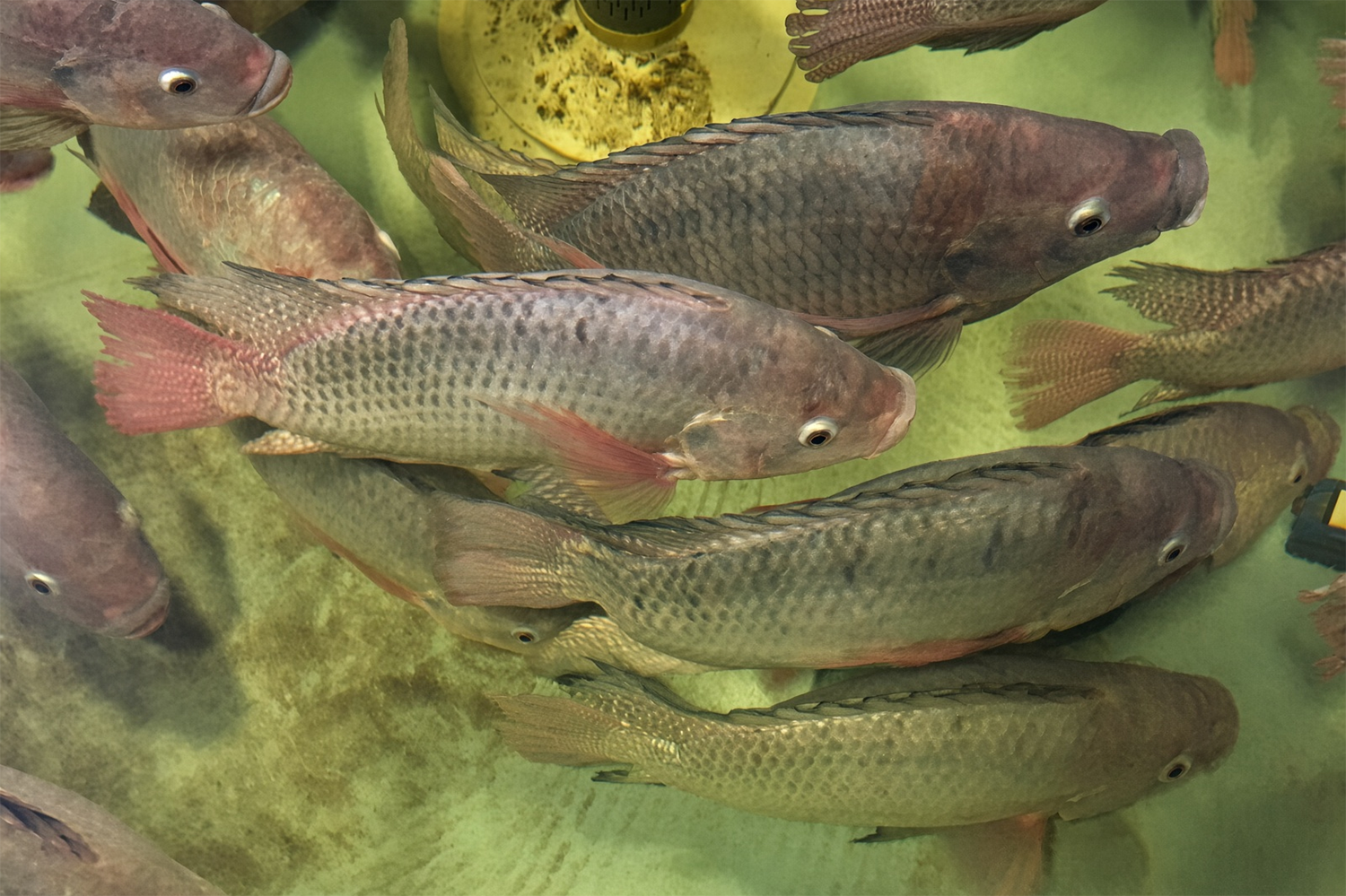
Edwardsiellosis is a septic bacterial disease caused by Edwardsiella species, typically E. tarda, which kills large numbers of fish and causes significant financial loss to freshwater and marine fish farms globally. Edwardsiella strains are not all the same and have wide genetic and phenotypic differences. The bacterium carries several virulence factors, and that mix is why a vaccine or a treatment that works on one isolate can fail on another. Molecular monitoring of circulating strains and routine drug-sensitivity tests are important for control and management of this pathogen.
This review by Marco Shizuo Owatari and colleagues at the Federal University of Santa Catarina, Florianópolis, Brazil examines the disease of Edwardsiellosis caused by Edwardsiella tarda in farmed tilapia and its consequences. It considers outbreak patterns, industry-level economic costs, and emerging options for prevention and control, with the aim of promoting integrated approaches that support more sustainable farming.
Clinical, epidemiological and pathological features of E. tarda infection have been documented for many years. The disease remains a serious constraint on tilapia culture, including in Brazil, and calls for coordinated action among producers, researchers and regulators, grounded in prevention and sustainability.
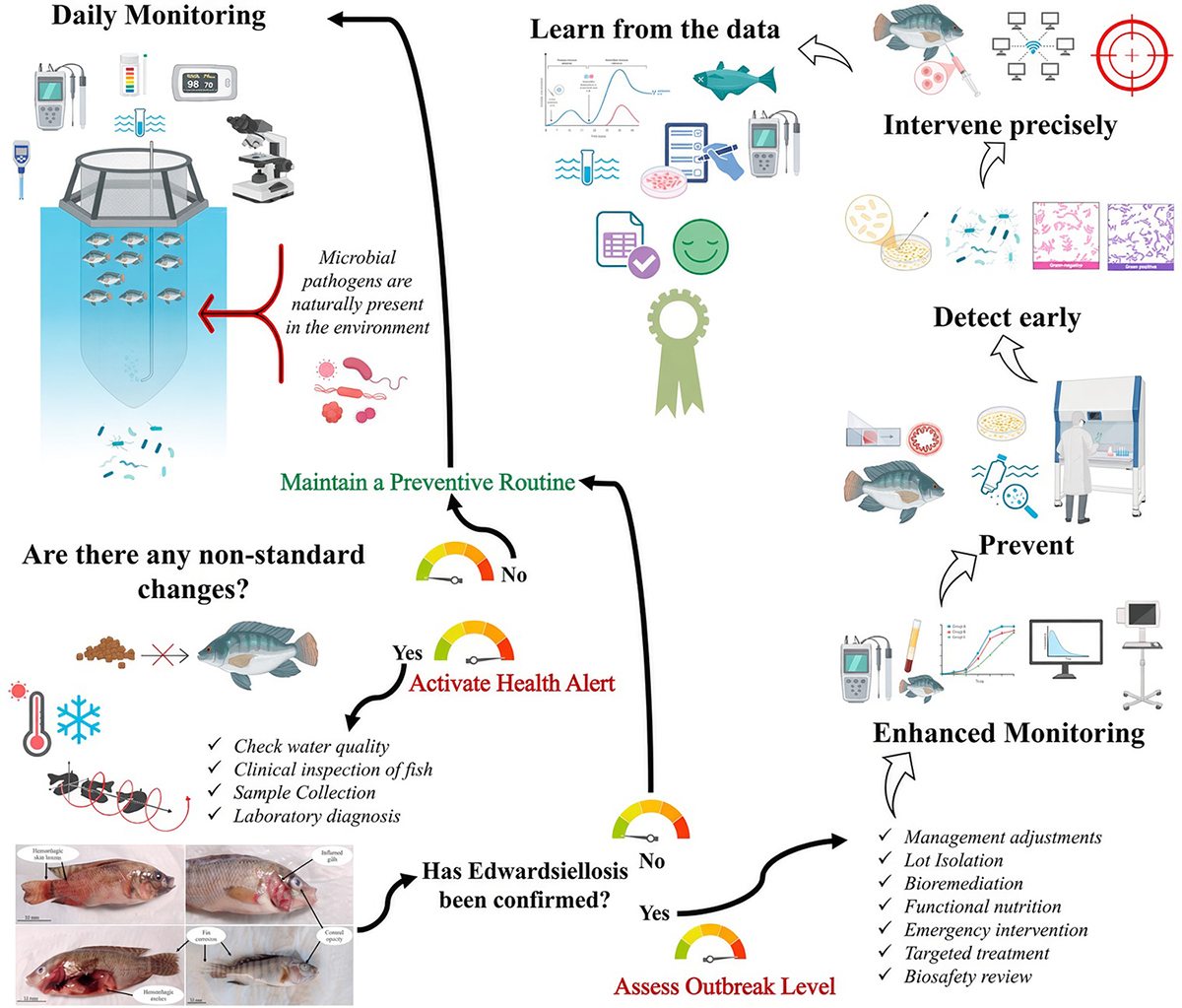
Losses recorded in Brazil and elsewhere underline the need for comprehensive control if the sector is to remain viable. Current prevention still rests mainly on husbandry, while research continues on vaccines, phytobiotics and probiotics. Further work is required to confirm how well these alternatives perform under commercial conditions and whether they are economically feasible on an industrial scale. Early surveillance, biosecurity, nutritional support and sustainable therapies can together lower outbreak risk and reduce dependence on antibiotics. Broader acceptance of these alternatives will depend on farm-level validation, standardized protocols and enabling official policies.
Coordinated implementation is essential for sanitary effectiveness, economic return and sustainable growth of aquaculture. In line with current research directions, future control of Edwardsiellosis should combine natural feed additives with sound management, particularly where environmental conditions favor disease.
Relevance of research findings to the industry
For tilapia producers, the main message is that Edwardsiellosis is a production and market risk, not only a veterinary diagnosis. Sudden outbreaks reduce fish biomass, impact feed conversion and can affect market access if there are chemical residue or zoonotic concerns with the harvested fish. Farms in warm, intensive systems, including much of Brazilian tilapia culture, are especially exposed when water temperatures and quality are not adequate.
From a practical perspective, additional investments to consider should include management measures the farms should already have control over, including water and animal monitoring, biosecurity and stress reduction actions. Antibiotic use should remain a last resort, because of the potential development of resistance and residues that make routine use increasingly costly and commercially undesirable.
Aquafeed companies and health-service providers can provide commercial alternatives like vaccines, probiotics and phytobiotics, but buyers should demand evidence from commercial-scale trials, not only laboratory challenges. Protocols for the use of “natural additives” should be standardized, as many such products can vary in performance and in cost-effectiveness.
Regulators and producer organizations must be involved in the search for solutions. Harmonized surveillance, responsible-use guidance and incentives for non-antibiotic control could lower the barrier to adoption. Because E. tarda is also a potential zoonotic disease (can be transmitted from animals to humans), processors and exporters have an interest in documented control programs that protect both fish health and food safety.
Perspectives
The authors’ perspectives are well-aligned with current research trends: Combine natural feed additives with disciplined farm management, especially where climate and water conditions raise susceptibility. That is a significant change of course, from outbreak-driven treatment toward prevention built into daily husbandry and feed management.
They also recommend clear and rational priorities for needed research. First, test vaccines, phytobiotics and probiotics on commercial farms and publish both health and economic results. Second, standardize diagnostic and treatment protocols so results can be compared across regions. Third, embed surveillance and biosecurity in routine production rather than activating them only after mortality spikes. And fourth, align policy so that reduced antibiotic use is rewarded rather than leaving farms exposed when alternatives are still unproven.
If these recommendations are adequately followed, Edwardsiellosis can be managed as a controllable production risk. Otherwise, the disease will continue to impact tilapia industries that are already under pressure from intensification, climate variability and tightening rules on antimicrobial use. Overall, this review concludes that coordinated actions involving the sanitary, economic and regulatory sectors must come together and jointly work for proper prevention and management of this important disease in tilapia farms in Brazil and elsewhere.
Now that you've reached the end of the article ...
… please consider supporting GSA’s mission to advance responsible seafood practices through education, advocacy and third-party assurances. The Advocate aims to document the evolution of responsible seafood practices and share the expansive knowledge of our vast network of contributors.
By becoming a Global Seafood Alliance member, you’re ensuring that all of the pre-competitive work we do through member benefits, resources and events can continue. Individual membership costs just $50 a year.
Not a GSA member? Join us.
Author
-

Editor Emeritus
Related Posts
Health & Welfare
Catch & Culture Review: The multi-omics approach is cracking the code on shrimp breeding
This review of recent aquaculture literature looks at strategies to transform shrimp aquaculture, unlocking functional benefits in aquafeeds and more.
Responsibility
Phage therapy provides targeted bacteria treatment
The use of phages is an alternative to antibiotics in the control of pathogenic bacteria. Phage therapy offers low-cost, low-toxicity treatment and quick bactericidal effects.
Innovation & Investment
Artemia, the ‘magic powder’ fueling a multi-billion-dollar industry
Artemia, microscopic brine shrimp used as feed in hatcheries, are the unsung heroes of aquaculture. Experts say artemia is still inspiring innovation more than 50 years after initial commercialization. These creatures are much more than Sea-Monkeys.
Health & Welfare
Do diets supplemented with phytobiotics protect Pacific white shrimp against AHPND?
Shrimp diets supplemented with phytobiotics and applied at critical periods could mitigate the impact of AHPND and other pathologies.