Responsibility
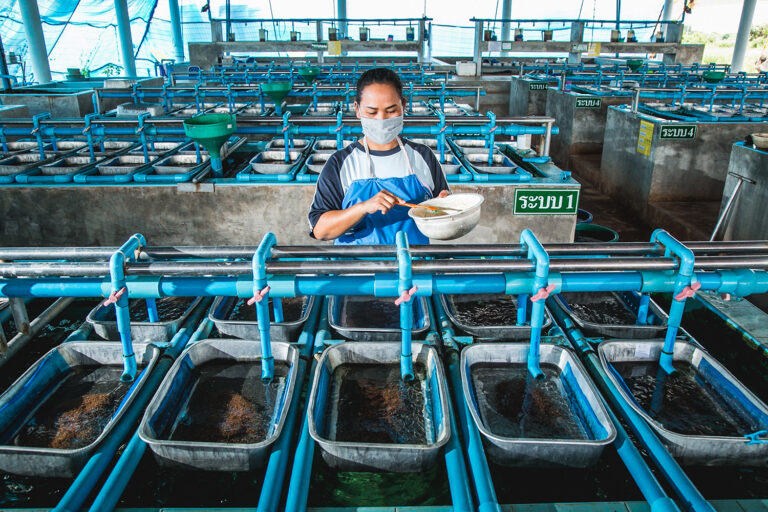
‘I worked across every department.’ One woman’s journey within Thailand’s aquaculture sector
Aquatic veterinarian Jessica Kaye Turner discusses her career path and reflects on women’s evolving role in Thailand's aquaculture industry.


Responsibility
Aquatic veterinarian Jessica Kaye Turner discusses her career path and reflects on women’s evolving role in Thailand's aquaculture industry.
Health & Welfare
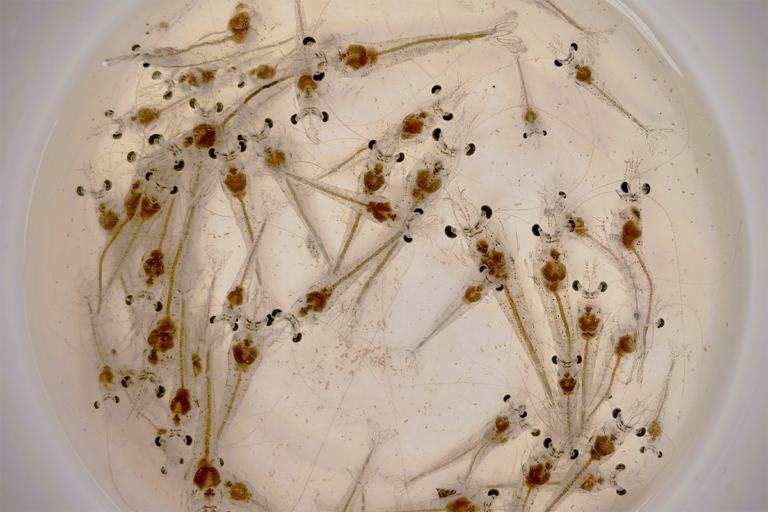
This review of aquaculture literature examines shrimp larvae research gaps, functional attributes of yeast and Edwardsiellosis in tilapia farming.

Intelligence
The global farmed shrimp sector is undergoing rapid growth while confronting increasingly complex market, biological and geopolitical challenges.
Fisheries
The FAO has opened a new Adriatic Sea unit in Croatia to support science-based fisheries management and cooperation among six countries.
Intelligence
Research shows aquatic invertebrates provide key nutrients that could help inform more sustainable fisheries, aquaculture and food systems.
Health & Welfare
Researchers are analyzing sea lice secretions to identify proteins that could become targets for future vaccines and parasite controls.
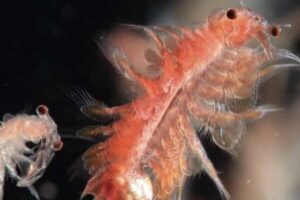
Growing demand for Artemia could outpace wild supplies, according to World Bank reports calling for expanded controlled production.
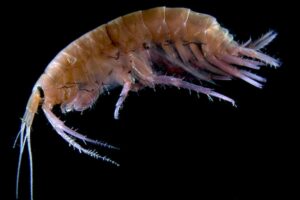
A University of Aveiro study found marine amphipods can convert agricultural waste into omega-3-rich aquaculture feed ingredients.
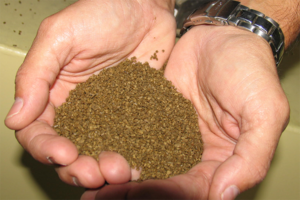
A new study found nitrogen isotopes could improve seafood traceability by verifying fishmeal use in farmed fish.
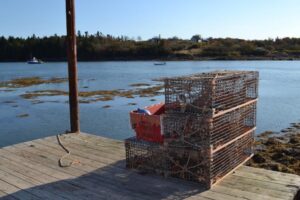
Considering the lobster fishery’s history could make forecasts more useful for fishermen and managers making decisions about the future.
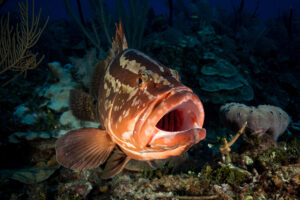
This review of fisheries literature looks at management issues for groupers, stocking fish in estuaries and how pH levels impact snow crabs.
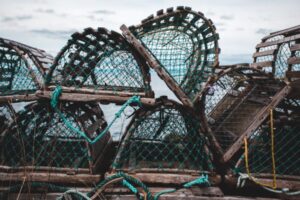
A new DFO study finds season length could be an effective tool for managing Maritime lobster fisheries as ocean conditions change.

Precision aquaculture, powered by real-time monitoring systems, is revolutionizing how fish farmers approach feed management.

Australia’s national science agency, CSIRO, has been awarded the right to host the next International Symposium on Fish Nutrition and Feeding (ISFNF XXII) in Darwin, Northern Territory, Australia in May 2026.
Sightline Systems' new AQUA Sightline 2.0 is latest wave of artificial intelligence applications designed specifically for aquaculture.
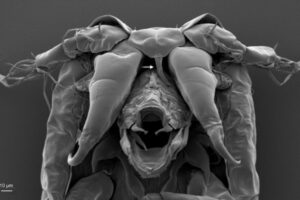
A Nofima researcher is studying whether the rostral spike could lead to new ways to prevent sea lice from attaching to salmon.

Ocean warming could reduce omega-3 levels in fish and other marine organisms, with potential implications for seafood nutrition.
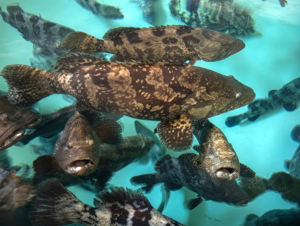
This review of aquaculture literature examines RNA interference in disease prevention, probiotics for shrimp and feed encapsulation technology.

Aquapulse is a 2026 Responsible Seafood Innovation Award finalist for combining farm data, seafood traceability and AI-powered trade intelligence.
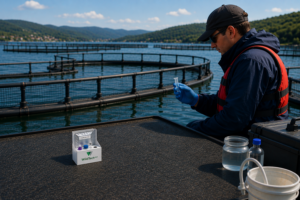
WildTechDNA’s rapid test ORYA can be done in the field by users, gives results in minutes and is a 2026 Innovation Award finalist.
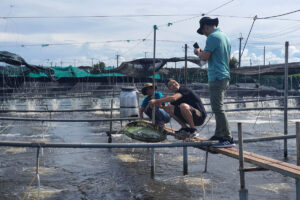
2026 Responsible Seafood Innovation Award finalist Forte Biotech’s rapid test helps farmers detect shrimp diseases on-site in about an hour, giving them more time to respond.
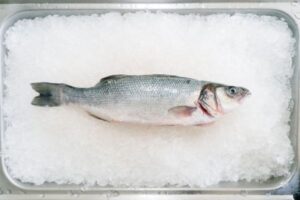
A Wisconsin aquaculture research center has joined a Great Lakes effort focused on reducing waste and creating value from fish byproducts.

Higher seafood consumption could improve food security in Brazil, but a study says aquaculture will be needed to help meet additional demand.
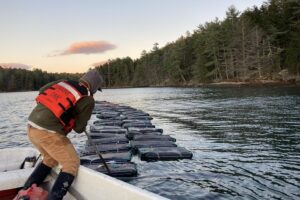
Oyster farming in Maine is advancing with satellite data that helps farmers predict oyster growth, optimize farm sites and reduce risk.
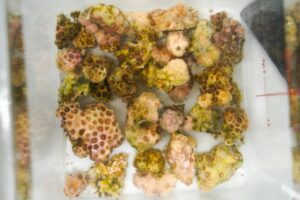
A new method for raising temperate corals in the lab could help researchers study how corals respond to ocean warming and other pressures.
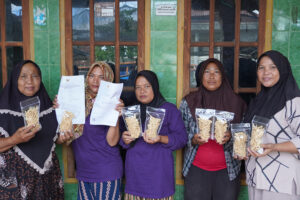
Women’s groups in Indonesia are building businesses, influencing fisheries management and supporting sustainable blue swimming crab fisheries.
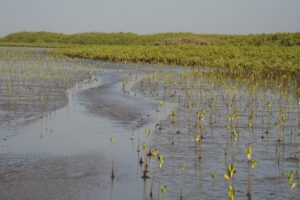
Global mangrove cover increased over 40 years, but significant losses in Indonesia and other regions reveal an uneven recovery.
Esta revisión de la literatura acuícola examina el ARN de interferencia en la prevención de enfermedades, los probióticos para camarones y la tecnología de encapsulación de alimentos acuícolas

Surgen desafíos y oportunidades a medida que las guerras, los aranceles, las interrupciones en el transporte marítimo y la volatilidad del mercado energético obligan a las empresas del sector a replantearse toda su estrategia.
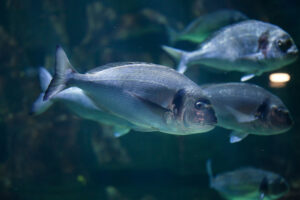
Estudio cuantifica dos décadas de mejora genética del crecimiento en la dorada utilizando datos de un programa de cría comercial a gran escala en Grecia.