
Marine fish farming in Vietnam
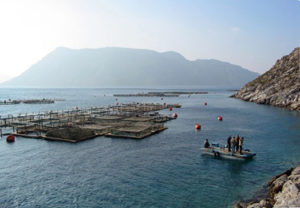
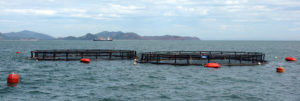
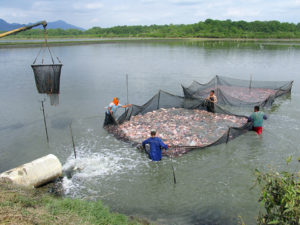
While most marine aquaculture in Vietnam has been based on traditional small-scale cage operations in protected locations, the development of larger offshore cage systems could lead to industry expansion.
Research is leading toward a methodology to assess the contribution of marine aquaculture through performance measurements and impacts.
While most marine aquaculture in Vietnam has been based on traditional small-scale cage operations in protected locations, the development of larger offshore cage systems could lead to industry expansion.
Fish farming in Egypt is not formally recognized as an agricultural activity, so aquaculture cannot use water from irrigation canals. However, fish are raised as primary or secondary crops in combination with fruit and other plant crops.
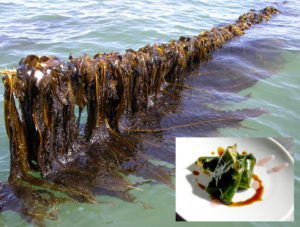
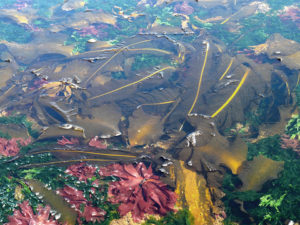
Seaweed remains a relatively untapped resource with potential as edible food, feed ingredients, cosmetics, agrichemicals, biomaterials and bioenergy molecules.
Seaweed plays key roles in Earth processes as a primary producer and link in the food webs of coastal and estuarine ecosystems.
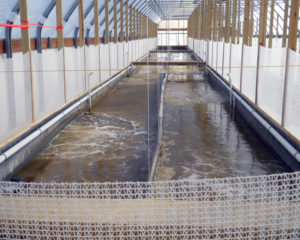
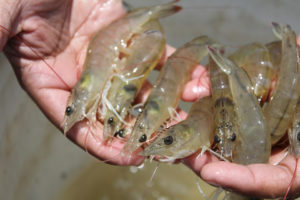
Biofloc technology offers advantages for the sustainable culture of shrimp and some species of fish.
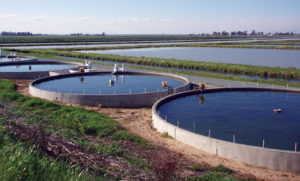
The Fishery is an inland farm in California that raises largemouth bass, carp, sturgeon and catfish in a recirculating system that minimizes water use.
Throughout Europe, debate is taking place as to whether new fish farms, wind farms, tourist facilities or marine and/or coastal protected areas should be established. Competition for space is increasing. In the COEXIST project, partners from 10 European countries are exploring these developments, aiming to increase synergies and reduce conflicts, particularly with regard to the fields of aquaculture and fisheries.
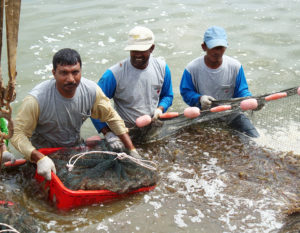
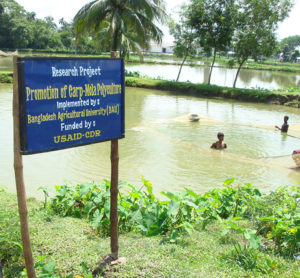
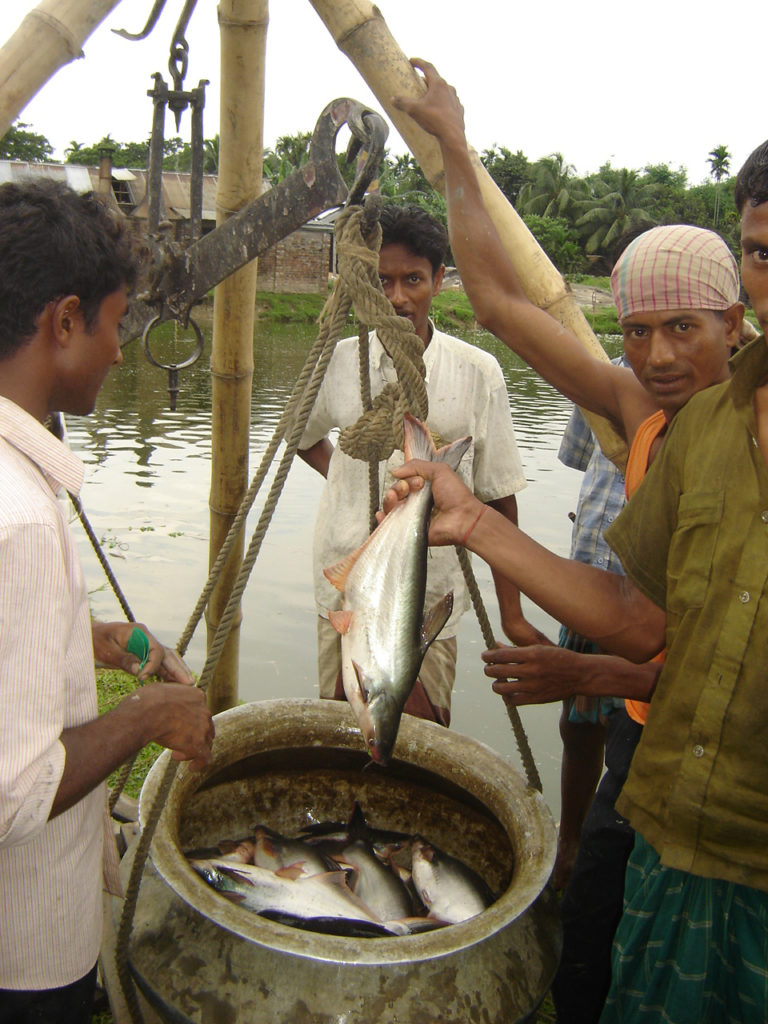
In a study of pond polyculture, manipulation of species composition improved fish yield and corresponding income. Selling the whole production increased income 27 percent.
Compensatory gain is defined as faster than normal growth following a period of slower than normal growth, caused by nutritional and environmental factors.
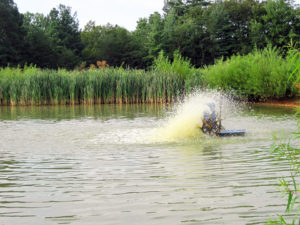
Evaporation of water from ponds is influenced by solar radiation, air and water temperature, and wind velocity. Control of aquatic plants can yield some reduction.
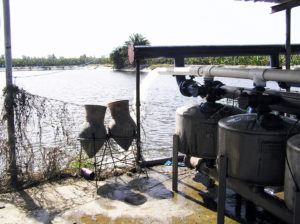
One simple method of treating high-nitrogen wastewater in shrimp aquaculture is the use of sequencing batch reactors, which are simple in design.
To design a settling basin, know the size distribution of particles, estimated rate of inflow and determination of the smallest particle size to be removed.
A practical way to treat mariculture effluents combines the physical attributes of a sand filter and the biological properties of hungry marine sand worms.
Aquaponic systems are robust, management is not difficult, and the synergies between fish and plants make vegetable production more profitable than aquaculture alone. The lion’s share of marine agriculture involves salt-tolerant halophytic plants used as food or feed, or in energy production.
Those interested in using groundwater for aquaculture should perform a thorough chemical analysis of the water. Several problems related to groundwater use in hatcheries and holding or transport vessels can be alleviated by degassing or aeration.