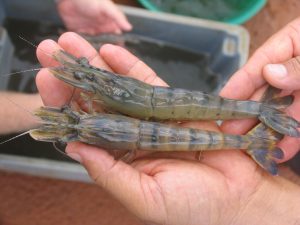
New circular DNA vaccines and heritable, anti-viral immunity possible for shrimp
Author evaluates production of new circular DNA vaccines and heritable anti-viral immunity for shrimp based on viral defense mechanisms.



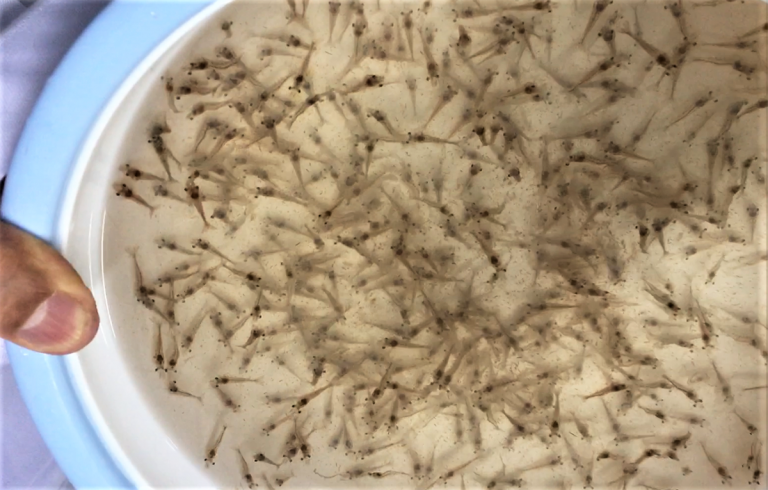
Evaluating physiological strategies of L. vannamei to adapt to low salinity, with insights into the significance of lipids for shrimp osmoregulation.
Author evaluates production of new circular DNA vaccines and heritable anti-viral immunity for shrimp based on viral defense mechanisms.
Evaluation of swimming in Nile tilapia shows critical swimming speed is heritable and can predict fish growth performance.
A discussion of the effects of excessive water iron on fish health in hatcheries that depend on well water, as well as some mitigation strategies.
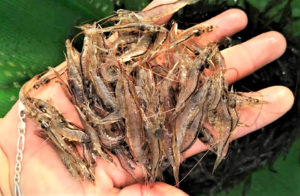
Evaluating gut microbiota modulation in L. vannamei through dietary yeast cell wall additive improves animal performance, healthy intestinal microbiota.
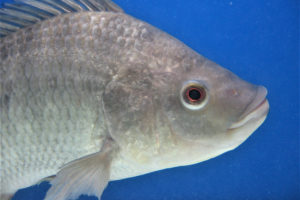
Development and testing of tilapia welfare assessment protocol begins alignment to procedures used for other aquatic, terrestrial farm animals.
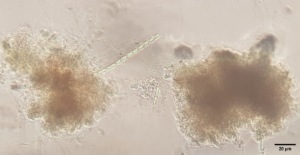
Evaluating three aeration systems showed that air-injector nozzles produced greater microorganism diversity, biofloc development, overall shrimp productivity.
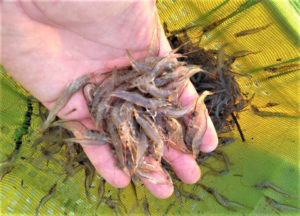
In shrimp RAS, use of ozone stabilized water microbial composition, biofilms and shrimp carapaces, controlled nitrite and accelerated nitrate degradation.
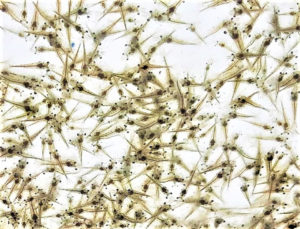
Systematic analyses confirm novel V. parahaemolyticus is causative agent associated with Translucent Postlarva Disease, which hit China in 2020.
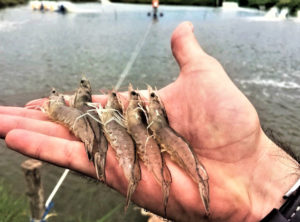
Study examines the impact of environmental stressors like dissolved oxygen, nitrogenous compounds and pH on shrimp contracting White Spot Disease.
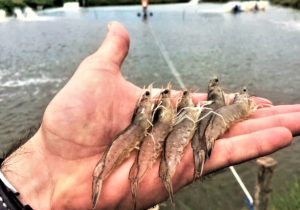
Study stresses the importance of understanding the impact of environmental stressors on farmed shrimp contracting White Spot Disease.
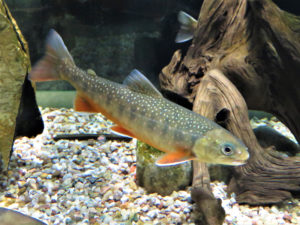
Reviewing and summarizing available information on Arctic charr broodstock management, early hatchery rearing and areas of needed research.
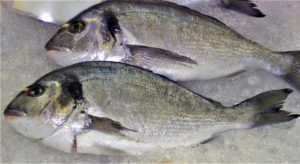
Evaluating the use of lower-density SNP panels to accurately predict breeding values for four species shows potential for broader application.
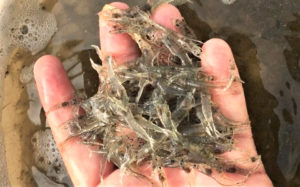
In an evaluation of carbohydrate sources, corn starch performed better than molasses in promoting the growth of L. vannamei in a biofloc nursery.
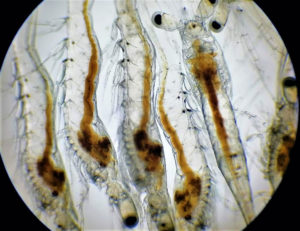
The occurrence and abundance of Vibrio populations impact the bacterial composition of L. vannamei shrimp during post-larval development.
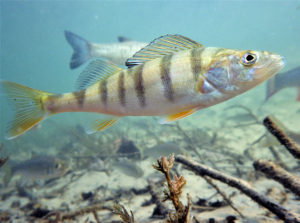
An evaluation of single-trait and multi-trait approaches through larviculture study to assess domestication and aquaculture potential of wild species.