


DFO Canada: Season length a key tool for managing Maritime lobster fisheries

DFO Canada study also determines that small trap reductions may have little impact
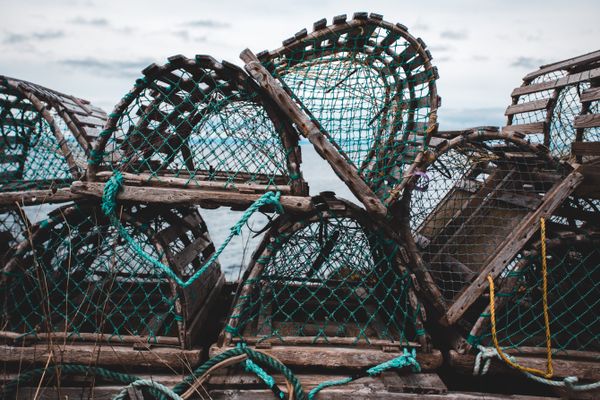
Season length is one of the most effective tools examined for managing lobster fisheries in Nova Scotia and southern New Brunswick, while small reductions in trap limits are unlikely to have a meaningful impact, according to a new Fisheries and Oceans Canada (DFO) study.
The study examined fishing seasons, trap limits and other management measures while taking changing water temperatures into account.
The research focused on lobster fishing areas 27 to 38, stretching from northern Cape Breton along Nova Scotia’s Atlantic coast to the Bay of Fundy. Using modeling and simulations, scientists assessed the potential effects of different management measures, CBC News reported.
Adam Cook, a DFO scientist and co-lead of the report, told CBC News that some measures currently used to manage lobster fisheries have been in place for a long time and that the research is intended to update the science behind them, including by accounting for changing water temperatures.

“Lobster fisheries are still considered healthy in Canadian waters,” Cook told CBC News. “We still are well above long-term averages for the majority of our stock status indicators. So we’re trying to provide information so people can be thinking about and be prepared for if and when changes occur.”
DFO said the study will not, on its own, result in changes to existing management measures. Instead, the department said that the findings could inform “potential adjustments to measures, should they be sought after by industry, or required due to stock status.”
The research found that season length is one of the most effective management controls examined, as it “reliably reduces exploitation, injury, and incidental mortality.”
Timing also matters because lobster behavior and biology are closely tied to water temperature. Colder temperatures reduce lobster activity, affecting catch rates and growth, while temperature also influences molting.
“A fishery that starts in March or April and goes to June or July, that’s quite a short window,” Cook told CBC News. “So if you’re thinking about shifting that fishery, you may want to think about shifting away from the summer months. The summer months are typically when they’re molting, typically when they’re mating.”
The study found that small reductions in the number of traps allowed are unlikely to have a meaningful effect on exploitation. Larger reductions would be needed to produce a significant effect, but the report noted that such changes could have economic and operational consequences for harvesters.
“The effectiveness of trap limits depends on their scale and must be considered alongside harvester behavior and local fishery conditions,” the report said.
Researchers also considered longer-term measures designed to protect larger reproductive females, including maximum size limits and v-notching. Under v-notching programs, harvesters remove a small section of the tail of an egg-bearing female before releasing it, allowing other harvesters to identify and avoid retaining the lobster.
“Strategically chosen maximum size limits and v-notching programs are slow-acting measures that protect large, highly fecund females,” the report said.
Cook said there is no single management approach suitable for all the lobster fishing areas examined and that conservation typically requires a combination of measures.
Bernie Berry, senior fisheries adviser with the Coldwater Lobster Association in Yarmouth, Nova Scotia, who was an observer of the study, said that research from DFO helps the industry evaluate management measures and prepare for potential changes in fisheries and ocean conditions.
“I think it’s over time, more knowledge helps to critique and gives you more information on the effects of a particular harvest-control rule that was introduced into a fishery,” Berry told CBC News.
Now that you've reached the end of the article ...
… please consider supporting GSA’s mission to advance responsible seafood practices through education, advocacy and third-party assurances. The Advocate aims to document the evolution of responsible seafood practices and share the expansive knowledge of our vast network of contributors.
By becoming a Global Seafood Alliance member, you’re ensuring that all of the pre-competitive work we do through member benefits, resources and events can continue. Individual membership costs just $50 a year.
Not a GSA member? Join us.
Author

Related Posts
Fisheries
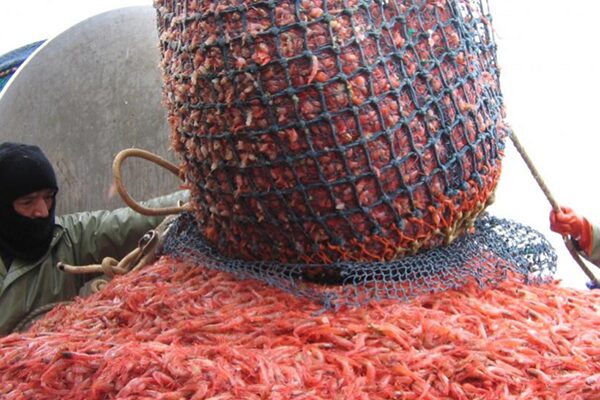
Canada reopens northern shrimp fishery after more than a decade
Canada reopens a northern shrimp fishery off eastern Newfoundland and Labrador after stock assessment finds the population has recovered.
Responsibility
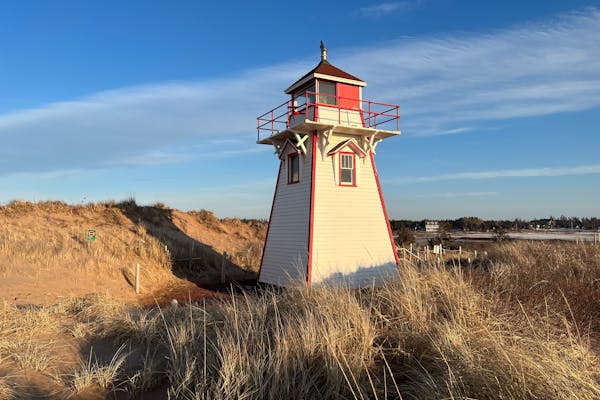
PEI’s climate change adaptation strategy aims to make seafood more resilient
PEI’s new Seafood Sector Climate Change Adaptation Strategy focuses on building resilience in the seafood industry through targeted actions.
Fisheries
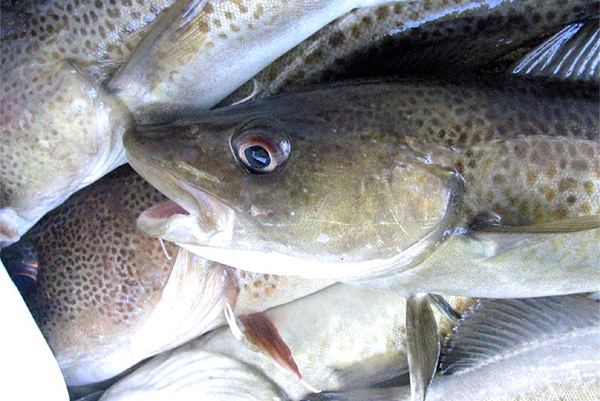
Canada lifts 30-year cod fishing ban off Newfoundland and Labrador to mixed reactions
Canada has lifted a 30-year fishing ban on Northern cod in Atlantic Canada, aiming to rebuild the fishery amid concerns about cod recovery.
Fisheries
Maritime Canada’s lobster population is strong. So why are scientists worried?
The lobster population in Canada’s Maritime region falls within the healthy zone, but scientists worry about the effects of climate change.