


Analysis: When will social impact lead seafood’s sustainability agenda?

Issara Institute report shines a new light on the importance of social impact funding
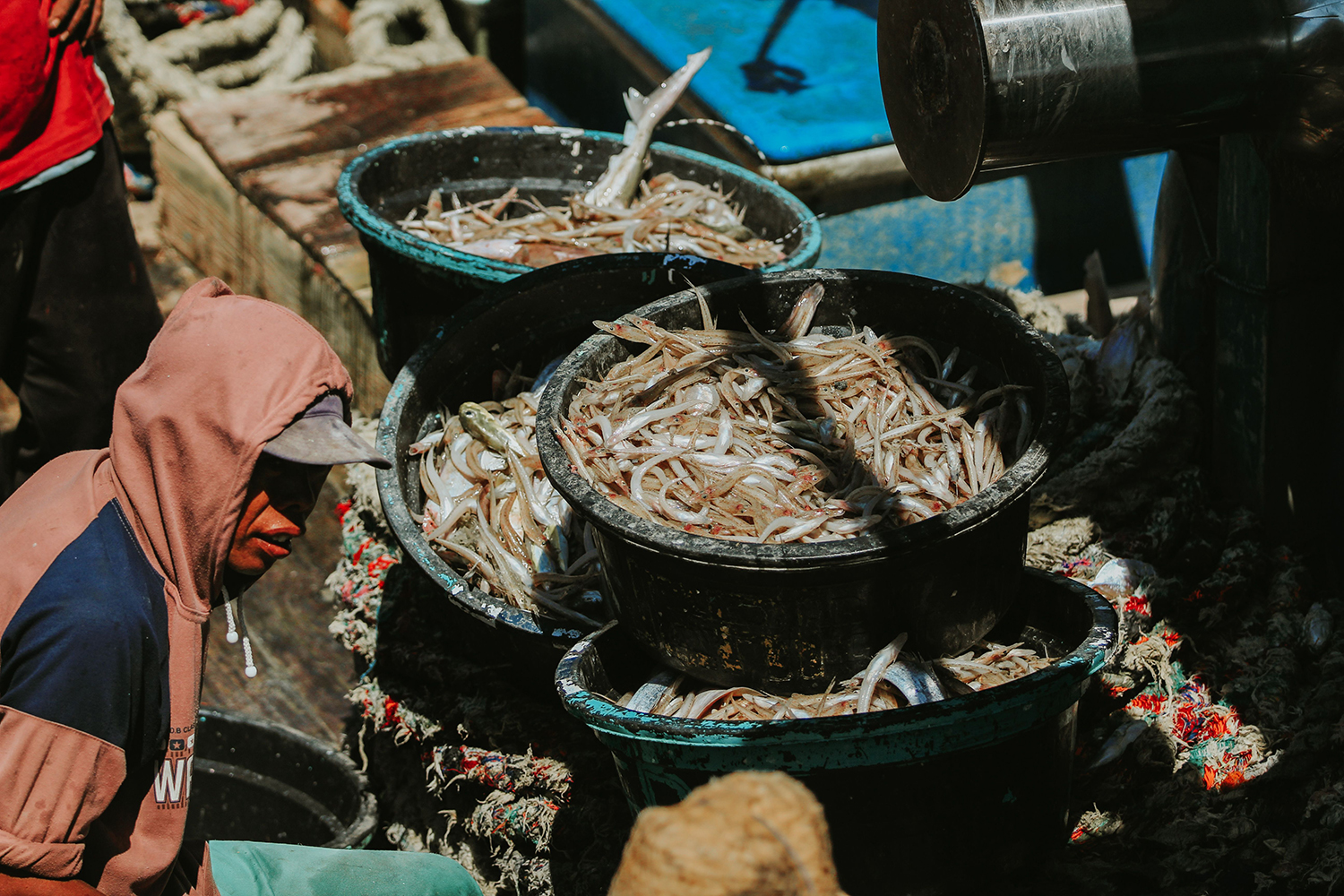
For much of the past two decades, seafood sustainability schemes have focused on environmental priorities – such as overfishing, habitat degradation and greenhouse gas emissions.
However, as environmental programs have matured, a growing number of organizations are asking whether the industry’s next major challenge relates to improving the lives of the seafood workforce – and attempting to mirror advances in social responsibility that have improved the supply chains of agricultural commodities such as coffee and cocoa.
Although there are relatively few equivalent mechanisms currently operational in seafood, according to organizations such as the Issara Institute – which earlier this year published a 110-page report on the subject – there are compelling reasons why this needs to change.
Commissioned by the Certifications and Ratings Collaboration (CRC) – whose members include includes Sustainable Fisheries Partnership (SFP) and Fair Trade USA – the report has given renewed attention to social impact funding.
![Ad for [membership]](https://www.globalseafood.org/wp-content/uploads/2025/07/membership_web2025_1050x125.gif)
How social impact funds work
Social impact funds are designed to channel money from buyers into projects that benefit workers and their local communities.
Fair Trade’s Community Development Fund is perhaps the most mature example operating in seafood today. Under the Fair Trade model, buyers pay a premium on top of the purchase price of certified products. That money is managed by democratically elected producer committees, which decide how it should be invested locally.
As Dr. Sven Blankenhorn, senior manager of producer services at Fair Trade USA told the Advocate, the system gives producers ownership over spending decisions.
“The workers themselves decide what their priorities are,” he explained. “It might be healthcare, education, housing, childcare or improving productivity. The important thing is that the decisions are made by the people who benefit.”
This approach differs markedly from traditional corporate social responsibility programs, where brands or donors often determine how funding is allocated. Instead, Fair Trade requires transparent governance with committees elected by workers and regular auditing to ensure funds are spent as intended.
Sugumar Raman, chief program officer at Fair Trade USA, noted that local ownership is one of the program’s strengths.
“When people decide for themselves what matters most, they’re much more committed to making those projects successful,” he reflected.
Why seafood has lagged behind agriculture
Despite widespread recognition of labor issues in fishing and seafood processing – fueled in part by high-profile media exposés – social impact funds remain comparatively rare in the industry.
One reason is that seafood sustainability has historically been driven by environmental concerns.
For fisheries, the immediate priorities of improvement programs were to rebuild depleted stocks, improving management and demonstrate environmental performance through certification. Aquaculture faced similar pressures around feed ingredients, disease management and ecosystem impacts.
Social concerns – over issues such as wage theft, debt bondage and exploitative recruitment – often remained secondary.
Dave Martin, global supply chains director at Sustainable Fisheries Partnership (SFP), believes this prioritization has been linked to commercial pressures.
“Buyers initially wanted assurances around the sustainability of fish stocks,” he explained. “The environmental agenda developed first, while social issues took longer to receive the same level of attention.”
The complexity of seafood supply chains has also slowed the progress of social impact initiatives. Fishery products frequently pass through multiple intermediaries before reaching retailers, making it harder to establish clear mechanisms for collecting and distributing premiums than in more vertically integrated agricultural sectors.
Equally, monitoring working conditions on fishing vessels in remote fleets is much more challenging than for land-based food producers.
Why WiFi? A connectivity crisis is a threat to fishing crews’ well-being
Why social issues are climbing the agenda
Greater scrutiny of labor conditions, recruitment practices and worker welfare has prompted retailers and seafood companies to look beyond environmental certification alone.
Consumers are increasingly asking not only whether seafood was harvested sustainably, but also whether the people involved were treated fairly.
According to Martin, many companies now recognize that social responsibility forms part of the overall idea of business resilience, as well.
“If you don’t have healthy, well-supported communities, you don’t have resilient supply chains,” he argues.
Climate change is also strengthening the case for social investment. Fishing and farming communities are increasingly exposed to extreme weather, changing fish distributions and economic uncertainty. Building resilience therefore requires investment in people as well as ecosystems – with improvements in education, healthcare and livelihoods simultaneously strengthening long-term productivity.
Adaptation or starting afresh?
Fair Trade offers one of the seafood sector’s few established social funding mechanisms, yet there is an increasingly widespread interest on community outcomes.
Martin points to growing awareness across the seafood industry, with organizations like SFP integrating social responsibility more closely into improvement programs, alongside environmental objectives.
However, according to Mark Taylor, senior director of strategy and global partnerships at the Issara Institute, this dual approach can fall short, as labor issues require different areas of expertise, different methodologies and a fundamentally different understanding of human complexity.
As a result, the Issara Institute report argues for dedicated, purpose-built social impact mechanisms rather than adapted environmental ones.
While Issara’s approach might be more effective in the long run, those organizations already committed to combining the two goals in a single system might be less willing to embrace it.
Who foots the bill?
Perhaps the biggest barrier relates to establishing who – if anyone – is willing and able to finance social impact funds.
Under the Fair Trade model, buyers pay a premium, with costs typically absorbed along the supply chain before reaching consumers through retail pricing.
The sums involved are relatively modest compared with overall product value, yet given the tight margins, fluctuating harvests, changing demand and unpredictable global prices for seafood, concerns over social issues tend to be less of a priority than economic ones.
“When markets are under pressure,” Martin notes, “everyone in the supply chain is looking carefully at costs.”
In such circumstances, persuading buyers to pay additional premiums can become more difficult.
Fair Trade also acknowledges that certification itself requires investment, while ensuring transparent governance, auditing and accountability adds administrative complexity.
This sentiment is echoed by the Issara report, which notes that suppliers currently bear the majority of costs: They pay for audits, absorb price squeezes from buyers and fund remediation when non-conformities are found. This creates a built-in disincentive for transparency, as the revelation of issues triggers costly corrective action plans.
As a result, Taylor argues that expecting suppliers to also fund social impact initiatives without support is unrealistic. And the report recommends alternative funding mechanisms – including cost-sharing, matching funds and levy-based reinvestment – to reduce supplier burden and incentivise genuine participation.
Measuring success
Another challenge for social impact funds lies in demonstrating tangible returns. Unlike environmental improvements, which can often be quantified through stock assessments or emissions reductions, social outcomes are inherently more difficult to measure.
Raman and Blankenhorn argue that success shouldn’t simply be judged by the amount of money collected, but by improvements in people’s lives – such as better access to healthcare, improved educational opportunities, safer workplaces, stronger local institutions or greater financial resilience within communities.
They also stress that long-term participation also provides an important measure, noting that all 13 of their Community Development Funds in seafood have run continuously – which demonstrates buy-in from the key participants.
“If communities continue investing in the program and choosing projects together, that’s a sign the model is delivering real value,” Raman said.
Looking ahead
While no formal response to the Issara report by the CRC has been released, it is clear that SFP and Fair Trade USA believe that momentum in social impact funding is building. This is thanks to growing retailer expectations, stronger human rights legislation and increasing investor interest in environmental, social and governance – which are all creating incentives to invest more systematically in fishing and farming communities.
While different models of funding are still being developed, future ones may extend beyond certification premiums alone – potentially involving blended finance, public-private partnerships and impact investors seeking measurable social returns.
As seafood companies increasingly recognize that resilient supply chains rely on resilient communities – not just resilient ecosystems – social impact funds may move from being a niche concept to becoming a more integral part of sustainable seafood production. But it remains to be seen which models prove to be the most effective and long-lived.
Now that you've reached the end of the article ...
… please consider supporting GSA’s mission to advance responsible seafood practices through education, advocacy and third-party assurances. The Advocate aims to document the evolution of responsible seafood practices and share the expansive knowledge of our vast network of contributors.
By becoming a Global Seafood Alliance member, you’re ensuring that all of the pre-competitive work we do through member benefits, resources and events can continue. Individual membership costs just $50 a year.
Not a GSA member? Join us.
Author
-

Rob Fletcher has been covering the international aquaculture industry since 2010, as editor of Fish Farmer, Fish Farming Expert and The Fish Site. Since the start of 2026 he has returned to freelance feature writing, editing and consulting. He has masters degrees in both history and aquaculture and lives off-grid on the west coast of Scotland.
Related Posts
Responsibility
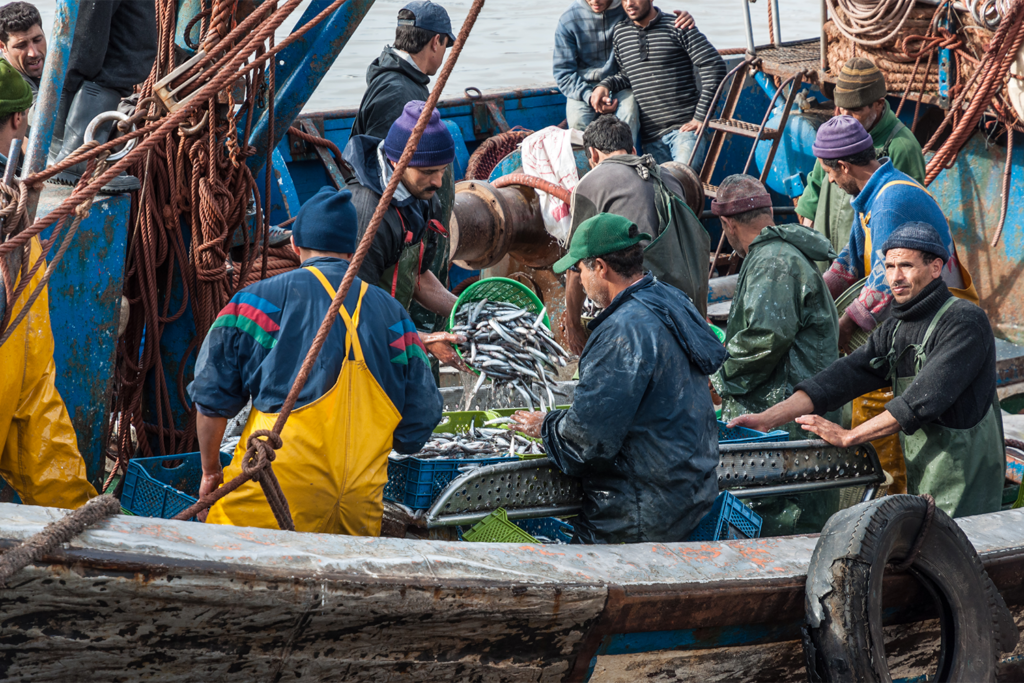
How can the fishing industry address forced labor, with the scope more in focus?
The Financial Transparency Coalition reported that IUU fishing and forced labor often go hand-in-hand and that greater transparency is key.
Fisheries
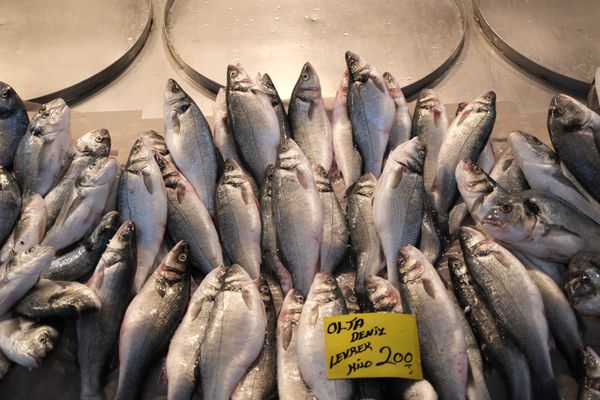
A decade after anti-IUU fishing pact, Mediterranean and Black Sea overfishing drops
A decade after a the anti-IUU fishing Port State Measures Agreement, overfishing in the Mediterranean and Black Sea drops to record lows.
Fisheries
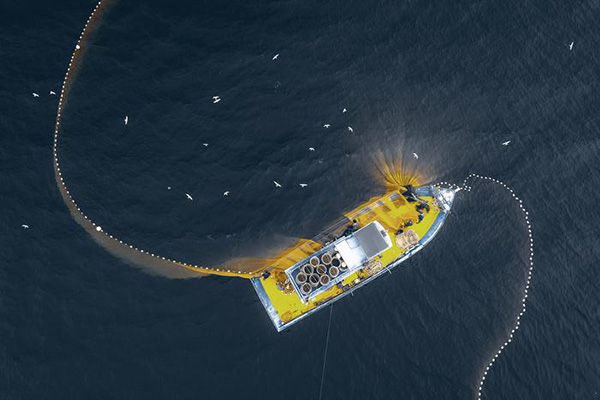
Can an underwater artificial intelligence bot detect IUU fishing?
A new underwater artificial intelligence bot could "revolutionize" ocean monitoring and IUU fishing identification, scientists say.
Responsibility
Fairness, stability in ensuring human rights in seafood
In the last of our three-part series on advancing human rights solutions in seafood, Magdalena Lamprecht-Wallhoff shares how social investment is key to the culture and success at Regal Springs Tilapia, the world’s largest farmed tilapia producer.