


Longer routes, smarter logistics: how the seafood trade is adapting in an era of geopolitical chaos

Wars, tariffs, sanctions, shipping disruptions and volatile energy markets have forced processors, exporters and importers to rethink everything
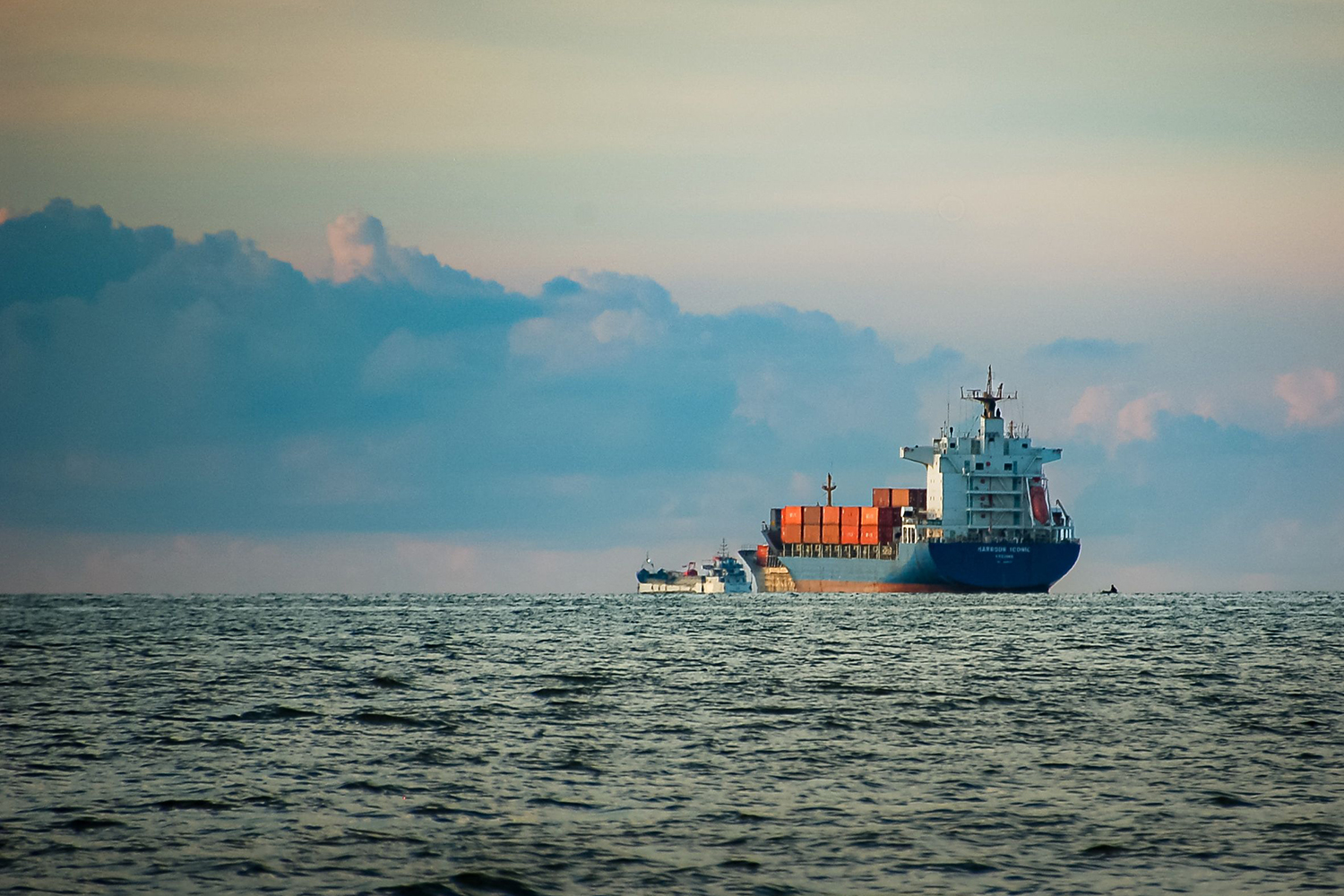
For decades, seafood companies have had to adapt to one of the world’s most complex supply chains. Fish harvested in one hemisphere may be processed in another before reaching consumers thousands of miles away. But recent geopolitical shocks have fundamentally – and perhaps irrevocably – changed the global seafood trade.
Wars, tariffs, sanctions, shipping disruptions and volatile energy markets have forced processors, exporters and importers to rethink everything from sourcing strategies to logistics networks. And given the weak prospect of stability returning, many businesses are redesigning supply chains to become more flexible, diversified and resilient.
According to Rabobank seafood analyst Gorjan Nikolik, the industry’s response demonstrates a remarkable ability to adapt to changing circumstances.
“The sector is incredibly agile,” he explained. “We’ve seen a continual reshuffling of supply, markets and trade flows as companies respond to geopolitical events.”
![Ad for [Aquademia]](https://www.globalseafood.org/wp-content/uploads/2025/07/aquademia_web2025_1050x125.gif)
That adaptability was a recurring theme during Seafood Expo Global in Barcelona, where geopolitical economist Dr. Nomi Prins argued that seafood has repeatedly shown an ability to absorb shocks.
“The global seafood industry has shown itself to be remarkably resilient and remarkably adaptive, to getting around problems, to incorporating the costs and to – yes – bringing them over to the consumer. And the consumer is used to paying more for things when oil prices are higher, though they don’t like it. It’s not unique to the seafood industry,” she argued.
Longer shipping routes are the new normal
One of the biggest challenges currently facing exporters is the growing need to avoid geopolitical hotspots. Conflict in the Middle East has disrupted traffic around the Strait of Hormuz, while attacks on shipping in the Red Sea have forced many vessels to take much longer routes.
Prins noted that some shipments from India and Southeast Asia can take 10 to 14 days longer to reach destination markets.
“That means additional fuel costs, additional storage costs and additional potential issues with refrigeration, cold storage and keeping the seafood fresh that’s already loaded onto those tankers,” she pointed out.
Reefer container costs have also risen sharply during periods of disruption, adding thousands of dollars to the cost of individual shipments.
While these increased costs are unwelcome, Prins argues that they are manageable.
“We have been there before in the Ukraine war, for example, when oil was over $100 a barrel of crude, and when companies had to basically filter that into their spreadsheets and ultimately to their end users – whether that is wholesale, whether that’s retail, whether that’s the consumer at the table,” she observed.
Resilience through rerouting
In order to stay in business seafood exporters have been forced to redirect products towards alternative markets, where possible. And, as Nikolik points out, India has increasingly redirected its shrimp exports towards China.
However, he adds that gains in China have not come without complications.
“They leave a lot of money on the table if they switch from the U.S. to China because they go from a highly processed product… to unprocessed product with much lower value added,” he noted.
Meanwhile, Prins pointed out that Indonesia began to focus on exporting more shrimp to France and Spain. And Norway expanded seafood exports to Japan and China, in order to reduce its reliance on the U.S. market.
However, she added that rather than creating entirely new markets, exporters have tended to step up sales drives in destinations where relationships already existed.
“Nations expanded into where there was already value, where there was already positioning and where there was already a trail,” she observed.
A move towards regionalization?
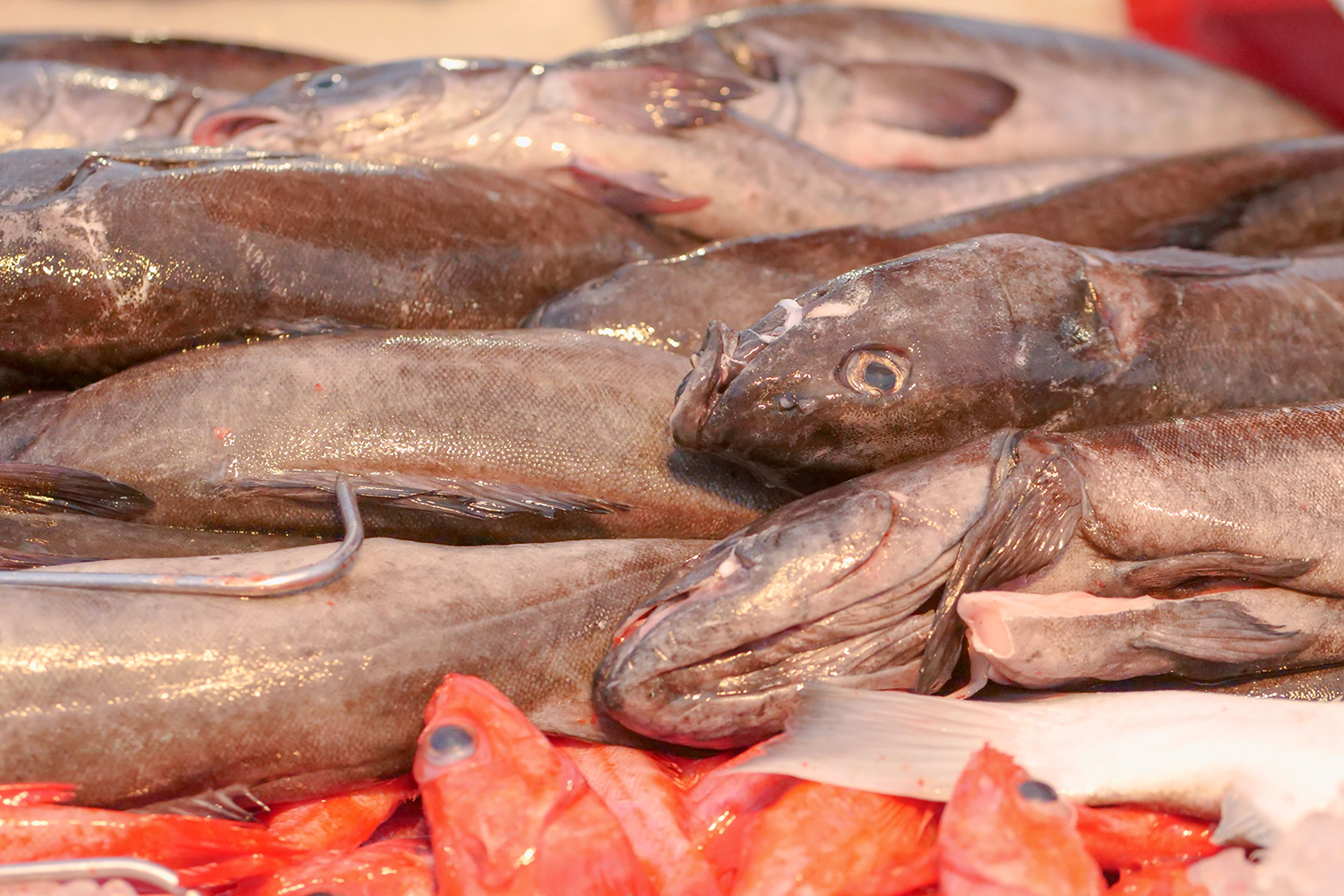
Meanwhile, Nikolik believes geopolitical tensions are also accelerating a longer-term shift towards more regional trading patterns – a trend that’s particularly notable in the whitefish market.
“Russia was gradually decoupling from the Western seafood industry,” he said. “Companies sold assets, trade became more difficult and eventually entirely new markets developed.”
Russian pollock that once flowed into Europe and North America increasingly found buyers in China and within Russia itself. Meanwhile, the United States effectively removed Russian whitefish from its market altogether. The result has been an extensive redistribution of global supply, or a “reshuffling,” as Nikolik described.
That reshuffling has also created winners: American whitefish producers now operate in a less crowded domestic market, while Norwegian cod farmers may benefit from higher whitefish prices created by the increased cost and complications of importing Russian whitefish into Europe.
The tariff lottery
Trade policy has become another major driver of changing supply chains and Nikolik believes that this is most evident in the shrimp trade.
Higher U.S. tariffs on Asian producers strengthened Ecuador’s competitive position almost overnight.
“Ecuador already had lower mortality, larger scale, more technology, they were closer to the United States and they were dollarized,” he explained. “On top of that they had the tariff advantage.”
The result was a rapid shift in market share: “In a short time, Ecuador has gone from the second to the first supplier of shrimp in the U.S.,” he said.
The evolution of processing
Changing trade routes are also forcing processors to rethink their strategies. European processors – who are traditionally important suppliers of smoked, breaded and value-added seafood to North America – now face tariff disadvantages compared to direct shipments from Nordic producers, Nikolik noted.
This weakens the business case for processing seafood within mainland Europe before exporting to the United States.
At the same time, projects involving processing facilities, cold storage and distribution infrastructure are increasingly being postponed because businesses cannot accurately predict future trading conditions.
“Companies were constantly looking to develop the U.S. market,” Nikolik said. “Now you see a cooling off of that. It’s simply impossible to evaluate what the profitability of that business will be.”
Who’s absorbing the costs?
One of the less visible consequences of geopolitical disruption is the delayed way costs move through seafood production. According to Nikolik, higher fuel prices affect far more than shipping, as energy costs influence fishing operations, the fertilisers used to grow aquafeed ingredients such as soy and processing expenses before eventually reaching retailers and consumers.
“The cost goes into the feed, then into the animal,” he explained. “If it’s shrimp it’s three months. If it’s salmon it’s two and a half years.”
That means even short-lived geopolitical events can continue affecting seafood prices years later.
Retail contracts, inventory cycles and feed production all slow the transmission of costs through the supply chain.
“It’s going to have a cost impact between now and three or four years from now,” Nikolik observed.
Technology can sure up resilience
Both Prins and Nikolik argue that technology is becoming increasingly important as supply chains lengthen. The former believes investments in refrigeration, digital traceability, packaging innovation and artificial intelligence are no longer optional.
“Everything is embedded,” she said.
Prins also observed that the technology companies exhibiting at Seafood Expo Global were no longer operating separately from seafood producers but becoming integrated partners across production, logistics, packaging and retail. While longer transport routes make temperature monitoring, shelf-life optimisation and traceability even more valuable.
At the same time, Prins noted that increasingly stringent regulatory requirements – particularly in Europe, where the CATCH system has been installed to cover the import of all wild-caught seafood – are driving further investment in digital systems capable of documenting sourcing and movement throughout the supply chain.
Analysis: How the Middle East conflict is already pressuring global seafood markets
Flexibility is essential
Although geopolitical instability appears likely to remain a key challenge for international trade, neither Prins nor Nikolik believes seafood is uniquely disadvantaged.
Prins argues that because higher fuel costs affect almost every industry, seafood largely maintains its competitive position against other proteins.
“The incremental additional cost to seafood isn’t higher than it is on any other product that requires movement,” she said. “It doesn’t change the competitive landscape.”
She also believes that the younger generations of consumers are willing to pay a premium for seafood.
“The opportunity is big, and the momentum behind it is only growing as the younger generation becomes older, brings their love for seafood and their love for health and their love for that kind of protein and convenience and freshness and sustainability and traceability and caring about where their food comes from,” she argued.
Global seafood trade is unlikely to become simpler in the years ahead. Shipping routes may remain longer, geopolitical tensions may continue to reshape markets and costs may stay volatile.
But the industry’s recent experience suggests companies are learning to compete in the face of these challenges. And, if Prins’ prediction that the value of global seafood consumption is likely to grow from around $740 billion to $1 trillion within a decade is correct, then there will still be money to be made.
“It’s a big number, but it’s because if we look at where the momentum is increasing, those are real preferences – convenience, freshness, air frying, sushi – these are all preferences that are embedded into a generation that just has more money and is spending more money on it than older generations,” she observed.
Now that you've reached the end of the article ...
… please consider supporting GSA’s mission to advance responsible seafood practices through education, advocacy and third-party assurances. The Advocate aims to document the evolution of responsible seafood practices and share the expansive knowledge of our vast network of contributors.
By becoming a Global Seafood Alliance member, you’re ensuring that all of the pre-competitive work we do through member benefits, resources and events can continue. Individual membership costs just $50 a year.
Not a GSA member? Join us.
Author
-

Rob Fletcher has been covering the international aquaculture industry since 2010, as editor of Fish Farmer, Fish Farming Expert and The Fish Site. Since the start of 2026 he has returned to freelance feature writing, editing and consulting. He has masters degrees in both history and aquaculture and lives off-grid on the west coast of Scotland.
Related Posts
Intelligence
Is the most valuable part of shrimp typically thrown away? How seafood byproducts offer new revenue streams
Shrimp byproducts may unlock new revenue streams as shells and heads are turned into feed ingredients and biomaterials.
Intelligence
After a turbulent 2023, ‘signs of optimism’ ahead for global seafood production
Rabobank's annual seafood production report suggests a more optimistic production outlook for 2024 compared to 2023.
Intelligence
Aquaculture sector enters second half of 2024 with growing demand and normalizing costs: Rabobank
Rabobank predicts improved demand and cost stabilization for aquaculture, despite market uncertainty and ongoing biological challenges.

Responsibility
‘More than a meal’: Can a new education toolkit for kids help strengthen support for aquaculture?
The Farmers of the Water program empowers young consumers to appreciate farmed fish and actively engage with the aquaculture industry.