Health & Welfare
对虾肠胞虫病 (EHP) 的新管理方法
本文介绍了新兴对虾微孢子虫病(EHP)的组织学特征,使用了对患病对虾肝胰腺组织,排泄物,养殖水缸中水样和一些卤虫生物量的PCR化验分析的方法来检测到EHP的存在。(Editor's note: This article was originally published on the Advocate in English on April 15, 2016.)


Responsibility
The nonprofit organization established by the leaders of the Global Aquaculture Alliance is answering the growing need for targeted aquaculture training. Its newly unveiled global online education platform will enable the further development of a sustainable global aquaculture industry.
Health & Welfare
本文介绍了新兴对虾微孢子虫病(EHP)的组织学特征,使用了对患病对虾肝胰腺组织,排泄物,养殖水缸中水样和一些卤虫生物量的PCR化验分析的方法来检测到EHP的存在。(Editor's note: This article was originally published on the Advocate in English on April 15, 2016.)

Health & Welfare
With practice and common sense, cast netting produces adequate data for successful management of shrimp ponds. It is important, from a practical standpoint, that sampling techniques are adapted to the site, natural resources and human resources available.

Health & Welfare
Knowledge on population size and size distribution in their production ponds, along with health status assessments, is an important management tool for shrimp farmers around the world. Proper sampling planning and execution involve a number of activities to assure proper, actionable results.
Health & Welfare
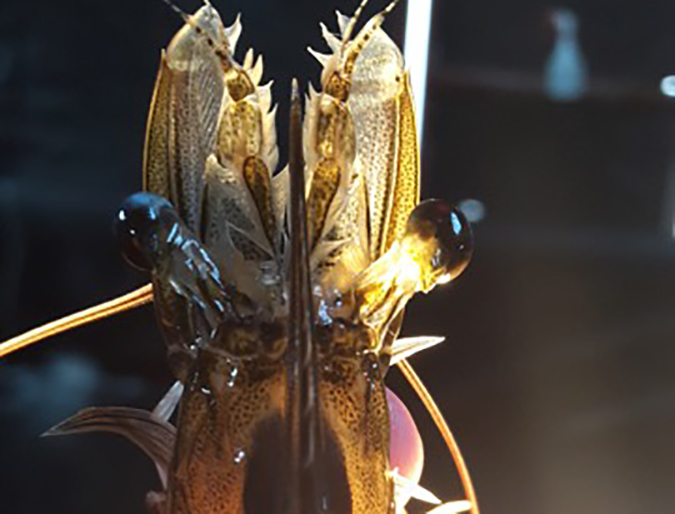
Removing the eyestalk of broodstock female shrimp aided in the explosive growth of commercial-scale aquaculture. An undertaking by a Central American shrimp farmer has shown that producing shrimp without ablation can ease animal welfare worries without the feared drop in production.

Aquafeeds
The control of temperature and light intensity in microalgae culture in outdoor tanks is difficult. Progress in algal biotechnology and the use of photo-bioreactors, metabolic engineering and other advances supported development of a novel underwater light bank reactor that allows for more effective light utilization by cultured microalgae.
Intelligence
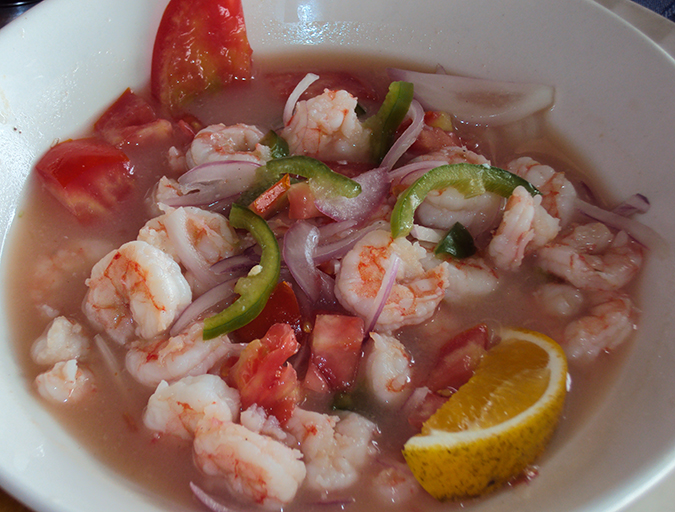
Many people, including health-conscious consumers, are concerned about the cholesterol content of foods such as meat, eggs and dairy products. In the case of shrimp, the cholesterol story is different because a number of research studies have demonstrated that the high percentage of “good fats” in shrimp reduce the impact of cholesterol, and that a majority of people can eat shrimp as part of a balanced diet.
Responsibility
Six of the world’s leading shrimp producers are in need of aquaculture improvement projects and zone-management strategies that address pressing sustainability concerns, a leading seafood NGO has determined.
Responsibility
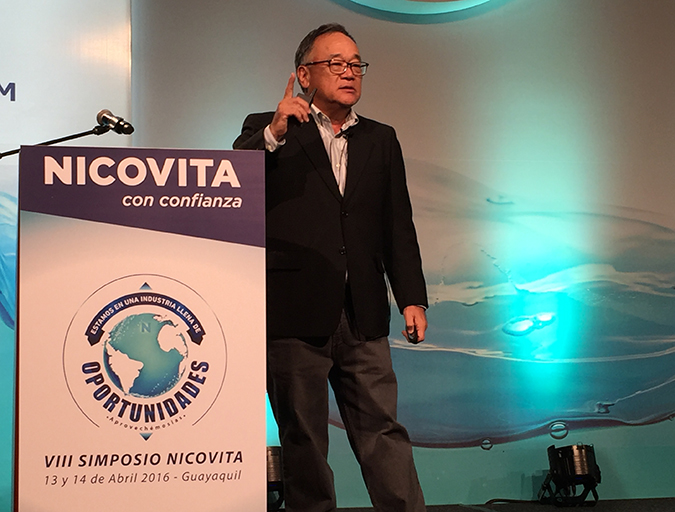
Shrimp farmers can look to the chicken-farming industry for guidance on proper pond management. At the Nicovita Symposium in Ecuador, Dr. Dean Akiyama of Charoen Pokphand encouraged shrimp producers to overcome challenges at hatchery level.
Health & Welfare
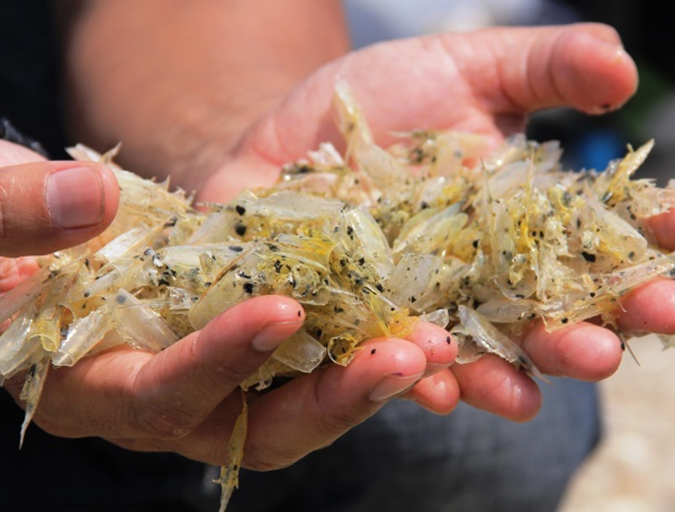
Early Mortality Syndrome has devastated farmed shrimp in Asia and Latin America. With better understanding of the pathogen and the development and improvement of novel strategies, shrimp farmers are now able to better manage the disease.
Responsibility
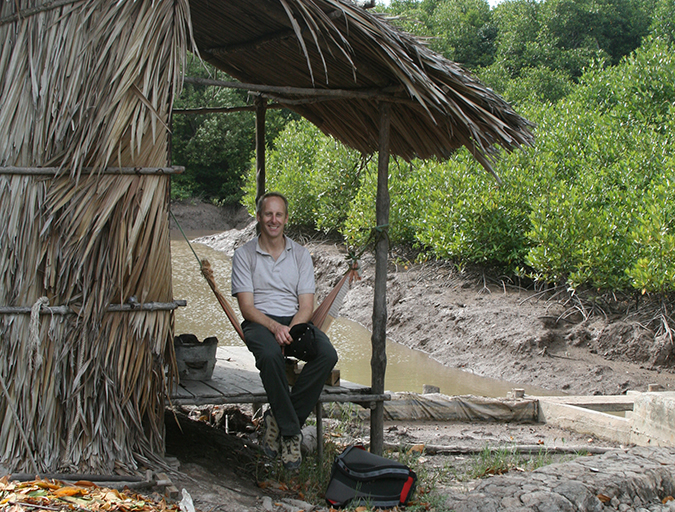
Peter Bridson, who steered aquaculture research for Seafood Watch and its highly influential marketplace recommendations for six years, now runs his own consultancy, Seagreen Research. He discusses global food security, certification standards and gradually changing perceptions about farmed salmon.
Health & Welfare
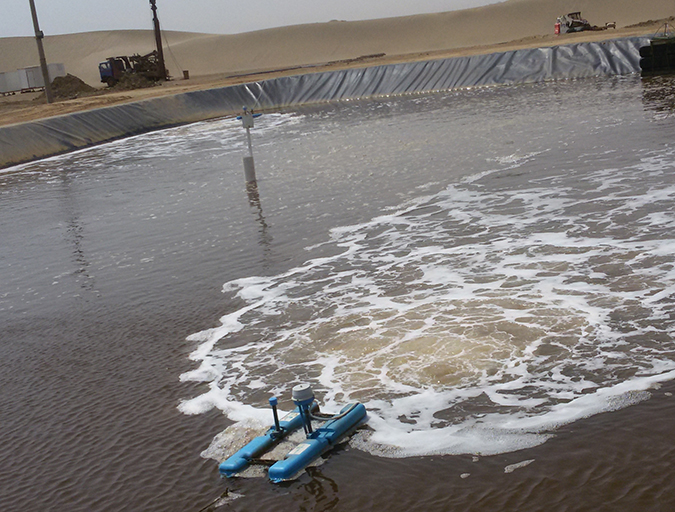
An R&D trial was conducted with shrimp biofloc technology at a commercial facility in Saudi Arabia. Results indicated that biofloc technology can be effectively applied, with some protocol adjustments, in the KSA’s extreme desert environmental conditions.
Intelligence
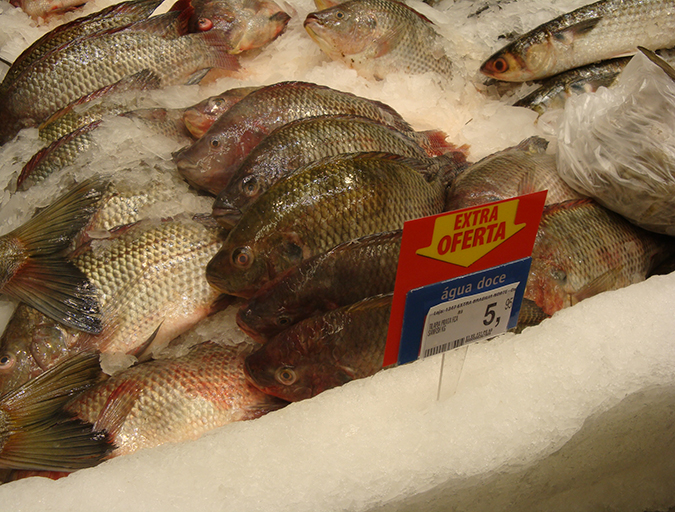
La acuacultura de camarón marino y tilapia en Brasil se inició con una orientación a la exportación de sus productos. En 2003, más del 60 por ciento del camarón cultivado fue vendido en el extranjero. La industria de la tilapia soñaba sobre la exportación de filetes frescos a los Estados Unidos y Europa, y logro exportar algo.
Responsibility
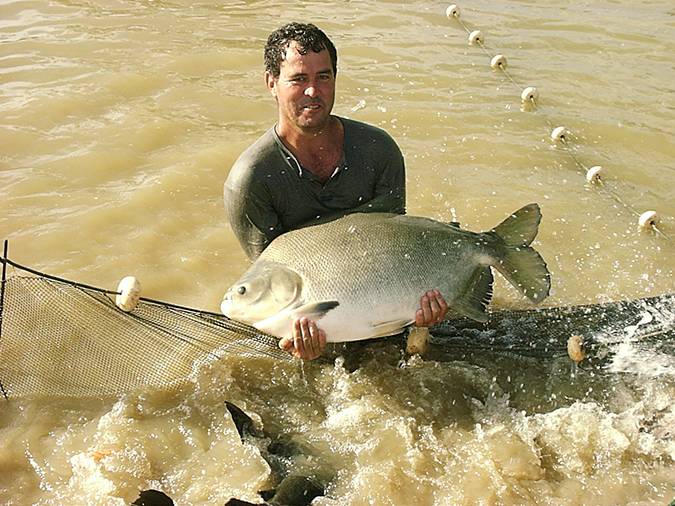
La acuacultura ha experimentado su mayor crecimiento en la última década (con un promedio de 8 por ciento por año) en comparación con otras industrias animales, pero todavía está muy por detrás de la producción alcanzada por las industrias avícola, bovina y porcina.
Intelligence
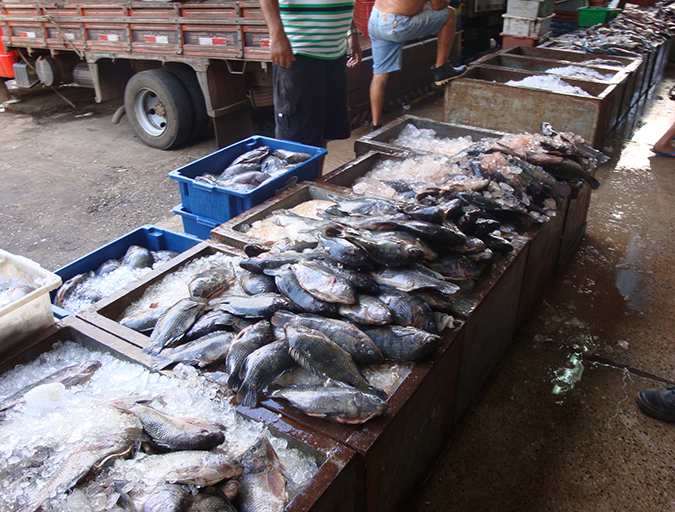
Brazil will have to deal with an adverse economic and political environment in the next few years. One should expect high value fish products like shrimp, tilapia, Chilean salmon and cod being replaced by more affordable seafood and alternative meats, as consumers keep losing purchasing power due to inflation, unemployment and monetary devaluation.
Intelligence
The Brazilian aquaculture industry has been growing steadily during the last two decades. Despite facing a number of challenges it is looking at continued growth and a larger role in the export markets.