Health & Welfare
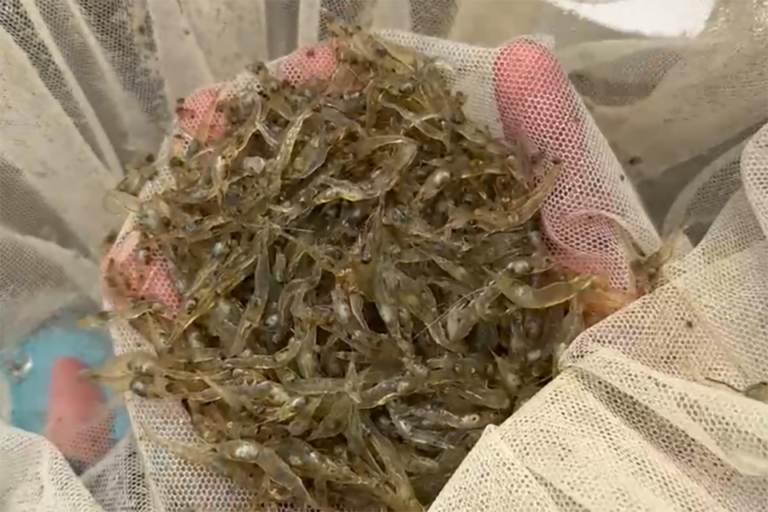
Effects of dietary tannin on ammonia stress resistance in Pacific white shrimp
Study provides insights into the adaptation of Pacific white shrimp to ammonia stress by enhancing immune function through tannins in feeds.


Health & Welfare
Manipulating gut microbiota with phytochemicals like bromelain can help manage farmed shrimp diseases like AHPND and possibly other Vibrios.
Health & Welfare
Study provides insights into the adaptation of Pacific white shrimp to ammonia stress by enhancing immune function through tannins in feeds.
Health & Welfare
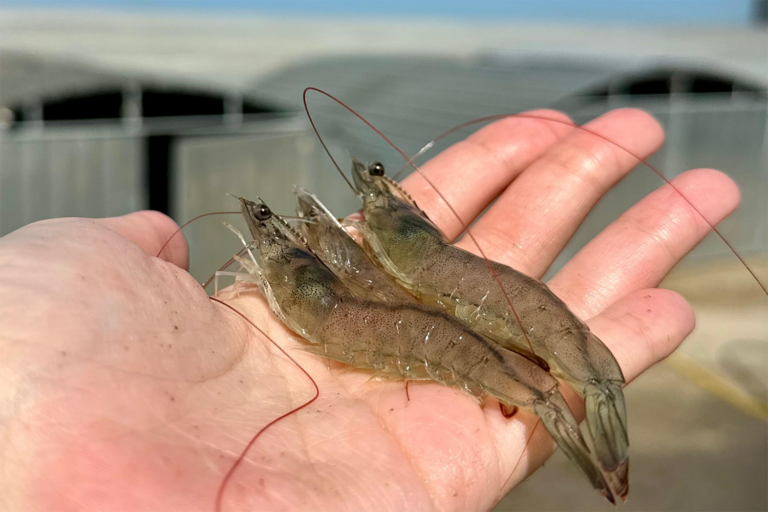
Results recommend a 1 percent concentration of P. cruentum for dietary inclusion for P. vannamei, but other immunological parameters must be evaluated.
Health & Welfare
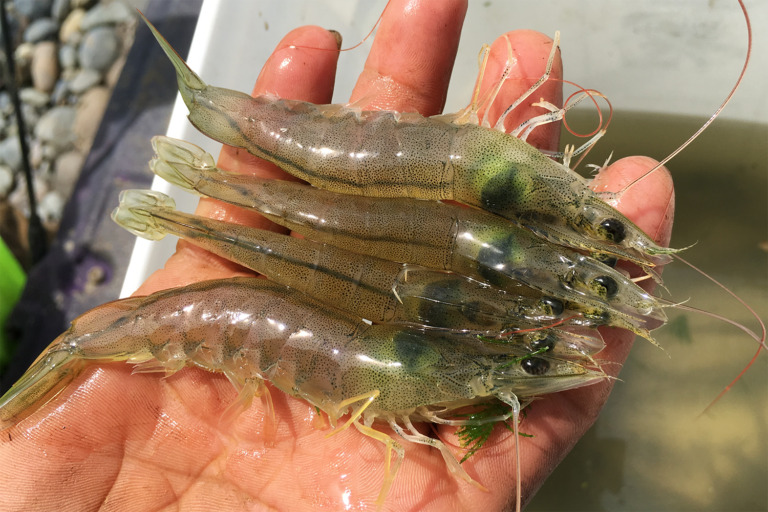
An experimental basis for independent breeding of Pacific white shrimp varieties with high WSSV resistance and fast growth.
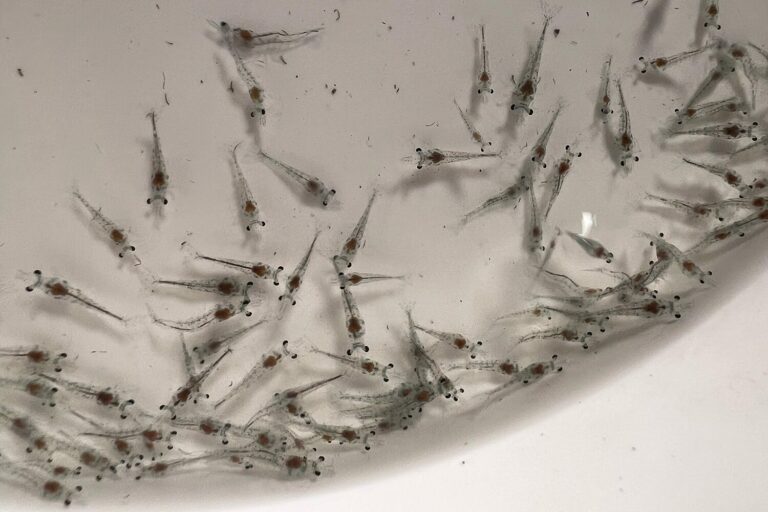
Health & Welfare
Las Bolitas Syndrome has a severe impact on the digestive system of P. vannamei larvae, contrasting with the absence of pathogenic features in healthy larvae.
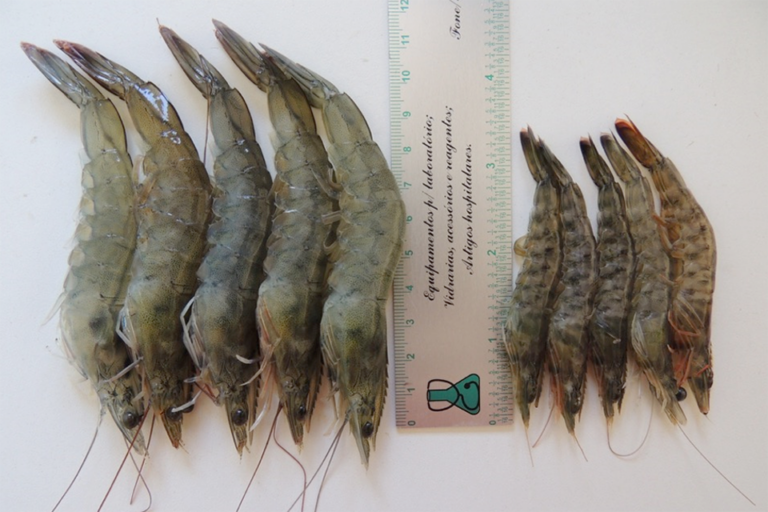
Health & Welfare
Study shows L. vannamei are better suited to catch biofloc as a supplementary feed with better grow-out performance when compared to F. brasiliensis.
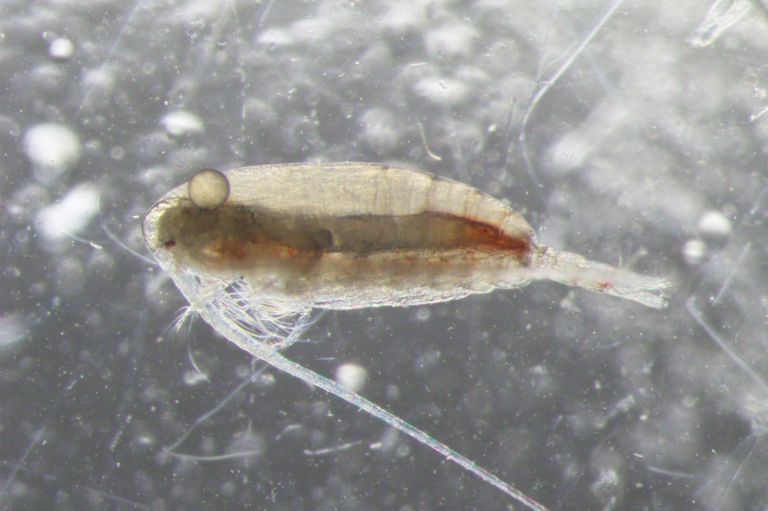
Aquafeeds
A novel protein hydrolysate from the zooplanktonic copepod Calanus finmarchicus can increase the attractiveness of Litopenaeus vannamei diets.
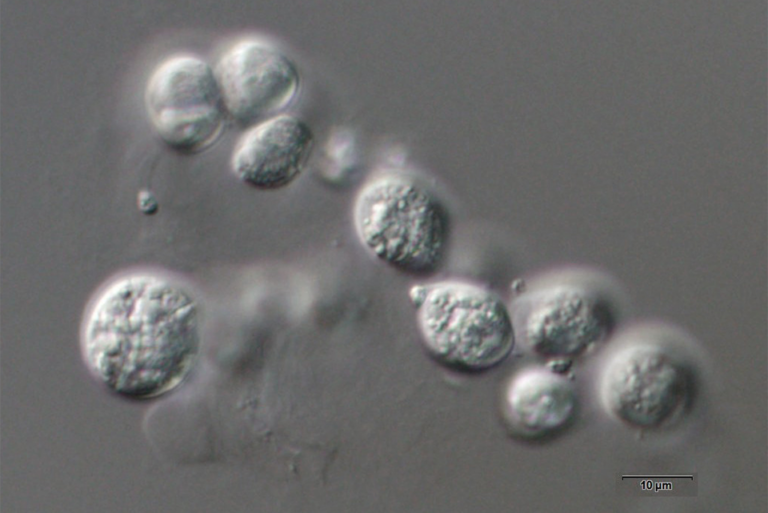
Health & Welfare
Cumulative mortality results showed that shrimp fed protists (containing Aurantiochytrium sp. meal) had higher survival when challenged with WSSV.
Health & Welfare
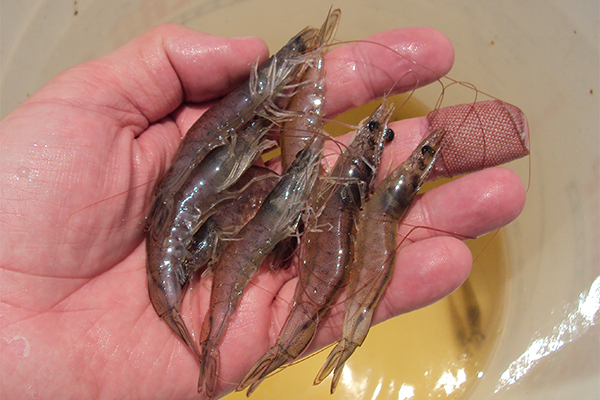
Study is a model for investigations to identify critical genes for EHP survival and spread as targets for preventive and therapeutic management.
Aquafeeds
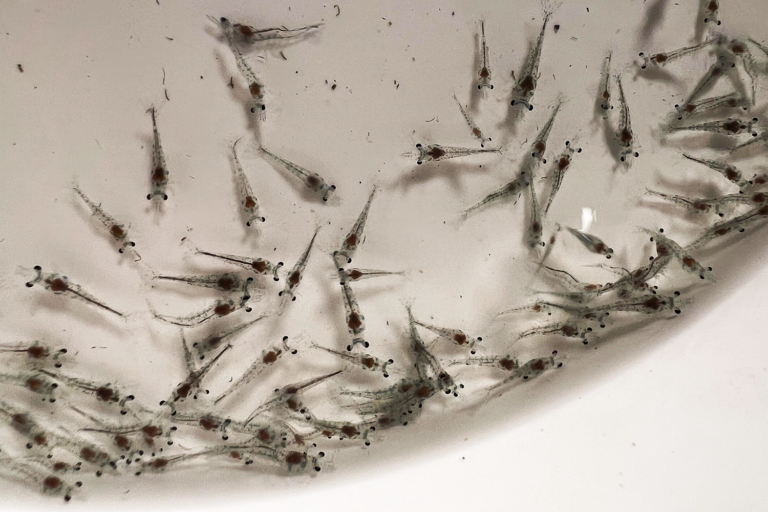
Protein hydrolysates can be used as partial substitutes for fishmeal in P. vannamei nursery diets to maintain digestive enzyme activities.
Health & Welfare
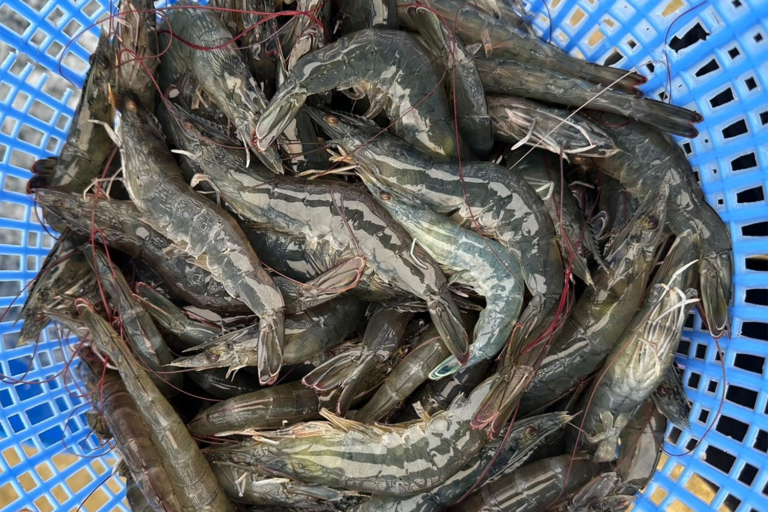
Responses to enhance cold tolerance included regulating changes in genes, metabolites and amino acid and lipid metabolism to increase energy supply.
Health & Welfare
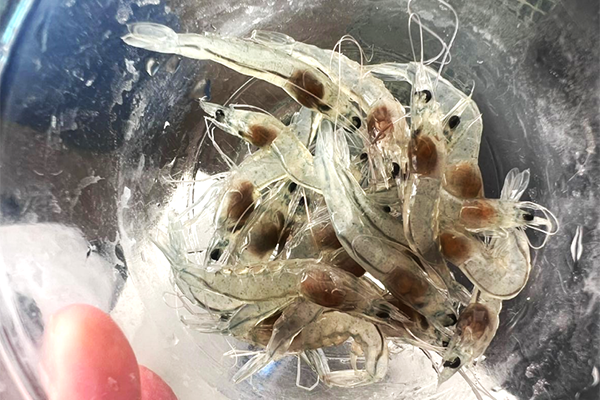
An estimation model identifies genetic variances across mating combinations for stress resistance traits and families with heightened stress tolerance.
Aquafeeds
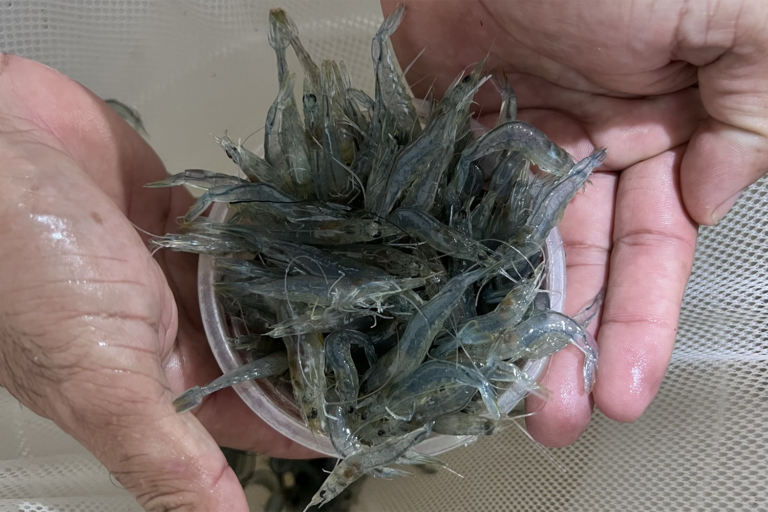
Black soldier fly larvae meal can effectively replace fishmeal in shrimp diets if nutrient balance and price sensitivity are properly considered.
Innovation & Investment
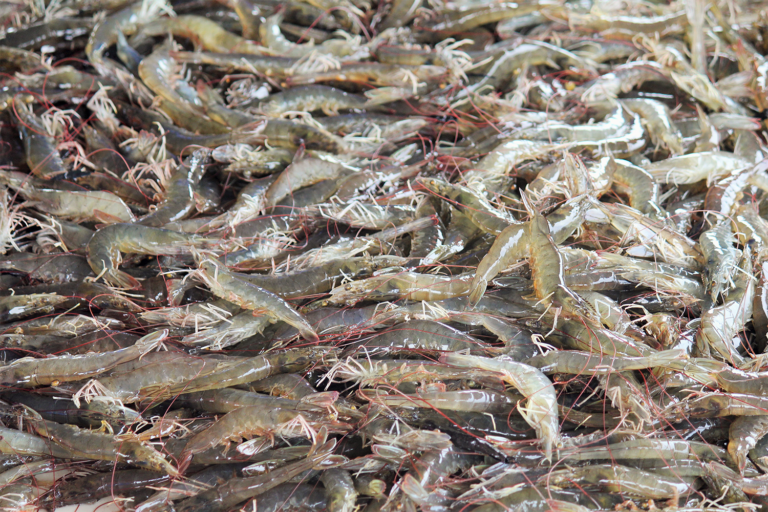
A genome assembly of L. vannamei provides valuable resources for future genetic research, breeding and improvement of traits for aquaculture.

Health & Welfare
An individual infection model identified characteristics of an epidemic and investigated the role of environmental components in its transmission.
Health & Welfare
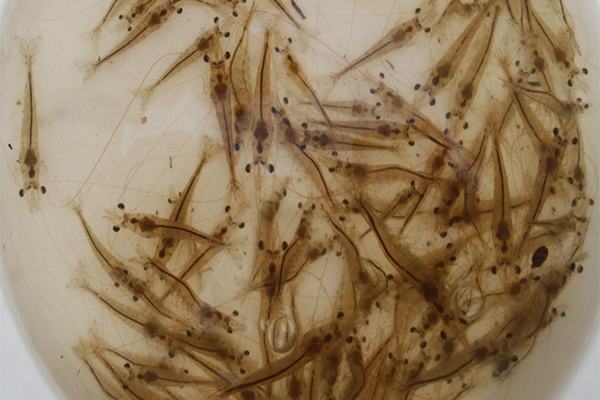
Dietary tartaric acid improved shrimp growth markers and defense systems with improvements in feed utilization, immunity and disease resistance.