An introduction to circular economy principles in aquaculture
In the latest article from the GAIN project, implementing circular economy principles can help increase the sustainability of aquaculture production.



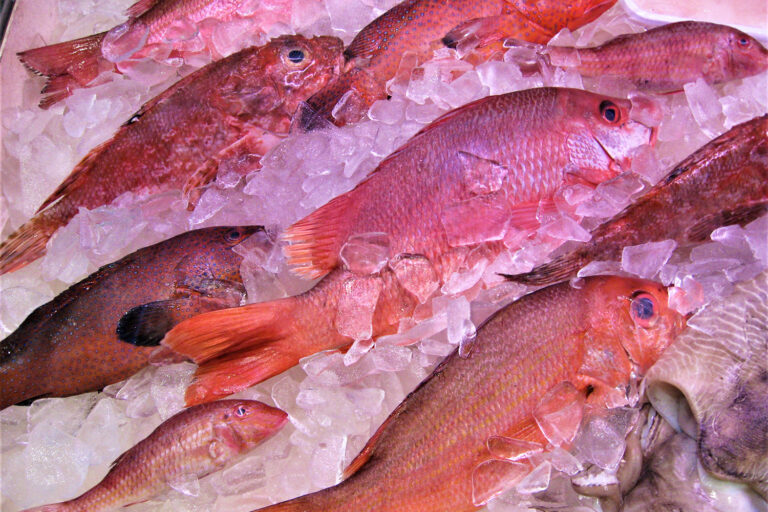
Prof. Boyd estimates the edible protein from various sources using data on yield of crude protein in edible meat of aquatic and terrestrial animals.
In the latest article from the GAIN project, implementing circular economy principles can help increase the sustainability of aquaculture production.
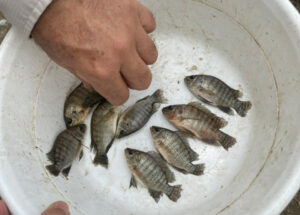
Analysis of a tilapia fingerlings biofloc farm showed it had emergy indicator values characteristic of potentially sustainable production.
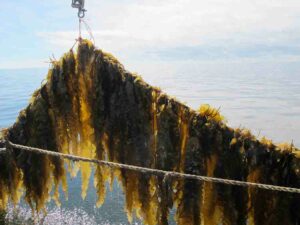
A pilot project led by the Aquaculture Association of Nova Scotia has shown first-year success for cultivating kelp on shellfish leases in Nova Scotia.
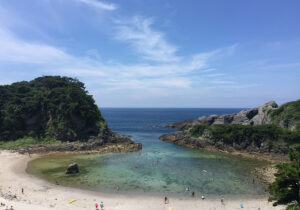
Shikinejima is a scenic getaway for tourists but the seas surrounding its volcano offer a glimpse of how the ocean could behave in the future.
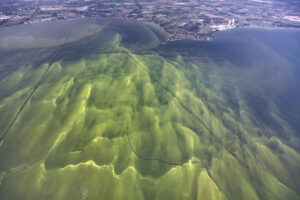
Comprehensive review explores the negative and positive sides of climate change on aquaculture production, and implications for its sustainability.
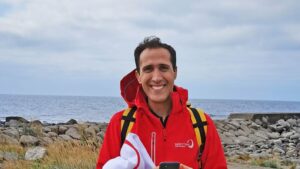
Aquafeed giant Skretting recently appointed Jorge Diaz as its sustainability manager to advance its ambitious sustainability agenda.
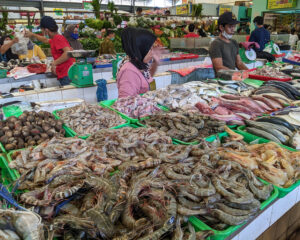
New research from WorldFish and the Stanford Center for Ocean Solutions determines that most national nutrition policies are recognizing the value of aquatic foods.
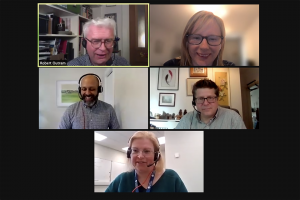
How will climate change impact the aquaculture sector? Expert panelists discuss impacts to insurance and how data is driving decision-making.

The latest virtual GOAL conference session dissected the role of seafood production systems and how they perform in a changing climate.
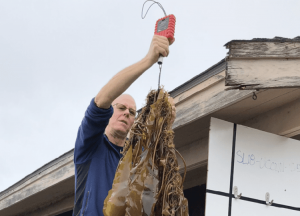
The Woods Hole Oceanographic Institution and the World Wildlife Fund will test sugar kelp strains and measure the yield and quality of new strains.
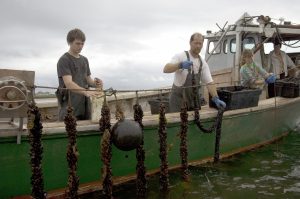
Concerned with pollution, the PEI Aquaculture Alliance swaps 87,000 Styrofoam buoys with a more sustainable option to curb shoreline waste.
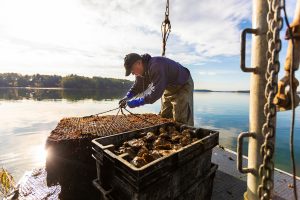
A report from The Nature Conservancy shows restorative or regenerative aquaculture can benefit ecosystems, marine animal habitats and biodiversity.
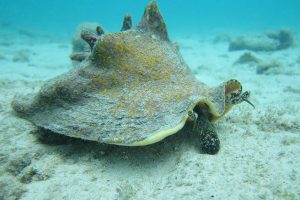
Dr. Megan Davis has written the book on culturing queen conch and will form a course to teach responsible practices to Caribbean communities.
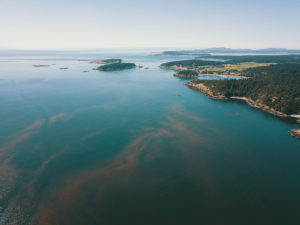
Emerging technologies could make it easier for fish farmers to detect and defeat harmful algal blooms, but expertise will yield best results.
Prof. Boyd explores the commonly used and relevant aquaculture water quality terms biological and chemical oxygen demand (BOD and COD).