GOAL 2021: Growth ahead for the aquaculture industry
Discussion at the final GOAL 2021 event ranged from Ecuador’s booming shrimp sector to the ‘compass’ of the UN’s Sustainable Development Goals.



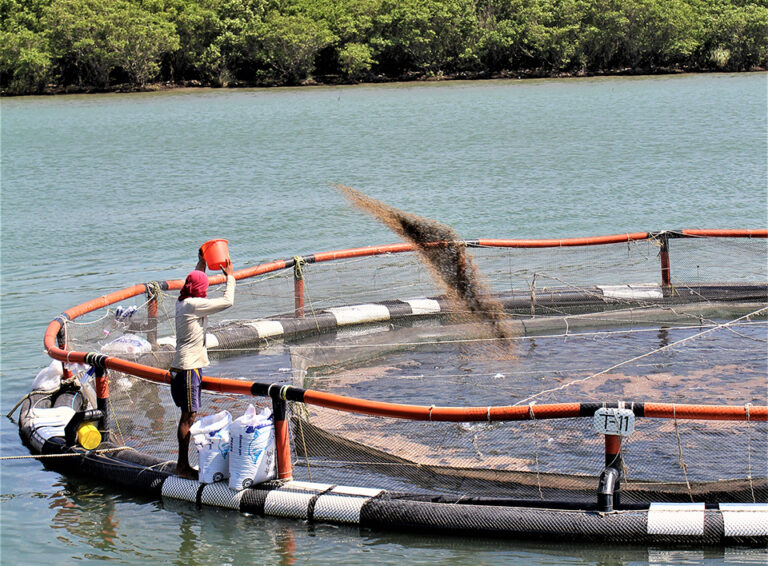
Prof. Boyd examines the feed conversion ratio and the advantages of reducing it, including less waste, better water quality and lower oxygen demand.
Discussion at the final GOAL 2021 event ranged from Ecuador’s booming shrimp sector to the ‘compass’ of the UN’s Sustainable Development Goals.
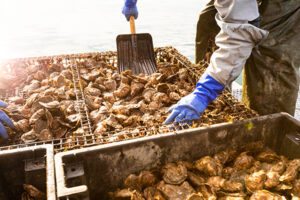
The Nature Conservancy's latest study sets out a standard definition of and global principles for restorative aquaculture.
A Centre for Marine Applied Research study will assess the climate change readiness of seafood-dependent communities in Nova Scotia.
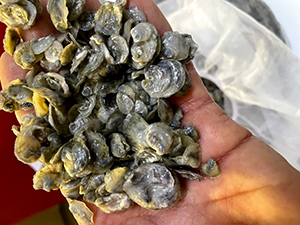
As part of a restorative aquaculture initiative, Orkney Shellfish Hatchery, a multi-species aquaculture hatchery in the Orkney Islands, has released its first stock of native flat oyster spat into the ocean.
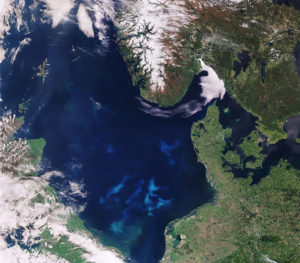
The National Oceanic and Atmospheric Administration announced $15.2 million in funding to research harmful algal blooms throughout U.S. coastal and Great Lakes waters.
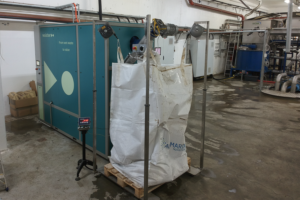
Waister machines transform fish sludge and mortalities into bio-fertilizers and pet feed ingredients to valorize waste through circular economy principles.
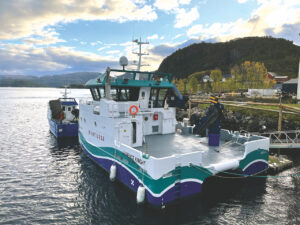
Scottish Sea Farms has added a hybrid power workboat to its fleet, which could cut fuel costs by up to 50 percent and reduce its overall carbon footprint.
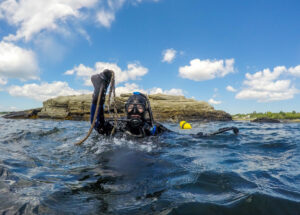
Abandoned, lost or discarded fishing gear can inflict damage on marine life and the ocean, but what's the economic cost of ghost gear?
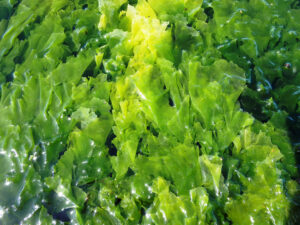
In the next article from the GAIN project, producing algae from smolt wastewater can increase salmon farms’ profits and maximize nutrient use.
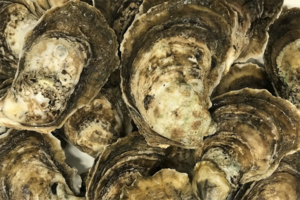
Using a solar-powered automated aquaculture system, a collaboration aims to replenish the native oyster population in the Baltimore Harbor.
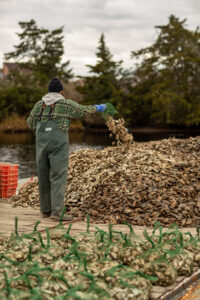
The Nature Conservancy will provide $1 million in grants to support conservation and innovation in the U.S. aquaculture industry.
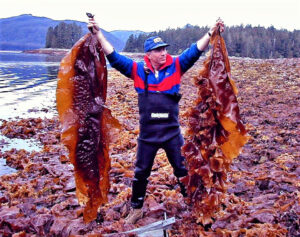
Author discusses ex-situ macroalgae germplasm seed banking for the preservation of heirloom strains, biodiversity and ecosystems.
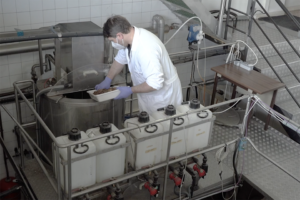
In the latest GAIN article, fish scraps can be transformed into fish protein hydrolysates as a high-nutrient value addition to aquafeeds.
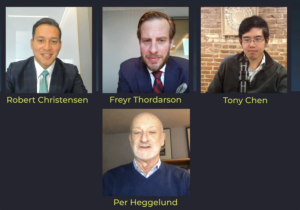
The Global Seafood Alliance’s seventh virtual GOAL conference session delved into the role of green financing in fueling seafood’s transformation.
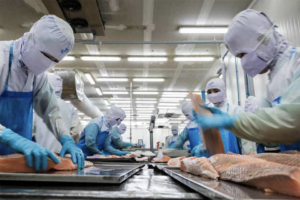
Thai Union Group was ranked No. 1 in the Seafood Stewardship Index rankings for 2021, followed by Norwegian salmon giant Mowi.