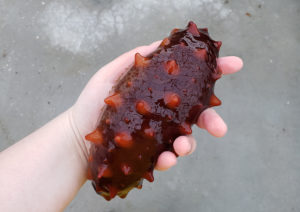
A fresh focus on sea cucumbers – nature’s recyclers
Researchers in Scotland, Sweden and Canada are exploring the potential of sea cucumbers, the squishy detritivores that can help clean up behind fish pens.




Aquatic foods can help to deliver resilient global food systems and to support critical periods of human development, a new UN paper determines.
Researchers in Scotland, Sweden and Canada are exploring the potential of sea cucumbers, the squishy detritivores that can help clean up behind fish pens.
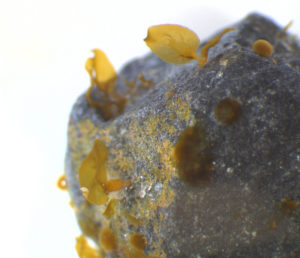
Researchers are growing kelp seedlings on ‘green gravel’ and then scattering them on the ocean floor, where they’ll hopefully anchor and flourish.
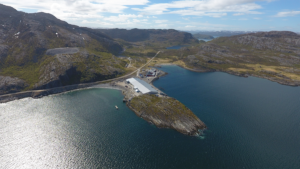
Bioretur converts aquaculture waste, or sludge, into fertilizer as demand for “circular economy” technologies grows.
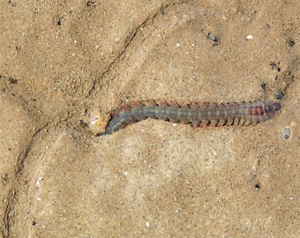
Evaluation of IMTA designs showed a single polyculture tank with ragworms and saltwort had best bioremediation performance and biomass production.
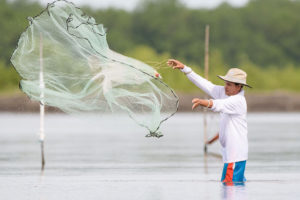
The aquaculture value chain can significantly reduce carbon emissions with innovations in feed, transportation and operations.
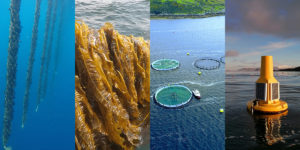
Integrated multitrophic aquaculture (IMTA) isn’t widely practiced in Europe but new findings indicate that farming multiple species on one site can work.
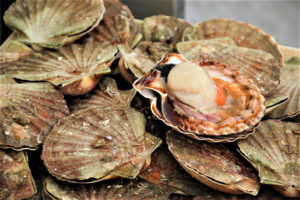
P. maximus could be a candidate for integrated multitrophic aquaculture, with potential to utilize small particles of uneaten salmon feed and fecal waste.
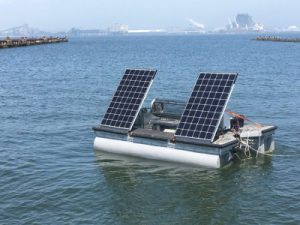
A look at three aquaculture companies that are figuring out how to solve their production problems by using solar power in innovative ways.
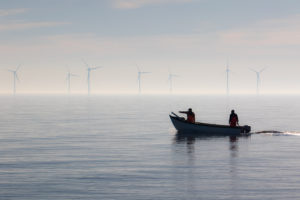
To mitigate the impacts of climate change and bolster ocean health, research suggests turning to one of the planet’s powerful forces: The ocean itself.
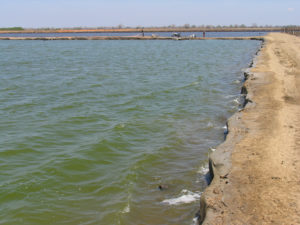
Prof. Boyd on dissolved and suspended solids in aquaculture production systems and their importance to water and pond-bottom quality.
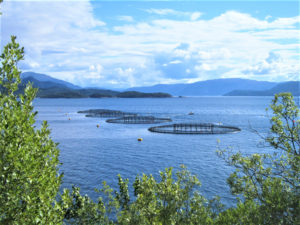
Quantifying greenhouse gas emissions for global aquaculture indicated that the industry accounted for only 0.49 percent of anthropogenic GHG emissions in 2017.
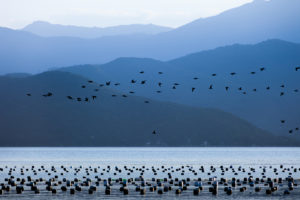
“Ocean Solutions that Benefit People, Nature and the Economy” encourages a new ocean narrative that touts mariculture’s three major benefits.
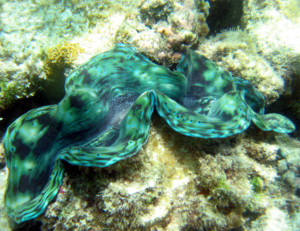
A review of restorative shellfish mariculture case studies around the world to identify emergent patterns across species and ecoregions.
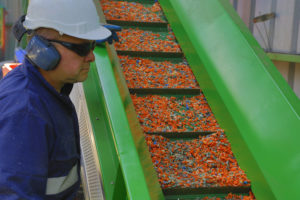
With sustainability and environmental protection becoming increasingly prominent in Chile, recycling firms like Greenspot are drawing attention.
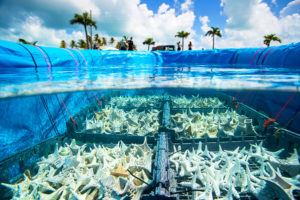
Half a billion people depend on coral reefs for food, income, coastal protection and more. The need to protect and restore their biodiversity is urgent.