


Catch & Culture Review: Advances in point-of-care testing for seafood freshness, safety and quality

Recent development of POCT for fish and fishery products represents rapid and on-site detection approaches
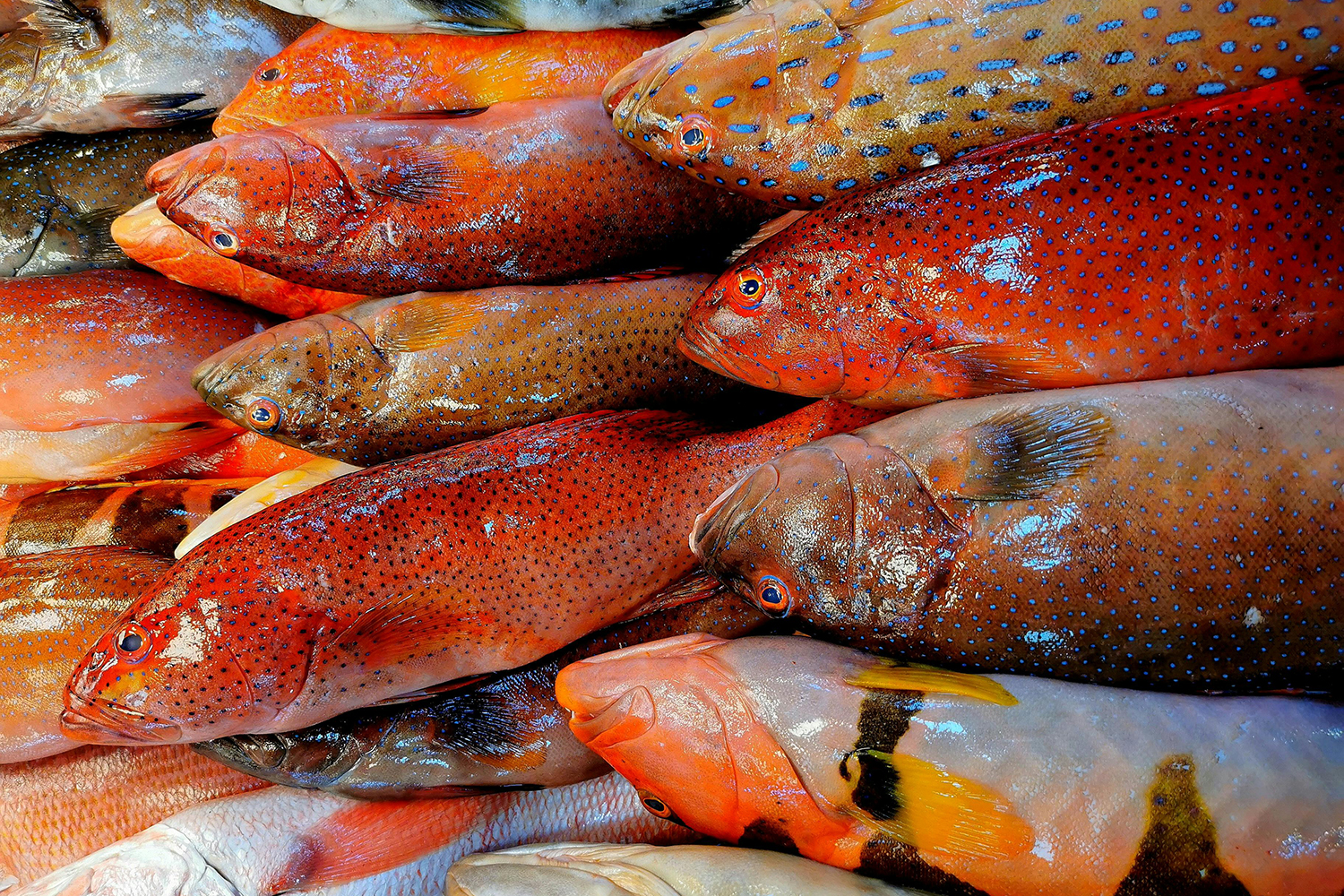
Fish continues to be one of the most valuable sources of high-quality protein and essential nutrients worldwide, but its high moisture content, neutral pH and nutrient-rich composition make it exceptionally prone to rapid spoilage from both microbial and non-microbial causes.
Traditional laboratory methods – microbiological counts, chromatography, spectroscopy and sensory panels – remain the gold standard for assessing freshness, safety and quality. Yet these approaches are time-consuming, expensive, require skilled personnel and often involve shipping samples to central labs, which is impractical at harvest sites, onboard vessels, many processing facilities and retail.
In a recent review, Suleiman Ibrahim Mohammad and colleagues – from Jordan, Malaysia, Iraq, Uzbekistan, Azerbaijan and India – presented a clear overview of the shift toward point-of-care testing (POCT) as a practical answer to these limitations.
POCT platforms deliver rapid, portable, on-site results with minimal equipment and training. The authors divide recent developments into two primary categories – electrochemical and optical sensing techniques – and systematically examine their application to key targets in fish and fishery products: heavy metals (lead, mercury, cadmium), biogenic amines (histamine, putrescine), synthetic dyes, marine toxins and antibiotic residues.
![Ad for [Aquademia]](https://www.globalseafood.org/wp-content/uploads/2025/07/aquademia_web2025_1050x125.gif)
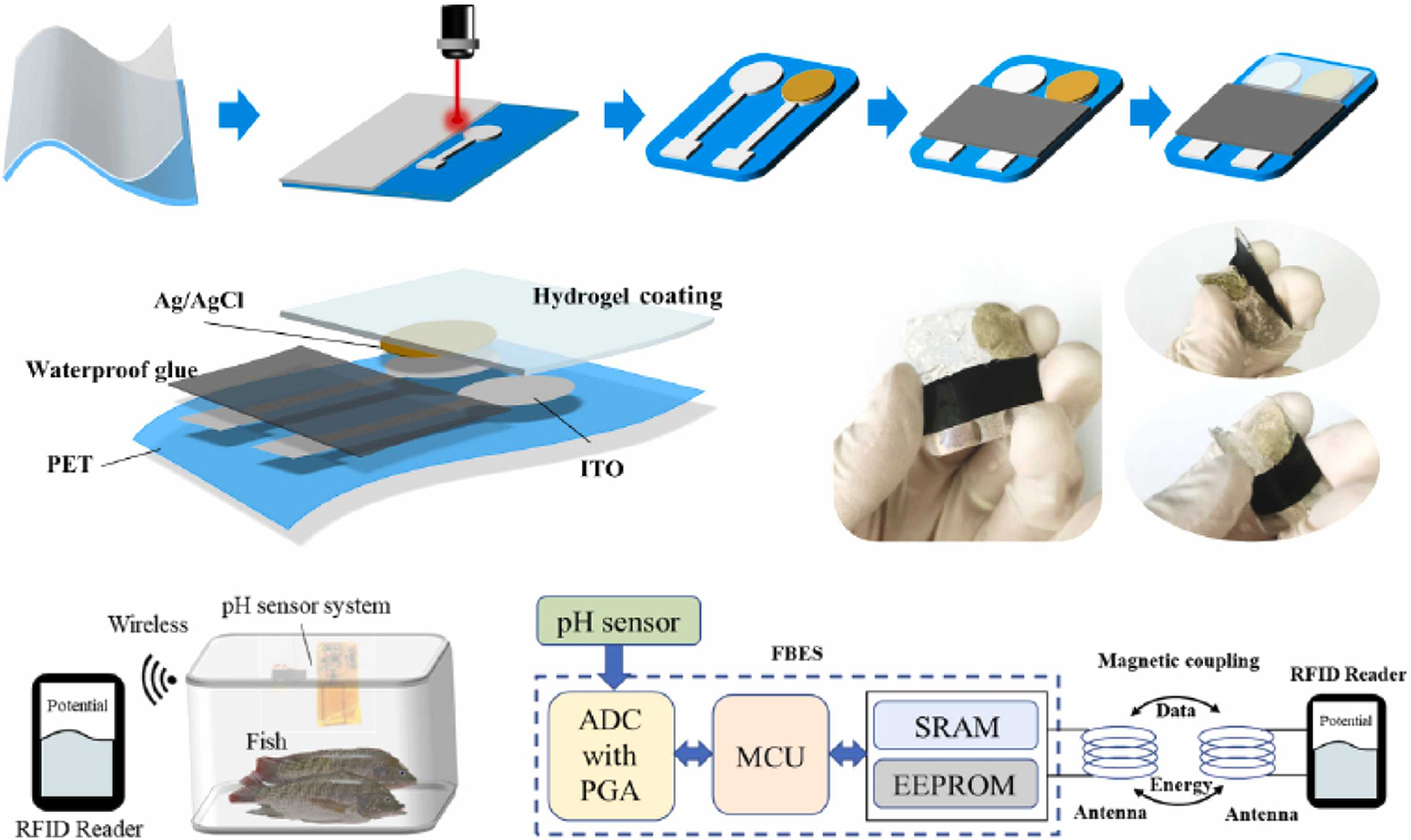
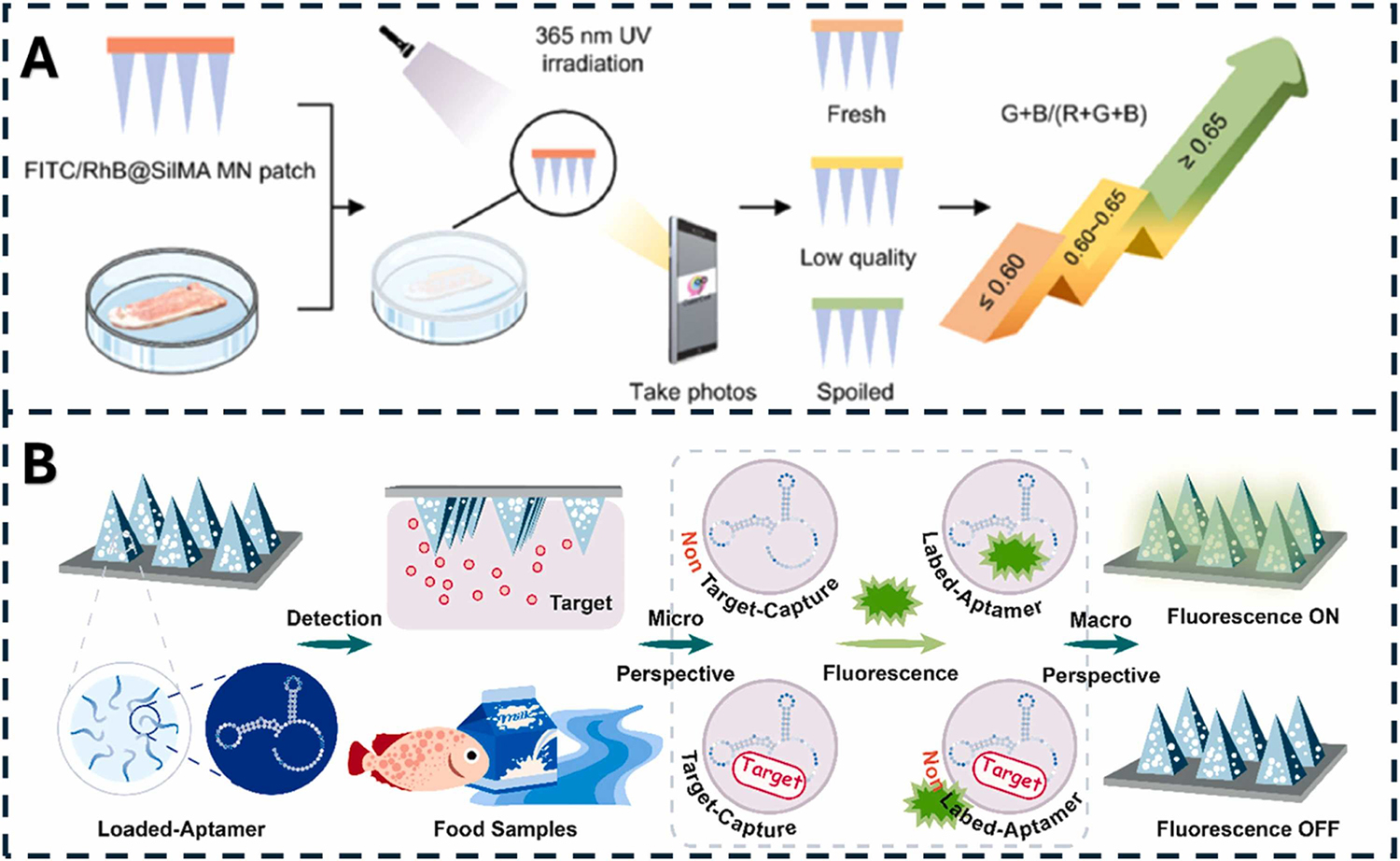
The study highlights low-cost, user-friendly platforms – such as paper-based microfluidic chips, polymer-based sensors, microneedle arrays for minimally invasive sampling and cloth-based lab-on-chip systems – that integrate sample handling, reaction and signal readout on a single disposable strip.
Cutting-edge materials – like graphene, carbon nanotubes, metal-organic frameworks and various nanomaterials – play a central role in boosting sensitivity, selectivity and stability while keeping manufacturing costs low. Many of these devices achieve detection limits that meet or exceed regulatory thresholds, often delivering results in minutes with little or no sample preparation.
The authors also discuss some current shortcomings: matrix interference from complex seafood samples, limited long-term stability in humid or high-temperature environments and the gap between laboratory prototypes and commercially robust products. Overall, POCT technology has matured significantly and is poised to move from promising research tools to everyday quality-control instruments across the seafood supply chain.
Relevance of research findings to the industry
For seafood producers, processors, exporters and regulators, this review is directly actionable. Post-harvest losses from spoilage can reach 20–30 percent in some supply chains and rapid POCT can dramatically reduce that waste by enabling real-time decisions at harvest, auction, or processing. Electrochemical strips, for example, can flag elevated histamine levels in minutes, helping prevent scombroid poisoning and costly recalls. Optical platforms that pair with smartphones offer visual or app-based readouts, making them accessible even to small-scale operators in developing regions who lack access to traditional labs.
The low-cost, portable nature of these devices aligns perfectly with the industry’s push for better traceability and compliance with strict import standards in the EU, United States and other major markets. Aquaculture farms benefit too: On-site testing of water quality and fish tissue for chemicals or heavy metals supports responsible production claims and helps meet certification requirements. Overall, adopting POCT strengthens HACCP programs, improves cold-chain verification and allows companies to differentiate their products with verifiable “freshness-assured” or “low-contaminant” labels – potentially commanding premium prices.
Perspectives
Recent advances in point-of-care testing (POCT) for fish and fishery products have introduced rapid, on-site detection methods capable of achieving detection limits ranging from nanomolar to micromolar levels. This review highlights significant progress in electrochemical and optical POCT devices, spanning affordable lab-on-chip platforms to more advanced polymer-based and textile-based systems that offer penetration capability and flexibility.
Paper-based devices have stood out for their low cost (typically $1–5 per test), disposability and simplicity. Their ability to drive fluid flow through capillary action – eliminating the need for sample preparation or cleanup – has made them particularly popular for analyzing fish and fishery products. However, their practical use is often limited by relatively low sensitivity (frequently in the micromolar range) and poor mechanical strength.
In contrast, polymer-based, lab-on-chip devices provide superior functionality, precision and durability. Because they can be cleaned and reused, they help reduce long-term operational costs. Several polymer-based platforms have demonstrated nanomolar detection limits for fish spoilage indicators and antibiotic residues.
Moreover, the wide range of available polymer substrates allows customization for different operating conditions. Nevertheless, their higher initial cost and the complexity of reusability systems must be considered. Other emerging lab-on-chip formats, such as microneedle-based and cloth-based devices, offer unique advantages: Microneedles provide effective penetration into fish tissue for rapid, minimally invasive analyte extraction and can be integrated with wearable sensors, while cloth-based platforms excel in flexibility. The growing interest in microneedle approaches stems from their ability to directly assess contamination within the texture of fish flesh.
Shifts in reproductive traits of rock lobsters in Southern New Zealand: A potential concern amid environmental change
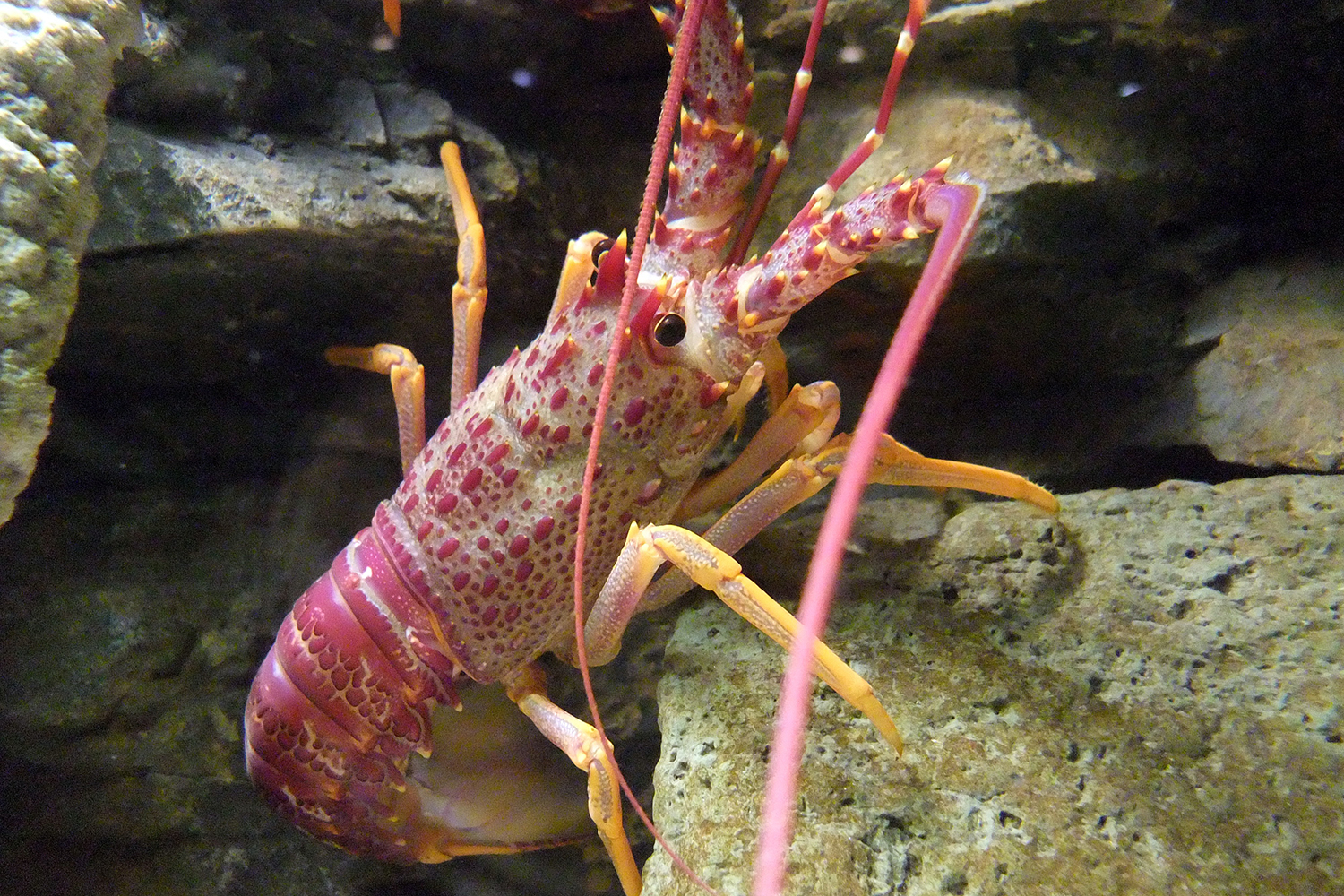
Reproductive parameters such as size at maturity (SAM) and fecundity are fundamental indicators of stock health because they directly influence a population’s reproductive potential. For rock lobsters (Jasus edwardsii) – which support New Zealand’s most valuable inshore fishery with commercial, recreational and customary importance, understanding these traits is especially critical. Reproduction in this species is characterized by size-dependent fecundity, external egg brooding and a long larval phase, with notable regional variation in timing.
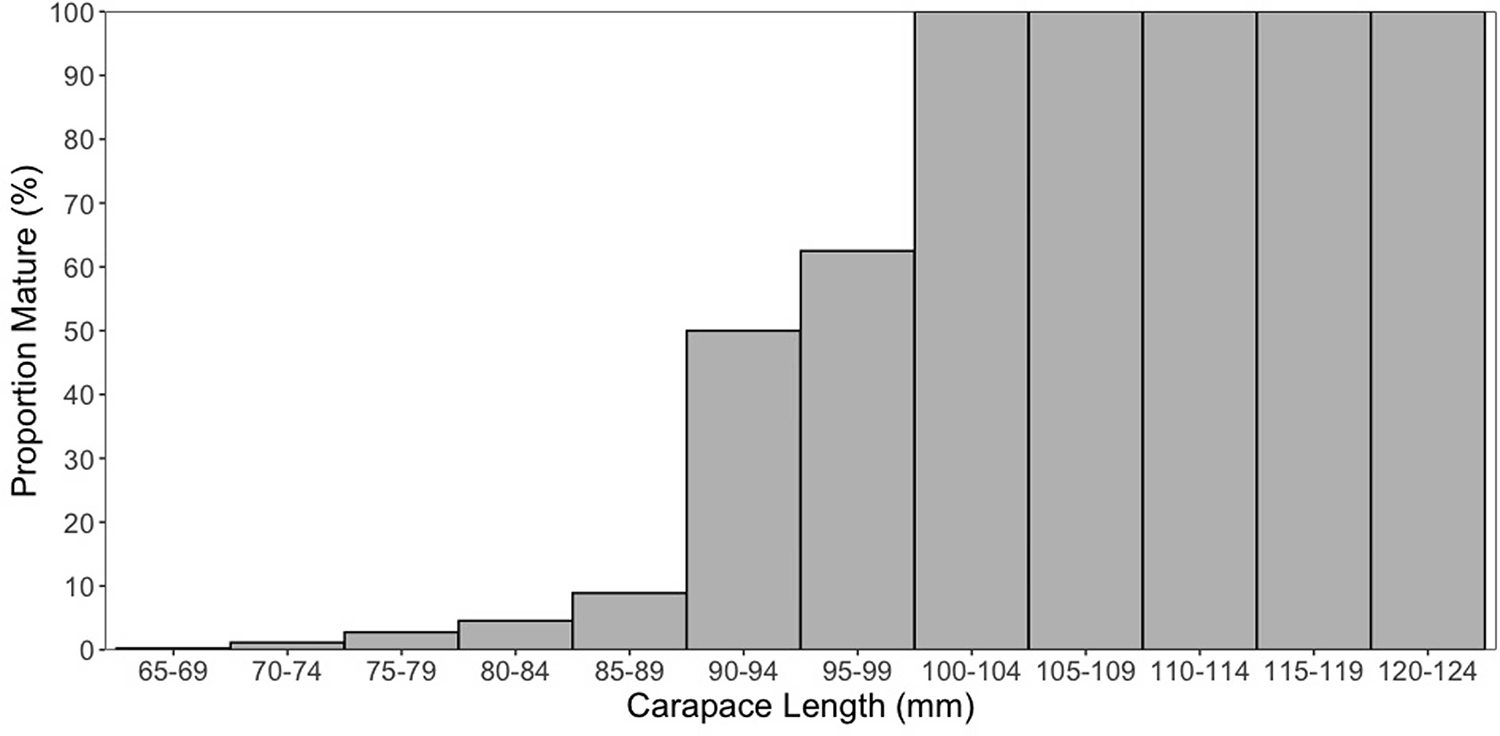
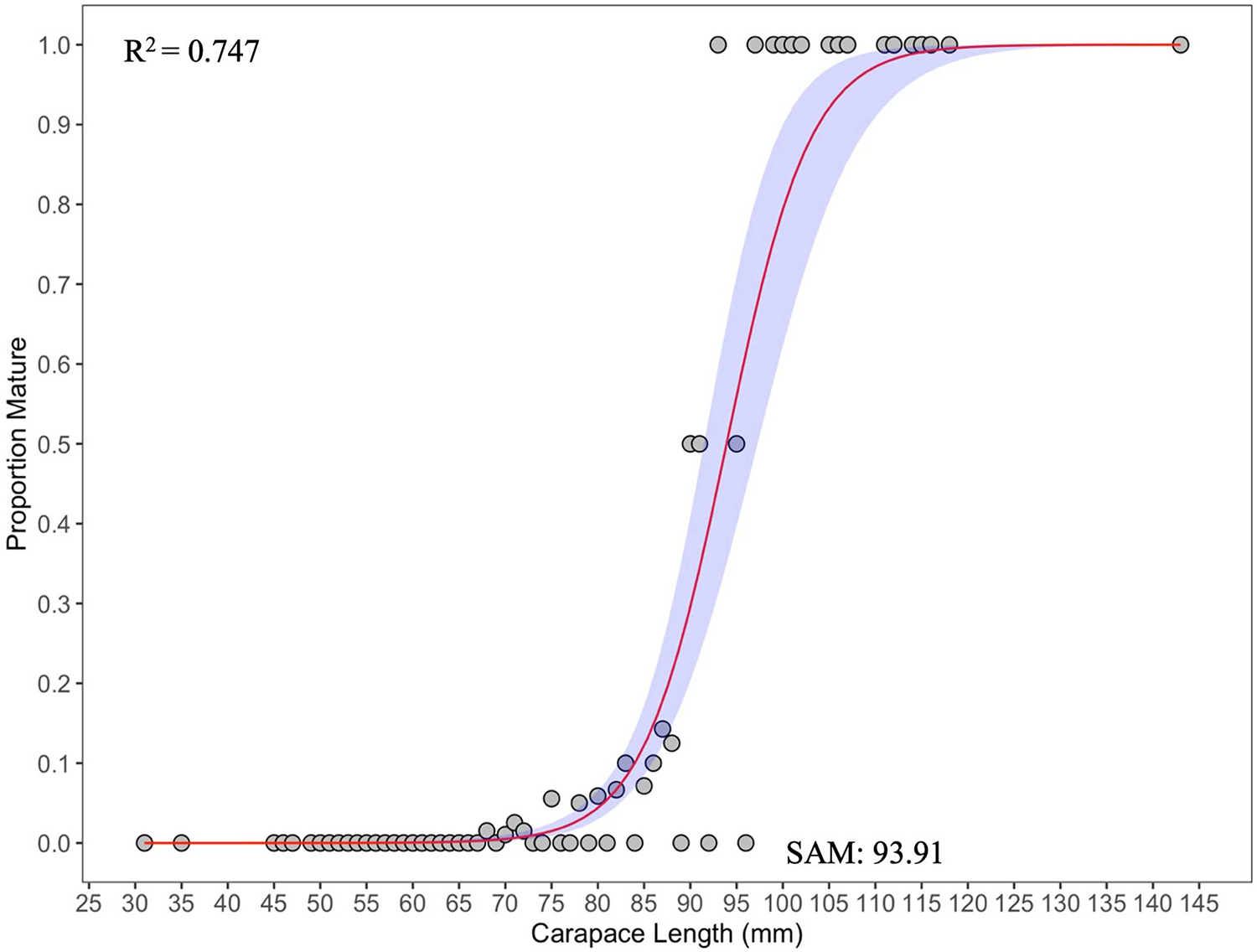
A study by Lucy Coyle and Gaya Gnanalingam from New Zealand assessed SAM and fecundity in female lobsters from the Otago region (located in the southern half of the South Island) using fisheries-independent potting surveys conducted between 2021 and 2024. They collected data on 1,581 females and compared results with historical estimates from 1969 (SAM) and 1984 (fecundity). They found that SAM has declined by approximately 20 percent since 1969 – from around 118 mm carapace length to 93.91 mm. While overall fecundity was higher across most size classes in 2024 than in 1984, the slope of the size-fecundity relationship had decreased, meaning larger females are no longer producing as many additional eggs as they did historically.
The authors also trialed a non-invasive method for estimating fecundity based on clutch volume and egg size, which produced results statistically indistinguishable from the traditional gravimetric method. This finding is practically significant because it supports future monitoring with far less impact on individual lobsters.
Overall, the study concluded that the observed shifts in SAM and the fecundity–size relationship over roughly 50 years are most likely the result of fisheries-induced evolution. In the Otago region, the commercial minimum legal size has remained below the historic SAM for decades, allowing smaller, immature or newly mature females to be harvested. This selective pressure appears to have favored earlier maturation at smaller sizes, with potential consequences for population productivity, larval quality and the accuracy of current stock assessment models.
Relevance of research findings to the industry
These results have direct and immediate implications for the New Zealand rock lobster industry, particularly in southern regions. A 20 percent reduction in size at maturity, combined with a flattening of the fecundity-size curve, suggests that the population’s reproductive output may be lower than models assume. Because current stock assessments still rely on older SAM values, there is a real risk of overestimating spawning stock biomass and sustainable yield.
Recreational fishers have a stake in these results. Because reproductive capacity underpins future recruitment, any decline in the number or quality of larvae produced has implications for all sectors that rely on this “taonga” (present in New Zealand prior to the first European contact with Māori in 1642) species.
For commercial fishers, the findings reinforce the value of protecting larger females, which historically contributed disproportionately to egg production. Maintaining a healthy size structure is not only biologically important but also economically prudent, as it supports long-term catch rates and fishery resilience. The validation of a non-invasive fecundity method also offers a low-impact tool that could be adopted in future monitoring programs, reducing handling stress on the stock.
Perspectives
The study provides a clear warning that current management settings may be insufficient to maintain the long-term productivity of the southern rock lobster fishery. The authors recommend shifting management focus toward actively rebuilding reproductive capacity and population size structure. Raising the minimum legal size above current SAM levels, protecting larger mature females and incorporating updated reproductive parameters into stock assessments are logical next steps.
There is a need to understand how these reproductive changes interact with other stressors, including marine heatwaves, ocean acidification and ongoing fishing pressure. The non-invasive fecundity method validated here could become a valuable tool for more frequent and less intrusive monitoring, helping managers detect further shifts early.
From a broader perspective, this research highlights a recurring challenge in fisheries science – reproductive traits are not fixed. When management fails to account for fisheries-induced evolution or changing environmental conditions, even well-managed fisheries can experience gradual erosion of their productive base. For J. edwardsii in southern New Zealand, the data now suggest that such erosion may already be underway. Timely adjustments to harvest strategies will be essential to safeguard both the ecological integrity and the economic and cultural value of this important fishery.
Can solar-powered net lights cut sea turtle bycatch without reducing target catch?
Tracing international pathways of nutrients and contaminants via marine fish trade
Research examines how international trade in marine fish acts as a global conveyor belt for both essential nutrients and harmful contaminants, revealing previously hidden connections between distant fishing grounds and consumer countries. Photo of fresh Atlantic mackerel – one of the species studied – at a market in France by Karography (pexels.com)
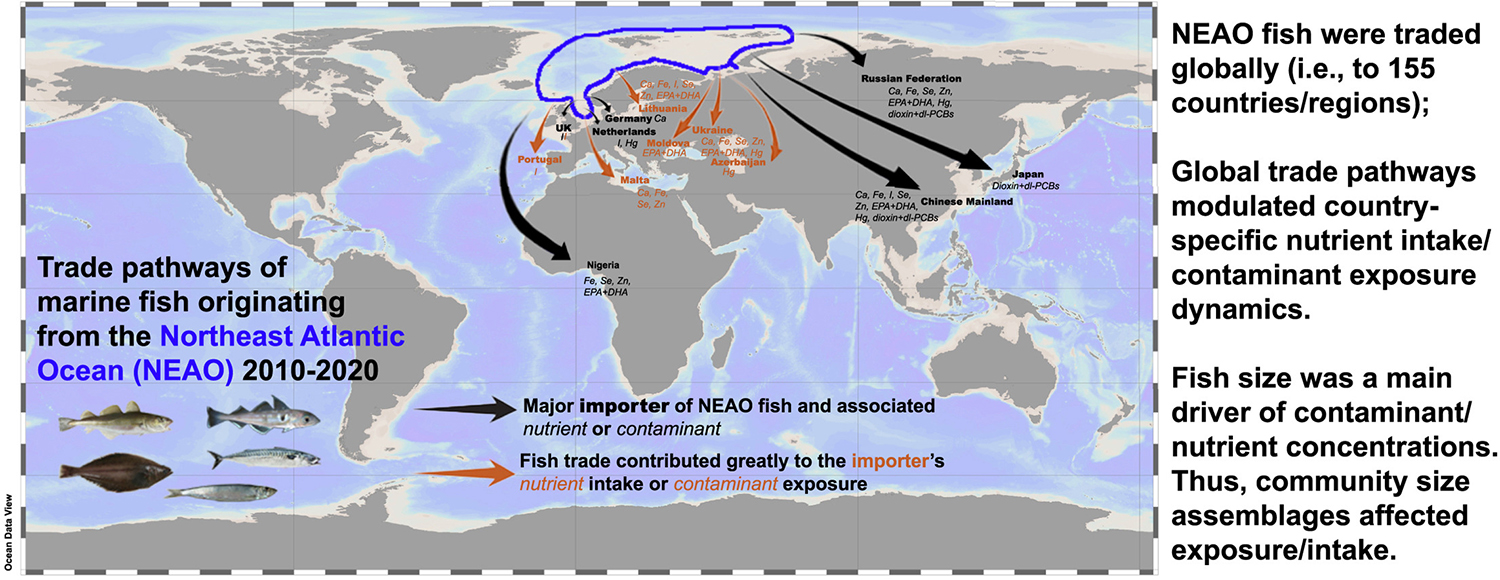
Marine fish trade has become a powerful force in globalizing both beneficial nutrients and environmental contaminants. Using detailed trade data, demographic information and nutrient/contaminant exposure datasets, researchers quantified how fish caught in the Northeast Atlantic Ocean (NEAO) are consumed across 155 importing countries and regions. The fish species analyzed were Atlantic cod (Gadus morhua), haddock (Melanogrammus aeglefinus), Greenland halibut (Reinhardtius hippoglossoides), Atlantic herring (Clupea harengus) and Atlantic mackerel (Scomber scombrus).
New research by Yiou Zhu and co-workers from the United Kingdom, Norway, China, Nigeria and the United States mapped the complex trade pathways and assessed their contribution to domestic nutrient supplies and contaminant exposures. The findings show that NEAO fish trade moves large quantities of key nutrients – including iodine, selenium and the long-chain omega-3 fatty acids EPA and DHA – around the world. For smaller-population countries, this trade can be highly significant for meeting nutritional needs. For example, NEAO-sourced fish contributed as much as 62.8 percent of Lithuania’s annual domestic EPA + DHA requirement. In contrast, for large-population nations like mainland China, the contribution was relatively minor despite high import volumes.
On the contaminant side, the traded amounts of mercury, dioxins and dioxin-like PCBs from NEAO catches were relatively low. These pathways contributed less than 4 percent to total domestic mercury exposure in importing regions, suggesting that, for these particular contaminants, NEAO fish trade does not represent a major exposure route for most countries.
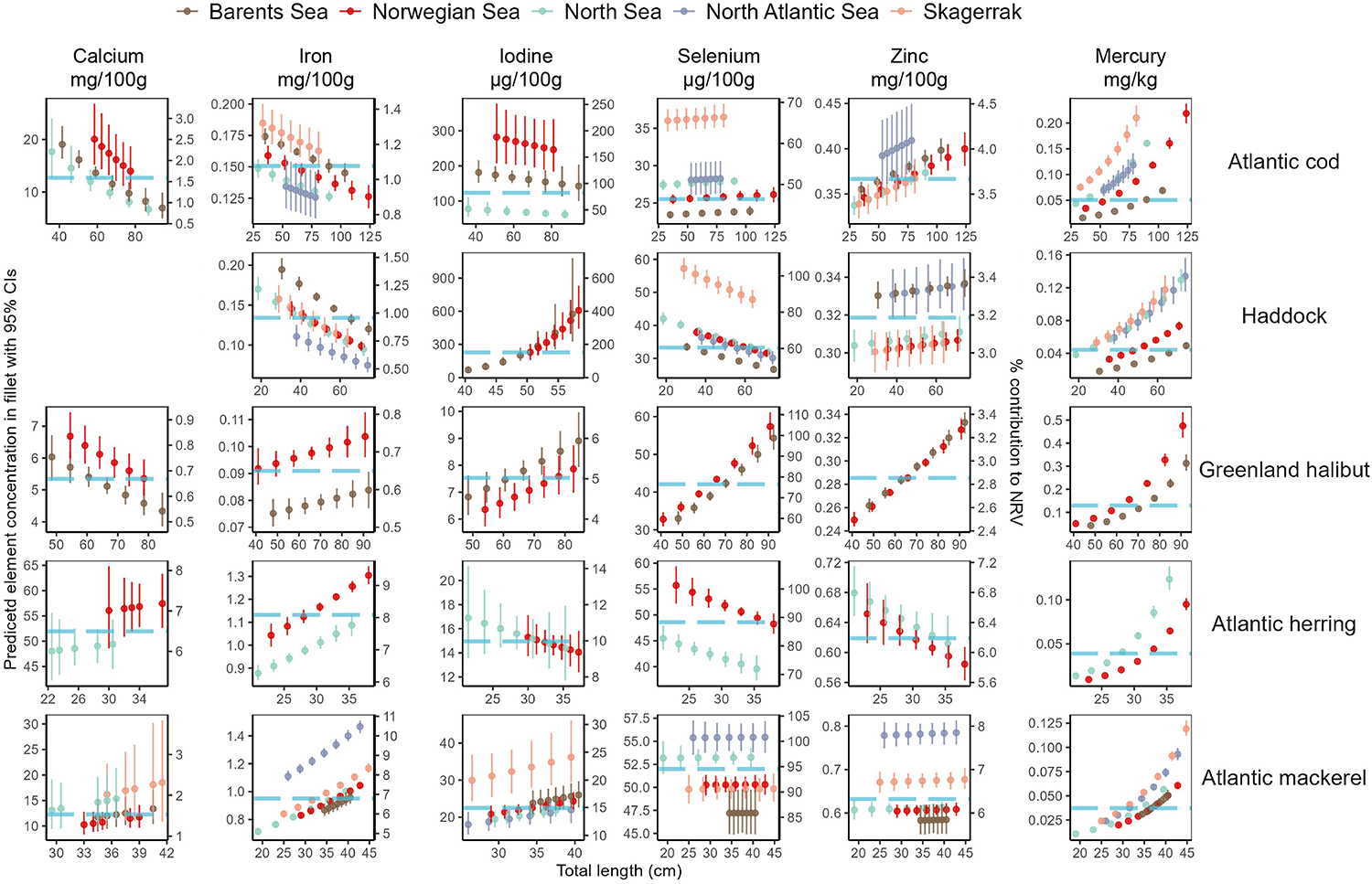
An important additional finding is that changes in fish body size – driven by fishing pressure or environmental factors – alter nutrient and contaminant concentrations in fillets. Smaller fish tend to have different nutrient-to-contaminant ratios, which in turn affects the overall trade dynamics of both nutrients and contaminants.
Overall, the authors conclude that seafood globalization through trade creates both opportunities for improved nutrition and potential risks that require careful, adaptive management and highlight the need for nutrition-sensitive policies that consider both the benefits and risks of international fish trade.
Relevance of research findings to the industry
For the seafood industry, importers, exporters and policymakers, this study provides highly actionable intelligence. Countries with high reliance on imported fish from specific regions (such as the Northeast Atlantic) can now better understand their nutrient supply security and contaminant exposure profiles. The research is particularly relevant for nations seeking to optimize public health outcomes through seafood consumption. Small island nations or countries with limited domestic production can use these insights to diversify sourcing or prioritize certain species to maximize nutritional benefits while minimizing contaminant risks.
For the fishing and processing industry, the finding that fish body size affects both nutrient density and contaminant load has direct implications for harvesting strategies, size regulations and product marketing.
The study also underscores the growing importance of traceability systems. As consumers and regulators demand more information about the origin and safety of seafood, understanding trade pathways becomes a competitive advantage. Companies that can document the nutritional value and low contaminant profiles of their products may gain market access and premium pricing, especially in health-conscious markets.
Perspectives
The results open several important avenues for future research and policy. One clear direction is the need to expand similar analyses to other major fishing regions beyond the Northeast Atlantic, as global trade networks are interconnected. Understanding how body size changes – driven by overfishing, climate change, or management measures – flow through trade networks and affect nutrient/contaminant flows is another priority.
From a policy standpoint, the findings support the development of nutrition-sensitive fisheries and trade policies. Rather than treating fish purely as a commodity, governments could integrate nutritional profiling and contaminant risk assessments into trade agreements and import regulations. There is also scope for better coordination between nutrition, food safety and fisheries management agencies, which often operate in silos.
For the seafood industry, the study highlights both opportunities and responsibilities. While trade can help address nutrient deficiencies in some populations, it also creates pathways for contaminants. Proactive investment in traceability, improved fishing practices that maintain healthy size structures, and transparent communication about product provenance will be increasingly important.
This study makes a compelling case that marine fish trade is a double-edged sword – capable of delivering vital nutrition across borders while also redistributing environmental contaminants. By making these invisible flows visible, the research provides a foundation for more informed, equitable and sustainable management of global seafood systems.
Now that you've reached the end of the article ...
… please consider supporting GSA’s mission to advance responsible seafood practices through education, advocacy and third-party assurances. The Advocate aims to document the evolution of responsible seafood practices and share the expansive knowledge of our vast network of contributors.
By becoming a Global Seafood Alliance member, you’re ensuring that all of the pre-competitive work we do through member benefits, resources and events can continue. Individual membership costs just $50 a year.
Not a GSA member? Join us.
Author
-

Editor Emeritus
Related Posts
Intelligence
Prediction of freshness indicators in rainbow trout fillets
Study uses a simple multispectral imaging system to assess various spoilage and predict freshness in rainbow trout fillets during storage for 12 days.

Fisheries
For Australia’s southern rock lobster fishery, a harvest strategy response to adapt to climate change
Study results support for TACs for rock lobster in proportion to the previous year’s catch per unit effort, and accounting for climate change impacts.

Intelligence
How climate change-induced temperature increases impact crustacean aquaculture
Building resiliency in crustacean aquaculture requires physiological responses, emerging technologies and adaptive management practices.
Health & Welfare
Advances in intensive copepod production technology
Research at the Oceanic Institute has been successful in overcoming bottlenecks associated with rearing small-mouthed fish larvae by finding a suitable first feed. Early work on the calanoid copepod Parvocalanus crassirostris focused on parameters necessary for successful maintenance of stock cultures.