


Catch & Culture Review: Precision aquaculture can shape greater advancements in aquaculture

Precision aquaculture needs testing interdisciplinary innovations as complete operational systems that consistently deliver scalable benefits for farms
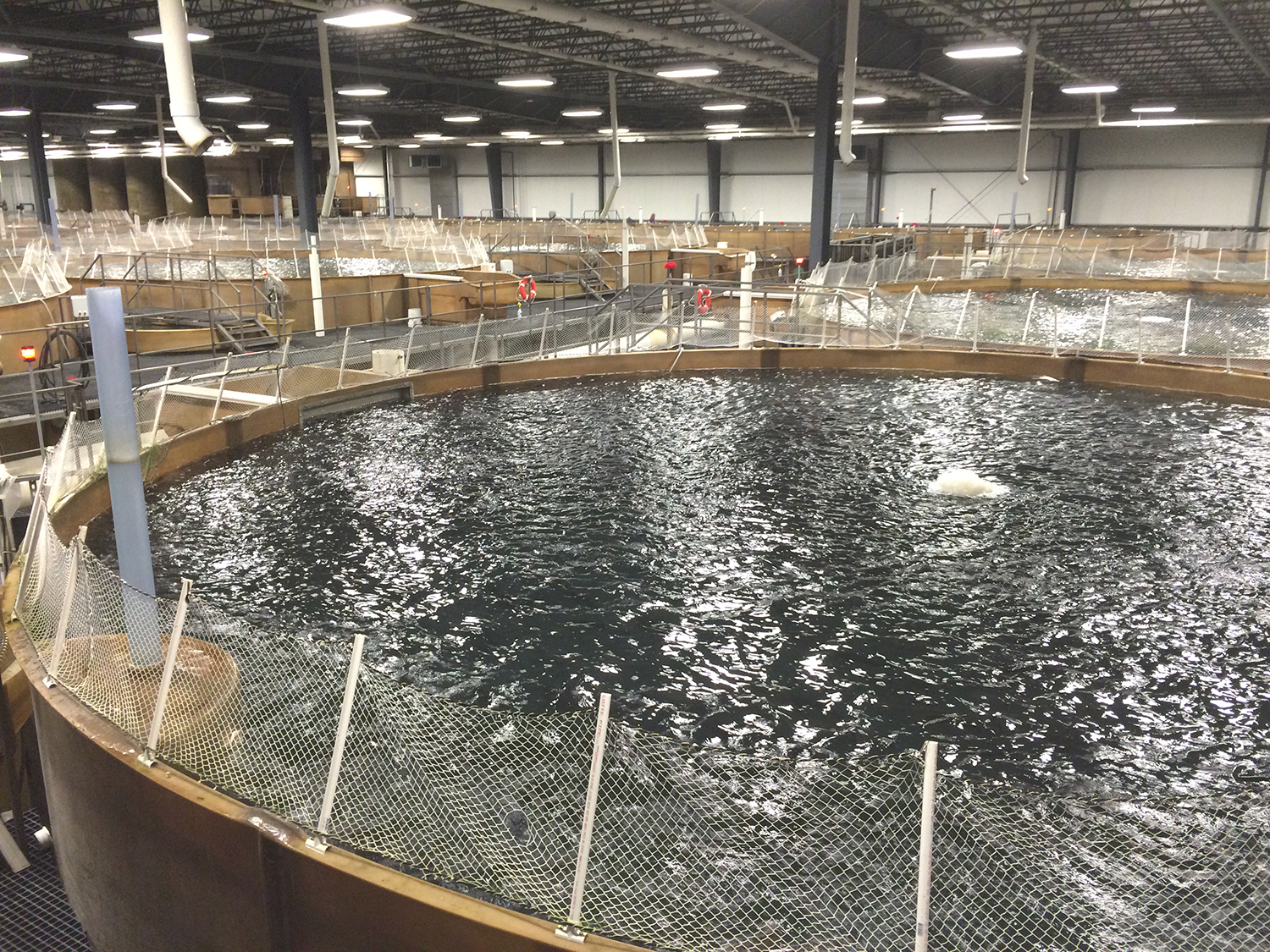
Over the past few decades, aquaculture has evolved through distinct technological stages, often described as Aquaculture 1.0 to 4.0. Aquaculture 1.0 relied on traditional, labor-intensive practices with manual feeding, water exchange and visual observation.
As global demand for seafood grew, Aquaculture 2.0 brought industrialization and intensification through mechanization and formulated feeds. Aquaculture 3.0 focused on sustainable intensification, supported by certification schemes, stricter regulations and better biosecurity.
Today, Aquaculture 4.0 represents a shift toward automation, precision and connectivity. Enabled by digital technologies such as smart sensors, automatic feeders, machine vision, satellite monitoring and cloud analytics, precision aquaculture emphasizes real-time data integration and intelligent decision-making. This evolution positions Aquaculture 4.0 as a pillar for building resilient and sustainable aquatic food production systems.
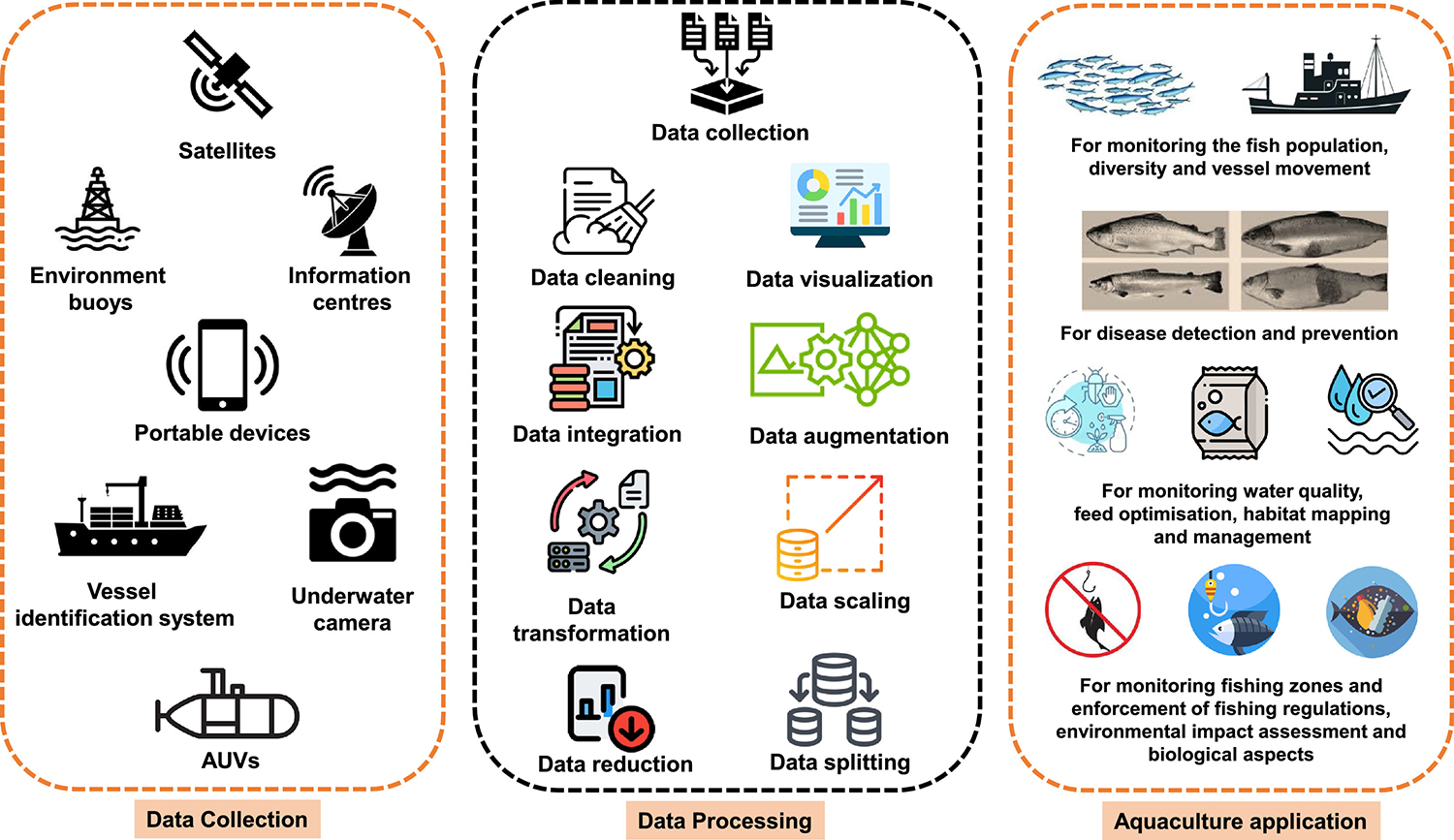
In this review by Rishikesh Ratan and colleagues in India, the authors explored how AI – in combination with the Internet of Things (IoT) and big data (complex, massive data sets that traditional data management systems are unable to handle) – is transforming smart aquafarming through intelligent automation, real-time decision support and predictive analytics. It highlights how techniques such as machine learning, deep learning, attention mechanisms and hybrid models are driving major gains in areas like water quality monitoring, disease detection, feed optimization and fish behavior analysis.
![Ad for [membership]](https://www.globalseafood.org/wp-content/uploads/2025/07/membership_web2025_1050x125.gif)
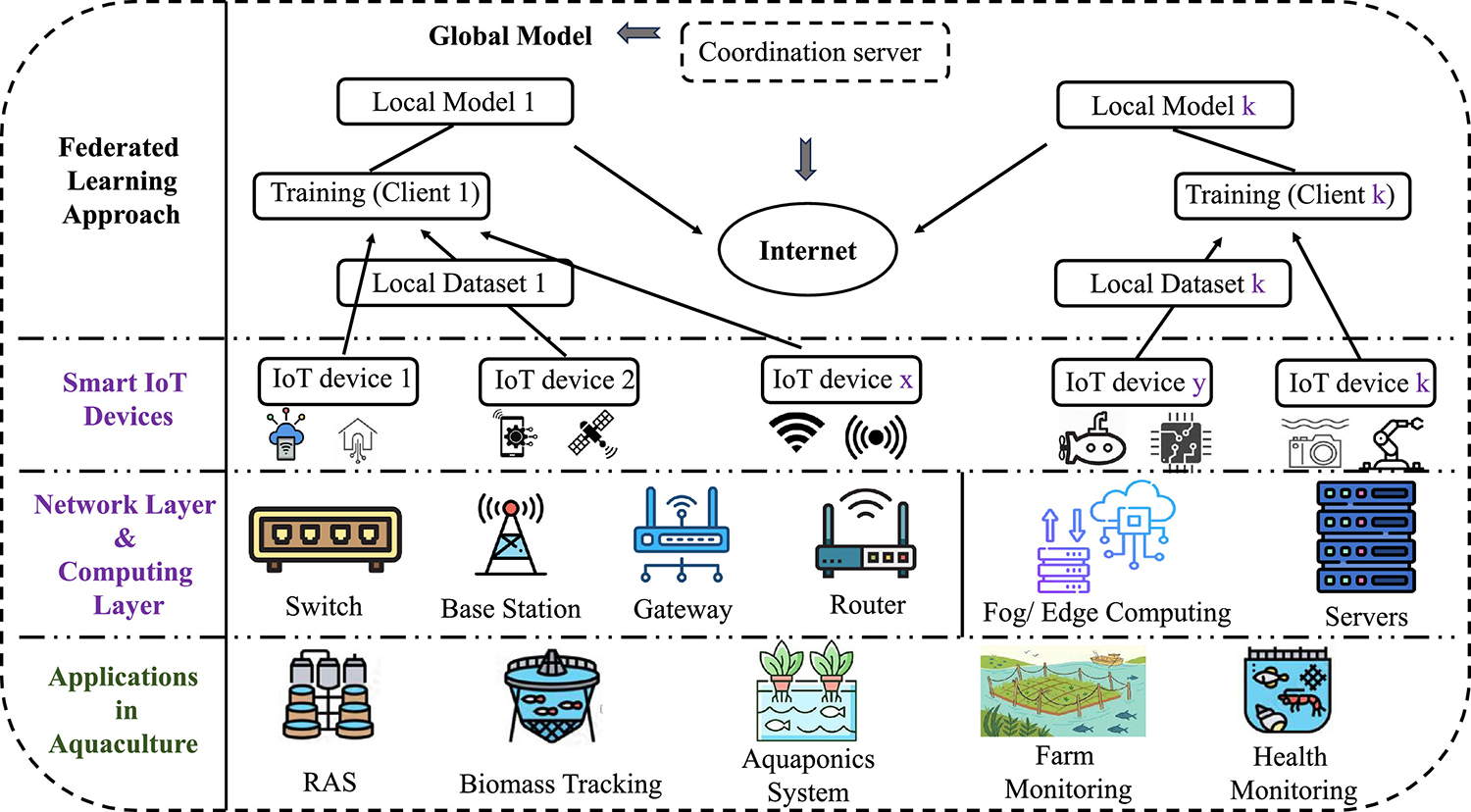
Their research also looked at emerging innovations that go beyond traditional AI applications – including federated learning (a machine learning technique in a setting where multiple entities or clients collaboratively train a model while keeping their data decentralized, rather than centrally stored), explainable AI, edge computing and transfer learning – approaches that help overcome key challenges around data privacy, scalability and adaptability in the ever-changing aquaculture environment.
Special attention is given to the seamless integration of AI with IoT systems and the use of digital twins (digital models of an intended or actual real-world physical product, process or system that serves as a digital counterpart of it for simulation, integration, testing, monitoring and maintenance) to simulate, monitor and optimize farming operations. The review further examines the promising roles of quantum AI and blockchain in building future-ready aquaculture systems.
Finally, this review offers a critical look at the socioeconomic, infrastructural, ethical and regulatory barriers that slow AI adoption – particularly in rural and resource-limited regions – and proposes a forward-looking framework for creating scalable, resilient and sustainable smart aquaculture systems powered by next-generation AI.
Relevance of research findings to the industry
The global aquaculture industry is under pressure to produce more seafood with fewer resources while meeting strict sustainability and welfare standards. Feed costs often represent 50–70 percent of operating expenses; AI-driven optimization tools highlighted here have demonstrated 20–30 percent savings in field trials, directly improving profitability. Early disease detection and predictive water-quality management can reduce mortality by double-digit percentages. This is a critical advantage in an industry where outbreaks can wipe out entire stocks overnight.
The emphasis on digital twins and edge AI is particularly timely for large-scale producers shifting toward recirculating aquaculture systems (RAS) or offshore farms, where remote monitoring and rapid response are essential. Smaller operators in developing regions will appreciate the discussion of federated learning and transfer learning, which reduces the need for massive local datasets and lower entry barriers.
By addressing real-world hurdles like sensor drift, connectivity issues and high initial costs, this research offers actionable insights that can help technology providers design more robust, affordable solutions and guide policymakers in creating supportive regulations. Overall, the findings appear to align closely with industry goals of precision, traceability and resilience – key pillars for meeting growing demand for certified, environmentally responsible seafood while navigating climate variability and supply-chain disruptions.
Perspectives
Aquaculture is going through a major transformation as artificial intelligence, connected sensors and digital decision-support tools bring greater precision and enable truly data-driven management. Recent studies demonstrate that AI-powered systems can significantly improve real-time water quality monitoring, predict critical events, enable early disease detection and optimize feeding and aeration – delivering clear gains in productivity, fish welfare and environmental sustainability.
This study also highlights that the real-world value of these technologies goes far beyond model complexity. Success depends on how reliably they perform under actual farm conditions, including challenges like water turbidity, variable lighting, fish occlusion at high densities, sensor drift, biofouling, unreliable connectivity and differences between sites. Future progress will require greater emphasis on standardized performance reporting and rigorous cross-site validation, transparently reporting prediction errors, classification accuracy, system latency, uptime, power consumption, and maintenance demands so that results can be meaningfully compared and replicated across different deployments.
Techniques such as transfer learning, federated learning and explainable AI will continue to play a vital role in overcoming data scarcity, privacy issues and adoption barriers – especially when applying models across farms or regions. At the same time, integrating these systems with digital twins and secure data platforms can strengthen traceability and accountability, provided that ethical guidelines and governance frameworks keep pace with the technology.
Future research should therefore prioritize robust cross-farm benchmarking using standardized key performance indicators (KPIs; a type of performance measurement used to evaluate the success of an organization, activity, project, or process in achieving defined objectives), drift-aware calibration and maintenance protocols, edge-deployable models with clear latency and energy metrics and secure digital-twin frameworks for data governance. Ultimately, precision aquaculture will advance most effectively when interdisciplinary innovations are evaluated and proven as complete, end-to-end operational systems that deliver consistent, scalable benefits in real-world production environments.
Fermentation plays an important role in modern aquafeed production
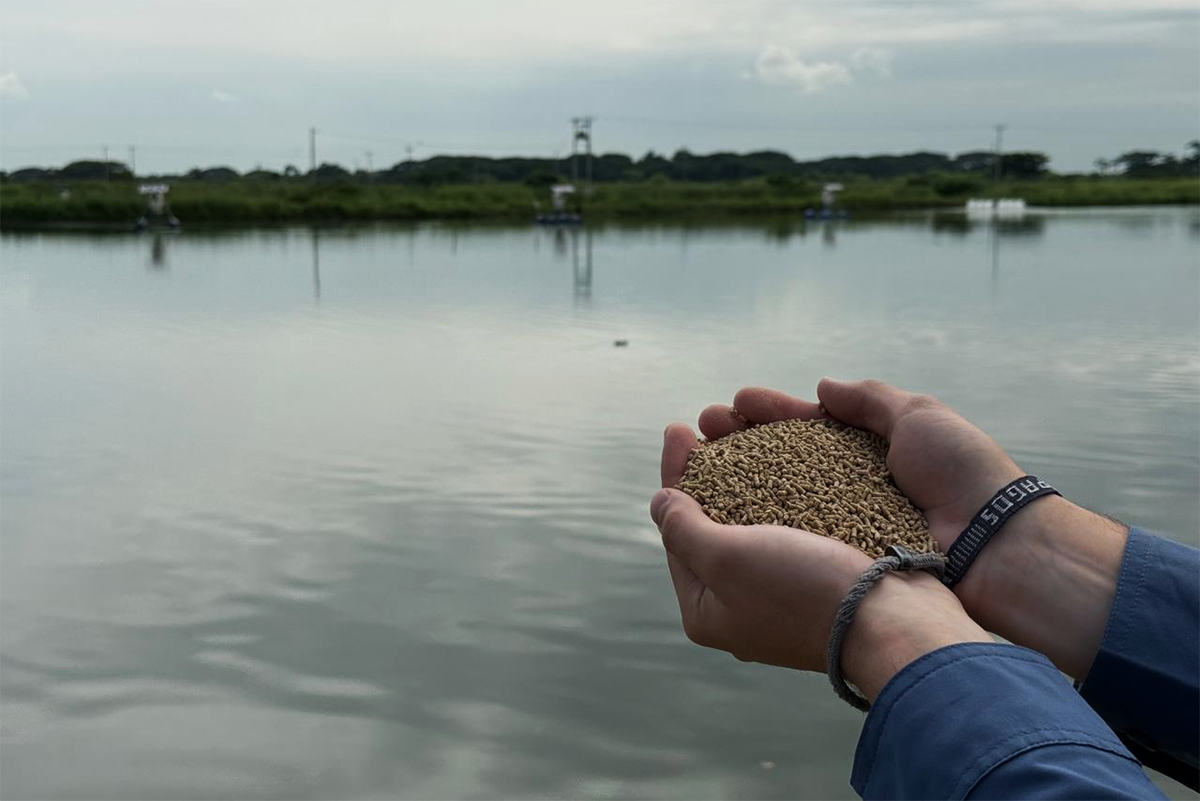
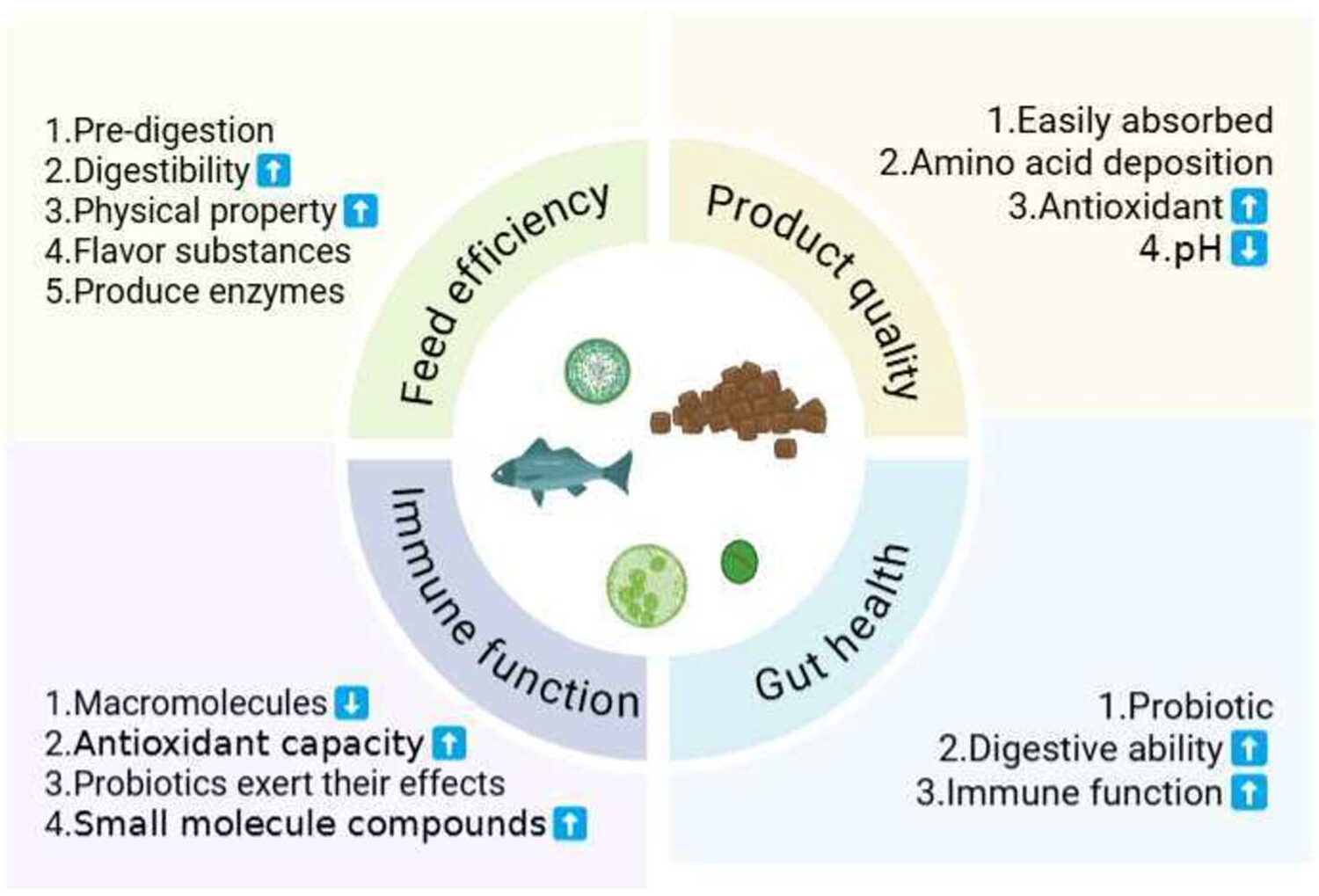
Fermented feed is emerging as a promising functional feed that uses microbial fermentation to boost both the nutritional value and palatability of aquafeeds. It helps address common problems in aquaculture, such as poor digestion, weakened immunity and heavy dependence on fishmeal.
A study by Caihuan Ke and coworkers in China discusses the fundamentals of fermented feed, its key benefits, the main types currently in use and the factors that influence its effectiveness. It also highlights the positive impacts observed in aquaculture species, including faster growth, stronger immune responses, healthier gut microbiota and better overall product quality. Its goal is to offer a solid theoretical basis to support both production practices and wider adoption in the field.
Fermented feed is made by subjecting conventional feed ingredients to microbial fermentation, which significantly improves its quality and usefulness. It enhances palatability and overall feed quality, leading to better intake and improved feed efficiency in aquaculture species. The fermentation process breaks down large proteins and carbohydrates into smaller, more easily digestible molecules like acid-soluble proteins, and reducing sugars. This not only aids nutrient absorption and supports gut health but also strengthens immunity and disease resistance.
Additionally, fermentation improves the physical properties of the feed and helps break down anti-nutritional factors. As a result, fermented feeds – especially fermented protein sources – are showing real promise as partial or even full replacements for fishmeal. Because of these advantages, research into fermented feed has become a major focus in feed science, providing practical solutions to some of the biggest challenges facing the aquaculture industry.
The authors reviewed the main characteristics of fermented feed, the factors that affect the fermentation process, its performance in real applications, current limitations and emerging research trends. While fermented feed shows strong potential for cutting costs and improving production efficiency, it still faces hurdles – particularly limited large-scale production and a lack of research focused on crustaceans.
Moving forward, more work is needed on building comprehensive databases, developing intelligent manufacturing methods and conducting thorough economic assessments to support wider adoption in the aquaculture industry.
Relevance of research findings to the industry
Fishmeal prices and supply volatility remain major pain points for the aquaculture sector. Fermented alternatives – especially from plant proteins or agro-industrial byproducts – offer a practical way to replace 40–100 percent of fishmeal in some formulations without compromising (and sometimes improving) performance. Improved feed efficiency directly translates to lower production costs, while enhanced immunity and gut health can reduce disease outbreaks and antibiotic use in high-density systems.
The detailed discussion of fermentation parameters provides feed manufacturers with actionable insights for optimizing processes, such as selecting synergistic microbial consortia or controlling moisture and temperature to ensure consistent quality. For farmers, better palatability and digestibility mean higher feed intake and faster growth, particularly valuable in species like shrimp or tilapia that dominate global production. An emphasis on product quality improvements (e.g., better flavor and reduced oxidation) could also help meet consumer demands for premium, responsibly produced seafood.
However, the identified gaps – limited crustacean data and scaling challenges – are particularly relevant for shrimp and crab farmers, who represent a huge market share. Fermented feeds could potentially support and accelerate the shift toward more circular, low-fishmeal diets and support certification schemes focused on sustainability.
What is the path to viable alternatives to shrimp eyestalk ablation?
Perspectives
This review shows that fermentation technology isn’t just a trendy add-on but a genuinely useful tool for making aquafeeds more efficient and healthier for animals. The discussion covers realistic proven benefits in growth, immunity, and gut health while openly pointing out inconsistencies, safety risks and the lack of large-scale implementation.
Fermented feed has shown real promise in aquaculture, improving how efficiently animals use feed, bolstering their immune systems, and supporting gut health – all while helping to cut costs. But they still face practical hurdles, namely keeping harmful bacteria in check, upskilling practitioners and understanding how fermentation actually works at a mechanistic level. Future efforts should focus on multi-strain fermentation approaches, smarter production technologies, and broader research into crustaceans like shrimp and crabs.
Gauging the spawning success and postlarvae production of penaeid shrimp without eyestalk ablation
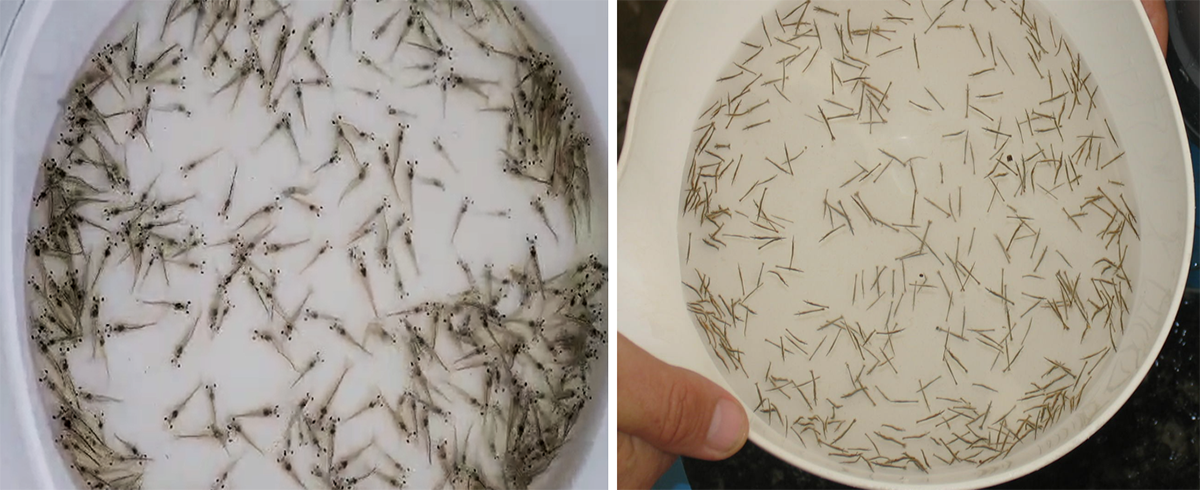
Sustainable development of the global shrimp industry depends not only on a steady supply of domesticated broodstock but also on their ability to spawn reliably and profitably under commercial conditions.
In research by Tung Hoang and Binh Thai Nguyen in Vietnam, the authors analyzed 13 sets of maturation data collected from three commercial shrimp hatcheries in Vietnam and compared the reproductive performance of domesticated Pacific white shrimp (Penaeus vannamei) and black tiger shrimp (P. monodon) with and without eyestalk ablation.
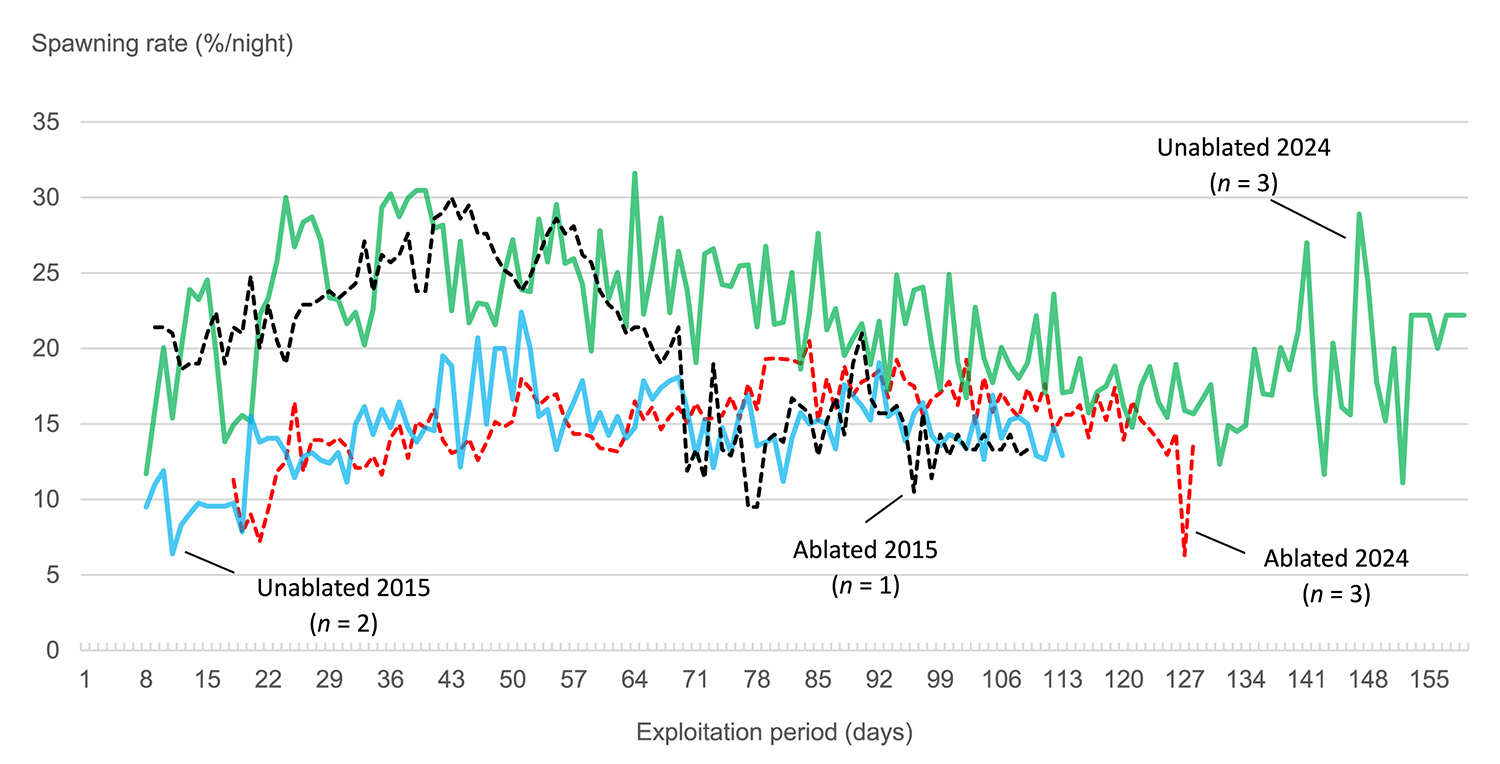
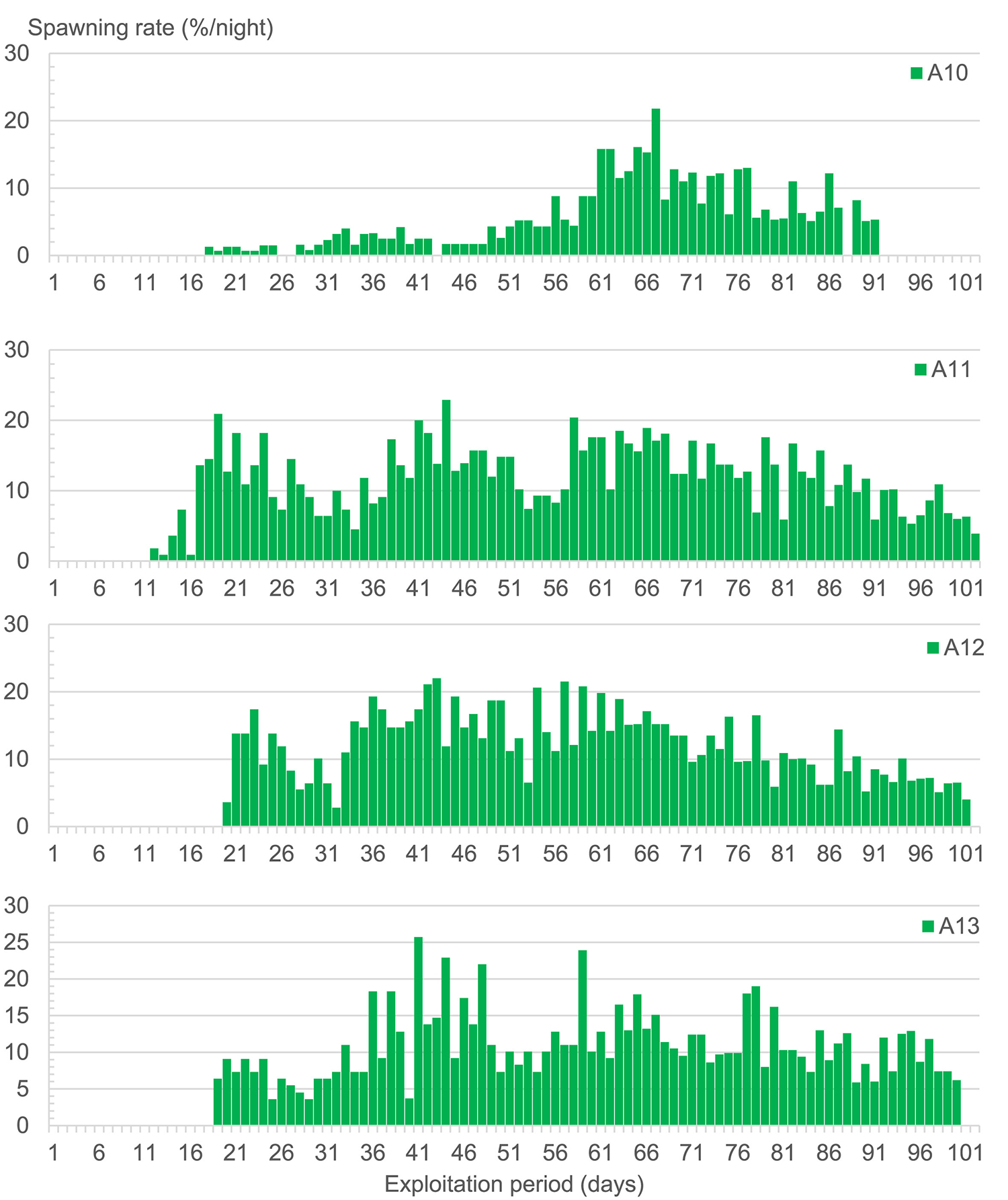
Over the past decade, reproductive performance of unablated P. vannamei has improved markedly. The results from 2024 showed that unablated P. vannamei females significantly outperformed ablated ones. They produced an average of 8.3 million nauplii per female across 21–27 spawns over a period of 126–148 days – nearly four times higher than ablated females. The nightly spawning rate for unablated P. vannamei was strong, averaging 21.6 percent. The shrimp also maintained good health, with a positive growth rate of 0.29 grams per day.
And compared to 2015 data from the same broodstock supplier, nightly spawning rate rose from 14.6 to 21.6 percent, fecundity increased by 37 percent (from 250 to 352 × 10³ nauplii per spawn) and total nauplii yield per female jumped 113 percent (from 3.9 to 8.3 million).
In contrast, domesticated P. monodon females that underwent eyestalk ablation and artificial insemination produced an average of 3.3 million nauplii per female over 91–102 days, with fecundity ranging from 447 to 507 × 10³ nauplii per spawn. Survival of ablated P. monodon averaged 58.8 percent. Both males and ablated females continued to grow during the period. However, unablated P. monodon females performed very poorly, yielding only 0.05 million nauplii per female, or 72 times lower than their ablated counterparts. Their low maturation and spawning rates suggest that banning eyestalk ablation would make commercial postlarvae production of domesticated P. monodon economically unviable and technically impractical due to the massive increase in broodstock numbers and resources required.
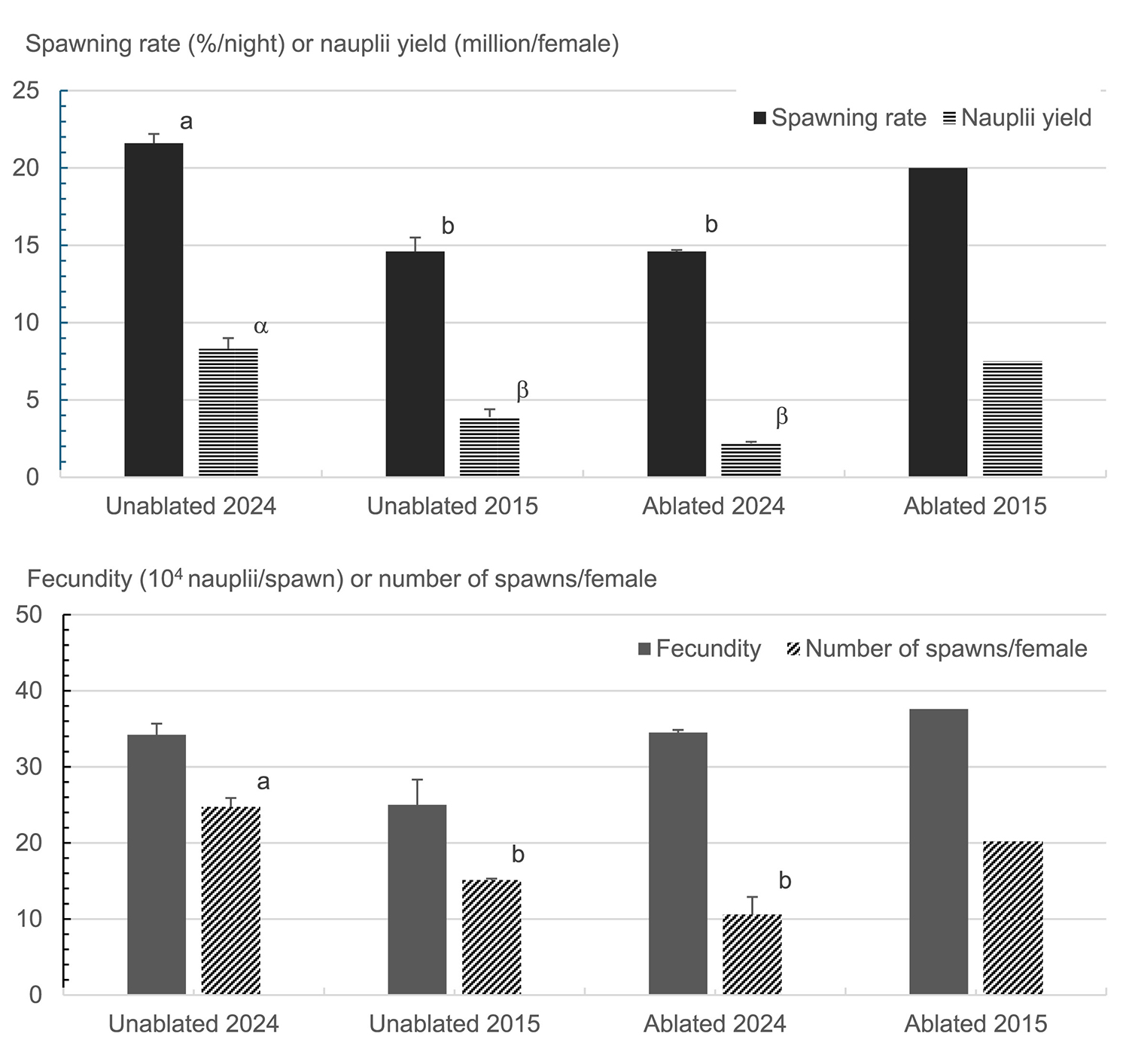
Overall, these findings indicate that spawning domesticated P. vannamei without eyestalk ablation is not only feasible but should be actively encouraged, while a ban on ablation would pose serious challenges for P. monodon hatchery operations.
Relevance of research findings to the industry
Vietnam is one of the world’s top shrimp producers and its hatcheries supply billions of postlarvae annually to both domestic and export markets. This study’s real-world commercial data – rather than lab-scale trials – make its findings especially valuable for hatchery managers, broodstock suppliers, and policymakers debating welfare-driven restrictions on eyestalk ablation.
For P. vannamei, which dominates global production, the results are highly encouraging. They show that modern domesticated lines can deliver superior nauplii yields without surgical intervention, supporting higher welfare standards, reduced stress on broodstock and potentially lower labor costs in hatcheries. The documented decade-long improvement also suggests that continued selective breeding and better management are steadily closing the performance gap.
For P. monodon – still important in many premium and domestic markets, and with farmed production now increasing in various countries – the data shows that without ablation, output would decrease to levels that would make large-scale production unsustainable. Any regulatory ban implemented without species-specific exemptions or major advances in P. monodon domestication could disrupt seed supply, raise costs and threaten farm-level production – particularly in regions still reliant on black tiger shrimp.
The study also underscores the importance of reliable, long-term commercial datasets. Many previous papers relied on small experimental groups or short trials; the findings here reflect actual hatchery operations over months, giving the industry more confidence in planning for a potential ablation-free future.
Perspectives
This study highlights the impressive progress toward an ablation-free future for P. vannamei and the sobering limitations still facing producers of P. monodon, and that the shrimp farming industry is not quite ready for a one-size-fits-all ban on eyestalk ablation, However, for Pacific white shrimp – the dominant species in global aquaculture – the technology and genetics have advanced enough that industry can move forward responsibly.
Also, the study opens clear pathways for future work: continued genetic selection for high-performing unablated P. monodon, refinement of non-invasive maturation techniques and cost-benefit analyses of large-scale ablation-free systems. If the industry builds on these results – investing in better broodstock programs and sharing data across hatcheries – it could see a genuine shift toward higher-welfare, more sustainable shrimp seed production without sacrificing output.
Now that you've reached the end of the article ...
… please consider supporting GSA’s mission to advance responsible seafood practices through education, advocacy and third-party assurances. The Advocate aims to document the evolution of responsible seafood practices and share the expansive knowledge of our vast network of contributors.
By becoming a Global Seafood Alliance member, you’re ensuring that all of the pre-competitive work we do through member benefits, resources and events can continue. Individual membership costs just $50 a year.
Not a GSA member? Join us.
Author
-

Editor Emeritus
Related Posts
Health & Welfare
Can providing free electrical stunners move the needle on shrimp welfare practices?
The UK-based Shrimp Welfare Project is offering free electrical stunners to qualifying producers as part of new shrimp welfare initiative.
Innovation & Investment
Automatic solar-powered aerator designed to advance shrimp farming in Indonesia
Researchers at Institut Teknologi Sepuluh Nopember have developed an automatic, solar-powered aerator for shrimp ponds in remote areas of Indonesia.

Intelligence
AI is becoming an ‘integral part’ of fisheries management and seafood processing
Artificial intelligence (AI) is playing a larger role in seafood, as data is at the heart of the so-called fourth industrial revolution.

Intelligence
Bangladesh seeks more buck for its ‘bagda’
As more than 80 percent of Bangladeshi shrimp exports already go to EU markets, a consultation meeting involving buyers from the bloc and Bangladesh industry stakeholders and authorities was held at the end of last month in Utrecht, the Netherlands.