


Scottish salmon survival rates hit record highs in early 2026

Latest data indicates farmed Scottish salmon survival rates reached record highs during the first quarter of 2026
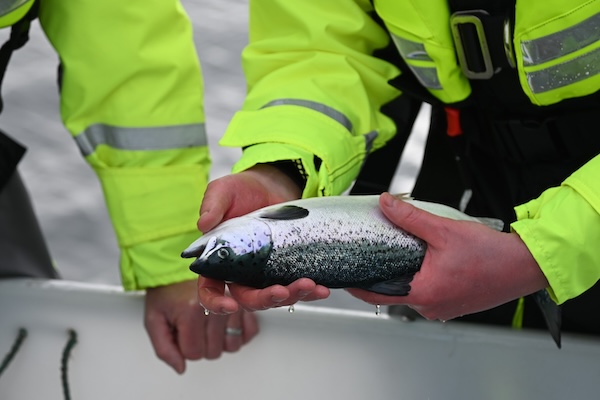
Scottish salmon survival rates reached record highs during the first quarter of 2026, according to new figures released by Salmon Scotland, continuing a broader trend of improving fish health and farm management.
Monthly survival reached 99.1 percent in March 2026 – the highest level recorded for that month since reporting began in 2018. Survival across the first three months of the year averaged 99.03 percent, marking the strongest start to a year on record.
“These figures are a testament to our members’ hard work and commitment to fish health and welfare, and to responsible farming,” said Tavish Scott, chief executive of Salmon Scotland.
The latest figures build on gains made in 2025, when average monthly survival rates reached about 98.3 percent across the year. Since 2018, salmon farmers have invested more than £1 billion (US $1.3 billion) in areas including veterinary care, technology and stock management to improve fish health and strengthen farm resilience.
![Ad for [membership]](https://www.globalseafood.org/wp-content/uploads/2025/07/membership_web2025_1050x125.gif)
“Scottish salmon farmers uphold the highest animal welfare standards in the world, but they are always striving to do better,” Scott said.
Industry groups say higher survival rates increase production efficiency while helping deliver more low-carbon protein to domestic and export markets.
“Record survival rates are encouraging and reflect the dedication of farmers across Scotland’s coastal communities,” Scott said.
The Advocate reports from the Responsible Seafood Summit in St Andrews
Scottish salmon remains the UK’s largest food export, with international sales reaching £828 million in 2025 and domestic sales totaling £1.5 billion (US $1.1 billion). The sector contributes nearly £1 billion (US $1.3 billion) annually to the Scottish economy and supports around 11,000 jobs, many in rural and coastal communities.
“They also show the impact of sustained investment in fish health, technology, and farm management,” Scott said. “This progress helps ensure Scottish salmon remains one of the country’s great food success stories.”
Salmon Scotland said improved survival rates also support food security and economic growth by increasing the supply of salmon reaching consumers in the UK and overseas markets.
“Higher survival means more nutritious, low-carbon food reaching consumers at home and overseas, supporting jobs, communities, and economic growth,” Scott said.
Now that you've reached the end of the article ...
… please consider supporting GSA’s mission to advance responsible seafood practices through education, advocacy and third-party assurances. The Advocate aims to document the evolution of responsible seafood practices and share the expansive knowledge of our vast network of contributors.
By becoming a Global Seafood Alliance member, you’re ensuring that all of the pre-competitive work we do through member benefits, resources and events can continue. Individual membership costs just $50 a year.
Not a GSA member? Join us.
Author

Related Posts
Intelligence
Despite strong headwinds, Scottish salmon sector optimistic for growth
With major obstacles to growing production and maintaining market share, the Scottish salmon industry keeps an eye on the horizon.
Health & Welfare
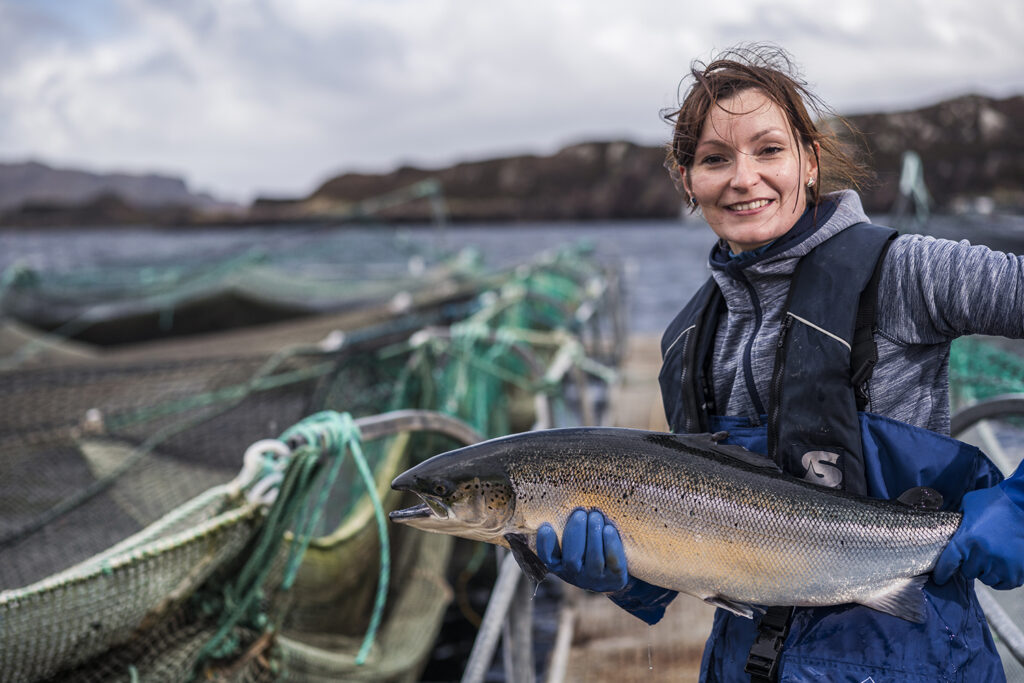
Investments in fish health and welfare drive record survival rates for Scottish salmon
New data reveals investments in fish health and welfare since 2018 have led to record-high survival rates for Scottish salmon.
Intelligence
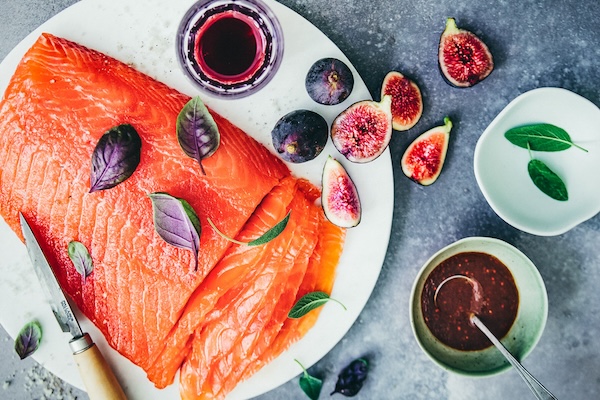
Scottish salmon exports reach five-year high
Scottish salmon exports have surged to $819 million in the past year, reaching a five-year high as international demand grows.

Intelligence
Scottish salmon farmers to trial simplified licensing and approval process
Can a new consenting process for Scottish salmon farms lead to efficiencies and improved community engagement?