

GOAL video: James Anderson on shrimp trends
James Anderson delivered a data-rich survey on global shrimp and finfish production volumes for the Global Aquaculture Alliance at its GOAL conference in October. See the full video of his presentation.
Pathogenic noroviruses have been identified in shellfish from various countries in Europe. The major cause of outbreaks of acute gastroenteritis in humans, norovirus infection is transmitted three main ways, led by consumption of shellfish.
James Anderson delivered a data-rich survey on global shrimp and finfish production volumes for the Global Aquaculture Alliance at its GOAL conference in October. See the full video of his presentation.
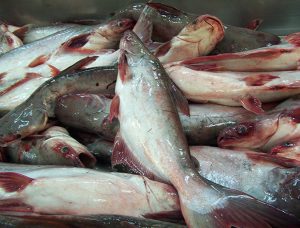
Vietnam’s pangasius industry captivated the global seafood industry, environmental organizations and the mass media. A scientific look at harmful substances detected in exported fillets and the reporting of the associated health risks through the media finds wide disparities.
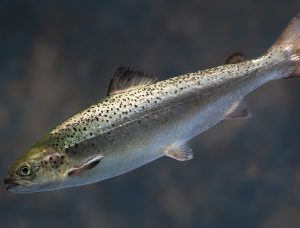
After a 20-year process, a genetically modified fish earned U.S. Food and Drug Administration approval, reigniting one of the seafood industry’s most intriguing controversies. Here are 10 key downloads from the groundbreaking decision over AquAdvantage salmon.
While significant numbers of people are undernourished, an increasing number of people are overweight. The divide between recommendations and results is marked, so we must learn more about food production and change our behaviors.
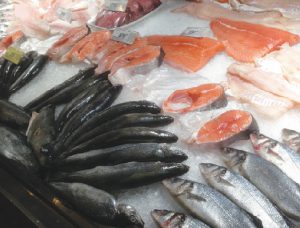
What do shoppers really think about farmed and wild seafood? Commissioned by The Fishin’ Co. and the Global Aquaculture Alliance, an extensive survey conducted earlier this year sought to determine the key drivers in consumers’ seafood purchasing habits and their perception of aquaculture.
In line with the Global Aquaculture Alliance’s mission to advocate, educate and demonstrate responsible aquaculture worldwide, the Advocate is a forum for information and insight into one of the world’s most important and fastest-growing industries.
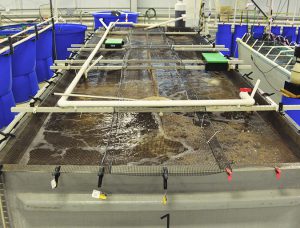
Land-based cultivation of macroalgae can minimize impacts on wild macroalgae stocks while reducing harvest costs and controlling quality. Integration of macroalgae with land-based fish culture systems could reduce capital and operating costs.
Crustaceans, fish and any food that contains protein have the potential to cause allergic reactions in some individuals. To protect consumers, seafood businesses must stay abreast of changing regulations.
Epidemiological studies have estimated that noroviruses are responsible for 60 percent to 80 percent of all foodborne outbreaks of gastroenteritis worldwide. Consumption of shellfish is one of three main transmission routes of norovirus infection.
Organoleptic attributes such as flavor and aroma are among the most important factors that influence consumer acceptability and demand for fish products. Consumers have identified farmed fish as less complex and lacking “sealike” or “sea-fresh” flavors and aromas.
Since bivalve shellfish filter large volumes of water to feed, they can accumulate and concentrate bacteria and viruses from various pollution sources. Among enteric viruses, noroviruses are the leading cause of gastroenteritis in humans who consume affected shellfish. Current wastewater treatments fail to enZsure the complete removal of viral pathogens that can be discharged into fresh, marine and estuarine waters and therefore contaminate shellfish-growing waters. The detection of noroviruses in food relies on molecular techniques.
Are consumers fully aware of the health benefits of seafood? Many consumers do not act as if they are. It seems they do not have the information they need about the positive impacts the omega-3 fatty acids in seafood make on heart, brain and eye health. While fatty fish are especially good sources, any seafood is a better source of omega-3s than red meat. The need remains for clear communication and education about the health benefits, nutritional value and sources of omega-3s.
An analysis of the relationships between aquaculture development and its consequences on seafood consumption found both similarities and differences across countries and species. Developing and emerging producing countries coincided across seafood consumption and the share of local aquaculture in total supply.
The aquaculture industry influences global seafood prices by increasing international trade competition. The fish price indices published by the Food and Agricultural Organization of the United Nations report the aggregate effects of seafood supply and demand.
Commercially harvested shellfish have been reported to cause gastro-enteritis when humans consume virus-contaminated products. Rotaviruses are one of the main types of viruses able to survive and persist in the aquatic environment.