
Study suggests omega-3s may work better in Mediterranean diet than fish oil supplements
Study suggests omega-3s may provide greater brain health benefits through diet than through fish oil supplements alone.



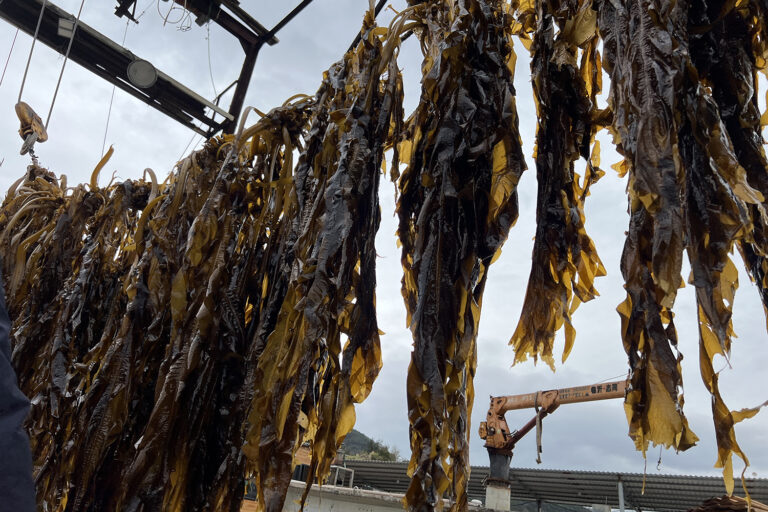
Researchers from Qingdao demonstrate that wakame can be grown in subtropical Fujian province, opening new opportunities for seaweed aquaculture.
Study suggests omega-3s may provide greater brain health benefits through diet than through fish oil supplements alone.
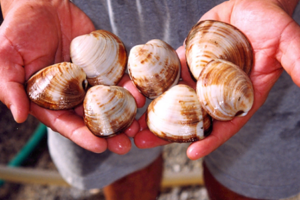
This review of recent aquaculture literature begins with understanding the molecular mechanisms of cold adaptation in fish, crustaceans and mollusks.

FAO’s SOFIA 2026 report highlights record seafood production, growing trade and rising climate change-related risks.
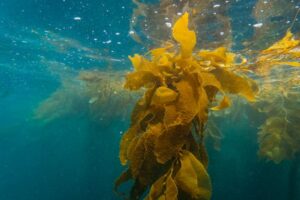
New research reveals how giant kelp captures sunlight, offering insights that could inform future carbon capture technologies.

The FIFO Performance Tool was used to show that farmed salmon can be a net producer of edible omega-3s when nutrient retention is counted.
A Nofima study found omega-11 in marine oil from herring and mackerel reduced psoriasis-related inflammation in skin cells.

New technology makes it possible to verify a fish species in just minutes, potentially transforming conservation, trade and consumer confidence.
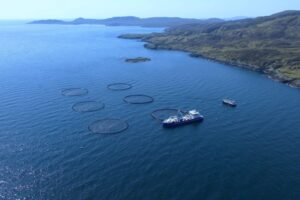
Mowi has stocked its first salmon at a new high-energy offshore aquaculture site, expanding capacity in Scotland's Western Isles.
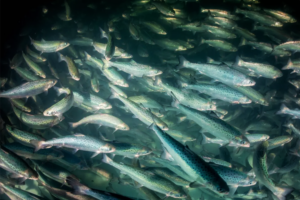
This review of recent aquaculture literature looks at bioenergetic models for food systems, feed formulations and applications for environmental DNA.
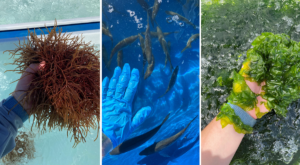
Valuable insights and a practical framework for macroalgae species in IMTA systems with finfish in order to boost sustainability and economic returns.
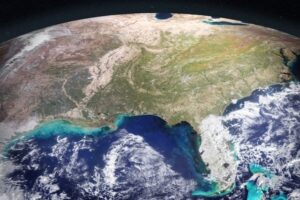
A NASA-developed artificial intelligence tool uses satellite data to detect harmful algal blooms in U.S. coastal waters.
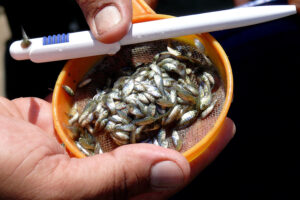
Tilapia sex-reversal procedures have positives, but regulatory barriers and concerns about welfare, worker safety and environmental impacts remain.
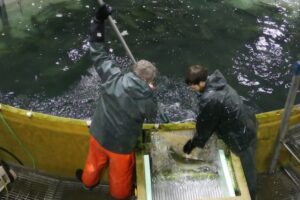
Trial with rainbow trout found membrane bioreactors reduced water use by 94% in recirculating aquaculture systems without affecting growth.

Innovation and collaboration were in focus at Seafood Expo Global 2026, as the industry faces trade disruption, rising costs and shifting demand.
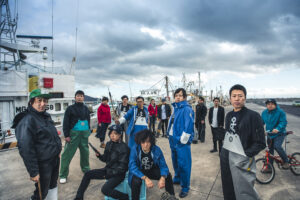
Fifteen years after an earthquake and tsunami devastated Japan, its innovative fisheries and aquaculture sectors reassess their disaster preparedness.