


Catch & Culture Review: Bioenergetic aquaculture models for food systems analysis

Research combines farm-level simulations with broader food system modeling and bioenergetic approaches
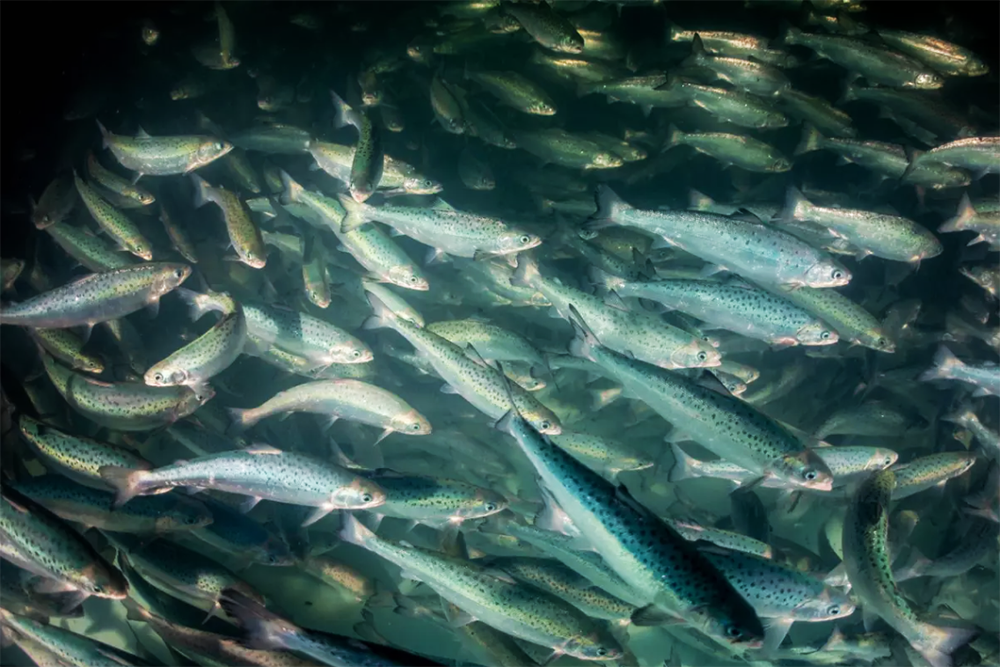
Agro-ecological food system and resource allocation models are powerful tools for exploring how different production configurations can meet future demand while respecting planetary boundaries. However, most modeling studies to date have only considered a narrow range of species, limiting our understanding of aquaculture’s true potential.
Capturing the wide diversity of species and farming practices is essential to accurately assess their contributions to future food systems. Given the scarcity of detailed empirical data on aquaculture systems under varying environmental conditions and management intensities, bioenergetic models offer a robust way to predict growth performance and generate inputs for larger-scale food system models.
In a study by A.J. van Riel and colleagues in The Netherlands, the authors used Atlantic salmon (Salmo salar), European sea bass (Dicentrarchus labrax) and common carp (Cyprinus carpio) as representative species spanning the diversity of European finfish aquaculture, and defined key production systems for each species based on contrasting but realistic management practices and developed coastal water temperature clusters across Europe.
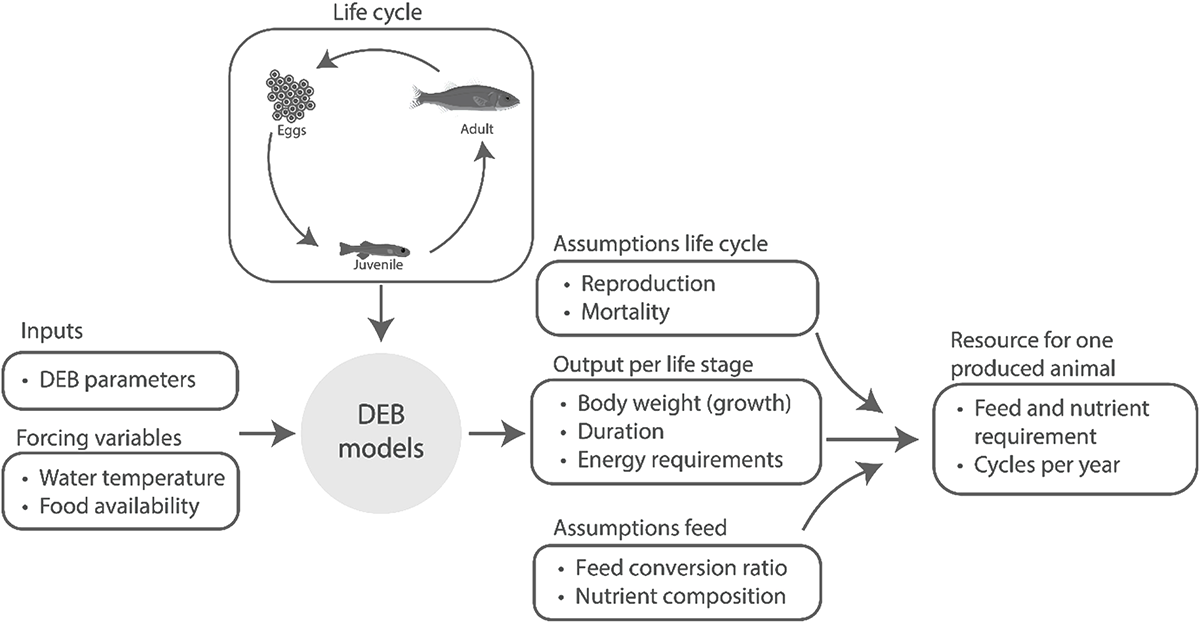
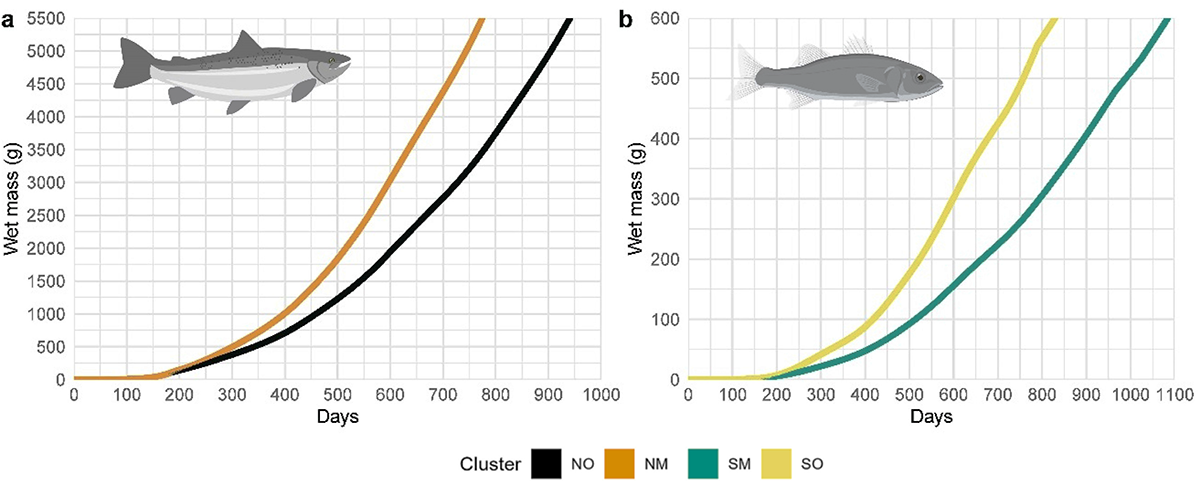
For each system, a Dynamic Energy Budget (DEB) model was used to simulate full life-cycle growth under temperature-specific conditions and different feeding regimes, with estimated nutrient requirements and feed intake based on commercial feed formulations. The temperature clusters created aligned well with current farming locations for Atlantic salmon and European seabass. Importantly, the DEB model predictions closely matched real-world farm data, accurately forecasting harvest times across the different species and production systems.
![Ad for [BSP]](https://www.globalseafood.org/wp-content/uploads/2025/07/BSP_B2B_2025_1050x125.jpg)
Overall, the findings indicate that these detailed aquaculture modules can now be integrated into broader food system and resource allocation models, significantly improving the ability to evaluate the role of European aquaculture in sustainable future food systems.
Relevance of research findings to the industry
For aquaculture producers, aquafeed companies and sustainability managers, this work offers a practical, validated toolkit. The temperature-cluster approach directly links model outputs to real production sites, making it easier to assess climate-change impacts or site suitability. Feed formulators can use the detailed nutrient profiles to optimize formulations and reduce reliance on finite marine ingredients. The life-cycle accounting (including broodstock and mortalities) provides transparent data for carbon-footprint calculations, certification schemes or EU regulatory reporting.
Industry groups pushing for a more circular food system could particularly appreciate the emphasis on different intensities. Lower-intensity carp systems, for instance, demonstrate how aquaculture can upcycle byproducts and natural productivity, lowering the overall environmental footprint. The models also allow companies to benchmark performance across regions and explore intensification versus extensification trade-offs without expensive on-farm trials.
Perspectives
Findings explain how the new aquaculture models can be integrated into larger food system and resource allocation models to evaluate aquaculture’s role alongside livestock in feeding future populations. They also produce a more realistic picture of European aquaculture by accounting for regional temperature differences and potential climate-change effects; and how each species upcycles food-system byproducts: carnivorous salmon and sea bass excel with high-value leftovers (with salmon likely preferred due to better efficiency), while carp – especially in lower-intensity systems – is better suited to lower-quality materials. Nutritionally, carp’s ability to synthesize essential fatty acids could shift optimal species mixes, while environmentally the models will better quantify aquaculture’s lower greenhouse-gas footprint compared to terrestrial livestock.
The models will support clearer environmental assessments, particularly greenhouse-gas emissions. Because fish generally have a much lighter carbon footprint than most terrestrial livestock, the expanded framework can quantify the climate benefits of diets that include more aquatic foods – for example, by replacing red meat with fish.
Overall, inserting more realistic aquaculture modules into food-system models will provide practical answers about what can be used as feed, how much seafood can realistically be produced, what nutritional value it delivers, and what environmental trade-offs are involved.
Precision nutrition optimization for aquaculture feed formulations and applications
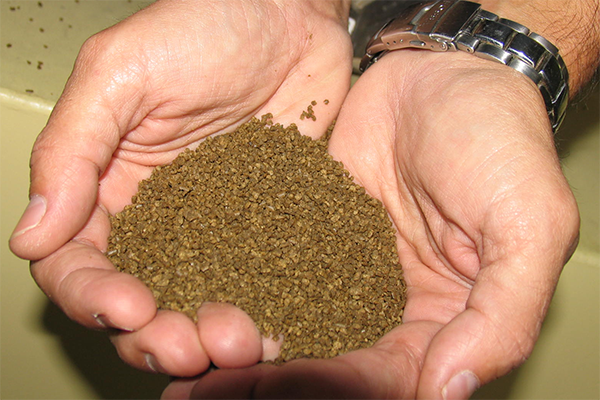
There is a strong, practical case for moving aquaculture feeds toward true precision nutrition (PN). Aquaculture feeds can tailor energy, digestible nutrients and intake factors for a given species, size, environment or health status. By using net-energy formulations, advanced ingredient assessment and digital tools, PN improves feed design, manages plant-based ingredients more effectively and boosts overall performance and sustainability.
In a review by Brett Glencross and colleagues from the U.K., Canada, The Netherlands, Norway and Spain, the authors argue that modern aquafeeds are already heading toward a precision nutrition approach, but there is still significant room to evolve beyond traditional crude nutrient specifications. Rather than formulating diets on broad population averages using gross energy and basic protein/lipid levels, PN focuses on delivering the right nutrients, in the right amounts, at the right time – tailored to species, life stage, health status, environmental conditions and production goals.
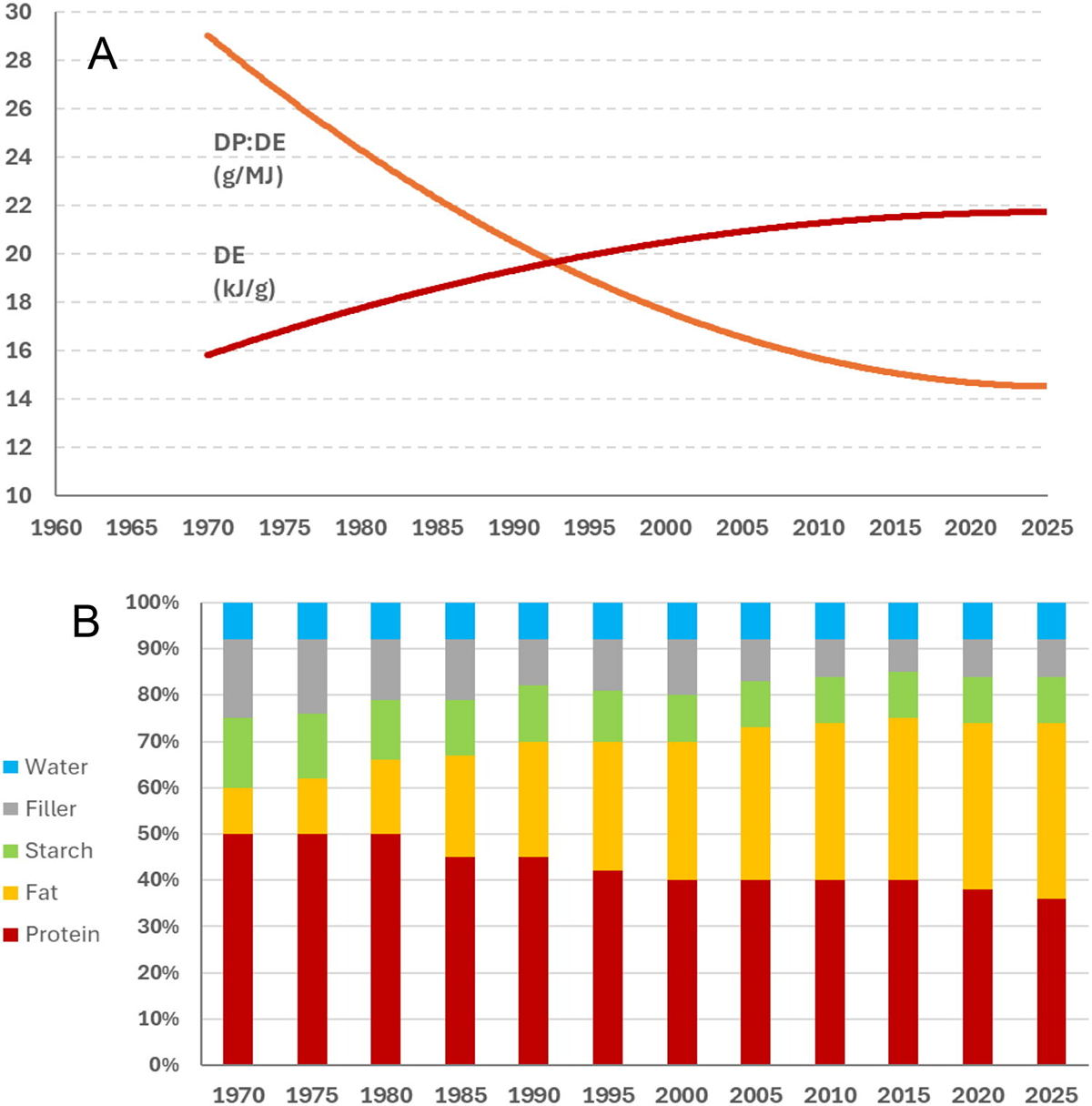
A key starting point is rethinking energy, stressing the need to move from gross energy (GE) measurements to digestible energy (DE) and ultimately net energy (NE) systems. This shift allows formulators to better account for how fish actually use protein, lipids and carbohydrates, which all have different energetic efficiencies. By formulating on a digestible- or net-energy basis, feeds become more accurate and less wasteful.
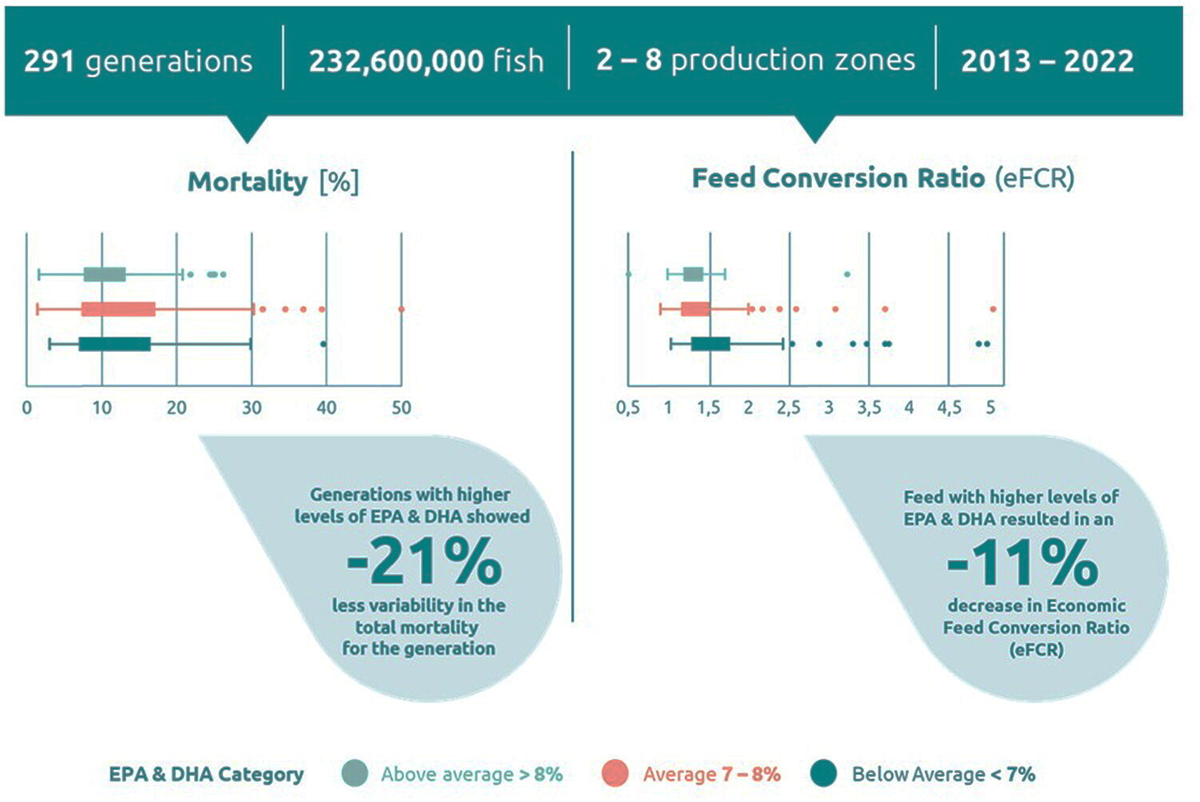
Regarding nutrients, the industry is already progressing beyond broad macronutrient supply into highly specific “discrete” nutrients – individual essential and non-essential amino acids, non-protein nitrogen compounds and particular omega-3 fatty acids like EPA and DHA. Requirements for all these nutrients change with species, age, water temperature and challenging conditions (e.g., disease or stress). Therefore, observing shifts in optimal nutrient levels under stress raises important questions regarding whether these genuine changes in metabolic demand, or simply the result of altered feed intake.
Ingredient quality receives strong emphasis: Adopting PN requires upgraded assessment strategies that combine targeted biological testing with a deeper understanding of sustainability, commercial viability and consistency. Fortunately, new digital tools – advanced databases, formulation software, near-infrared spectroscopy, big-data analytics and AI – are making this transition practical and scalable at both farm and system levels.
The study also highlights PN’s ethical advantages. By precisely matching nutrition to each cohort’s needs and environment, it prevents deficiencies or excesses that can cause health issues. Healthier fish mean better welfare, lower reliance on antibiotics and higher-quality seafood for consumers.
Relevance of research findings to the industry
For feed manufacturers, farmers and ingredient suppliers, this work offers immediate, actionable guidance. As aquaculture increasingly relies on plant-based and alternative proteins and oils, precision formulation becomes essential for maintaining palatability, growth performance and feed conversion ratios. The move to net-energy and discrete-nutrient specifications helps optimize expensive ingredients (such as crystalline amino acids or concentrated marine omega-3 sources) and reduces over- or undersupply.
The framework also supports better regional and seasonal decision-making; for example, adjusting formulations for temperature fluctuations or disease pressure. For sustainability managers, PN can help minimize nutrient waste and improve the environmental profile of feeds, strengthening certification and reporting.
Perspectives
Moving to a precision nutrition (PN) platform is a smart, practical way for aquaculture to boost both performance efficiency and sustainability. By gradually eliminating waste at every stage of feed formulation, producers can create diets that far more closely match what fish actually need.
A key part of this shift is refocusing on the real energy demands of fish. Instead of relying on crude protein and lipid values, feeds should be formulated on a digestible- and net-energy basis. This allows nutritionists to better account for how different species use protein, lipids and carbohydrates, and how those efficiencies can vary.
PN is pushing beyond basic macronutrients into much more specific discrete nutrients – like individual amino acids (essential, non-essential, and non-protein) and particular omega-3 fatty acids. Simultaneously, industry needs to recognize that nutrient requirements are dynamic, changing with species, age, water temperature and conditions.
An aquafeed is only as good as its ingredients. PN therefore demands upgraded ingredient assessment that combines advanced biological testing with a clearer view of sustainability and commercial realities. New digital tools, databases, formulation software and AI-driven big-data analysis are making this transition much easier.
Beyond efficiency gains, precision nutrition also brings real ethical benefits. By tailoring nutrition to each cohort’s specific needs and environment, it helps prevent deficiencies or excesses, improves animal welfare, reduces reliance on antibiotics and ultimately delivers healthier fish and higher-quality seafood for consumers.
eDNA-based detection of Pacific white shrimp pathogens from water and sediment samples with universal conventional PCR
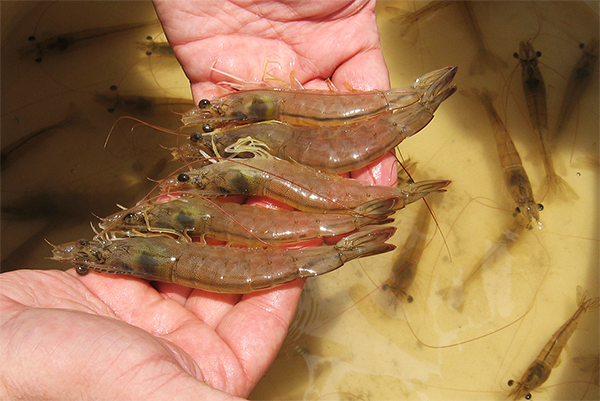
Environmental DNA (eDNA) is showing much promise as a non-invasive approach to keep monitor for infectious pathogens in aquaculture. While PCR-based detection methods are already well established for shrimp tissues, standardized protocols for testing environmental samples like pond water and sediment have been missing until now.
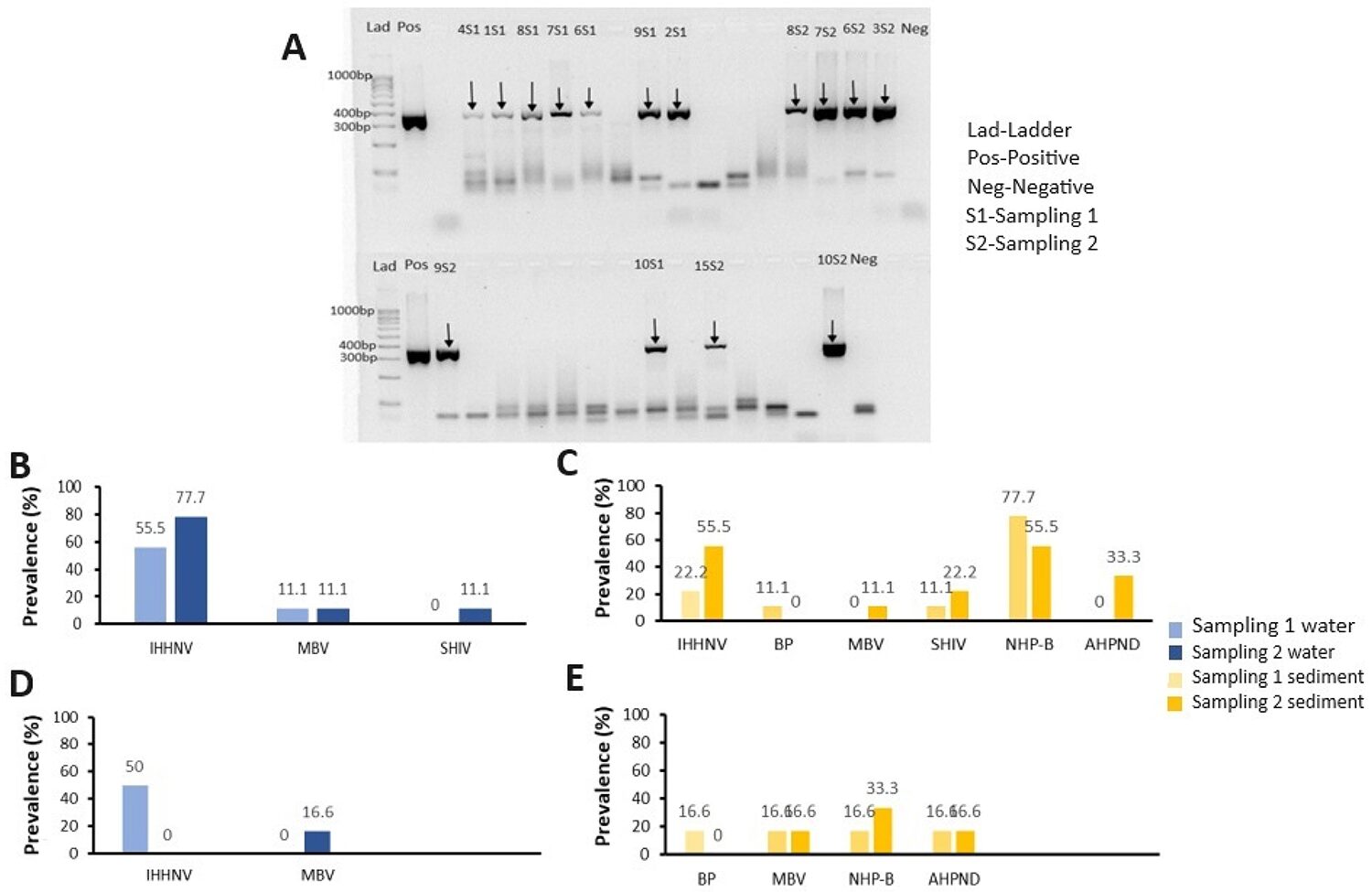
In an investigation by Mriya López-Galicia and co-workers from Mexico, the researchers developed and validated a straightforward universal conventional PCR protocol to detect DNA from major viral and bacterial shrimp pathogens directly from water and sediment. The authors tested two commercial shrimp farms in Mexico, successfully picking up six important pathogens: IHHNV, Baculovirus penaei (BP), Monodon baculovirus (MBV), Shrimp hemocyte iridescent virus (SHIV), Candidatus Hepatobacter penaei (NHP-B) and the Vibrio strains that cause acute hepatopancreatic necrosis disease (AHPND). Sequencing confirmed the results with 93–100 percent identity to known strains.
Detection rates varied significantly depending on the farm, whether the samples were water or sediment, and the sampling date – ranging from about 11 to nearly 78 percent positive samples. Interestingly, this is the first time SHIV has been detected in environmental samples in the Americas, even in places without reported outbreaks.
Generally, the protocol appears to be a practical, affordable and scalable tool for routine pathogen surveillance. It could make early disease detection much easier and strengthen biosecurity and risk management across shrimp farming operations.
Relevance of research findings to the industry
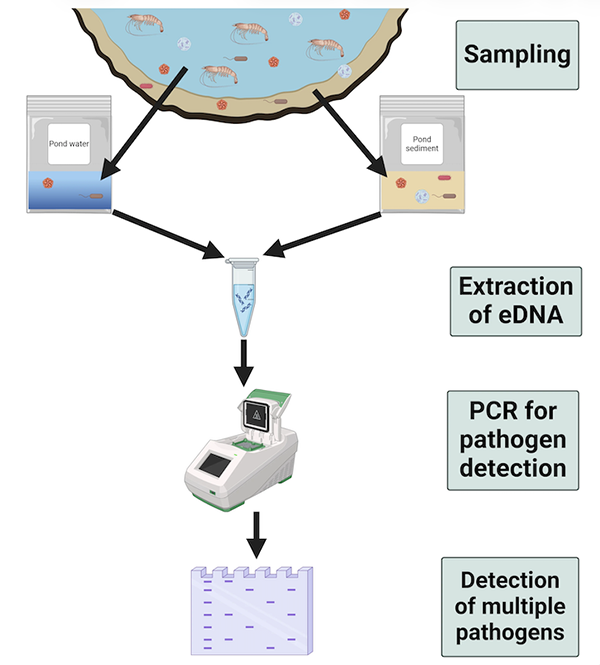
For shrimp farmers, hatchery managers and biosecurity teams, this method is immediately useful. Traditional pathogen monitoring often relies on sampling individual shrimp, which is invasive, labor-intensive and can miss early or low-level infections. By contrast, collecting water and sediment is quick, non-destructive and can be done repeatedly without disturbing the cultured stock.
The ability to screen for multiple pathogens in one PCR run reduces costs and turnaround time – critical in an industry in which disease outbreaks (especially AHPND and viral infections) can wipe out entire ponds overnight. The detection of SHIV in environmental samples, even without clinical signs, highlights how eDNA monitoring can serve as an early-warning system, allowing farms to adjust management practices (water exchange, feed, stocking density) before problems escalate.
Feed companies, certification bodies and regulators will also benefit from cleaner, more proactive health data that support traceability claims, sustainability certifications and risk assessments. In regions like Southeast Asia and Latin America, where P. vannamei dominates production, this approach could become a standard part of integrated health management programs.
Perspectives
Results of this study provide a practical, low-cost conventional PCR method using eDNA from pond water and sediment to monitor multiple major shrimp pathogens at the same time. It’s a real step forward for routine biosecurity and early-warning surveillance in global shrimp farming.
The method described has some limitations: Because the authors used universal PCR conditions to cover several pathogens at once, sensitivity can be lower than single-target assays. But results showed this can be improved simply by running 45 amplification cycles and multiplexing several primer sets in one reaction. Switching to using quantitative PCR (qPCR) would boost sensitivity further but would have a higher cost.
Importantly, the findings stress that detecting a pathogen’s DNA in the environment doesn’t automatically mean the shrimp are actively infected – it only shows the pathogen is present in the pond. Also noted are that observed differences in detection rates between the two farms and between water versus sediment samples are descriptive trends only, since no formal statistical tests were performed.
By making pathogen surveillance cheaper and easier, this research helps move the industry toward preventive rather than curative health management – a shift that benefits farmers’ bottom lines, animal welfare and the long-term sustainability of one of the world’s fastest-growing food sectors. Overall, the work highlights the value of water- and sediment-based eDNA monitoring for strengthening disease risk assessment.
Now that you've reached the end of the article ...
… please consider supporting GSA’s mission to advance responsible seafood practices through education, advocacy and third-party assurances. The Advocate aims to document the evolution of responsible seafood practices and share the expansive knowledge of our vast network of contributors.
By becoming a Global Seafood Alliance member, you’re ensuring that all of the pre-competitive work we do through member benefits, resources and events can continue. Individual membership costs just $50 a year.
Not a GSA member? Join us.
Author
-

Editor Emeritus
Related Posts
Intelligence
European aquaculture group calls for crackdown on misleading ‘seabass’ labels
FEAP calls for stricter seafood labeling to stop misidentified “seabass,” protect consumers and safeguard European aquaculture.

Health & Welfare
Evaluating physiological, energetic, nutritional requirements of southern king crab
Study evaluates physiological, energetic and nutritional requirements of southern king crab, an emerging aquaculture candidate species in South America.
Aquafeeds
Spotted sea trout studies identify nutrition requirements, benefit of exercise
The authors performed nutrition studies to determine a maximized efficiency of yield in spotted sea trout. Fry were “forced” to swim against a steady current to gauge the effectiveness of increased exercise.

Aquafeeds
Biotech entrepreneurs: The need to scale up and adopt novel aquafeed ingredients is urgent
Assembled by F3, the Future of Fish Feed, biotech entrepreneurs gave updates on the scale-up and adoption processes for novel aquafeed ingredients.