Fisheries
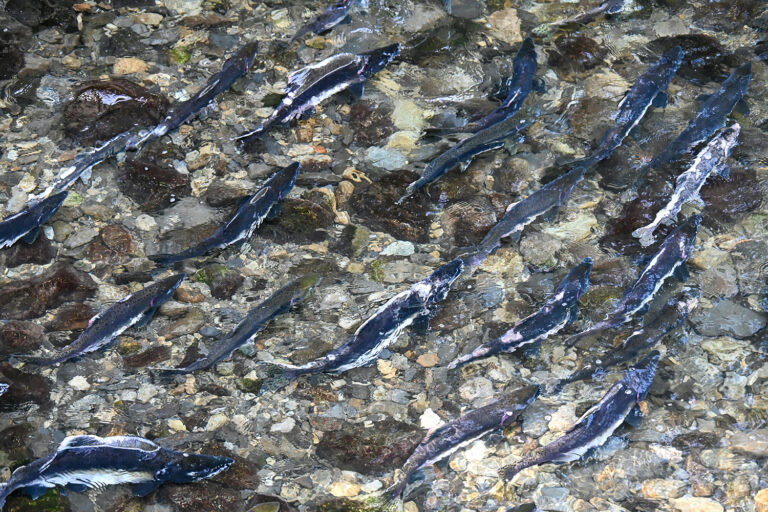
Salmon-counting could be a breeze as environmental DNA technology advances
Study shows that environmental DNA (eDNA) can be detected in the air with no power sources, a potential boon for salmon fisheries managers.


Intelligence
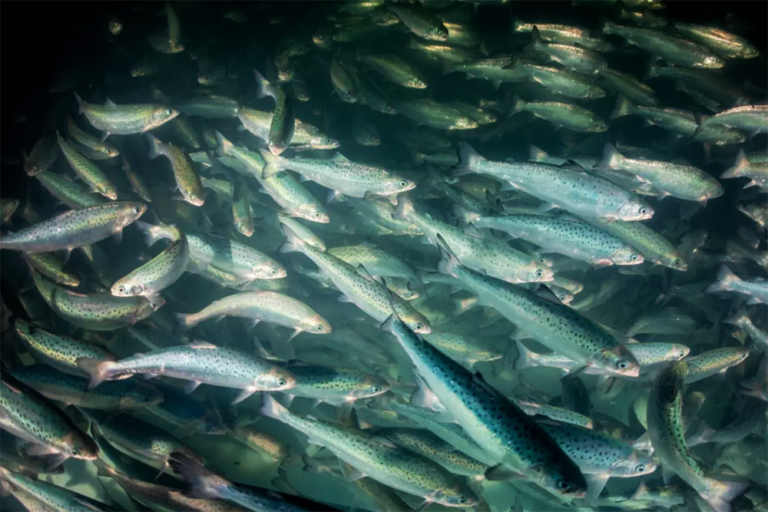
This review of recent aquaculture literature looks at bioenergetic models for food systems, feed formulations and applications for environmental DNA.
Fisheries
Study shows that environmental DNA (eDNA) can be detected in the air with no power sources, a potential boon for salmon fisheries managers.
Fisheries
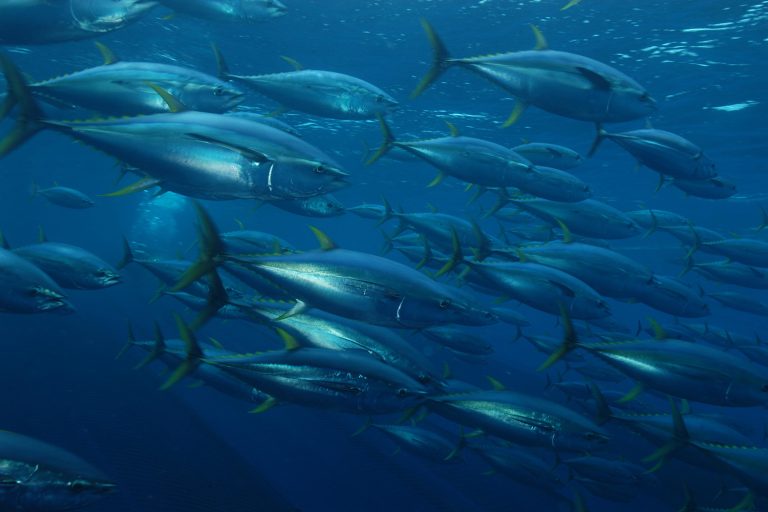
Using eDNA technology for monitoring the Western Indian Ocean and other areas could support sustainable management of fisheries resources.
Fisheries
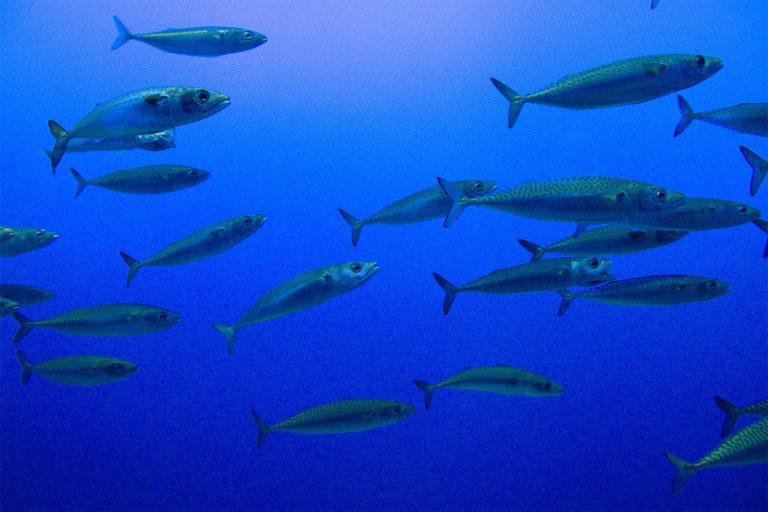
The complementary strengths of each method of fisheries analysis support the understanding of spatiotemporal dynamics of fish communities.
Responsibility
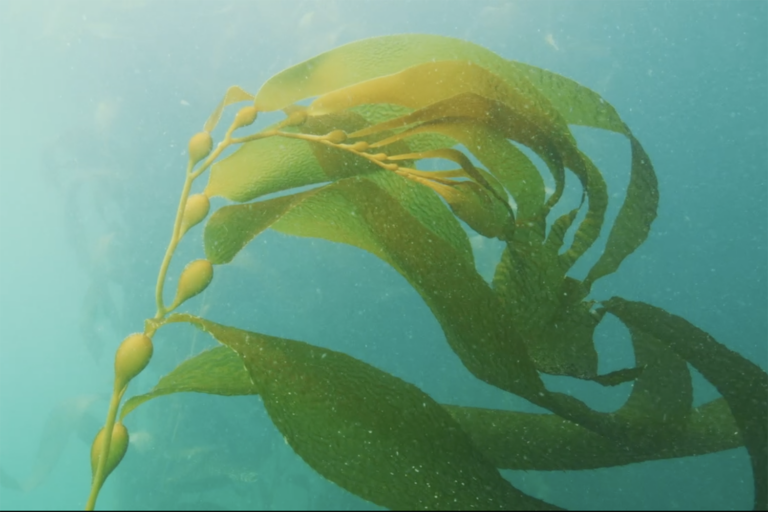
Researchers in New Zealand use environmental DNA to track carbon from giant kelp and assess its potential for carbon sequestration and climate solutions.
Intelligence
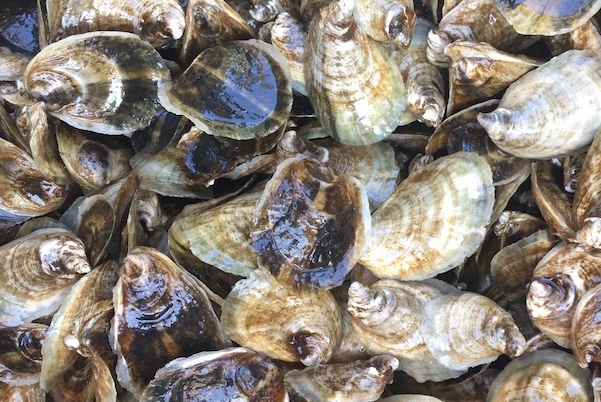
A new environmental DNA tool under development aims to advance early detection and tracking of deadly MSX and Dermo oyster parasites.
Intelligence
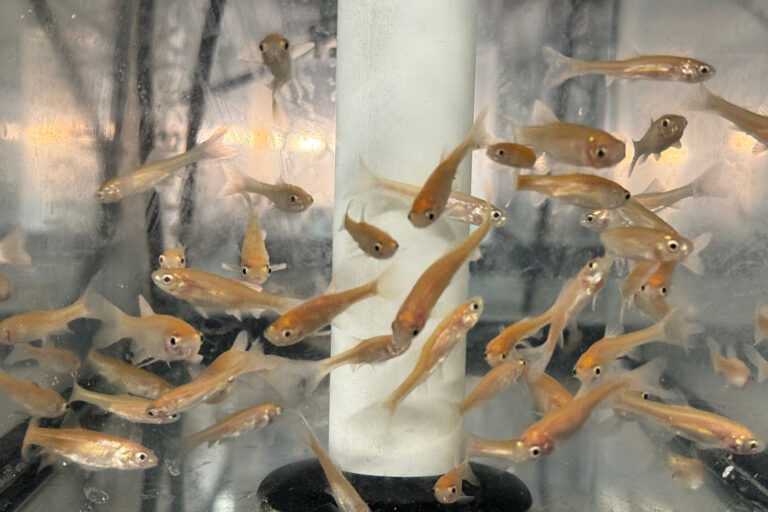
Can eDNA elicit insights into ocean biodiversity off the Ogasawara Islands, with implications for aquaculture monitoring?
Fisheries
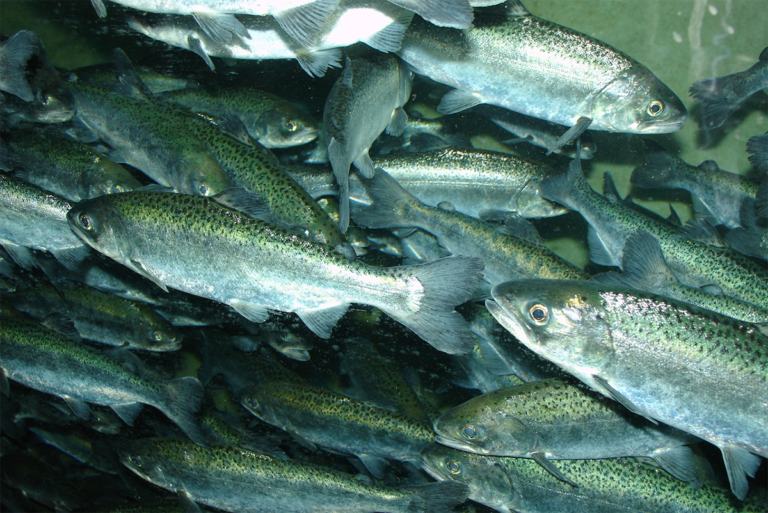
Through development and refinement, eDNA approaches will become increasingly available to managers of Atlantic and Pacific salmon fisheries.
Fisheries
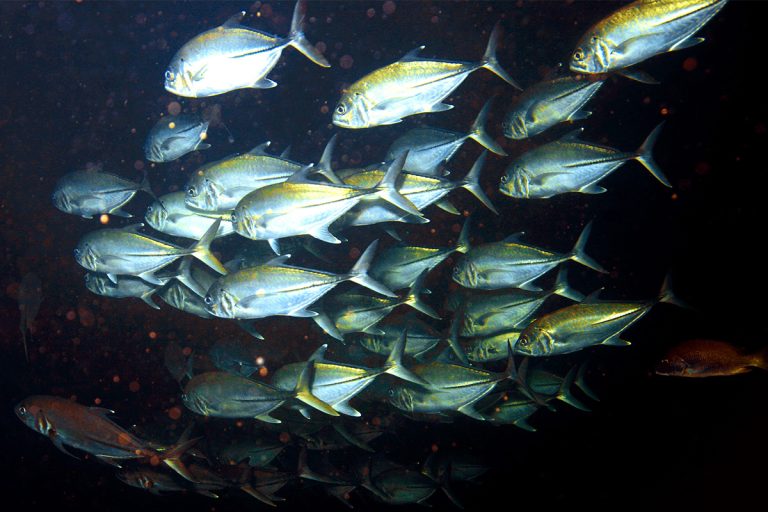
This research supports a future molecular database for fish stock identification, genetic health, understanding population patterns and management.
Health & Welfare
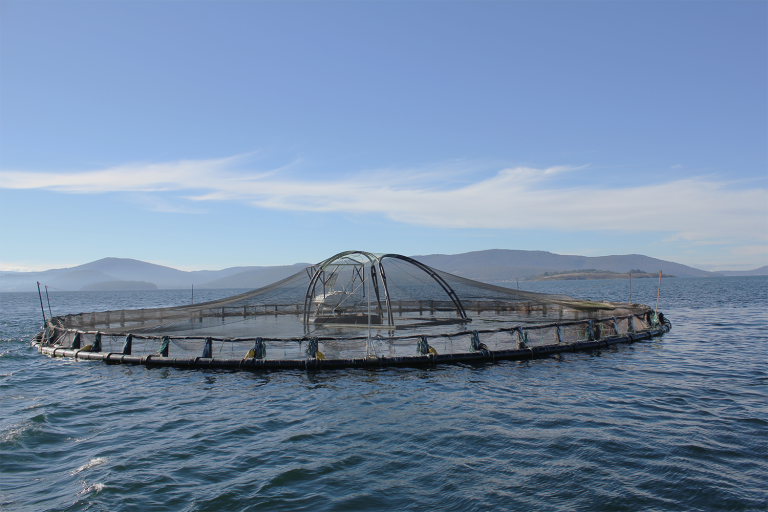
Novel study uses fully automated L. salmonis eDNA quantification for autonomous water sample analysis of gene targets to monitor parasitic loads.
Health & Welfare
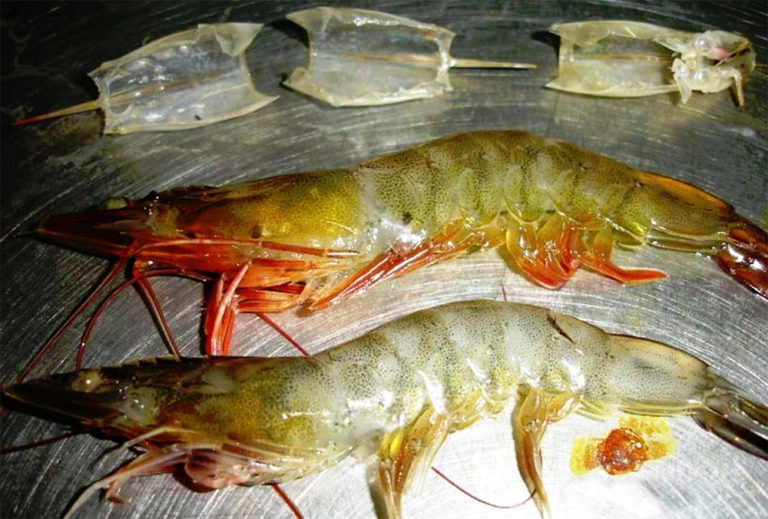
Authors argue that interventions – like automated detection of pathogens and remote sensing applications – can help mitigate aquaculture's disease crisis.
Health & Welfare
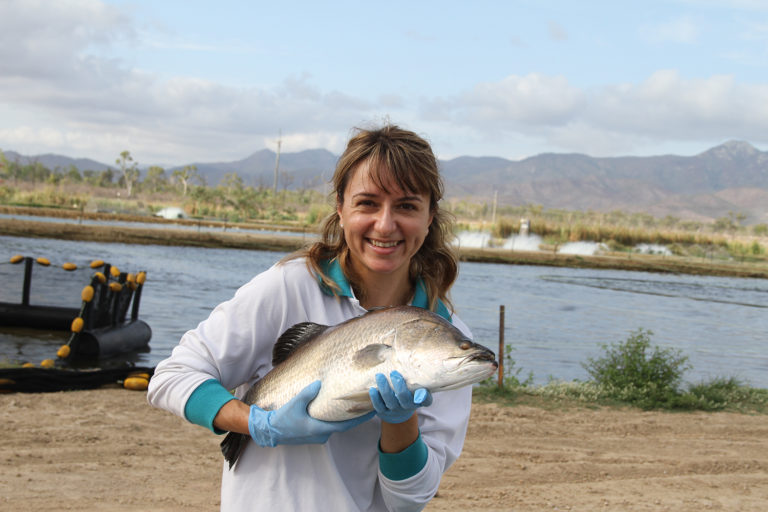
This article presents the results of a study using environmental DNA methodology for the early detection and quantification of various pathogens in farmed barramundi, where the technique showed to be a powerful and novel tool to predict fish mortalities.