


Freshwater Institute: Membrane bioreactors cut RAS water use

Technology filtered and treated wastewater before recirculation, helping remove waste and maintain water quality

A four-month trial at the Freshwater Institute found that membrane bioreactor technology reduced water use in recirculating aquaculture systems (RAS) by 94 percent without affecting rainbow trout growth or survival.
The study, published in Aquacultural Engineering, compared standard RAS with systems equipped with multi-vessel membrane bioreactors, which treated and recycled wastewater from drum filter backwash and solids flushing before returning it to the system.
The membrane bioreactor systems reduced make-up water use from about 2,004 liters per day to 129 liters per day, cutting water exchange rates from 21 percent to 1.4 percent.
The technology filtered and treated wastewater before returning it to the system, helping remove waste and maintain water quality while reducing the need for fresh water. Air pulses were also used to keep the membranes clean and improve system performance.
![Ad for [membership]](https://www.globalseafood.org/wp-content/uploads/2025/07/membership_web2025_1050x125.gif)
Rainbow trout performed similarly in both systems during the trial, with fish growing from about 1 kilogram to 2.8 kilograms and survival rates reaching 96 percent. The membrane bioreactor systems also showed lower rates of deformities.
The study reported that the systems removed more than 97 percent of nitrate nitrogen when enough supplemental carbon was added to support treatment performance. Low-dose ozone also improved water clarity and reduced concentrations of some metals in the low-exchange systems.
According to the researchers, the trial showed membrane bioreactors could be integrated into RAS to sharply reduce water use, potentially expanding aquaculture development into areas with limited water supplies or strict discharge regulations.
However, they noted that successful operation would require experienced staff, robust monitoring systems and further analysis of costs, energy use, and long-term performance.
Now that you've reached the end of the article ...
… please consider supporting GSA’s mission to advance responsible seafood practices through education, advocacy and third-party assurances. The Advocate aims to document the evolution of responsible seafood practices and share the expansive knowledge of our vast network of contributors.
By becoming a Global Seafood Alliance member, you’re ensuring that all of the pre-competitive work we do through member benefits, resources and events can continue. Individual membership costs just $50 a year.
Not a GSA member? Join us.
Author

Related Posts
Intelligence
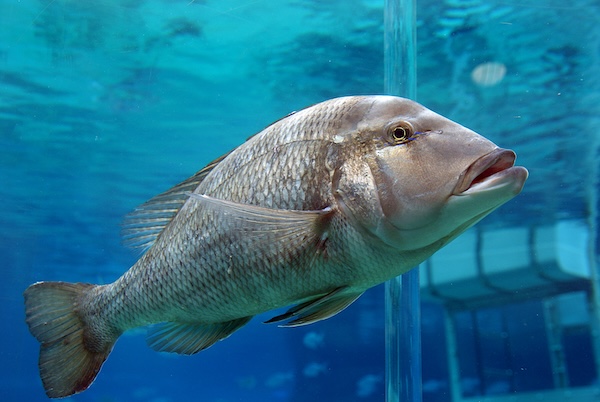
Research team is first to farm Queensland giant grouper in Europe using a recirculating aquaculture system
Using a recirculating aquaculture system, researchers successfully farmed the Queensland giant grouper in Europe for the first time.
Innovation & Investment
Oceanloop nets millions in loans to build first land-based shrimp farm in Spain
Oceanloop's $38 million loan will be used to build a land-based shrimp farm in Spain and expand operations in Germany.

Innovation & Investment
Novel technology addresses off-flavors, water mold for RAS production
New fiber technology reduces off-flavors and water mold in recirculating aquaculture systems (RAS), boosting efficiency and improving fish quality.
Health & Welfare
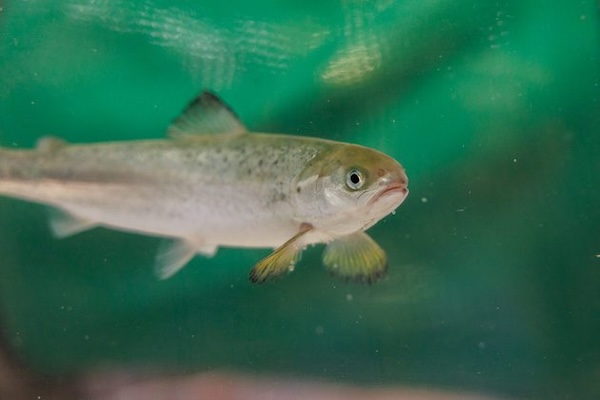
Study reveals how salmon adapt to low hydrogen sulfide in RAS
Study shows salmon can adapt to low hydrogen sulfide in recirculating aquaculture systems, improving fish health and aquaculture practices.