


The Caribbean looks to aquaculture to secure a viable food future

Caribbean aquaculture could strengthen food security, but climate risks, funding gaps and training remain barriers.
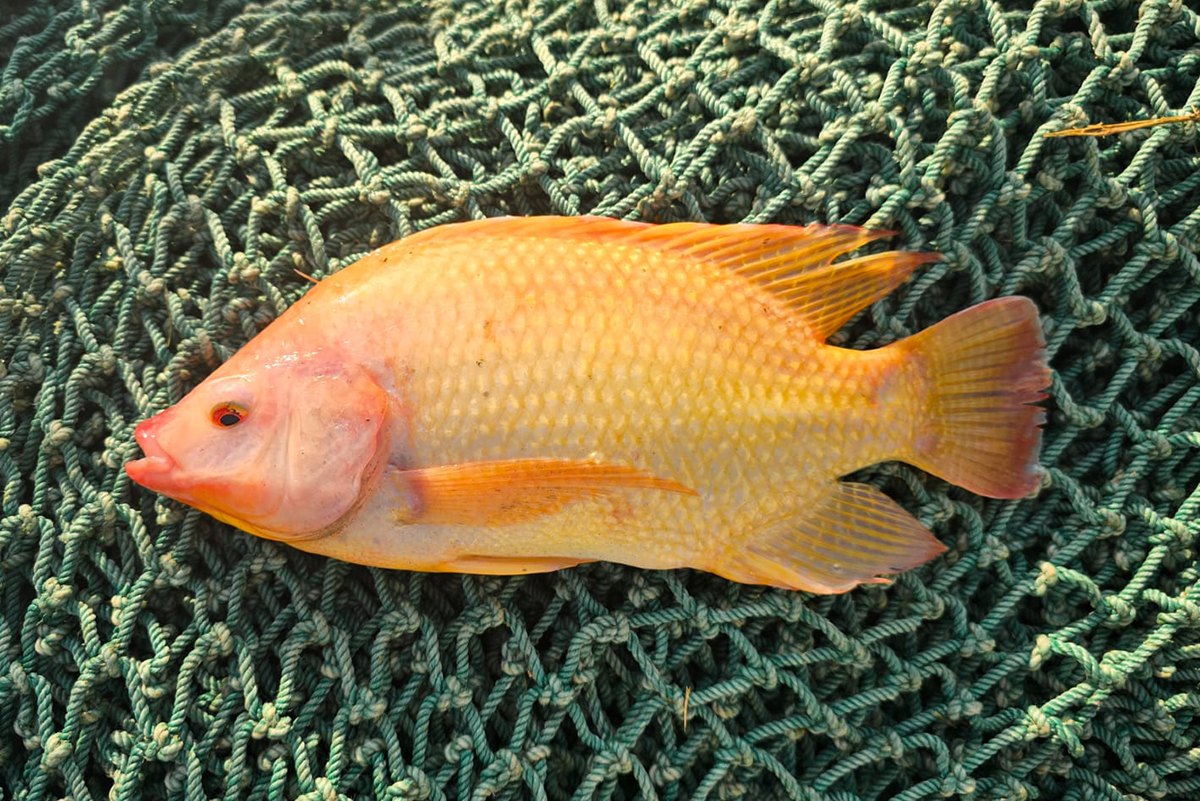
Aquaculture has the potential to reshape how the Caribbean region feeds itself, but fish farming success there will depend on their ability to navigate unique environmental, economic and regulatory challenges.
Aquaculture is increasingly seen as a key resilience strategy for the Caribbean as climate change intensifies pressure on capture fisheries, coastal livelihoods and food security. Rising sea temperatures, hurricanes and declining wild fish stocks are pushing governments and communities to rethink aquatic food production, with Caribbean aquaculture offering not just a technical fix but also a socioeconomic tool to stabilize incomes, diversify livelihoods and improve food security in small island states.
To boost local fish production and ease pressure on wild stocks, Jamaica’s government, through its National Fisheries Authority (NFA), is promoting wider adoption of tilapia farming, particularly red hybrid tilapia in ponds. The aim is to protect reef fisheries while strengthening food security, reducing fish imports and supplying export markets. However, the sector continues to face significant constraints, including high feed and energy costs, exposure to hurricanes and tropical storms, limited access to finance and gaps in government support frameworks.
Covering 150 hectares, with 40 hectares dedicated to aquaculture, Longville Park tilapia farm in Clarendon, Jamaica, produces about 37 percent of Jamaica’s tilapia supply. The farm raises red tilapia alongside redclaw crayfish and Malaysian shrimp, operates an on-site tilapia hatchery, and grows fish to market size in intensive and semi-intensive earthen ponds, selling them live. Donovan Bunting, who runs the farm with his father Donnie Bunting, says challenges like climate change are already taking a toll on operations.
![Ad for [membership]](https://www.globalseafood.org/wp-content/uploads/2025/07/membership_web2025_1050x125.gif)
“Rising temperatures and a seven-year drought have effectively erased Jamaica’s rainy season, resulting in major fish kills,” Donovan told the Advocate. “Climate change has worsened the situation, leading to tilapia shortages and this, in turn, will increase imports of cheaper, low-quality fish. Once consumers adjust to that, it will be hard to win them back. Still, the future is bright: If we can return to our production levels from two years ago, we can stabilize first and then look to grow.”
The Buntings say that further investment is needed in hatcheries and aeration systems, alongside support in areas such as broodstock and genetics, as well as infrastructure like processing plants to enable value-added products. They hope that greater support for tilapia production will drive farm development and increase output.
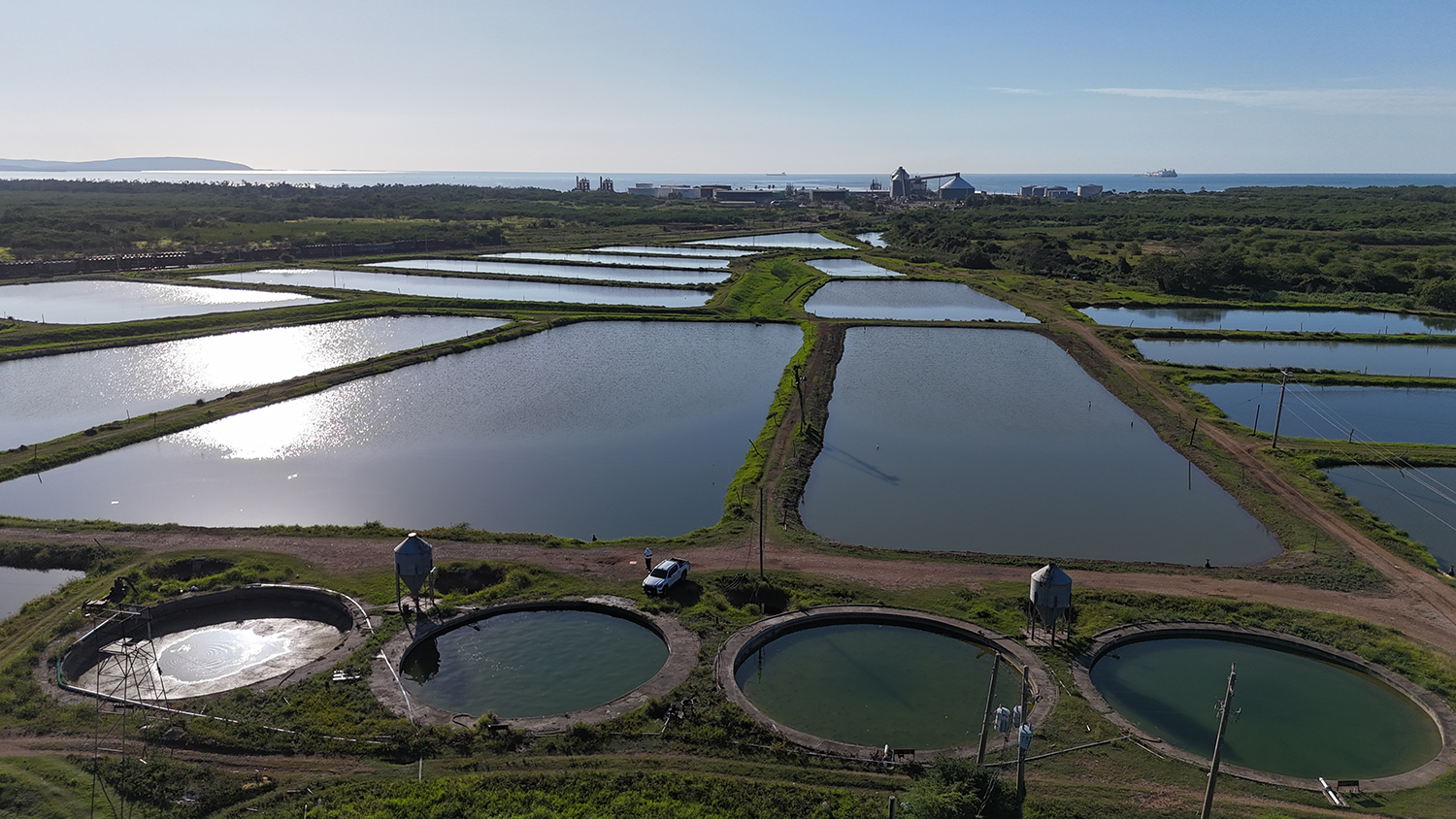
“We’ve had some support, such as duty and tax relief on essential aquaculture equipment, and the government has supplied broodstock to local farmers before,” said Donovan. “But progress slows as things become more bureaucratic and much more is needed on our farm in terms of facilities and equipment. The tilapia sector has strong market potential – there are new people in farming who are eager and interested, prospects are good, and the market is there – but trust remains a major issue, especially between farmers and the government. If there was a university or government outside Jamaica that is willing to participate in a public/private partnership within the tilapia sector, that would be a huge help.”
Another major constraint is limited farmer education and technical expertise, which often leads to operational failures. Gaps in training around water quality, feeding and disease management can result in low yields and high early-stage losses, slowing sector growth. Donnie Bunting says that significant investment is needed in training, research and strengthening the business side of tilapia farming.
“Very few farmers here have a formal aquaculture background, and the industry lacks trained, experienced people,” he said. “Key concepts like nutrition, genetics and broodstock management are often missing, while even graduates may lack practical skills and know nothing about farming because they don’t learn a lot about aquaculture. To have a healthy farming sector, it is vital that training facilities and support are easily available to farmers.”
Jamaican aquaculture scientist Dr. Juli-Anne Royes Russo has long aspired to see aquaculture succeed in the region where she grew up, but she understands that numerous obstacles remain before this goal can be achieved.
“Jamaica faces real barriers to aquaculture, but stronger education and investment in entrepreneurship could create a more supportive ecosystem for small-scale farmers and young people,” she said. “There is limited understanding of aquaculture’s role, or the blue economy, and it is too often reduced to tilapia. Expanding into coastal and marine species and embedding the sector in stronger secondary and tertiary education would help create opportunities for the next generation, while entrepreneurship support would allow them to build careers in aquaculture after they graduate.”
In 2021, after launching a Caribbean aquaculture networking platform during the COVID-19 pandemic, Russo founded Women in Caribbean Aquaculture (WiCA) in 2023 to highlight female aquaculture scientists in the region. Building on this collaboration, WiCA helped establish the Caribbean Aquaculture Education and Innovation Hub in March 2024, the first woman-founded organization dedicated to advancing aquaculture in the region.
“We have established a science advisory board of volunteer scientists from across the Caribbean, the USA and Europe to help shape the Hub’s education and investment strategy,” said Russo. “This includes the Youth in Caribbean Aquaculture next-generation program, supported by feed company BioMar, the Henri Green Global Community Fund and our Caribbean Aquaculture Network, delivering online training through a partnership with Cataret Community College in North Carolina. The program aims to close education, knowledge and generational gaps by training young scientists and promoting aquaculture as a science, technology, engineering and math (STEM) discipline. There are also plans to work with other organizations to teach global aquaculture, Caribbean-focused systems design and provide hands-on farm experience.”
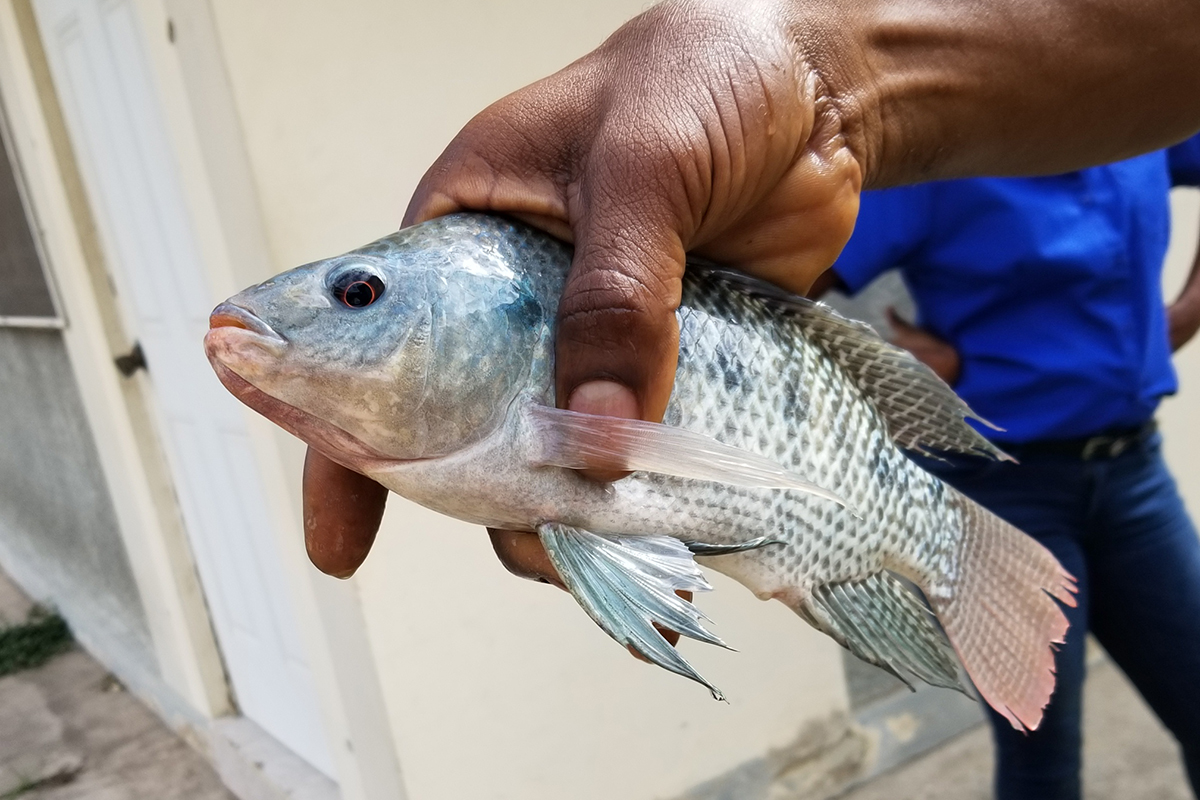
While Russo emphasizes education and training, she says farmers also need stronger support to start and scale up. Access to finance remains a major barrier, as many funders underestimate aquaculture’s potential for food security, marine conservation and job creation. This underscores the need for a shared vision and greater long-term investment in both education and funding.
At the same time, species like sea moss, sea cucumbers and sea urchins offer opportunities not just for food but also for employment. Using seaweed as an example, Russo points to a full value chain with products ranging from food to cosmetics, reinforcing her view that aquaculture is vital for food security in local communities.
“Progress depends on a stronger understanding of the science,” she said. “Lucrative areas, like ornamental fish farming, have stalled in the Caribbean due to limited scientific investment. Small-scale, family-run farms can support food security, but they’re often overlooked in favor of large projects. We need to get these science-based systems right first, so families can feed themselves, manage disease, and scale up – but not enough is being done yet.”
Despite the challenges, aquaculture is essential in the Caribbean to boost food security, meet local seafood demand, reduce costly imports, create jobs, diversify economies and ease pressure on overfished stocks, especially as climate change affects traditional fisheries. Jason Grant, scientific officer and aquaculture manager at the Discovery Bay Marine Laboratory and Field Station, a facility of The University of the West Indies, Mona, agrees with Russo that attracting more people to aquaculture – through education, talk shows, radio programs, or opportunities to taste farmed species – is key to growing the sector.
“In Jamaica, training is essential to make aquaculture commercially viable,” said Grant. “With proper knowledge and resources, people are more likely to invest their time and effort, and strong training also tends to improve access to infrastructure and financing. Current funding is limited, restricting growth, so expanding training, awareness and opportunities through educative talks, seminars and workshops are all important.”
Could the Caribbean one day become a place where new examples of resilient, inclusive, climate-adapted aquaculture emerge?
“Aquaculture is something that we as a people should develop as much as possible,” said Grant. “Jamaicans are adaptable and can shift their livelihoods toward what benefits them. What we need now is interest, inspiration and focus. Once we recognize aquaculture as a key part of our future, there’s nothing to stop us.”
“I believe that the Caribbean can set an example,” said Russo. “Our education system and scientific capacity are strong, but many graduates leave to work elsewhere, so we need to engage them early. We can use our research to develop systems that work anywhere, withstand extreme conditions and explore new species. Success depends on a complete vision and investment in genetics, local aquafeed and aquatic animal health support.”
Now that you've reached the end of the article ...
… please consider supporting GSA’s mission to advance responsible seafood practices through education, advocacy and third-party assurances. The Advocate aims to document the evolution of responsible seafood practices and share the expansive knowledge of our vast network of contributors.
By becoming a Global Seafood Alliance member, you’re ensuring that all of the pre-competitive work we do through member benefits, resources and events can continue. Individual membership costs just $50 a year.
Not a GSA member? Join us.
Author
-

Senior Writer Bonnie Waycott became interested in marine life after learning to snorkel on the Sea of Japan coast near her mother’s hometown. She specializes in aquaculture and fisheries with a particular focus on Japan, and has a keen interest in Tohoku’s aquaculture recovery following the 2011 Great East Japan Earthquake and Tsunami.
Related Posts
Responsibility
A wider view: Conservation aquaculture anchors coral reef restoration
Half a billion people depend on coral reefs for food, income, coastal protection and more. The need to protect and restore their biodiversity is urgent.
Responsibility
Bahamas aquaculture project to restore queen conch and support sustainable fisheries
New Bahamas project to restore queen conch will grow 2,000 juveniles yearly and train locals in sustainable fishing and conservation.