


Translucent Post-larvae Disease beyond China: From outbreak recognition to diagnostic readiness

Recent studies are providing shrimp hatcheries with stronger tools to recognize, characterize and screen for translucent post-larvae disease (TPD) in Pacific white shrimp
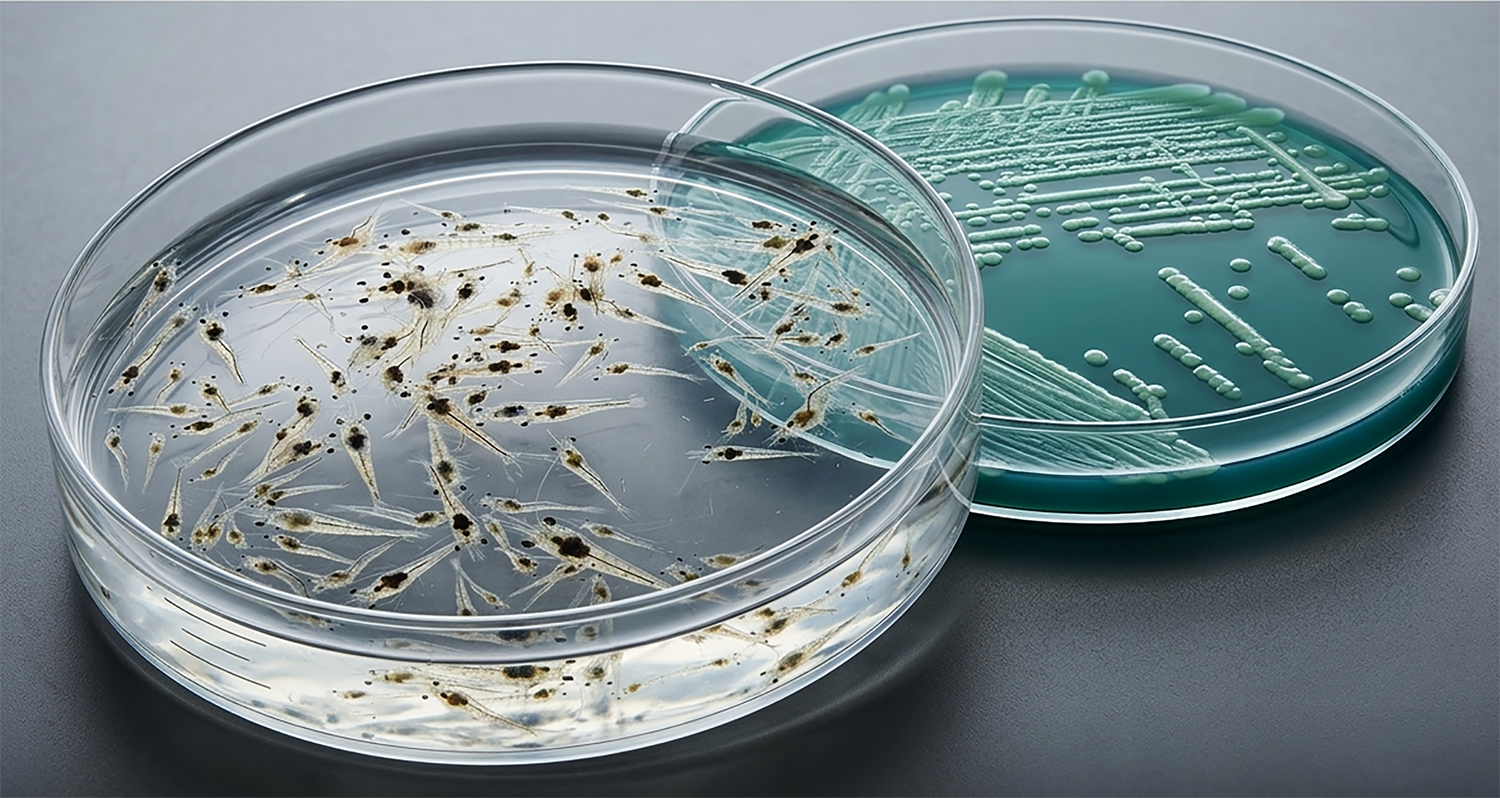
When shrimp hatcheries lose post-larvae, losses can escalate quickly. A tank that appears manageable in the morning may deteriorate sharply by the end of the day, leaving hatchery personnel with little time to respond and even less time to determine the cause(s). That is what makes translucent post-larvae disease (TPD) such a serious concern. It affects shrimp at one of the most vulnerable stages of production, when animals are fragile, movement decisions are time-sensitive, and delayed diagnosis can translate directly into significant economic loss.
Since its initial report in China in 2020, TPD has evolved from an emerging disease into a significant hatchery challenge, with important implications for production, animal movement and biosecurity. Three recent studies from our group help move the discussion beyond outbreak recognition alone and toward a more useful framework based on causation, pathology and dependable detection. Together, these studies address three questions that matter directly to hatchery operations: What is causing these mortalities? What kind of tissue damage does the pathogen produce? And can hatcheries screen stocks before animals are transferred to another hatchery, nursery or farm?
This article is adapted and summarized from three original publications (PLOS One; Microbial Genomics; Journal of Microbiological Methods) that point to a defined Vibrio parahaemolyticus problem, a distinct toxin-associated virulence system and an approach based on a validated quantitative polymerase chain reaction (qPCR, a technique that combines amplification of a target DNA sequence with quantification of the concentration of that DNA species in the reaction) for surveillance. In practical terms, this means TPD can now be understood not only as a field syndrome, but also as a disease with a clearer biological basis and a growing set of tools for hatchery decision-making.
Study setup
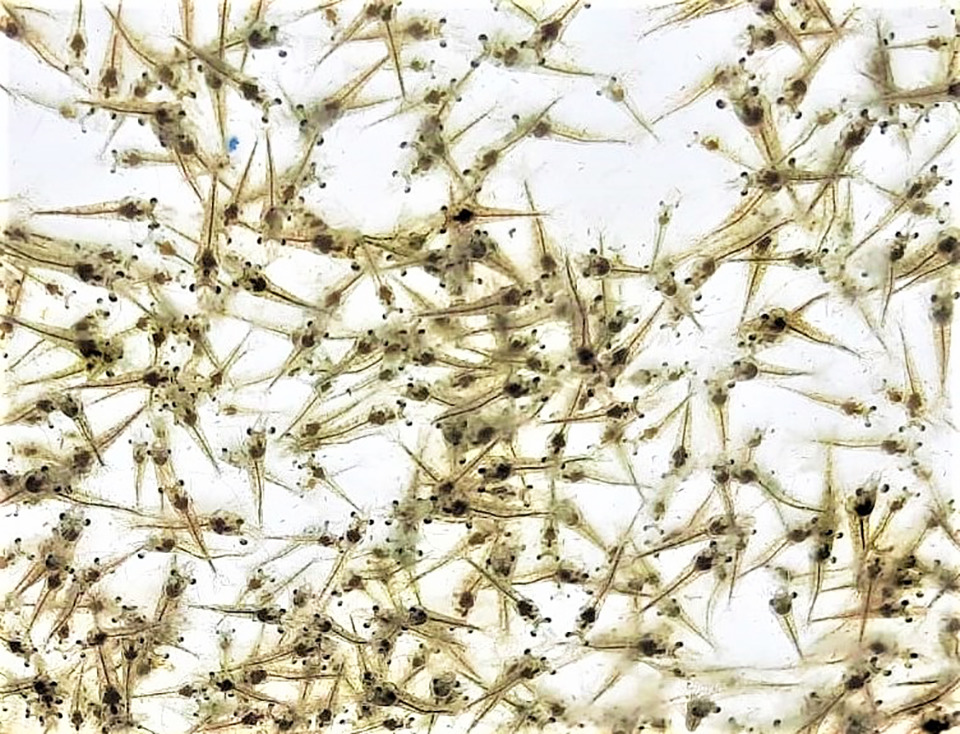
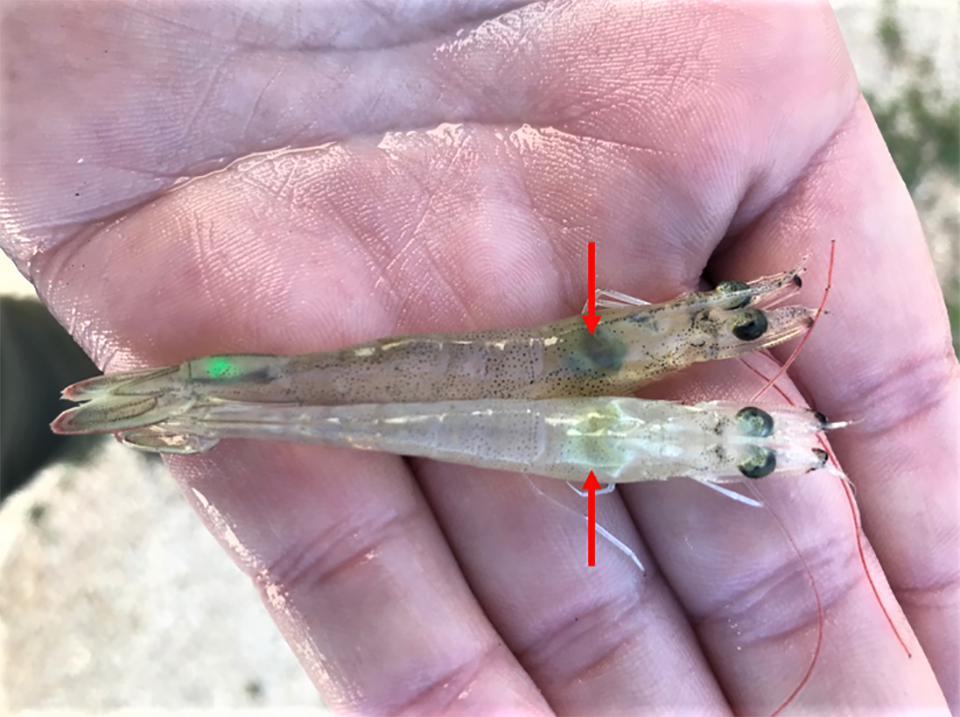
The first study began with a diagnostic case from a shrimp hatchery in Southeast Asia outside China. The hatchery was experiencing sudden and severe mortality in Pacific white shrimp (Penaeus vannamei) post-larvae, with cumulative losses exceeding 70 percent within five days. Affected animals showed the signs now strongly associated with TPD: a pale hepatopancreas, a pale or empty digestive tract and a translucent body.
![Ad for [Aquademia]](https://www.globalseafood.org/wp-content/uploads/2025/07/aquademia_web2025_1050x125.gif)
From these diseased post-larvae, we isolated a bacterial strain designated AG1 and identified it as V. parahaemolyticus. This finding was important because it established the first confirmed report of a TPD-associated V. parahaemolyticus strain (VTPD) from shrimp originating outside China. That expands the TPD story in an important way. The disease is no longer relevant only to its original reports, but also to hatcheries outside China that may face similar biosecurity risks.
The second study examined the same strain at the genomic level. Whole-genome sequencing showed that AG1 has a genome of approximately 5.5 Mb organized into two chromosomes and three plasmids. One of those plasmids carried three virulence-associated genes, vhvp-1, vhvp-2 and vhvp-3, which have been linked to TPD. This study was designed to clarify how the strain causes disease and how it compares with previously reported TPD strains from China.
The third study focused on a practical need shared by hatcheries and diagnostic laboratories: reliable detection. In this work, three TaqMan (hydrolysis probes designed to increase the specificity of quantitative PCR) real-time PCR assays were developed to target vhvp-1, vhvp-2 and vhvp-3 using a World Organisation for Animal Health (WOAH)-style assay development and validation framework. The goal was to provide a more dependable tool for diagnosis, routine screening and movement-related biosecurity.
Results and discussion
One of the clearest outcomes of the first study was that AG1 fits the TPD profile rather than the acute hepatopancreatic necrosis disease (AHPND) profile. PCR screening detected vhvp-1 and vhvp-2, but the isolate lacked the pirA/pirB toxin genes associated with AHPND. This distinction is important because early mortality events in hatcheries are often broadly grouped under general labels such as “vibriosis” or assumed to follow more familiar diagnostic patterns. Our findings show that TPD should not simply be treated as another form of AHPND. Although both are associated with Vibrio, they involve different virulence systems and therefore require different diagnostic targets.
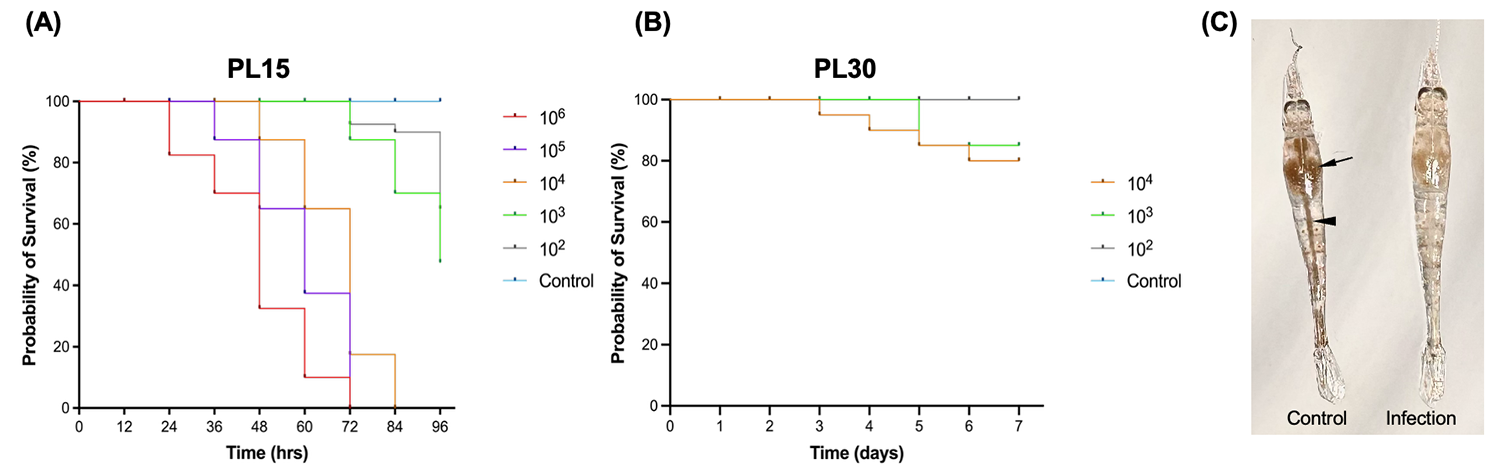
Challenge experiments further confirmed the high virulence of AG1. In PL15 shrimp, immersion exposure caused marked dose-dependent mortality, with an LC50 of 8.51 × 10² CFU/mL at 96 hours. By contrast, larger PL30 shrimp were less susceptible, suggesting that host size or developmental stage influences disease outcome. For hatcheries, this is one of the most useful practical findings. The earliest post-larval stages appear to be the most vulnerable, making them the highest-priority window for monitoring and screening.
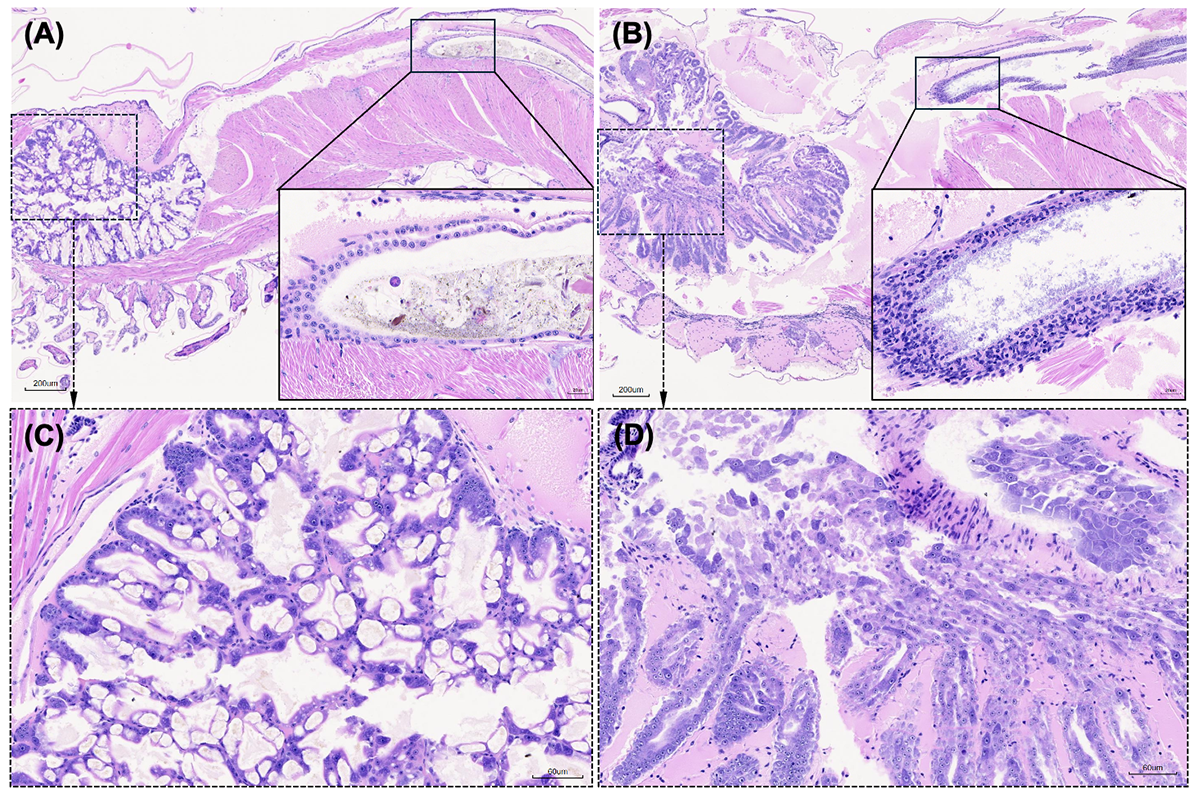
Histopathology added another important dimension to the disease profile. Infected post-larvae showed hepatopancreatic degeneration characterized by tubular necrosis, tubule epithelial cell sloughing and bacterial invasion. However, the lesions were not confined to the hepatopancreas. A notable additional finding was hemocytic enteritis, characterized by loss of intestinal mucosal epithelium, marked inflammation and formation of a thick hemocyte layer in the intestine. These observations suggest that TPD is not simply a hepatopancreatic disease. The intestine also appears to be an important target organ, and that broader tissue involvement may help explain the speed and severity with which the disease progresses in fragile early post-larval shrimp.
The genome study provided a second line of evidence that this pathogen is biologically distinct. AG1 carried its three TPD-associated genes on a plasmid of approximately 69.7 kb. Although this plasmid is shorter than the larger TPD plasmid previously reported from China, it retains the virulence-associated region. The vhvp genes in AG1 showed high similarity to those of the Chinese reference strain, and the encoded proteins contained domains consistent with a Tc-like toxin complex. In practical terms, this indicates that TPD is associated with a specialized toxin system rather than the better-known pirA/B toxins involved in AHPND. This distinction strengthens the biological basis for treating TPD as a separate disease entity and highlights the importance of targeting the correct virulence markers in diagnostic assays.
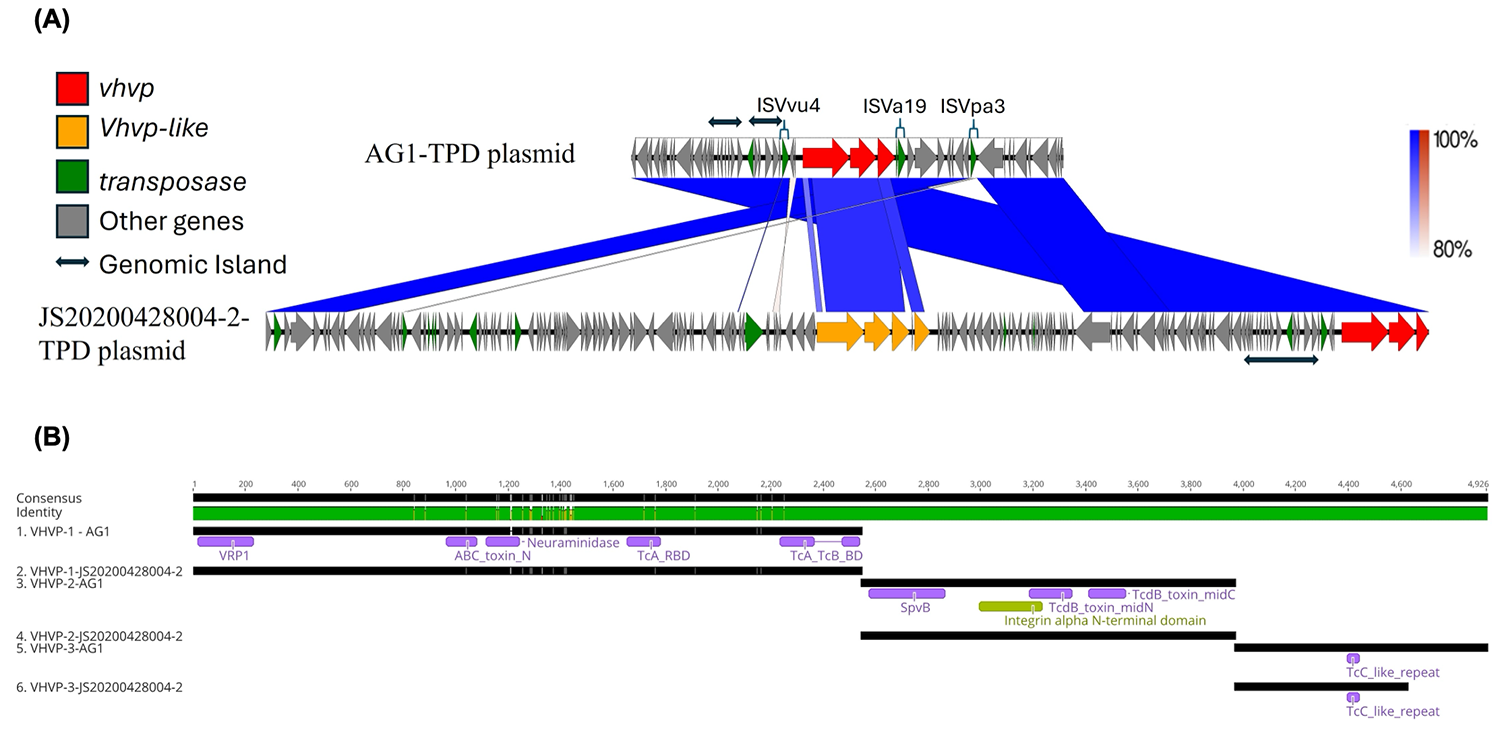
The genomic data also suggest that TPD-associated strains are not genetically static. Although AG1 was closely related to previously described Chinese strains, it was not identical. Differences in plasmid structure, genomic islands and transfer-related features indicate that these bacteria may continue to evolve while retaining the virulence-associated gene set linked to pathogenicity. For the shrimp industry, this is an important reminder that emerging bacterial diseases are dynamic. Surveillance strategies must evolve alongside the pathogens they are designed to detect.
The third study translated these biological findings into a practical diagnostic tool. All three newly developed TaqMan assays showed 100 percent diagnostic sensitivity and 100 percent diagnostic specificity, with a limit of detection of 10 copies per reaction. The assays also showed no cross-reactivity with specific pathogen free (SPF) shrimp or with shrimp infected with other major pathogens, including EHP, NHP, IHHNV, WSSV and VpAHPND. For hatcheries and diagnostic laboratories, that level of performance is highly relevant. A screening assay is only valuable if it can reliably detect the intended target without confusing TPD with other pathogens commonly encountered in shrimp production.
From a validation standpoint, the assays also showed strong linearity, acceptable efficiency and precision consistent with routine diagnostic use. Although these are technical measures, their practical meaning is straightforward: The assays are moving beyond proof-of-concept and toward operational value as screening tools for hatcheries, breeding programs and aquatic animal health laboratories. Their greatest value may be before post-larvae are moved, when preventing pathogen spread is far more effective than attempting control after introduction into a new system.
Dinh-Hung, TPD, Table 1
| Primers/probes | Sets | Target | Sequence (5'-3') | |
|---|---|---|---|---|
| V1-qF | V1 | vhvp-1 | AATGTAGCCTCCATATCGGAAATC | |
| V1-probe | – | – | 6FAM-CATCAATTGCTTGCACCTCACATCGC-TAMRA | |
| V2-qF | V2 | vhvp-2 | AATCGCCACTCACTCAGATTCA | |
| V2-qR | – | – | ACGCCCCGCTTTTTTGTT | |
| V2-probe | – | – | 6FAM-CAGCTCAGCGTTATCCAGTCGCGA-TAMRA | |
| V3-qF | V3 | vhvp-3 | ACTACCGCCACCCTGATGAG | |
| V3-qR | – | – | GCGCCACGTGTATCGTACTG | |
| V3-probe | – | – | 6FAM-CAAATACGACACAGACACGCATTACGCATC-TAMRA |
For hatchery managers and producers, three practical messages stand out. First, TPD should be regarded as a genuine early-life-stage biosecurity threat. When post-larvae show a pale hepatopancreas, an empty gut and a translucent body and when mortality rises rapidly, TPD should be considered immediately in the diagnostic investigation. Second, not all Vibrio-associated outbreaks are biologically equivalent. Broad labels such as “vibriosis” may be useful in the field, but they can mask important differences that affect diagnosis and control. Third, pre-movement screening may be one of the most valuable applications of the new qPCR assays. These tools allow hatcheries to use testing not only to investigate mortality after it begins, but also to reduce the risk of transferring infected stocks into new production systems.
Study: White Feces Syndrome in shrimp can be caused by more than one pathogen
Perspectives
Together, the three studies summarized here bring the TPD story into much sharper focus. One confirms that a TPD-associated V. parahaemolyticus strain is present outside China and is capable of causing severe mortality in P. vannamei post-larvae. A second shows that this strain carries a distinct toxin-associated genomic architecture linked to vhvp-1, vhvp-2 and vhvp-3. A third provides validated TaqMan assays that can support diagnosis, surveillance and movement screening.
For the shrimp industry, these findings change the nature of the conversation. TPD is no longer only an outbreak description. It is now a disease with a clearer causative basis, a better-defined pathological and genomic profile, and a practical detection strategy. These advances do not eliminate the risk, but they do give hatcheries a stronger basis for earlier recognition, more confident testing and tighter biosecurity aimed at preventing further losses.
Now that you've reached the end of the article ...
… please consider supporting GSA’s mission to advance responsible seafood practices through education, advocacy and third-party assurances. The Advocate aims to document the evolution of responsible seafood practices and share the expansive knowledge of our vast network of contributors.
By becoming a Global Seafood Alliance member, you’re ensuring that all of the pre-competitive work we do through member benefits, resources and events can continue. Individual membership costs just $50 a year.
Not a GSA member? Join us.
Authors
-

Aquaculture Pathology Laboratory
The University of Arizona
Tucson, AZ 85721 USA -

Aquaculture Pathology Laboratory
The University of Arizona
Tucson, AZ 85721 USA -

Corresponding author
Aquaculture Pathology Laboratory
The University of Arizona
Tucson, AZ 85721 USA
Related Posts
Health & Welfare
Determination of the infectious agent of Translucent Postlarva Disease in Pacific white shrimp
Systematic analyses confirm novel V. parahaemolyticus is causative agent associated with Translucent Postlarva Disease, which hit China in 2020.
Health & Welfare
AHPND is a chronic disease in Pacific white shrimp from Latin America
There is a new phase of infection for Acute Hepatopancreatic Necrosis Disease on Latin American shrimp farms, a contrast to observations in Southeast Asia.
Health & Welfare
Double-stranded RNA against WSSV genes provides antiviral protection in shrimp
Silencing genes in white spot syndrome virus (WSSV) with critical roles in replication could provide a strong antiviral effect and thus reduce shrimp mortality. The authors therefore established a study to evaluate the antiviral efficacy of double-stranded (ds)RNA against non-structural WSSV genes.

Aquafeeds
Go beyond PCR for better aquafeed biosecurity
Authors discuss issues with using polymerase chain reaction (PCR) for pathogen detection regarding the biosecurity of formulated aquafeeds.