
Health & Welfare
New virus linked to oyster die-off in B.C. raises concerns for shellfish aquaculture
Scientists identify a new virus in Pacific oysters after a mass die-off in B.C., raising concerns for shellfish aquaculture biosecurity.


Health & Welfare
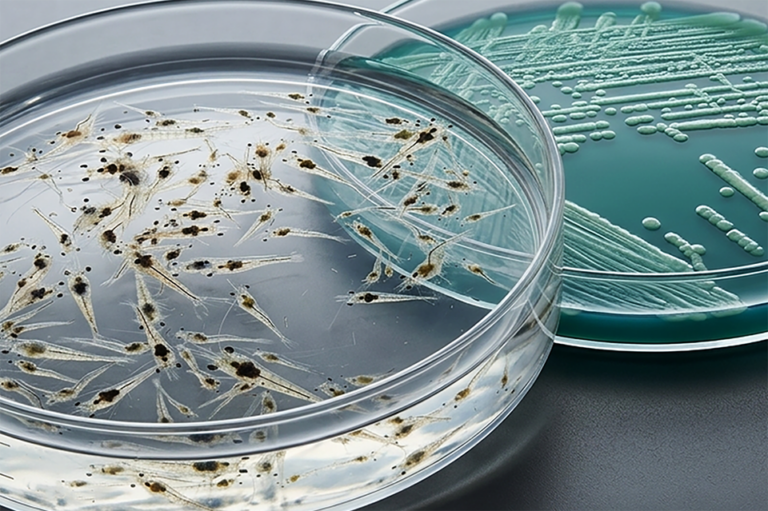
Three studies confirm a Vibrio parahaemolyticus strain outside China and offer detection and biosecurity advice for translucent post-larvae disease.
Health & Welfare
Scientists identify a new virus in Pacific oysters after a mass die-off in B.C., raising concerns for shellfish aquaculture biosecurity.
Health & Welfare
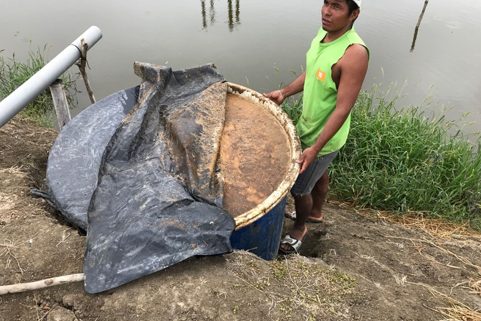
Bacterial additions produced pondside are common in shrimp farming, but farmers must ensure these cultures aren’t contaminated with harmful bacteria.
Innovation & Investment
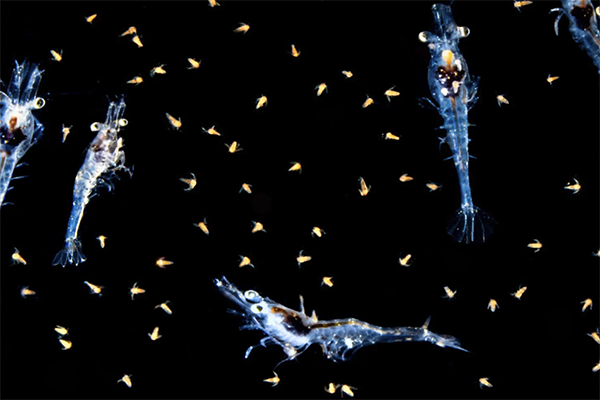
KYTOS and I&V Bio are collaborating to bring microbiome technologies to shrimp-producing countries and benefit the aquaculture industry.

Aquafeeds
Authors discuss issues with using polymerase chain reaction (PCR) for pathogen detection regarding the biosecurity of formulated aquafeeds.
Intelligence
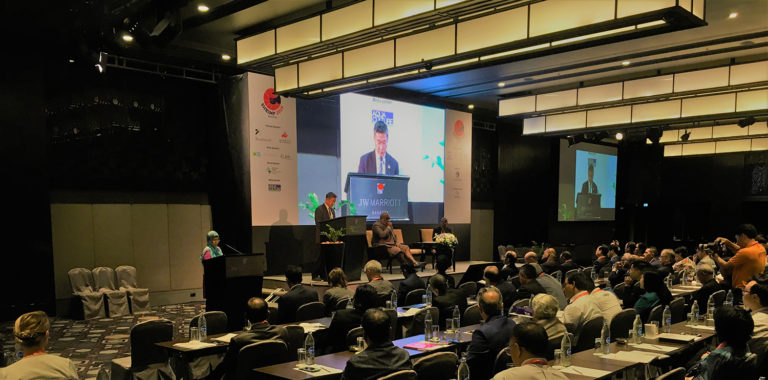
Thought leaders in the world of shrimp discussed the industry’s past and future at the 2019 INFOFISH World Shrimp Conference and Exposition in Bangkok.

Intelligence
The triennial Aquaculture 2019 meeting – which also celebrated the 50thanniversary of the World Aquaculture Society – featured all segments of the aquaculture value chain during 104 technical sessions.
Health & Welfare
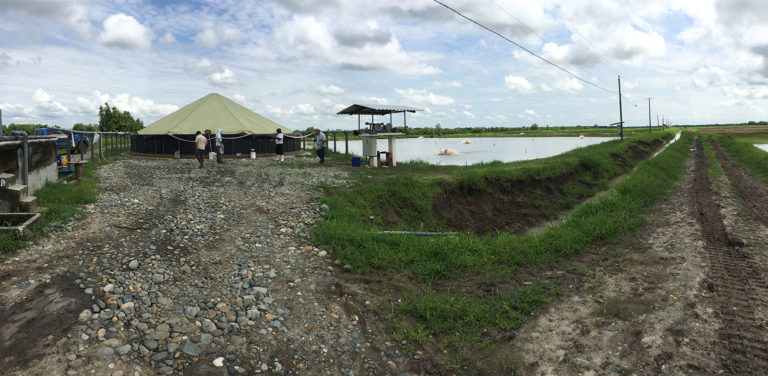
Effective implementation of biosecurity protocols in shrimp farming requires awareness, discipline and a commitment by farm owners to implement them. The authors take a close look at intensive nurseries and how to exclude pathogens, predators and competitors.
Innovation & Investment
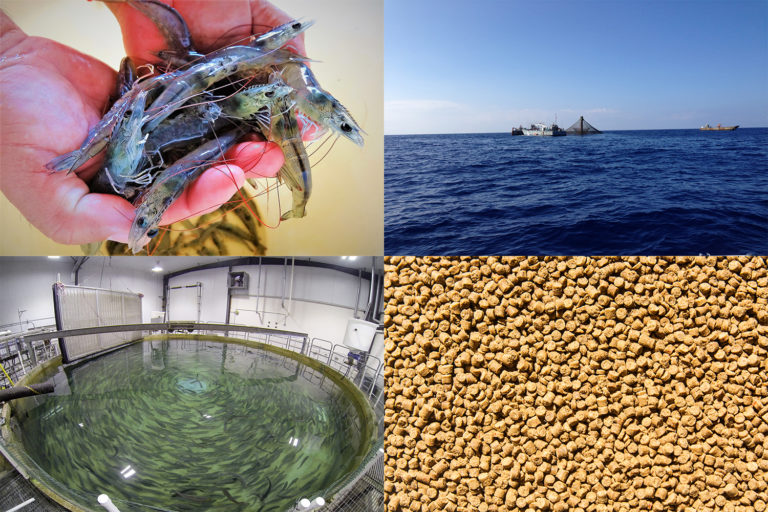
Aquaculture is the “winning protein,” according to a new Rabobank report that its author, Gorjan Nikolik, said is intended to draw the bank’s agro-industry clients to opportunities in the fish farming business.
Health & Welfare
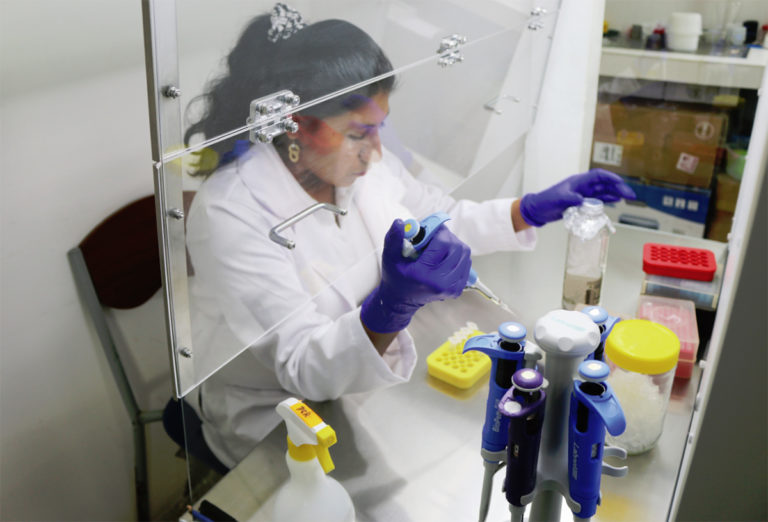
Maintaining biosecurity and asepsis in larval shrimp production is a key component of the production chain in Ecuador, which requires the production of 5.5 billion larvae monthly from 300-plus hatcheries.
Health & Welfare
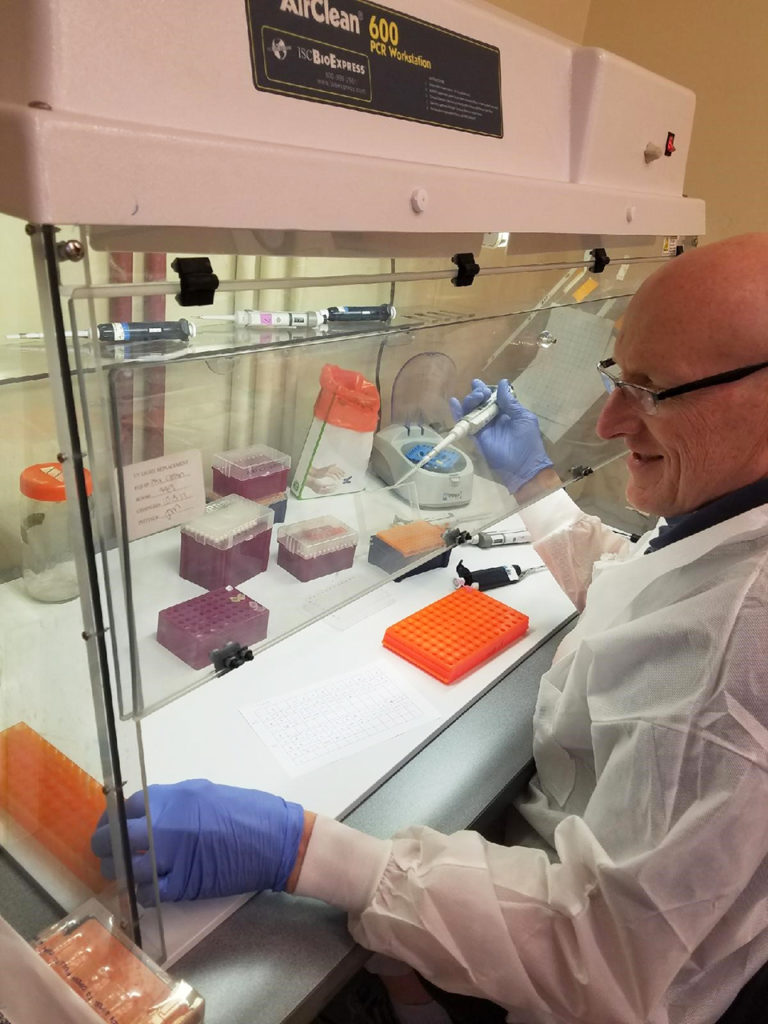
The University of Arizona Aquaculture Pathology Laboratory has carried out the Proficiency Test (PT) since 2005, with 300-plus diagnostic laboratories participating while improving their capabilities in the diagnosis of several shrimp pathogens.
Innovation & Investment
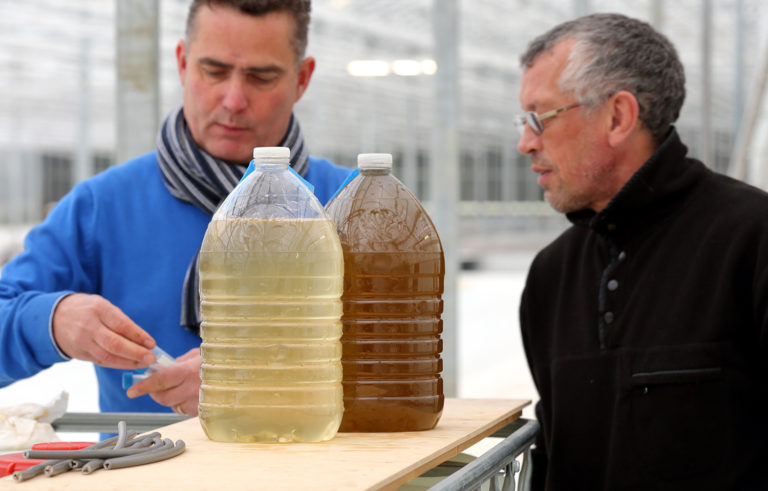
A greenhouse in Belgium believes its innovative shrimp feed product, made from freeze-dried microalgae, packs the necessary nutrients for the crustacean’s most vulnerable life stage: the first three days of its life.
Health & Welfare
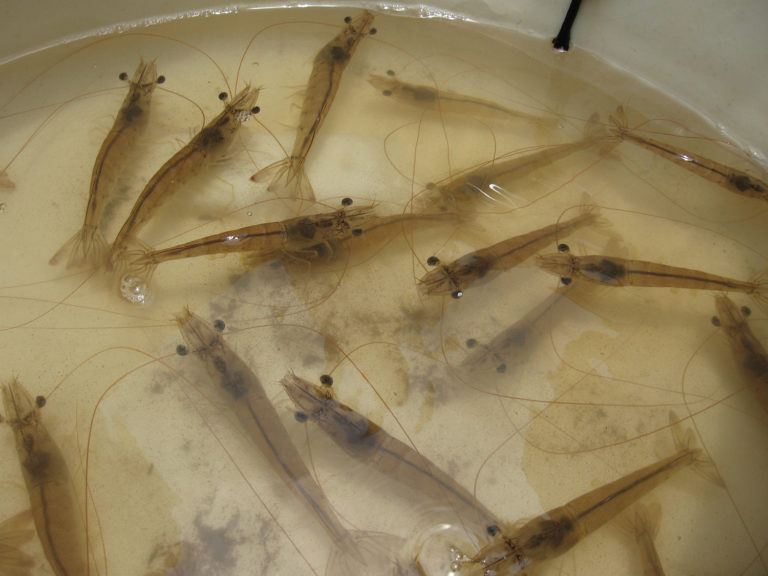
Many shrimp producers give only perfunctory attention to routine biosecurity at hatcheries and farms. A cost-effective biosecurity program for farmed shrimp requires reliable diagnostic tools to make timely decisions to control or exclude pathogens.
Responsibility
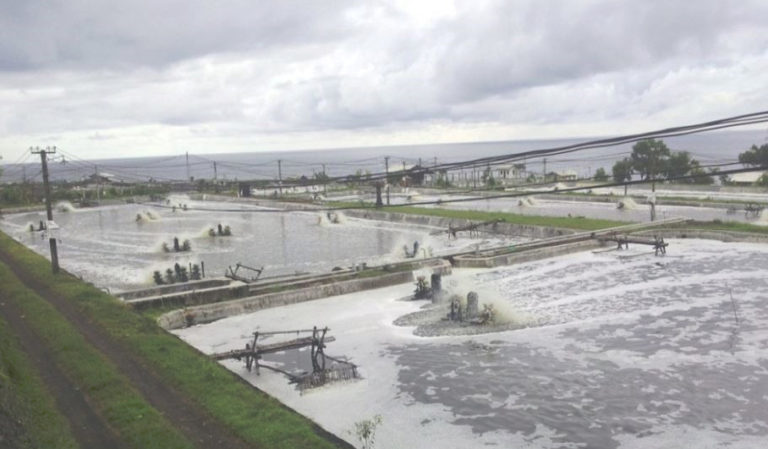
The impact of diseases led some Asian shrimp farming countries to develop biofloc and recirculation aquaculture system (RAS) production technologies. Treating incoming water for culture operations and wastewater treatment are biosecurity measures for disease prevention and control.
Aquafeeds
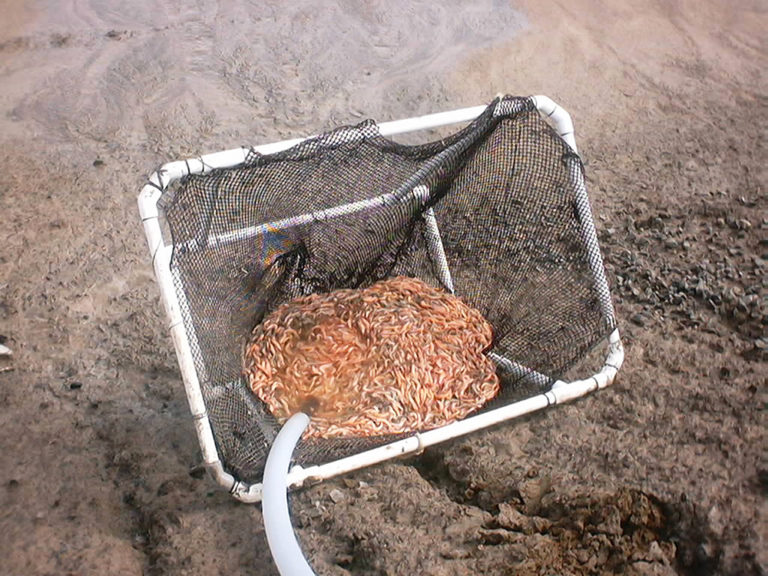
Shrimp aquafeeds – live, fresh or formulated – should not be an entry point of potential pathogens to the shrimp and/or to their culture systems.
Responsibility
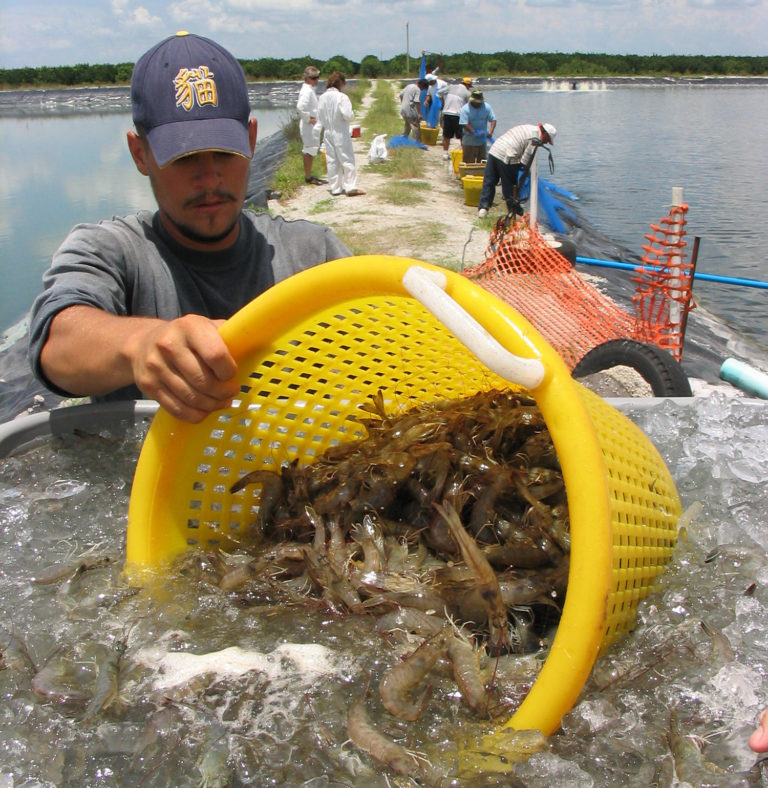
Inland shrimp culture has numerous advantages – improved biosecurity, lower cost of land and reduced conflicts with other users of common resources like land and water – and will continue to expand into new areas.