Health & Welfare
Building a better shrimp nursery, part 1
Shrimp nursery systems offer an important opportunity to increase profits. Properly designed and operated nurseries are highly biosecure facilities to grow postlarvae at very high densities.


Health & Welfare
Biosecurity measures and preventive strategies are essential in any biological production chain. Properly planned and implemented biosecurity programs will enhance animal health, production and economics.
Health & Welfare
Shrimp nursery systems offer an important opportunity to increase profits. Properly designed and operated nurseries are highly biosecure facilities to grow postlarvae at very high densities.
Health & Welfare
Strategies to control Vibrio bacteria at aquaculture farms must revolve around limiting inputs, including those from postlarvae suppliers, those that come in with the water, those that remain in the soil between crops and those in the feed and accumulated organic matter.
Health & Welfare
Control of Vibrio bacteria should focus on minimizing overall bacterial loads and the potential for horizontal transmission. The challenge for hatchery managers is identifying gaps in biosecurity and plugging them without creating niches for other potential pathogens.
Health & Welfare
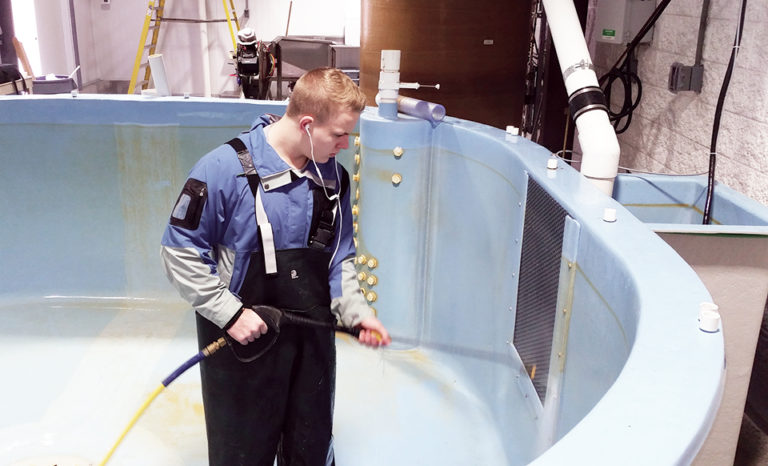
The benefits realized by recirculating aquaculture systems – including enhanced fish growth, product quality and survival, as well as reduced treatment costs – have made the RAS approach an important production trend.
Health & Welfare
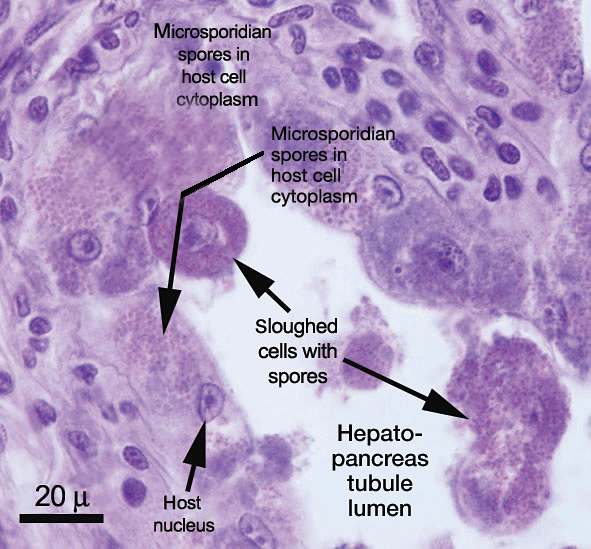
Enterocytozoon hepatopenaei (EHP), a microsporidian parasite widely found in Asia and other areas, is impacting aquaculture by severely retarding the growth of cultured shrimp. EHP infects the tubules of the hepatopancreas in shrimp, which damages the organ’s ability to gain nutrition from feed.
Health & Welfare
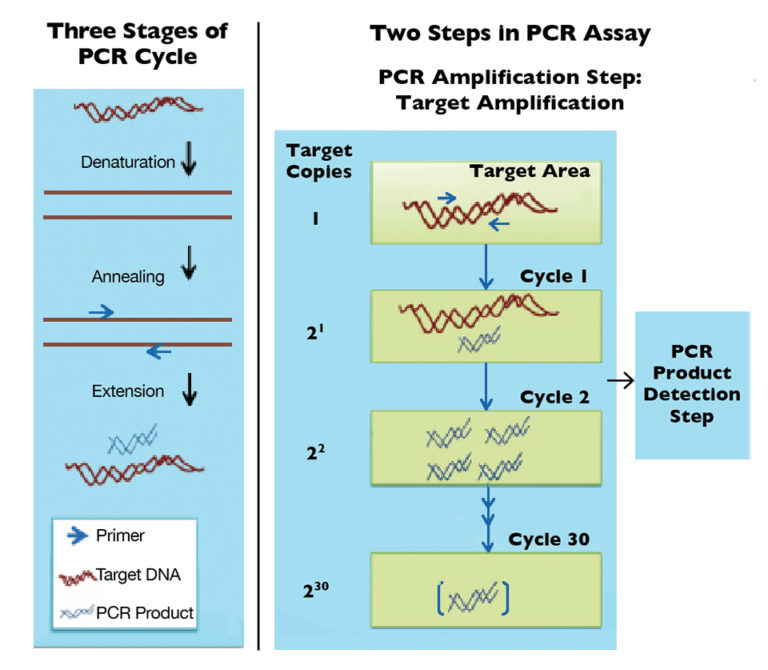
Offering high sensitivity and specificity, polymerase chain reaction (PCR) assays are the most accepted molecular method for white spot syndrome virus (WSSV) detection.
Health & Welfare
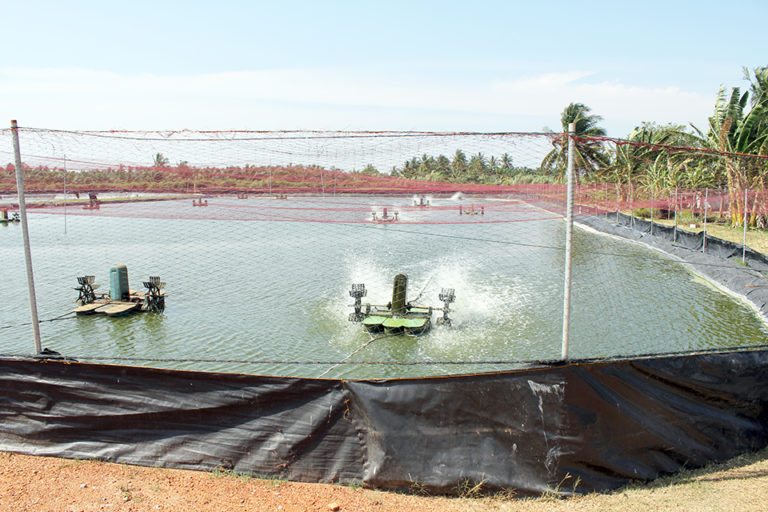
Most aquaculture farms rely on general strategies for biosecurity that implement protocols learned from others. Establishing effective biosecurity, however, can be complicated due to multiple interacting variables.
Health & Welfare
Integrated shrimp farming is desirable due to its ability to provide food safety and traceability. Production planning is the most essential exercise in integrated systems.
Health & Welfare
Assessing disease risk at an aquaculture facility allows the anticipation of possible outbreaks and subsequent production losses. It can also help to identify weaknesses of the production system.
Health & Welfare
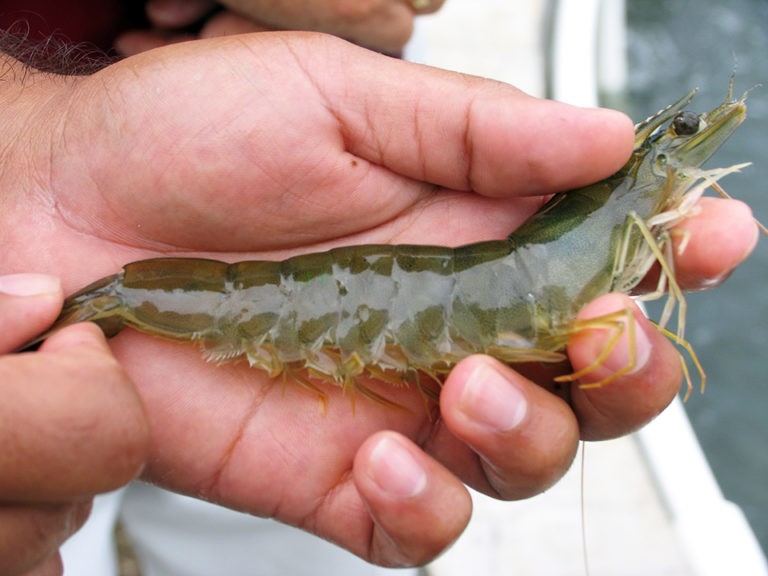
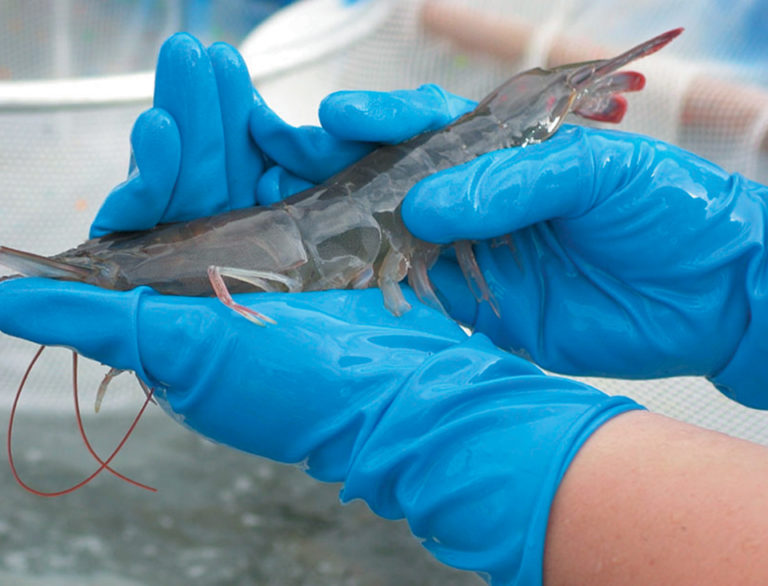
Basic components of biosecurity include knowledge of diseases, adequate detection methods and the use of “clean” shrimp stocks.
Health & Welfare
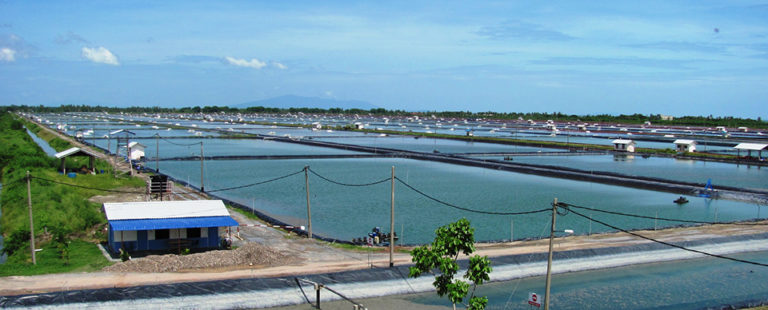
With the global spread of viruses, biosecurity has become an essential element of every shrimp farm. Biosecurity starts with quality of farm design.
Health & Welfare
The objective of a contingency plan is to quickly recover production through rapid initial response and effective implementation of biosecurity measures. Such plans depend on whether the detected pathogen or disease is exotic or endemic, its potential economic impacts and whether it is to be eradicated.
Health & Welfare
The development of an effective biosecurity plan requires full understanding of facility design and operations, and knowledge of the animals’ health status and the transmission modes of pathogens in order to identify the risks and define meaningful measures.
Health & Welfare
Microbial surveys of hatchery operations at Oceanic Institute found a strong correlation between hatchery success and cultivable bacteria levels in the water supplied to the larval-rearing systems.
Responsibility
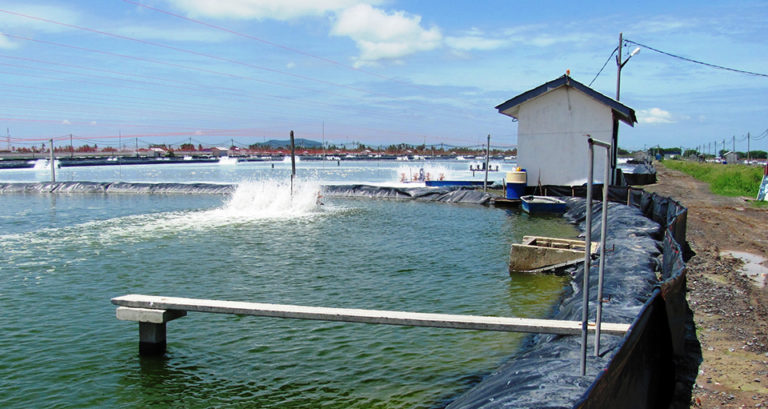
Todays' shrimp farm technologies include biosecurity protocols, stocking densities according to pond design and aeration levels, and best practices for pond preparation and feed and water management.