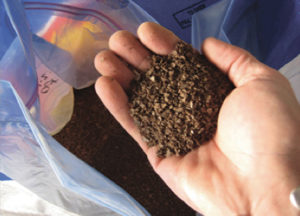
Single-cell proteins from food byproducts provide protein in aquafeed
Wastes produced during food processing can be treated to generate a valuable single-cell protein ingredient for aquafeed with protein and amino acid content similar to fishmeal.



EWOS and Canadian researchers have developed a model to measure the ecological footprints of aquafeeds using ISO-compliant lifecycle analysis methodologies.
Wastes produced during food processing can be treated to generate a valuable single-cell protein ingredient for aquafeed with protein and amino acid content similar to fishmeal.
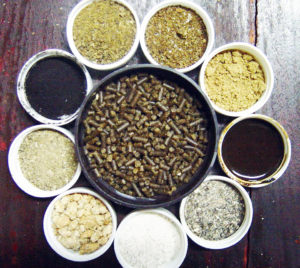
The required level of fishmeal in white shrimp diets can be reduced to 5 percent through substitution as long as fish oil content is kept at 2 percent.
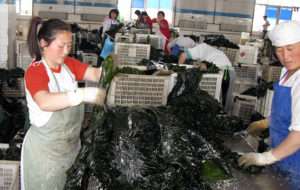
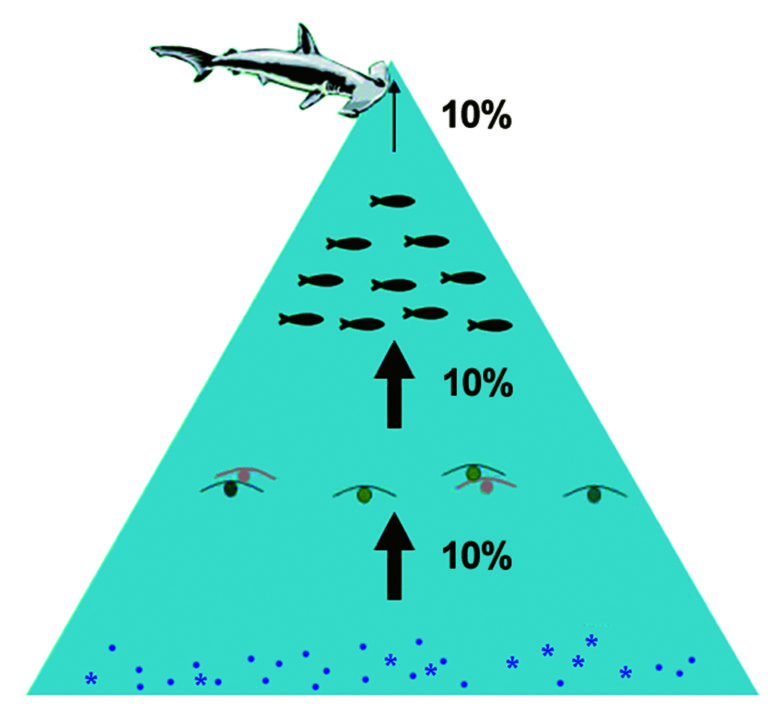
Discussion of aquaculture development should consider trophic levels. Seaweed culture, for example, could possibly double plant food production by farming less than 1 percent of the ocean’s surface.
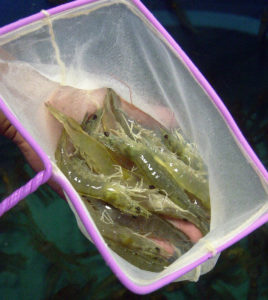
In a study, the authors evaluated the performance of juvenile white shrimp grown at high density and fed diets with varying levels of methionine. Trends toward improvements in feed intake were observed for diets with reduced fishmeal and HMTBa supplementation.
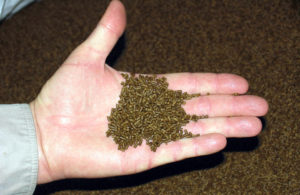
Mycotoxins are naturally occurring, toxic chemical compounds produced by molds. When they infect aquaculture feeds and feed ingredients, mycotoxins can affect growth, reproduction and immunity in fish.
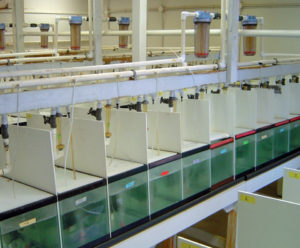
A study compared the effects of two forms of methionine supplemented at different levels in feeds for Pacific white shrimp. Test diets containing methionine bound in soy protein had less leaching of methionine than the diets containing crystalline methionine.
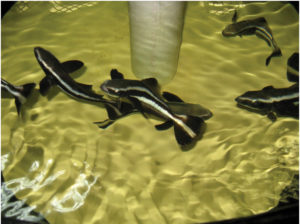
The authors evaluated graded substitution of fish oil with soybean oil in feeds for juvenile cobia and found a substantial amount of dietary fish oil can be spared without sacrificing production performance.
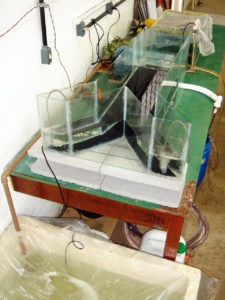
A recent study in Brazil tested the efficacy of nine commercial feed attractants for Litopenaeus vannamei. Condensed fish-soluble protein, an amino acid complex with digested bivalve mollusk, and whole squid protein hydrolysate stimulated the highest feeding responses.
The aquaculture industry has significantly reduced fishmeal levels in feeds for major farmed species. To further reduce fishmeal use, new research approaches are essential.
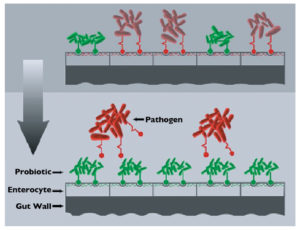
There is increasing evidence that natural feed additives can have beneficial effects on aquaculture animals by supporting well-balanced gut microflora and improving gut health.
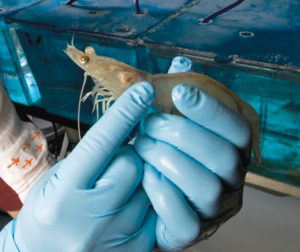
Recent research is demonstrating that biofloc-based proteins are suitable replacements for fishmeal in aquaculture diets. Since bioflocs can be produced while treating aquaculture effluents, a waste product can be converted into a valuable resource.
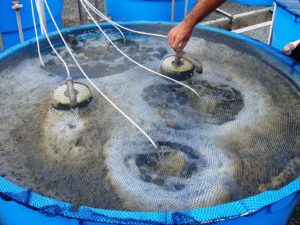
The authors conducted a study to determine how reducing the protein content of a diet would affect the growth performance of L. vannamei reared in an experimental microbial floc culture system.
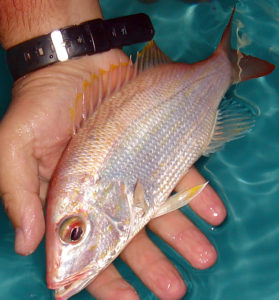
A study in Brazil indicated that mutton snappers, a high-value species that readily accepts artificial food, can grow well on diets containing high-quality plant proteins such as soy protein concentrate.
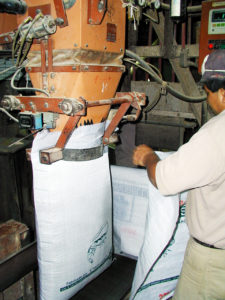
Nutritious and cost-effective aquafeeds can be formulated using high levels of plant feedstuffs. However, this may increase the risk of exposure to mycotoxins.
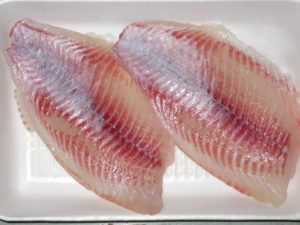
In studies, the physical and sensory qualities of fillets from tilapia fed diets with 100 percent substitution of fish oil with various palm oil fractions were generally not affected by the change of dietary oil source.